Choosing The Right PVC Fittings For The Job
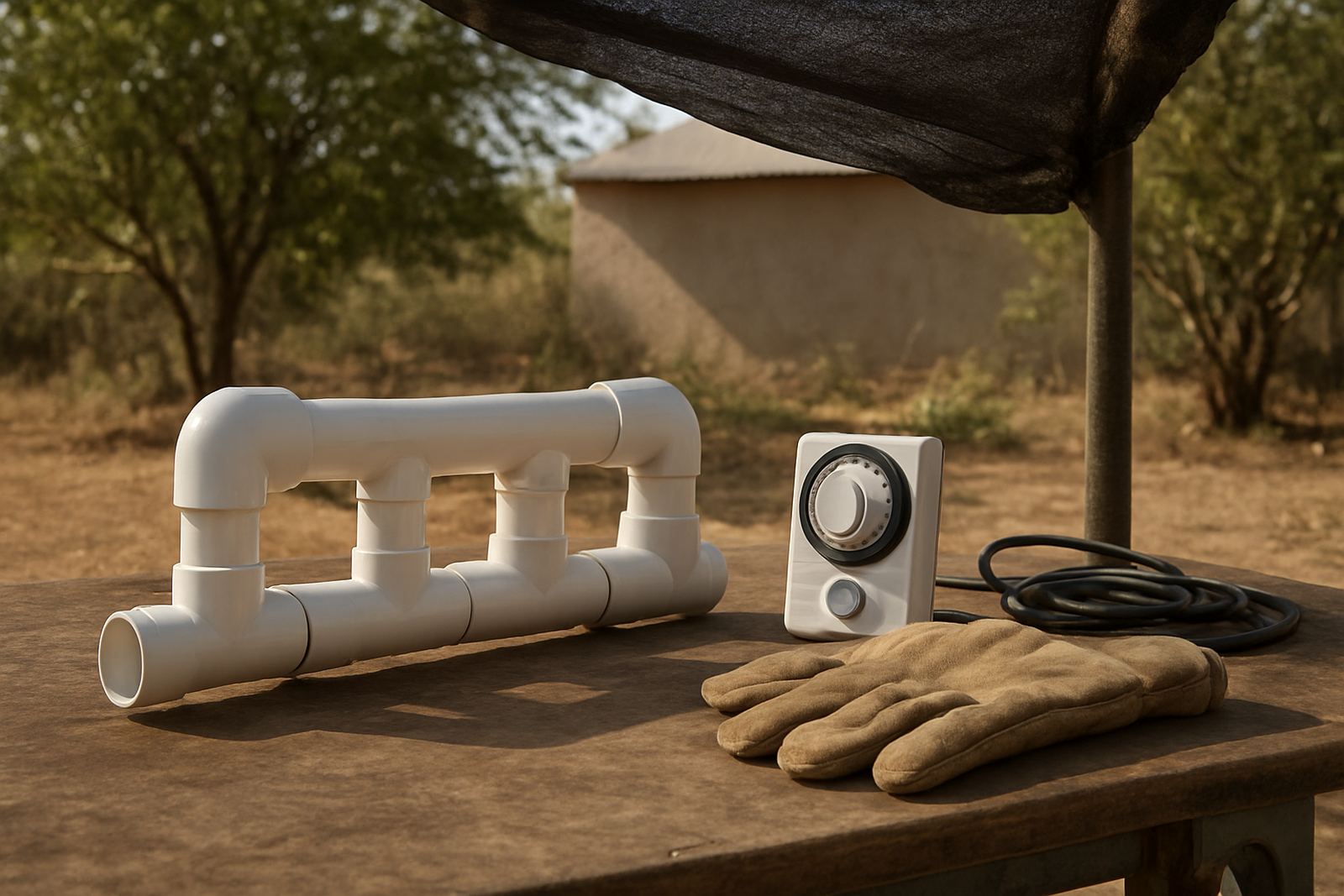
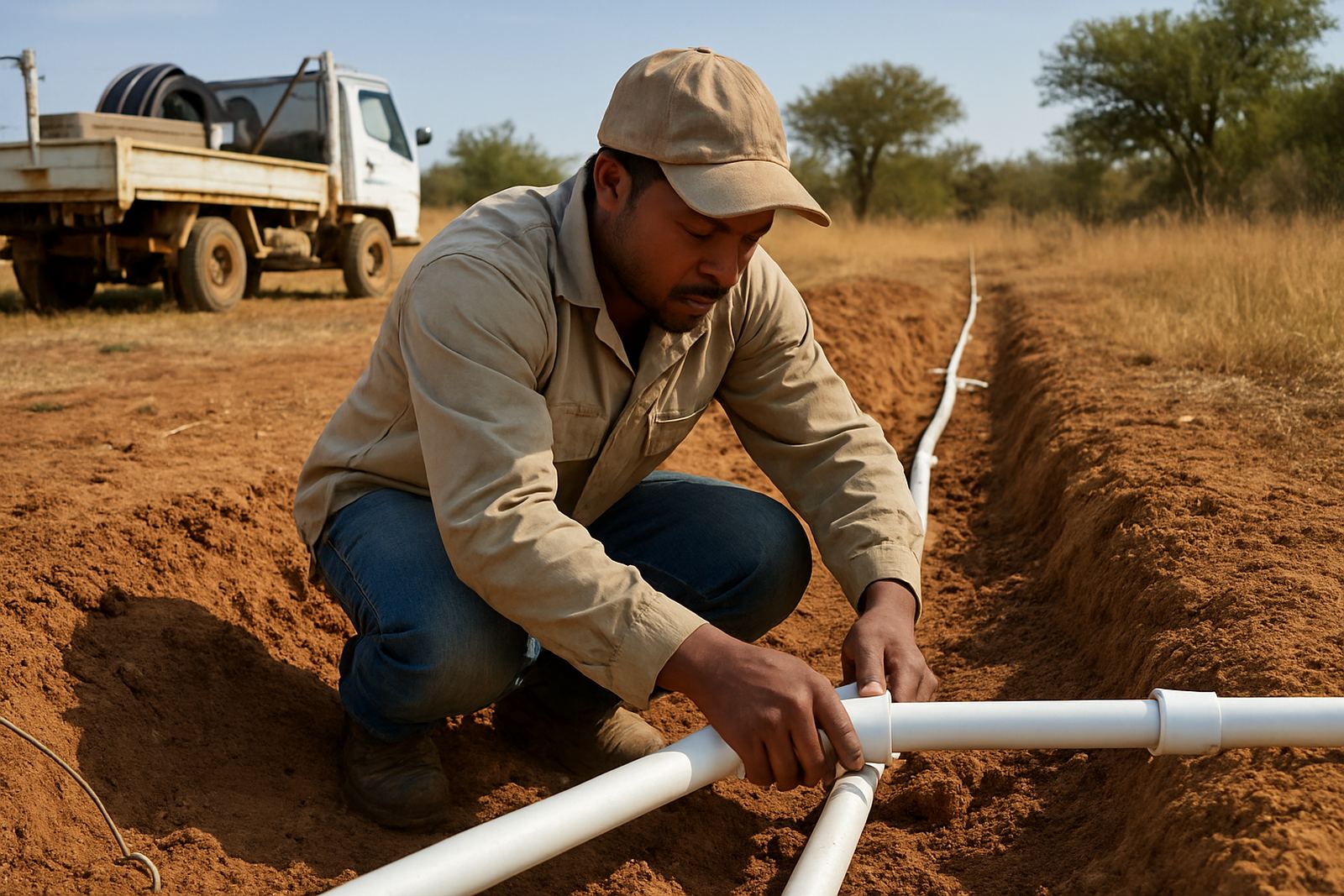
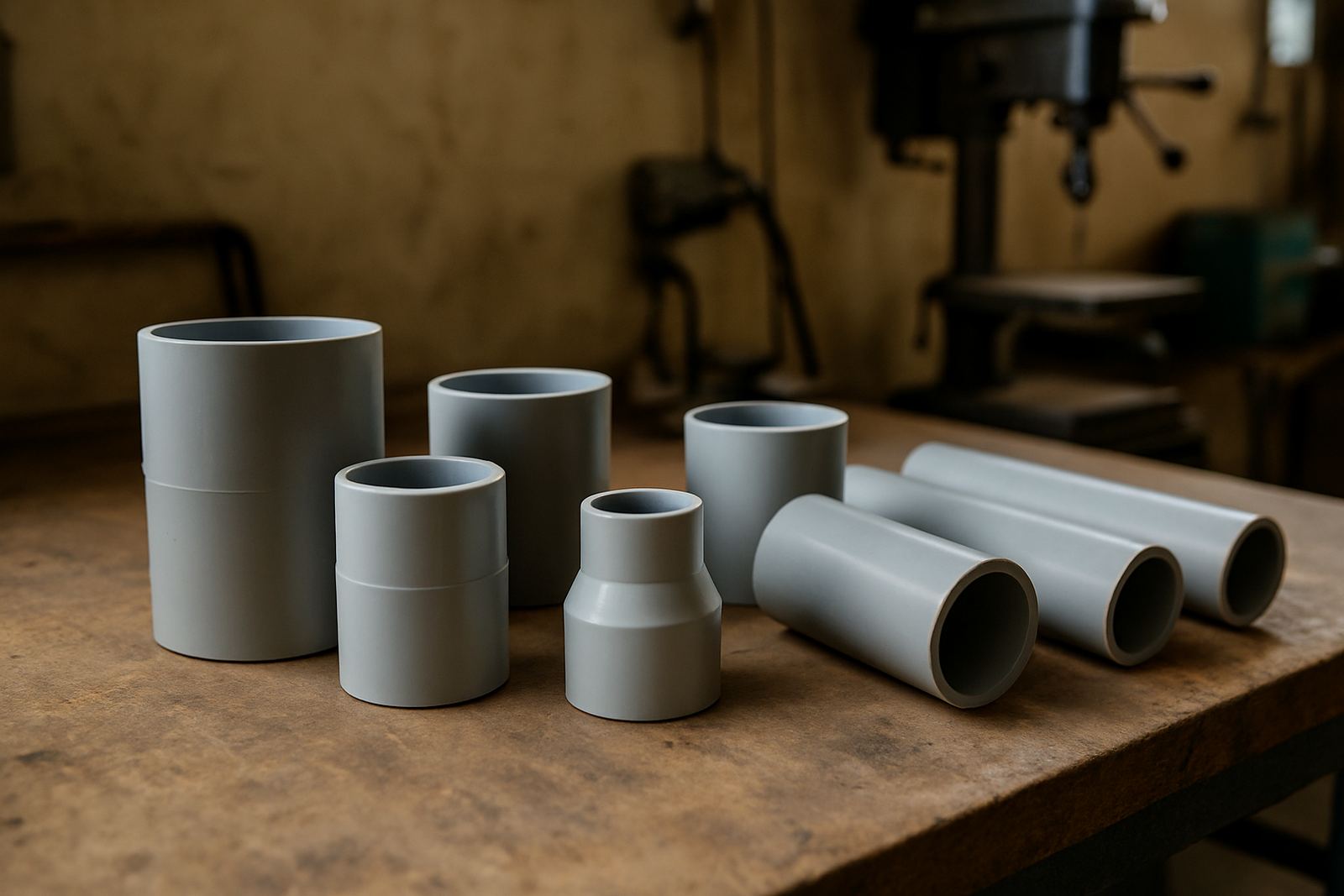
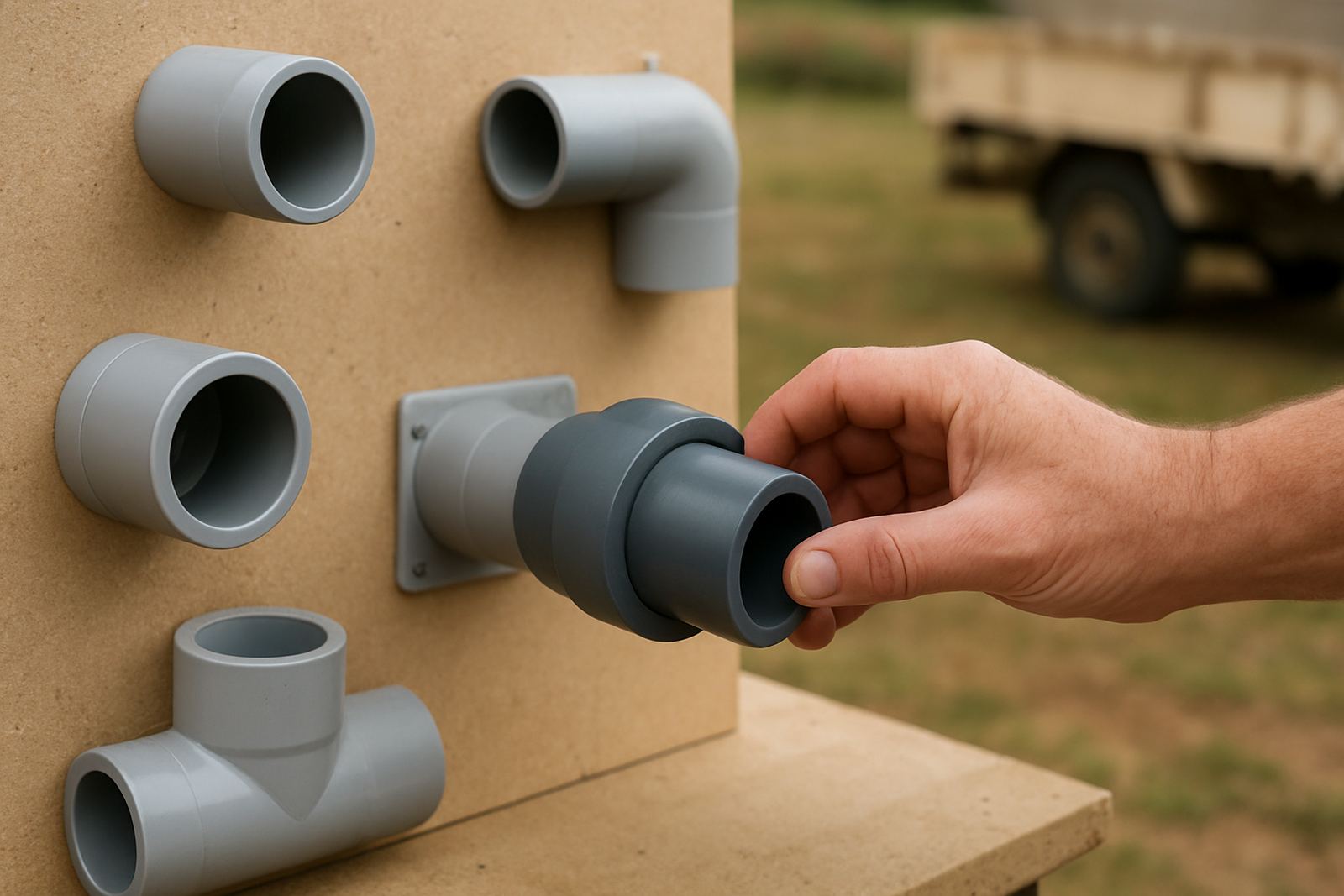
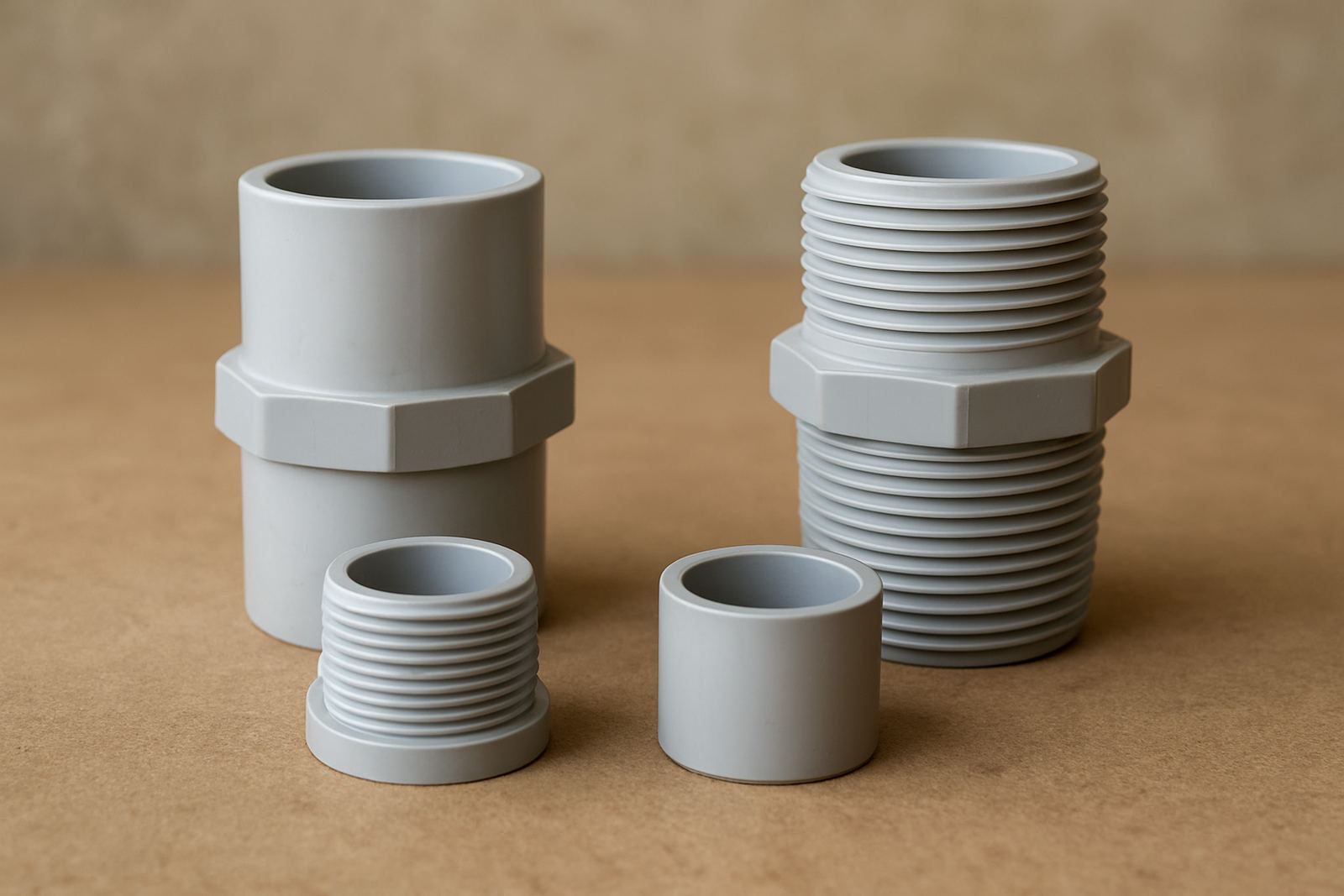
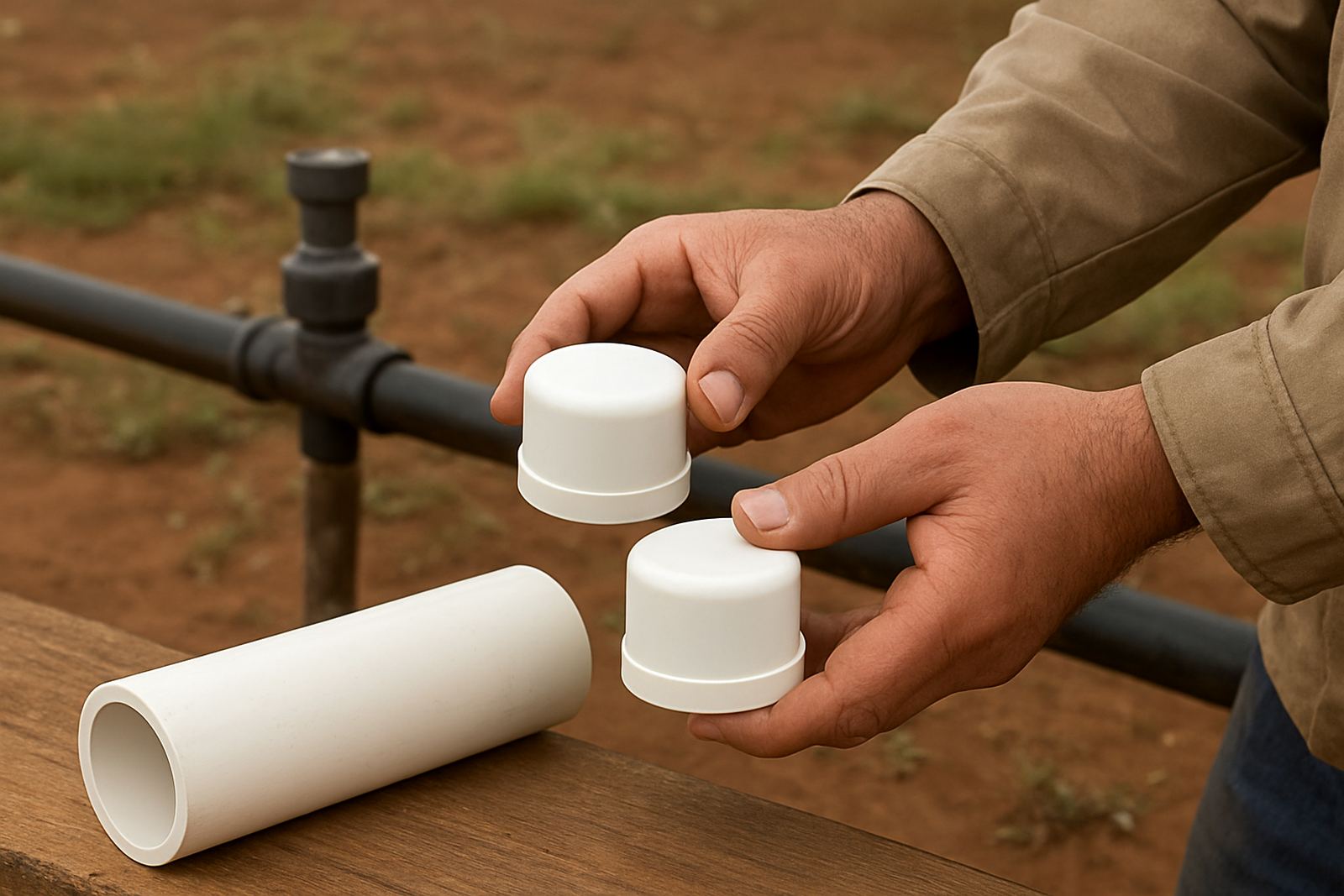
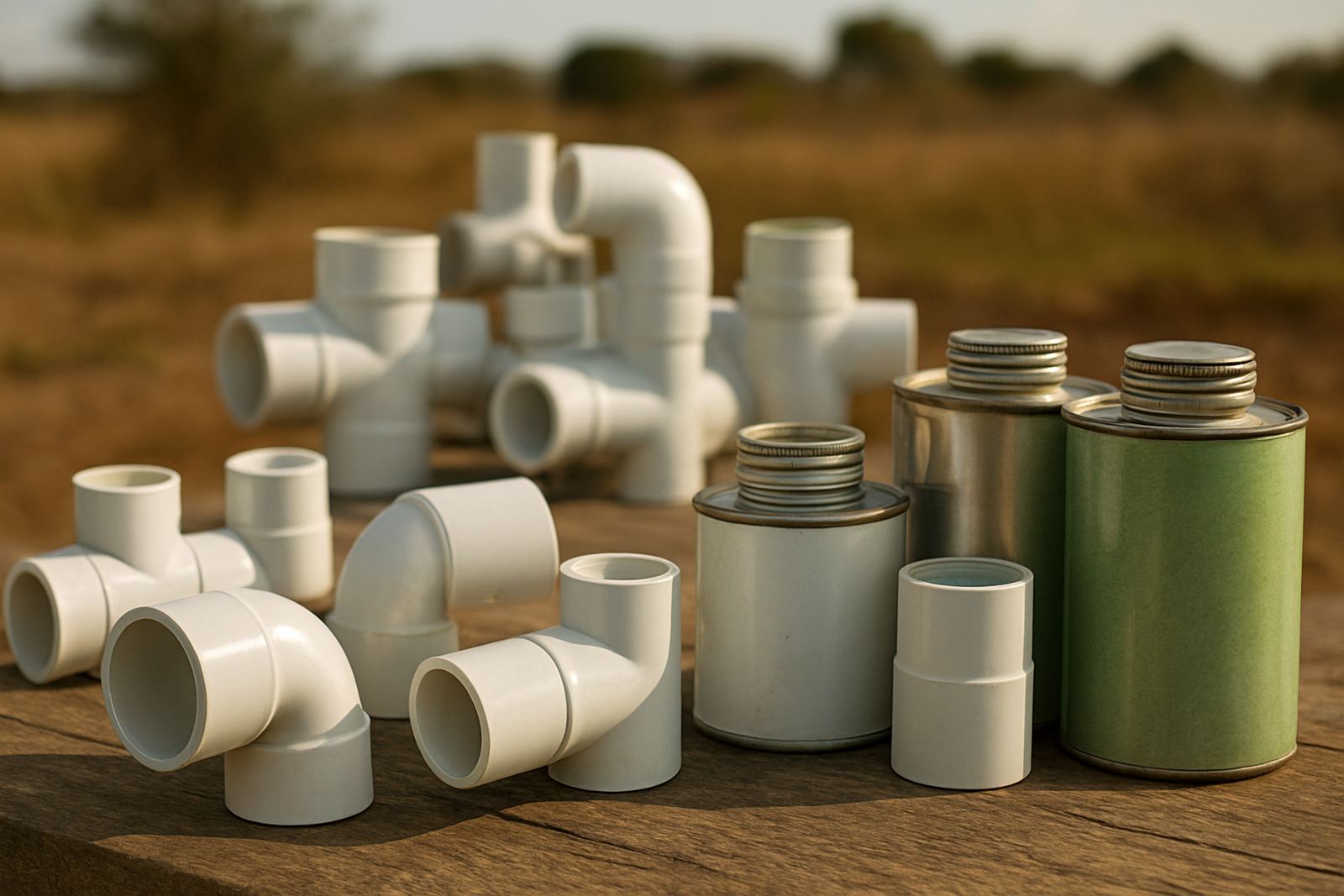
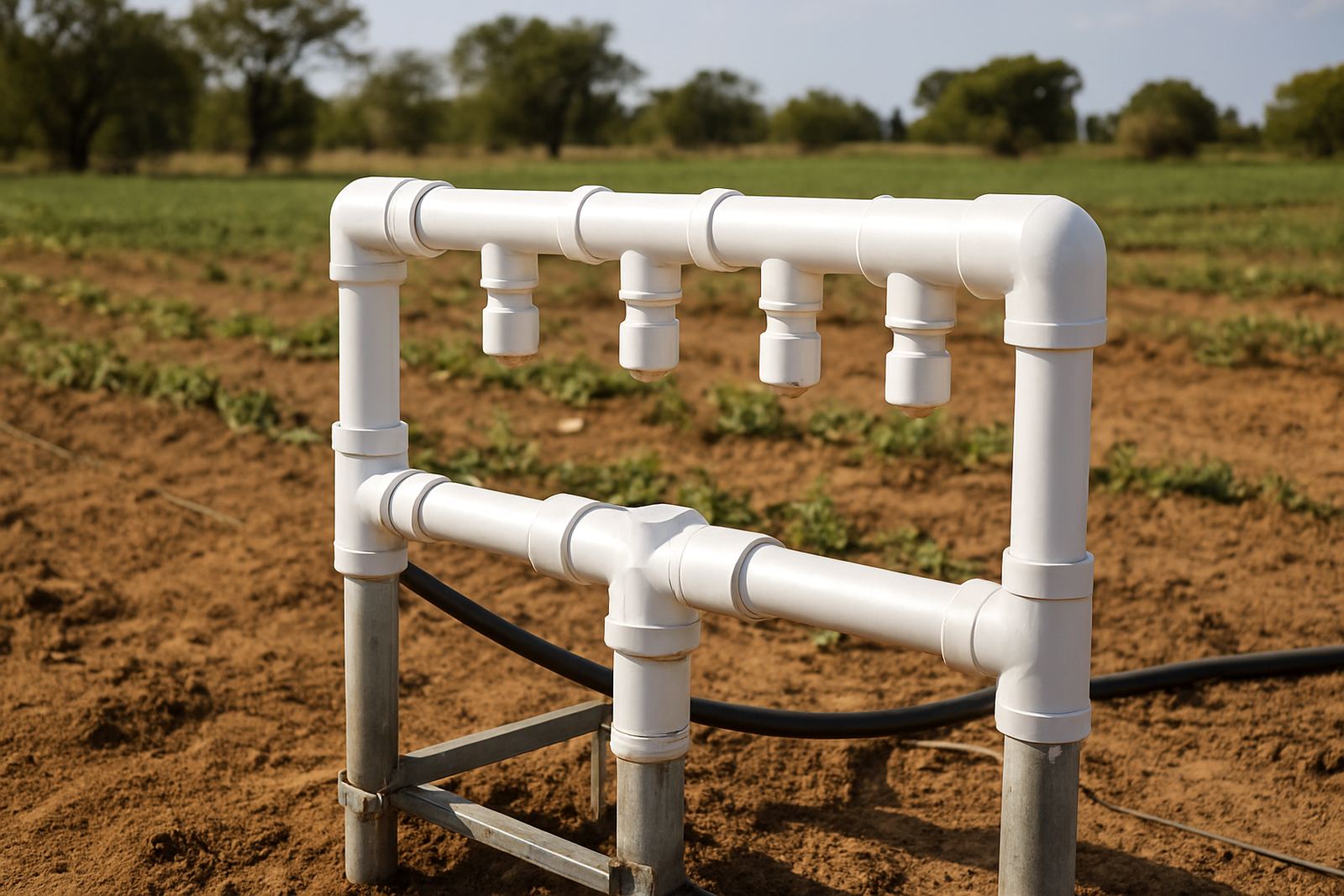
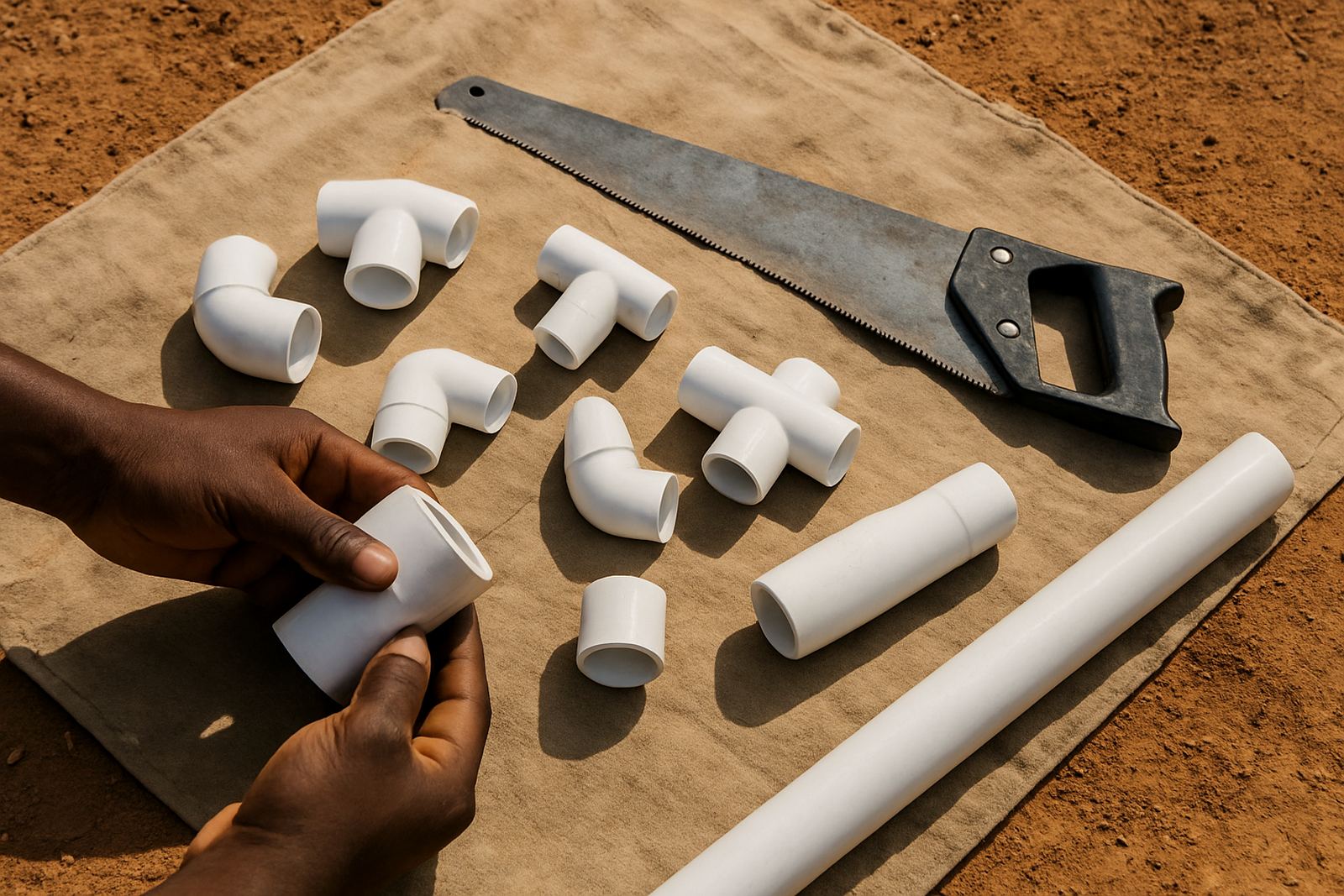
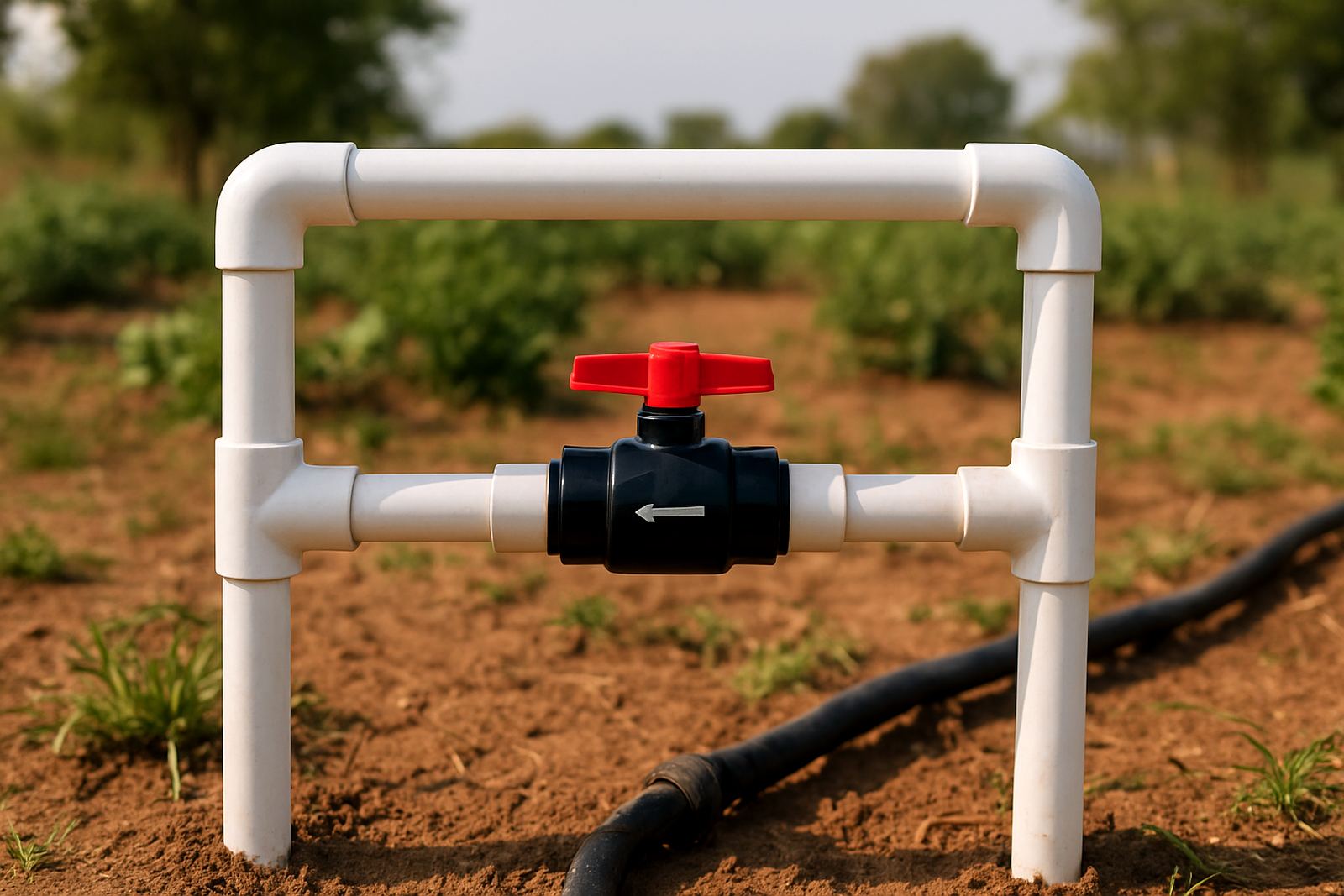
Solvent-weld PVC irrigation fittings are chosen by pipe size, pressure rating and the way the line will be used. A short farm supply line, a long orchard run and a municipal-style estate layout all place different demands on the system, so matching the fitting to the pipe is the first step. If the joint is wrong, the whole line suffers from leaks, pressure loss or early failure.
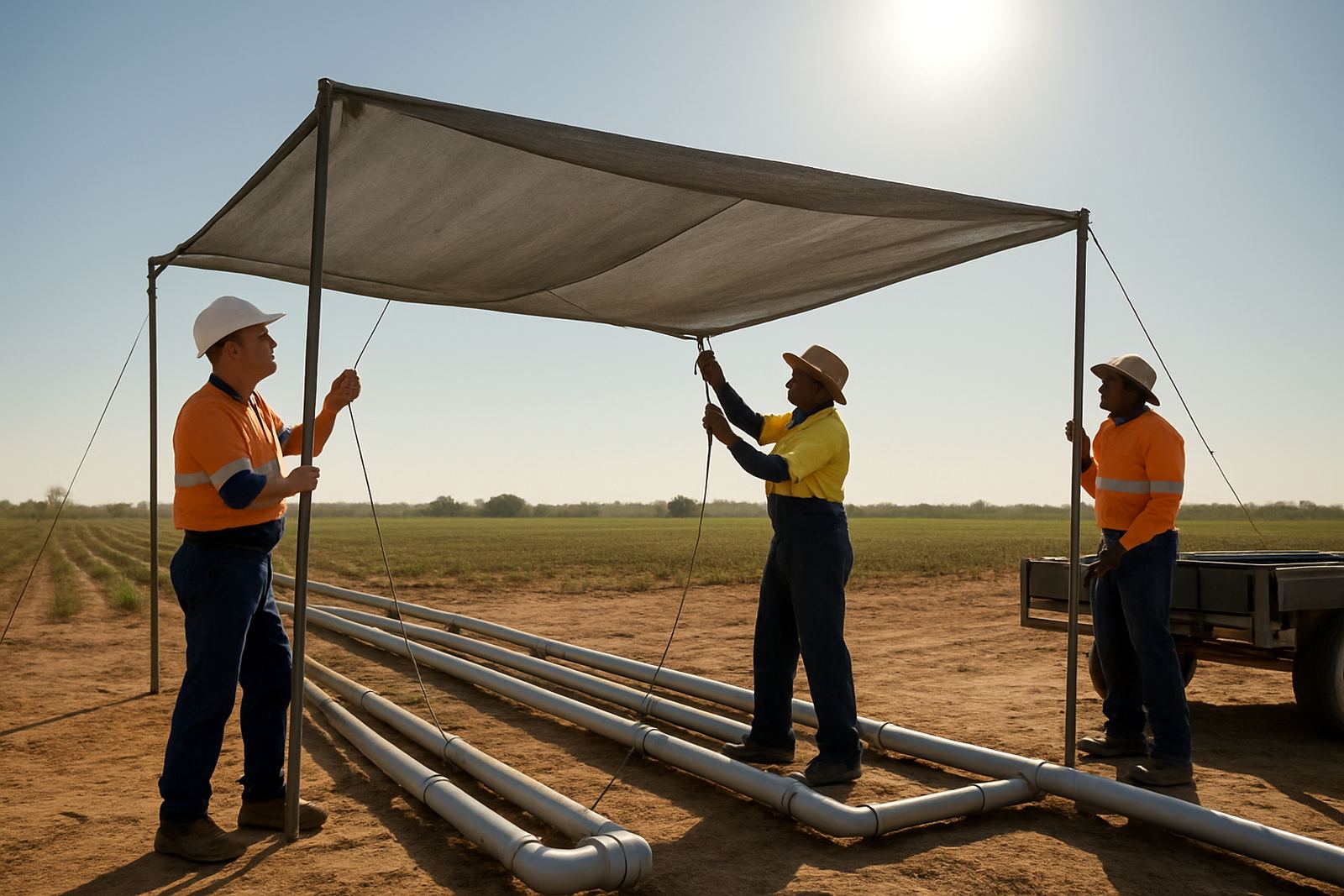
For irrigation work, buyers should think about water pressure, UV exposure, soil movement and how often the line will be opened for maintenance. In hotter inland areas like Limpopo, fittings must cope with strong sun and rough handling on site. On coastal jobs, humidity and salt in the air can make poor storage and sloppy jointing show up faster. Our notes help you compare options before you order, and we can assist with quantity checks so you do not overbuy or end up short.
How Solvent-Weld Joints Should Be Prepared
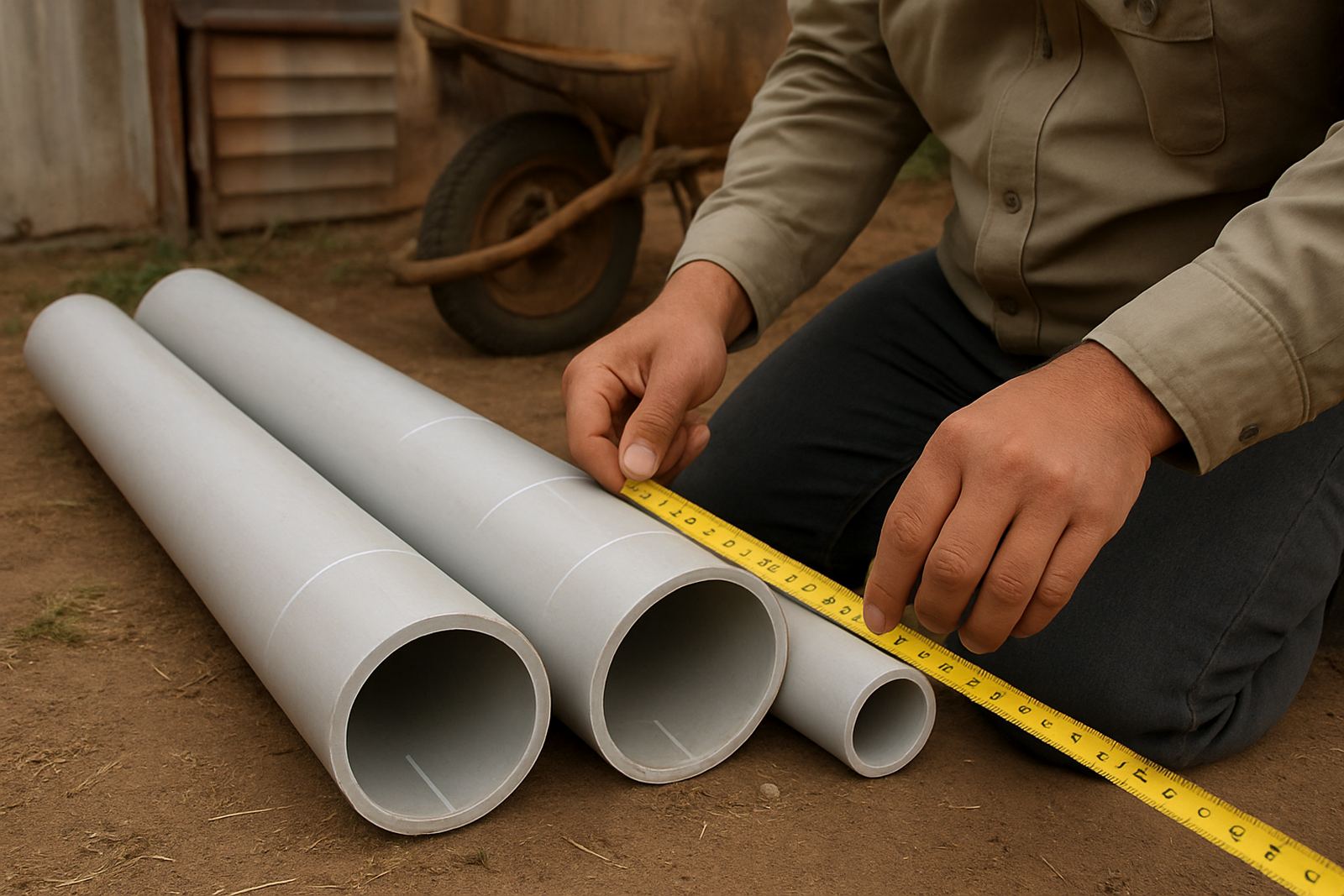
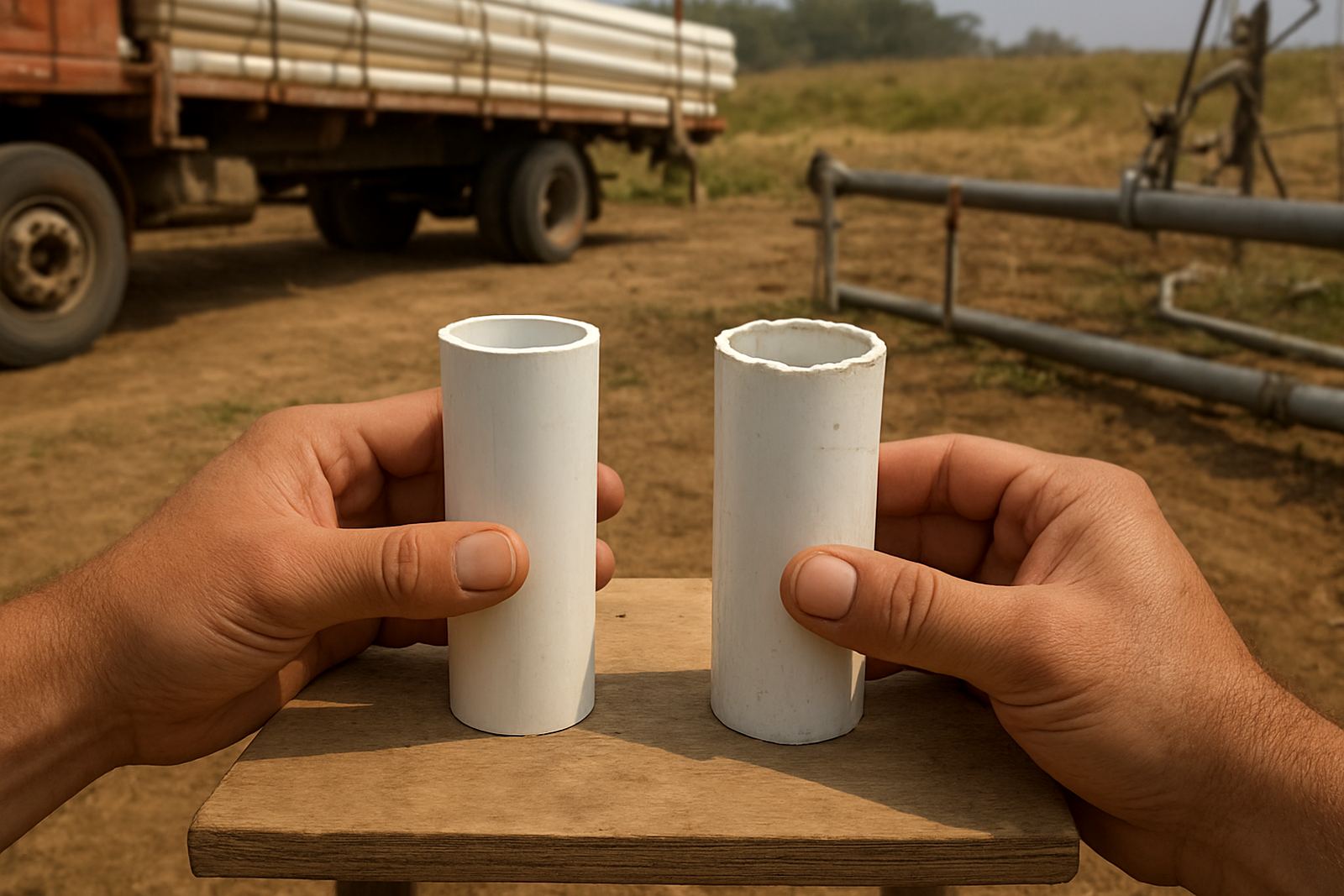
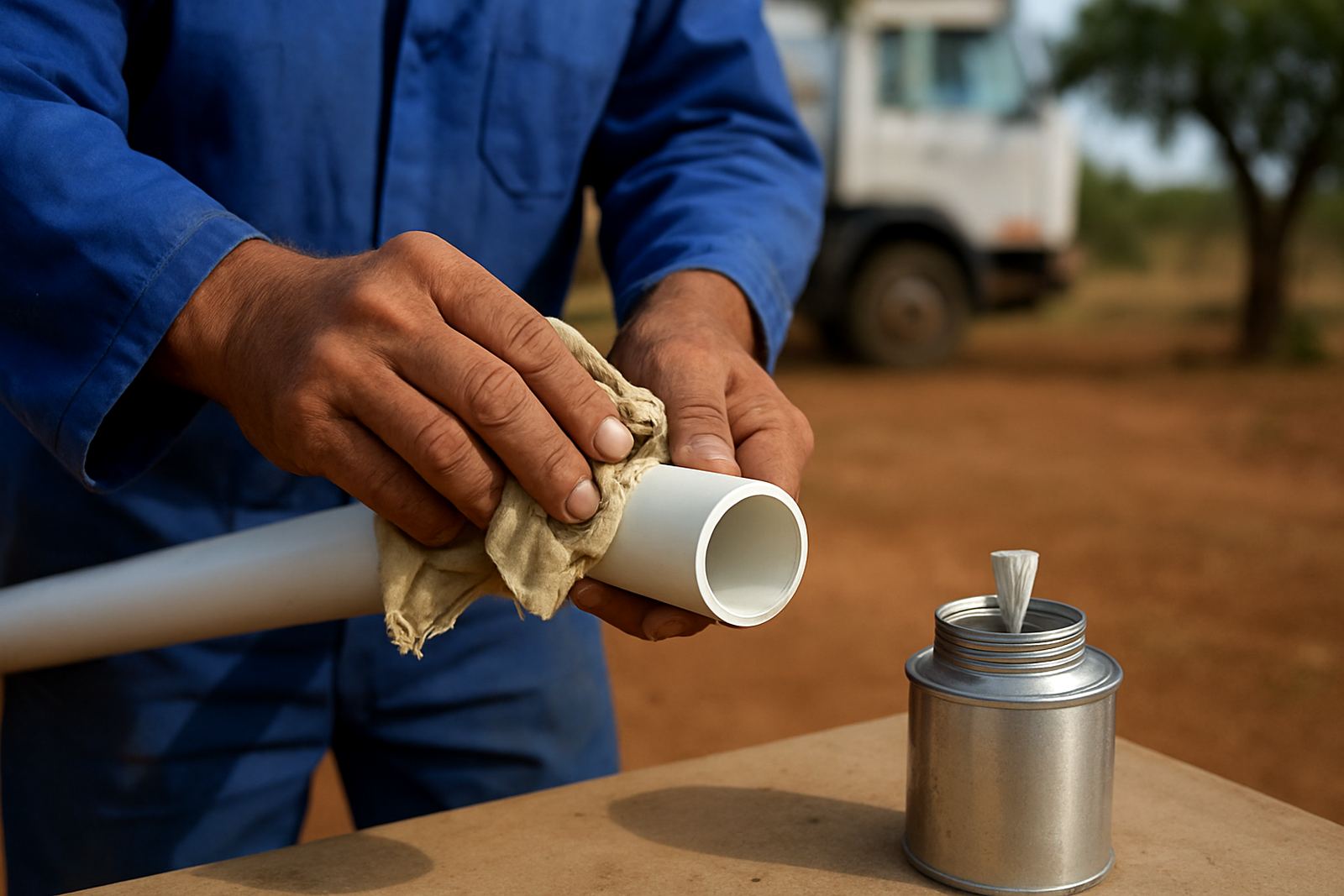
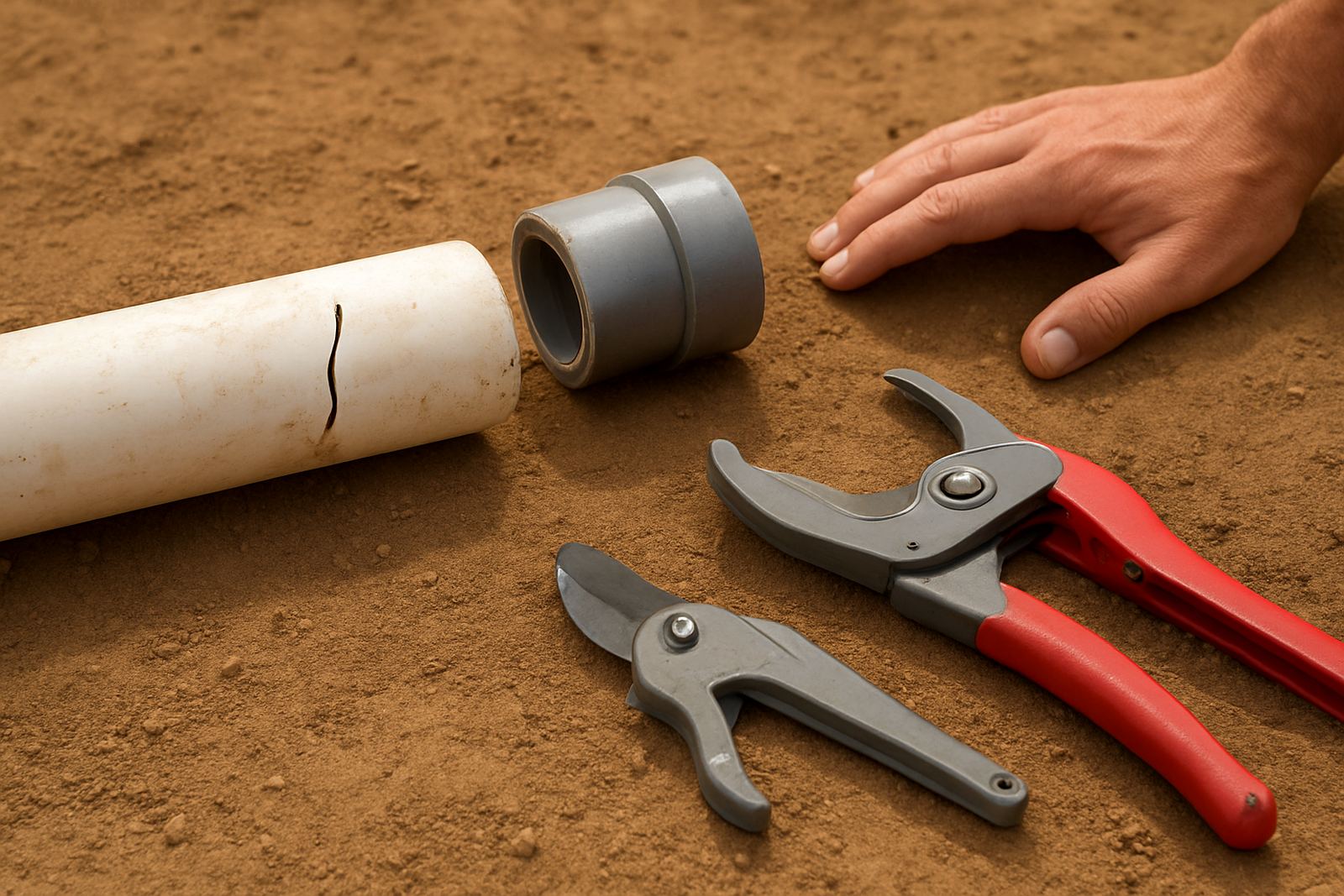
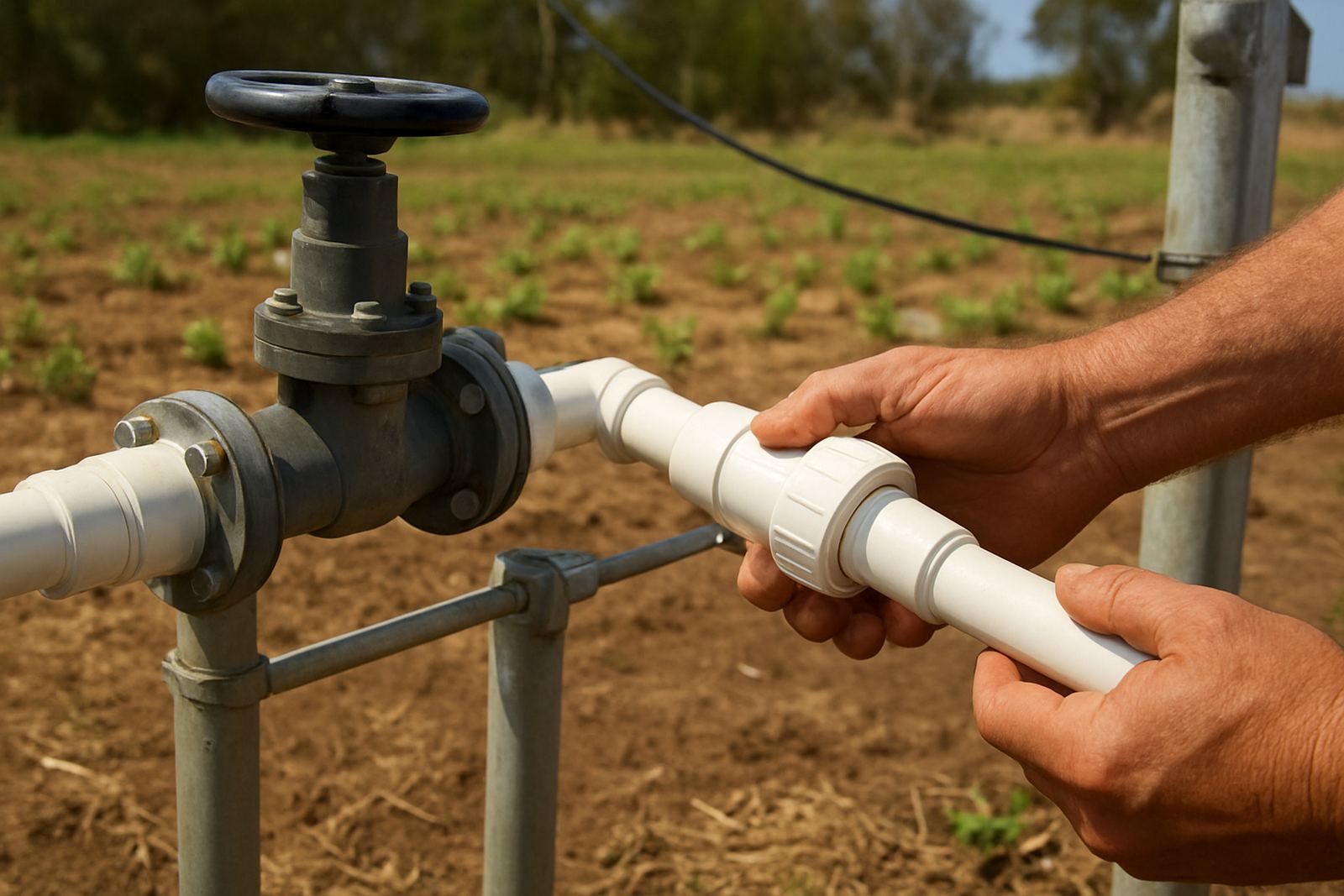
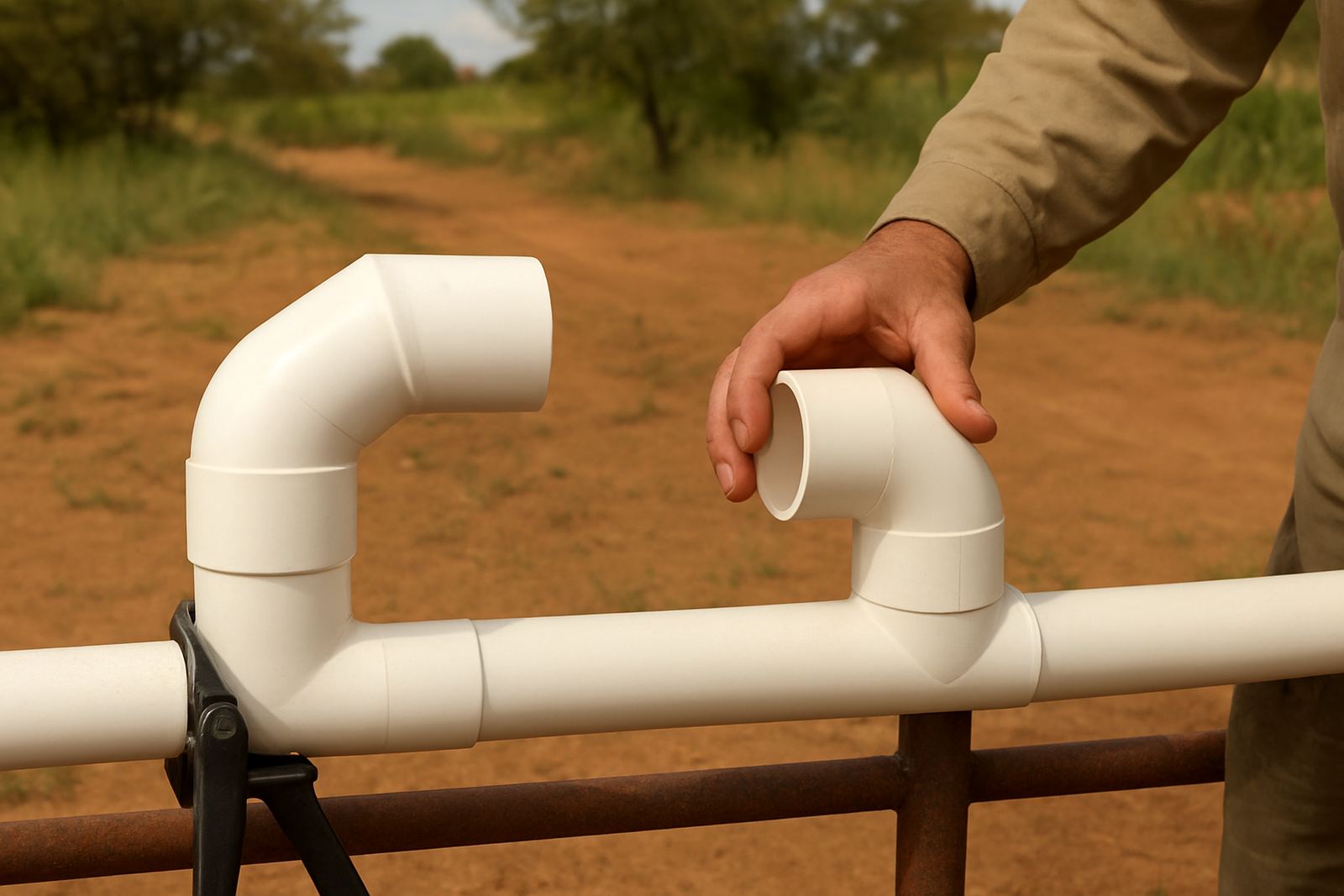
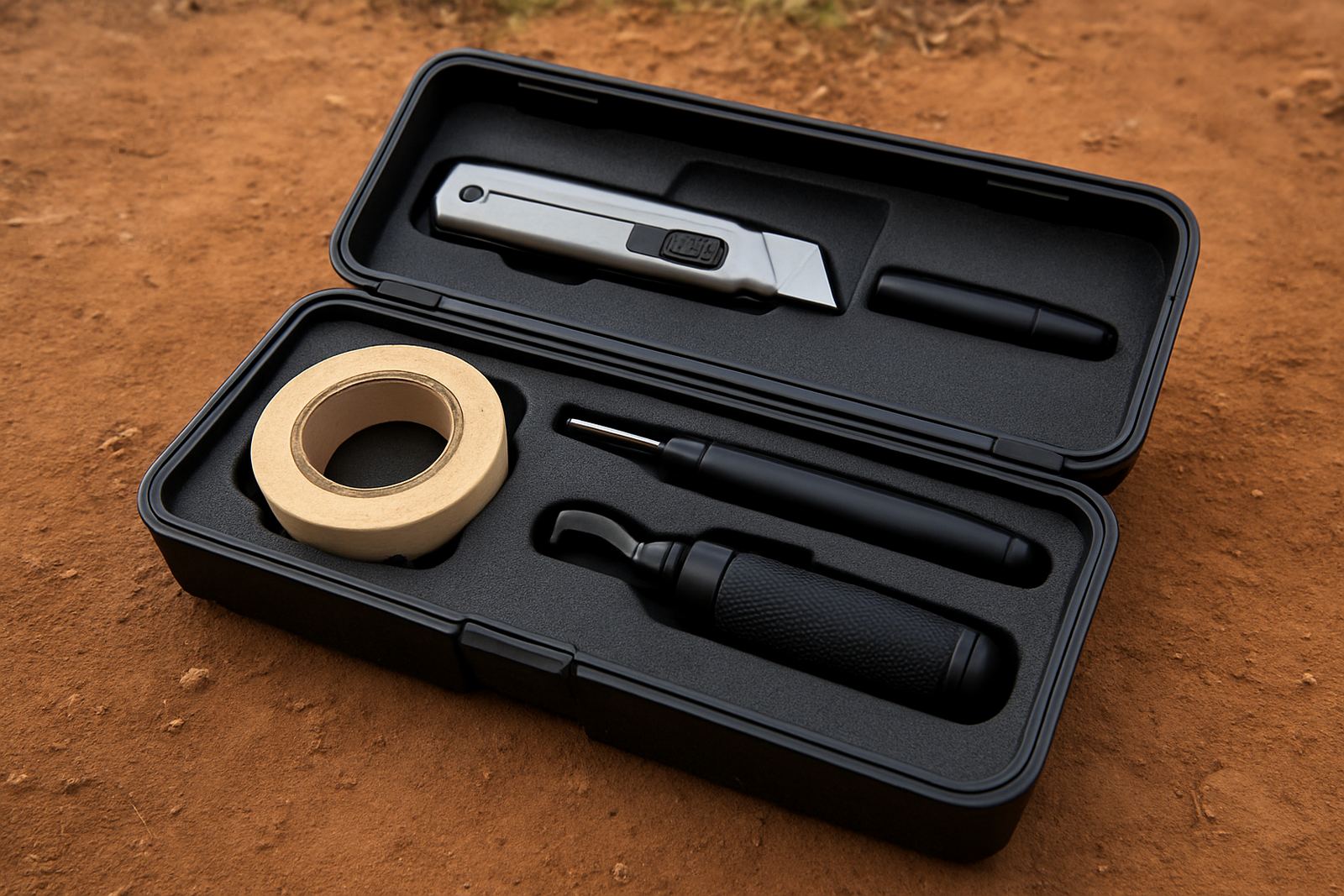
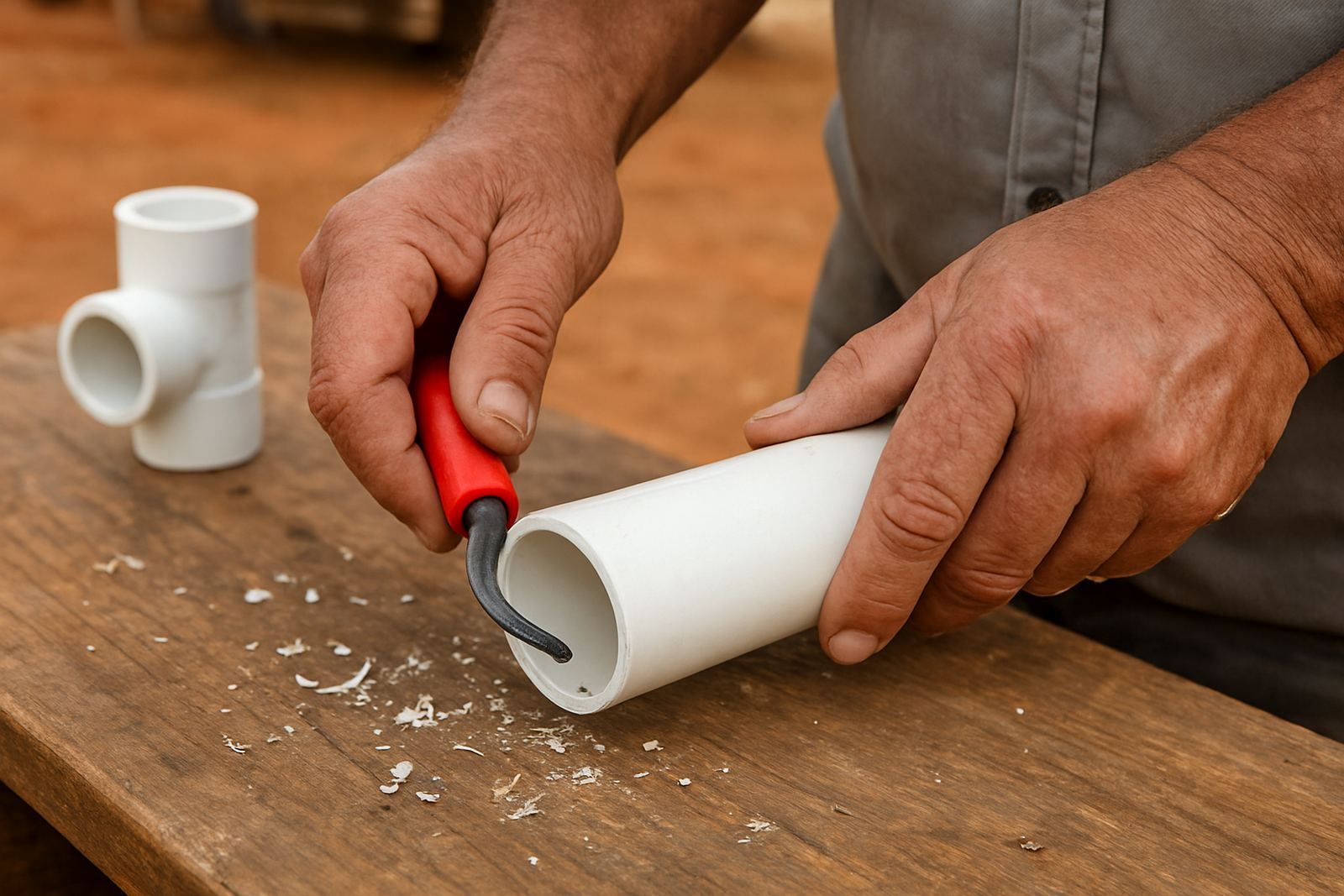
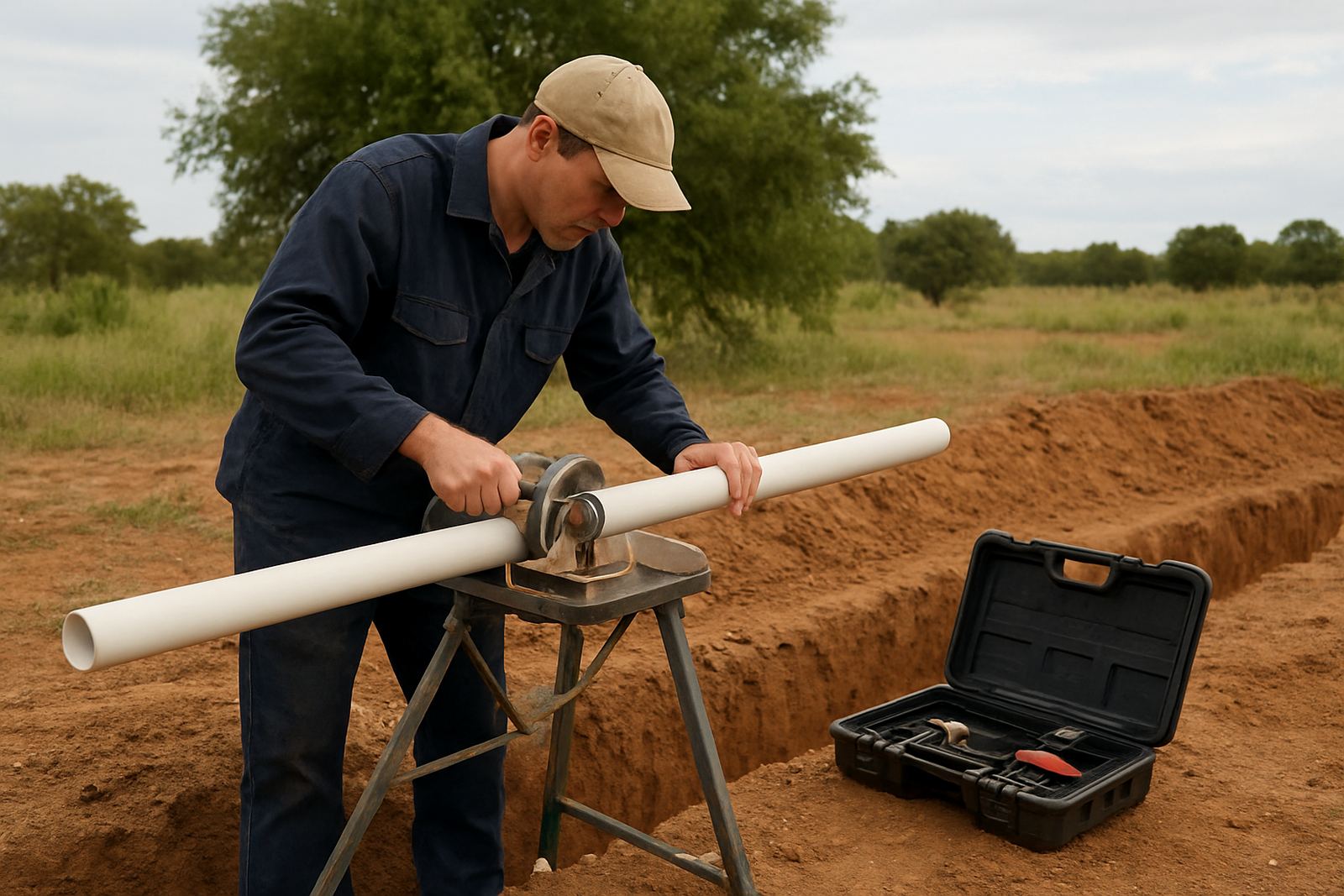
A sound solvent-weld joint starts with clean, square cuts and dry surfaces. Pipe ends should be cut properly, deburred, and checked for fit before any adhesive work begins. If the pipe is oval, dirty or damaged, the joint will be weaker no matter how good the fitting is. That may sound basic but it is where many site problems begin.
Use the right prep sequence and keep your tools close by so the work moves steadily, especially when the crew is under pressure and the sun is pushing up the temperature. On bigger jobs, one person should handle measuring and marking while another keeps the fittings sorted by size. This cuts down on mix ups and wasted parts.
- Check the pipe size and class before cutting
- Dry-fit the joint first so there are no surprises
- Keep the work area free of dust and sand
- Allow the recommended curing time before pressure testing
Planning Irrigation Jobs For South African Conditions
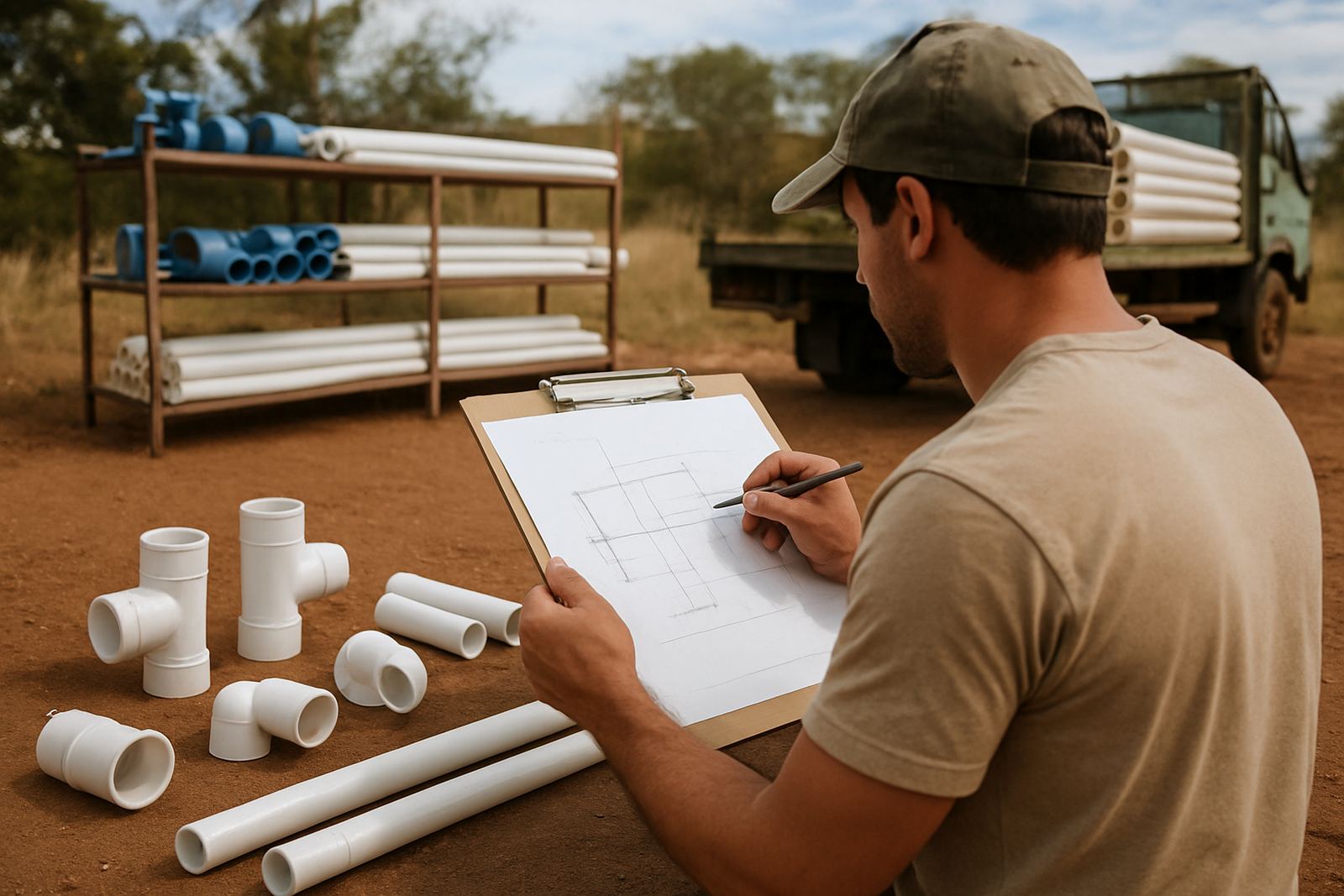
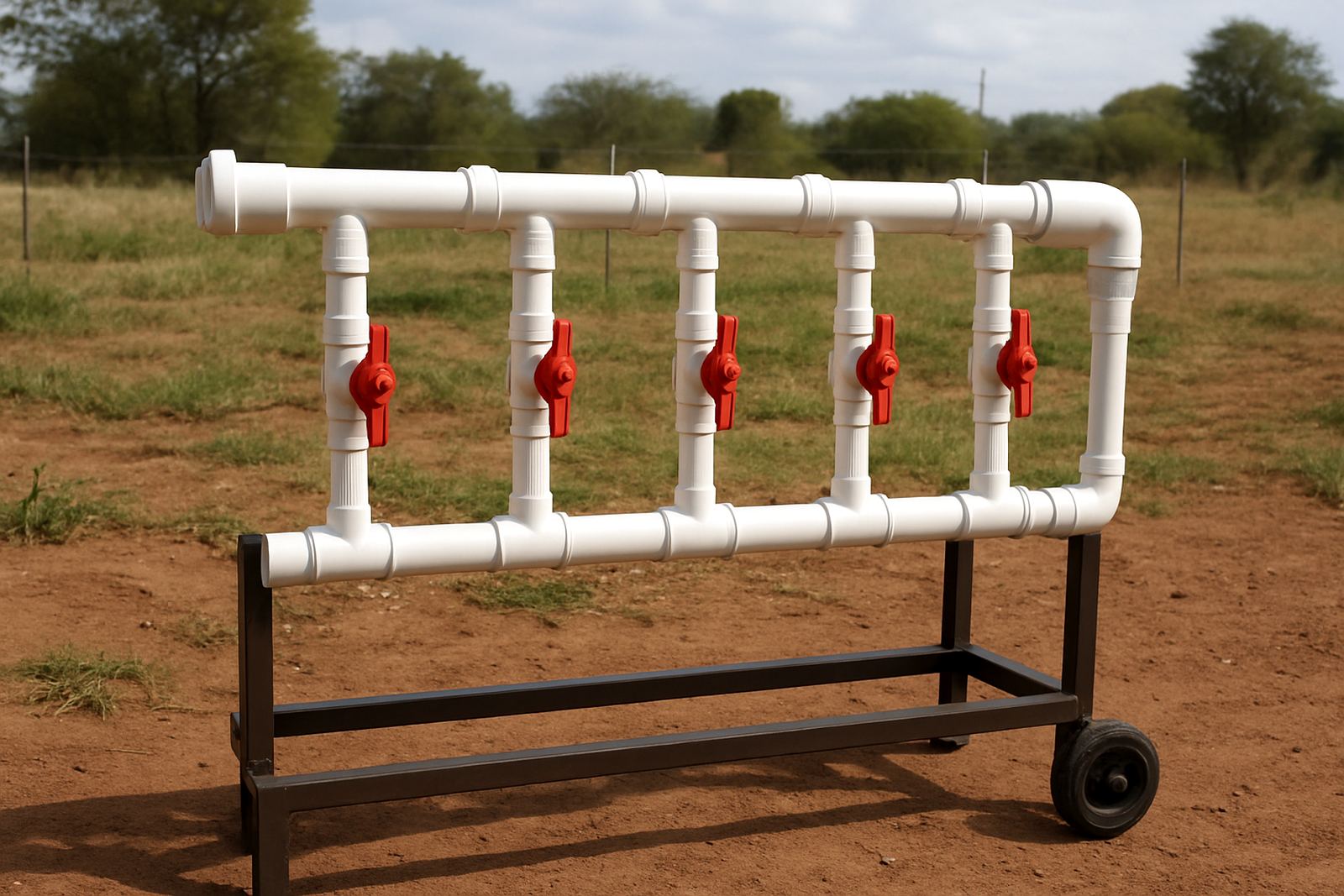
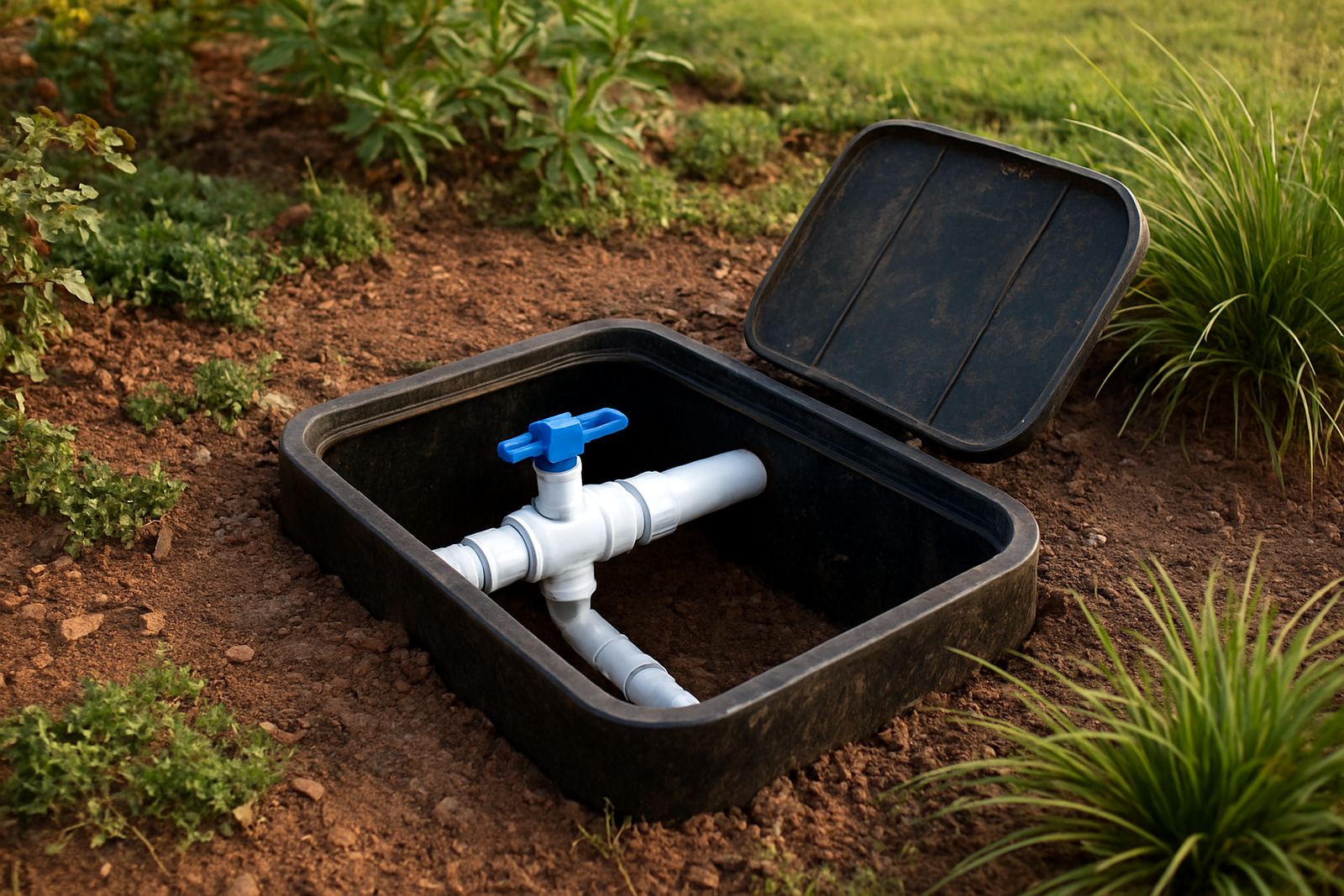
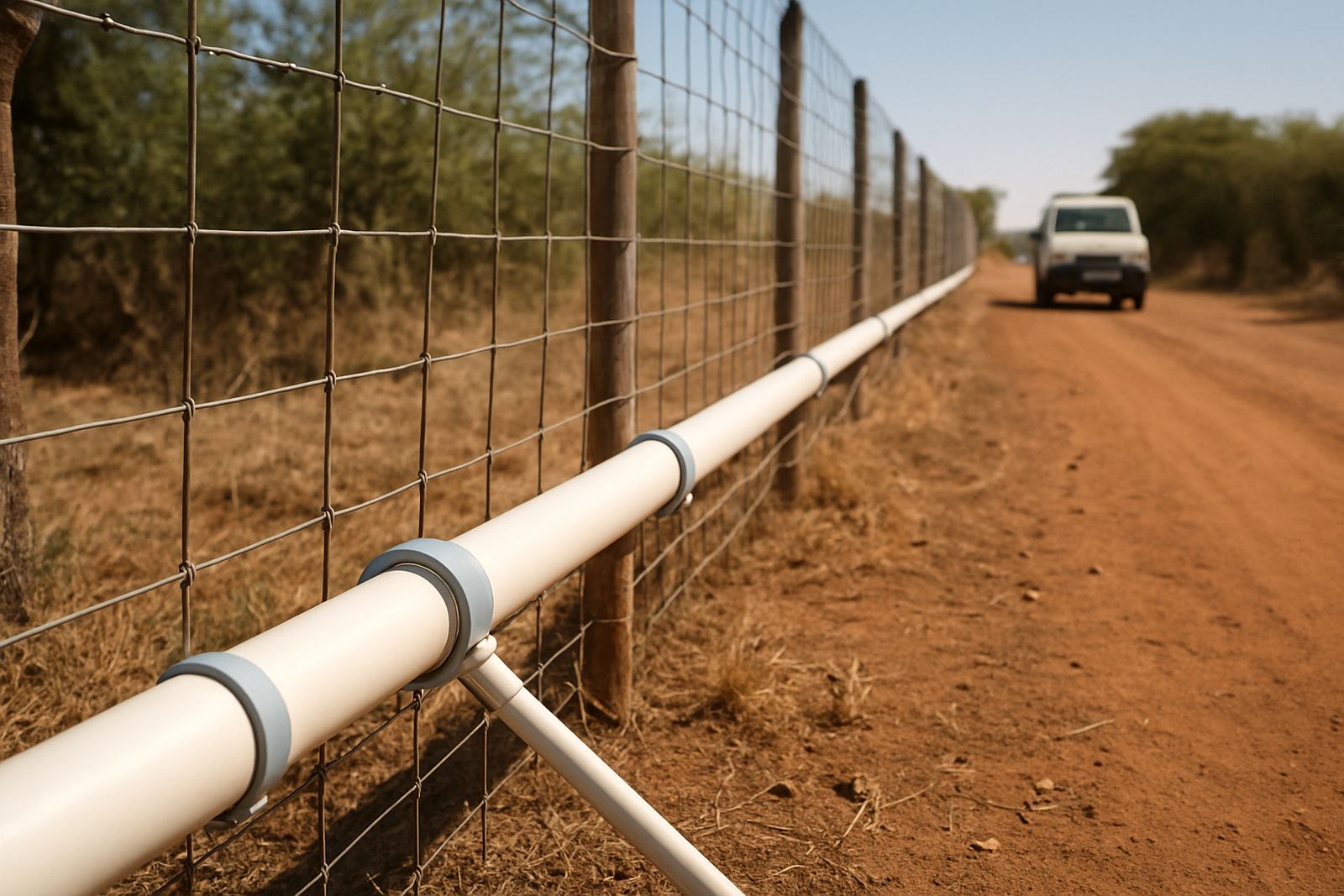
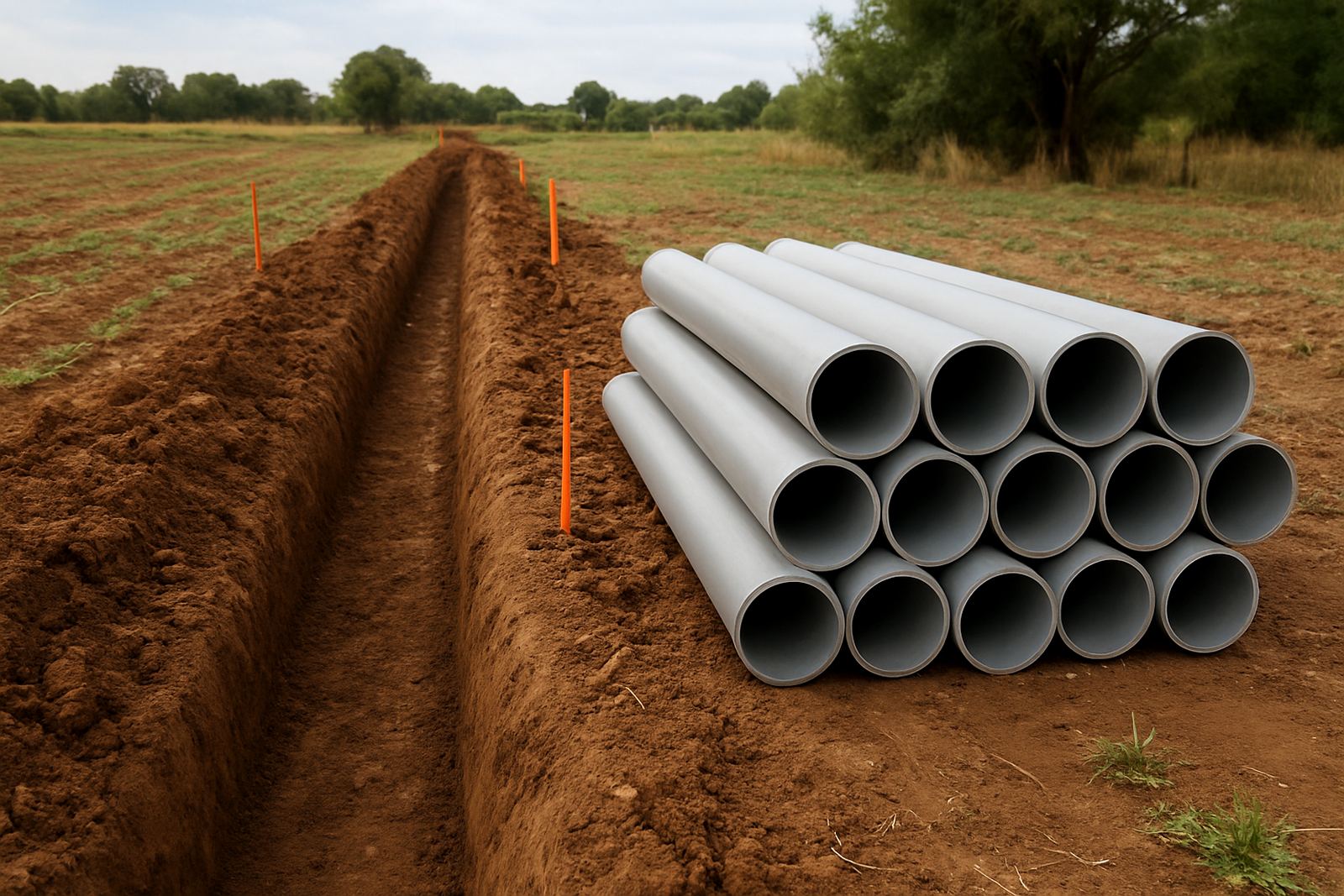
South African irrigation systems often need to deal with uneven water supply, load-shedding on pumping setups and long delivery distances between farms. Good planning means checking the full route, the number of bends, the location of valves and how the line will be drained or isolated when repairs are needed. A well planned line saves a lot of callbacks later.
For farms and landscape contractors, it also helps to plan around seasonal demand. During peak planting or dry months, jobs move faster when fittings, tools and jointing materials are reserved ahead of time. Our team supports repeat order planning, contractor accounts and stock reserving so project teams can keep moving without stopping for small missing parts. We see it every week in Polokwane, Mokopane, Tzaneen and further out, if the planning is tight the install goes smoother.
- Map the full run before ordering materials
- Allow extra fittings for repairs and site adjustments
- Keep spare joints and reducers for later maintenance
- Consider pressure changes across long or uneven terrain
Common Mistakes That Cost Time On Site
Many irrigation delays come from simple errors rather than major faults. A joint may be forced together too quickly, a pipe may be cut too short, or the wrong fitting may be used where a different size transition was needed. On a busy site, those mistakes can add an extra trip to town and a lot of frustration for the crew.
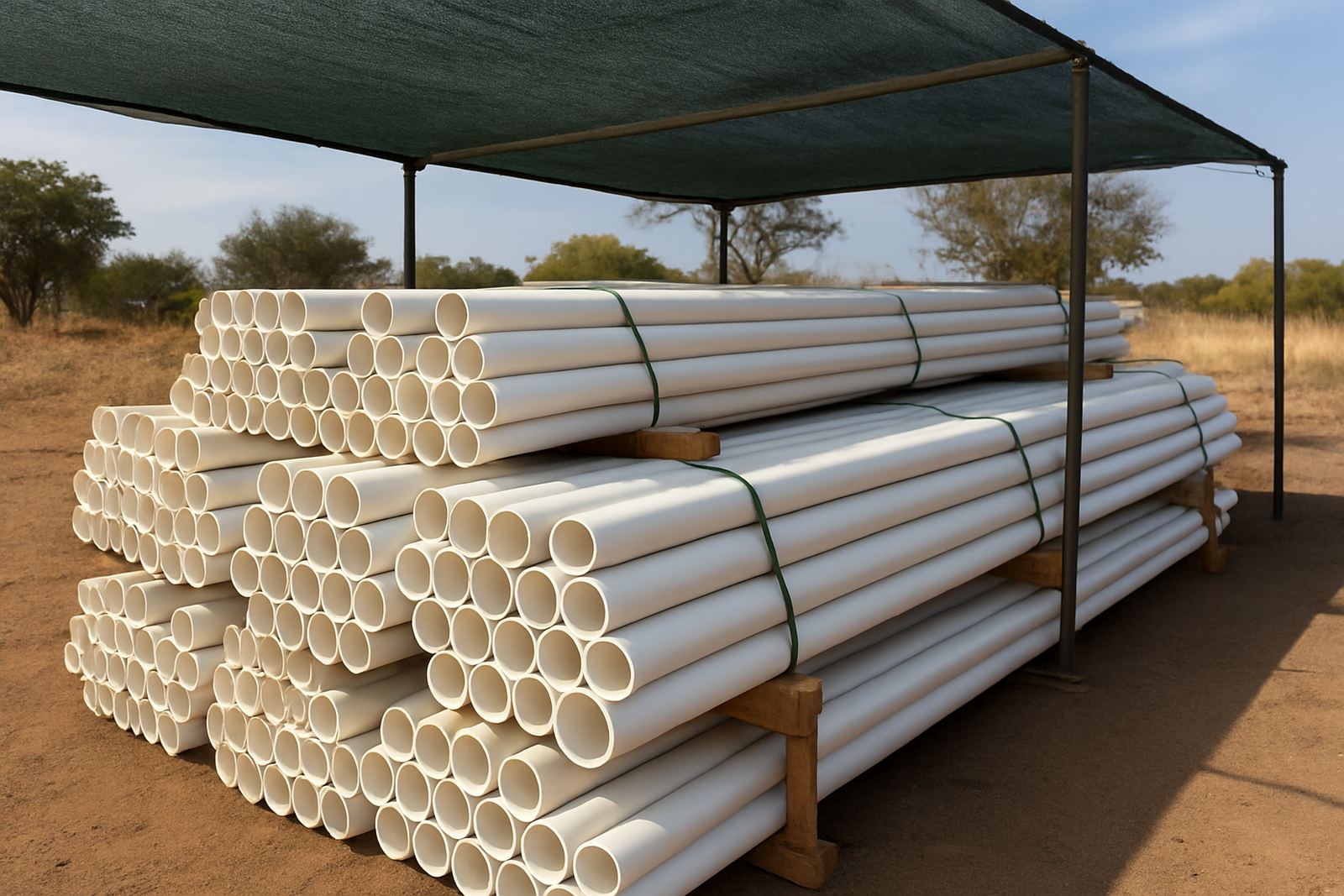
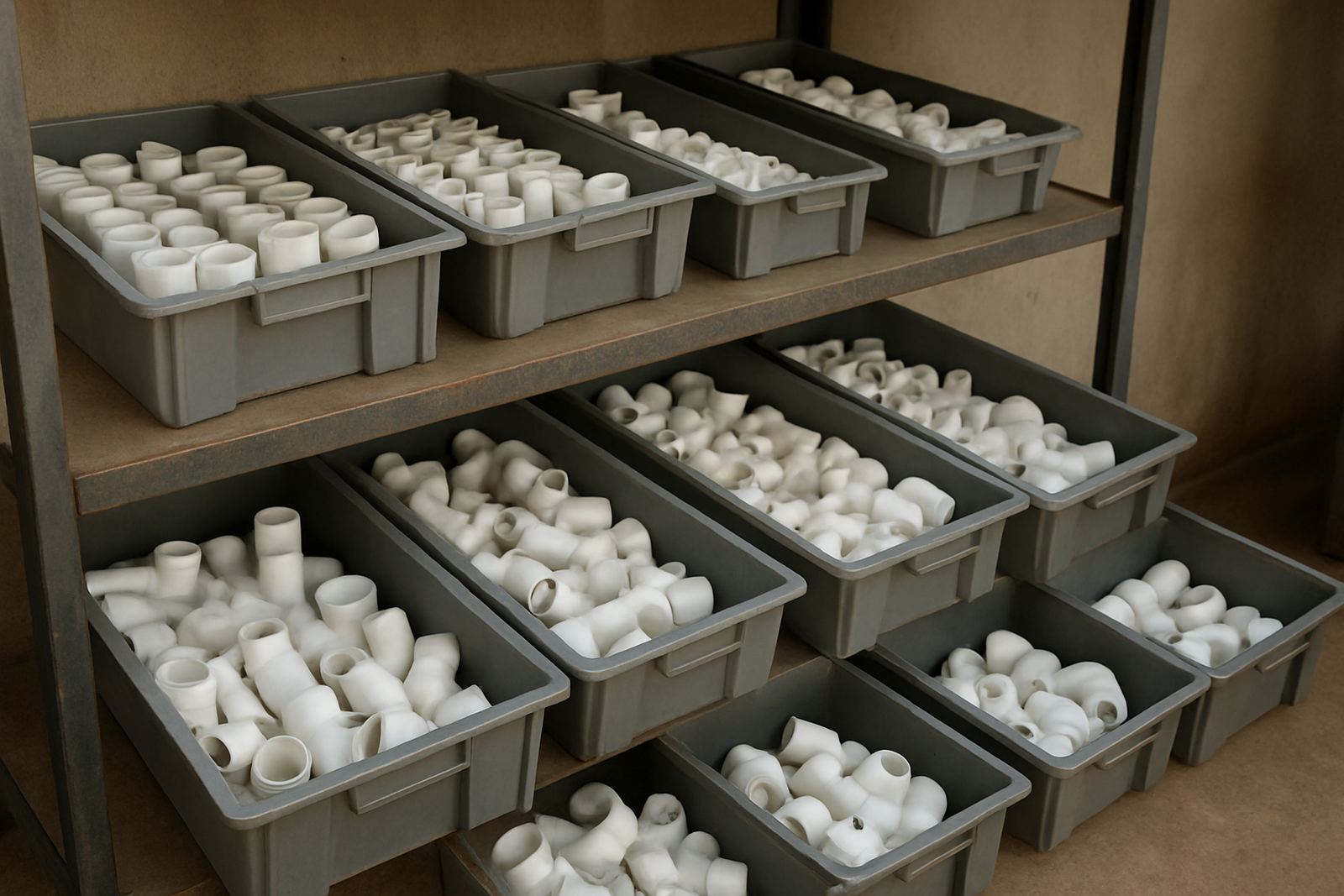
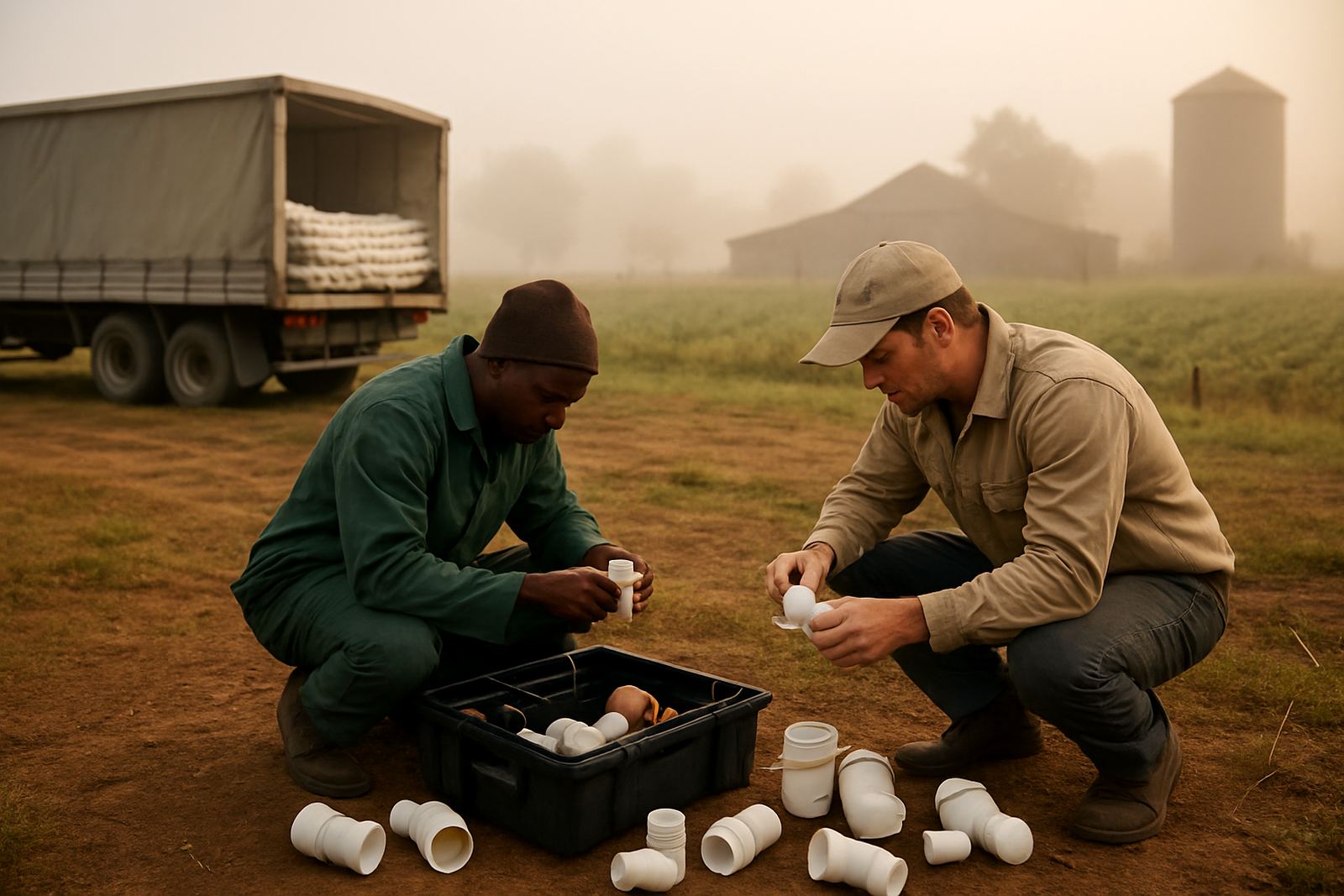
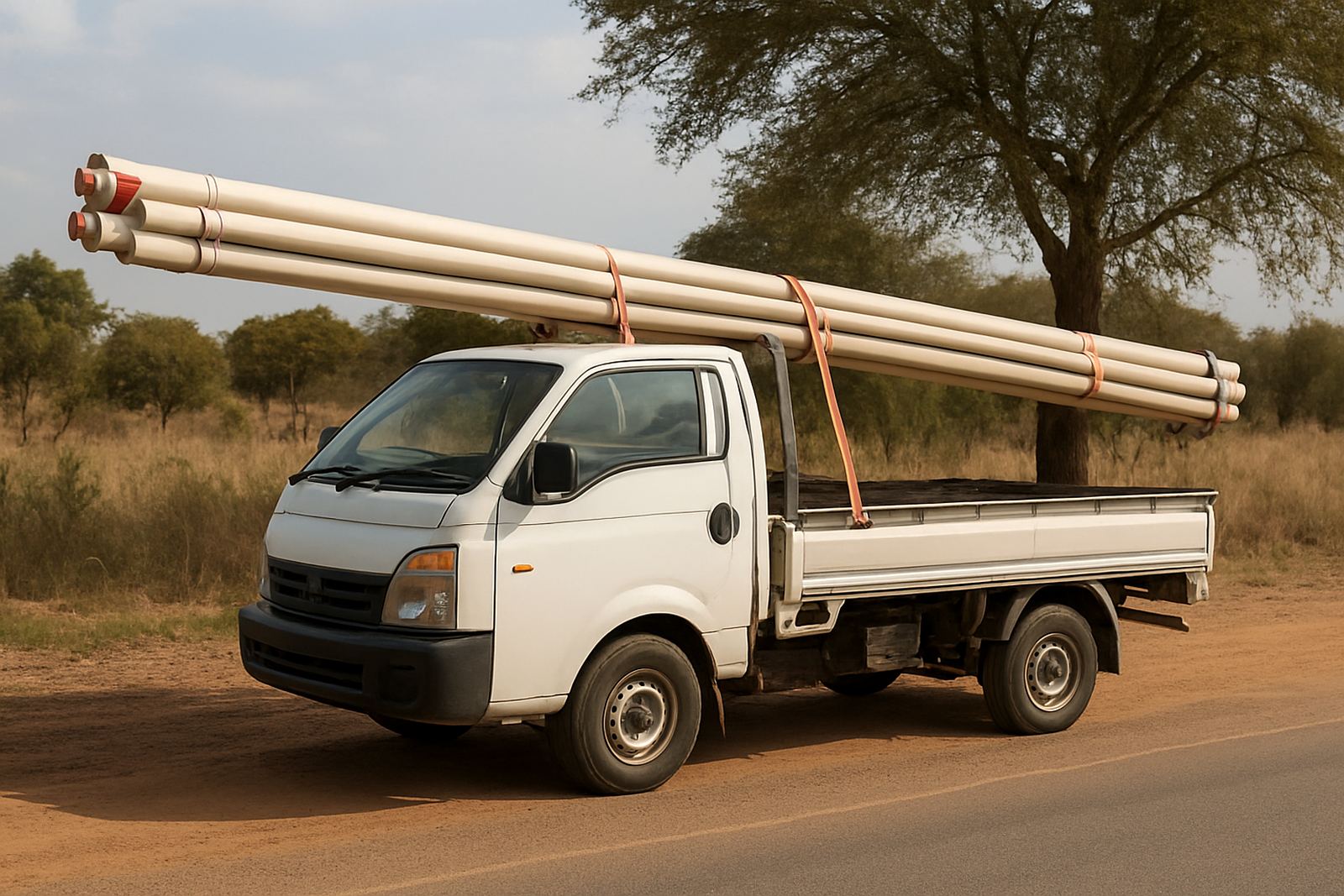
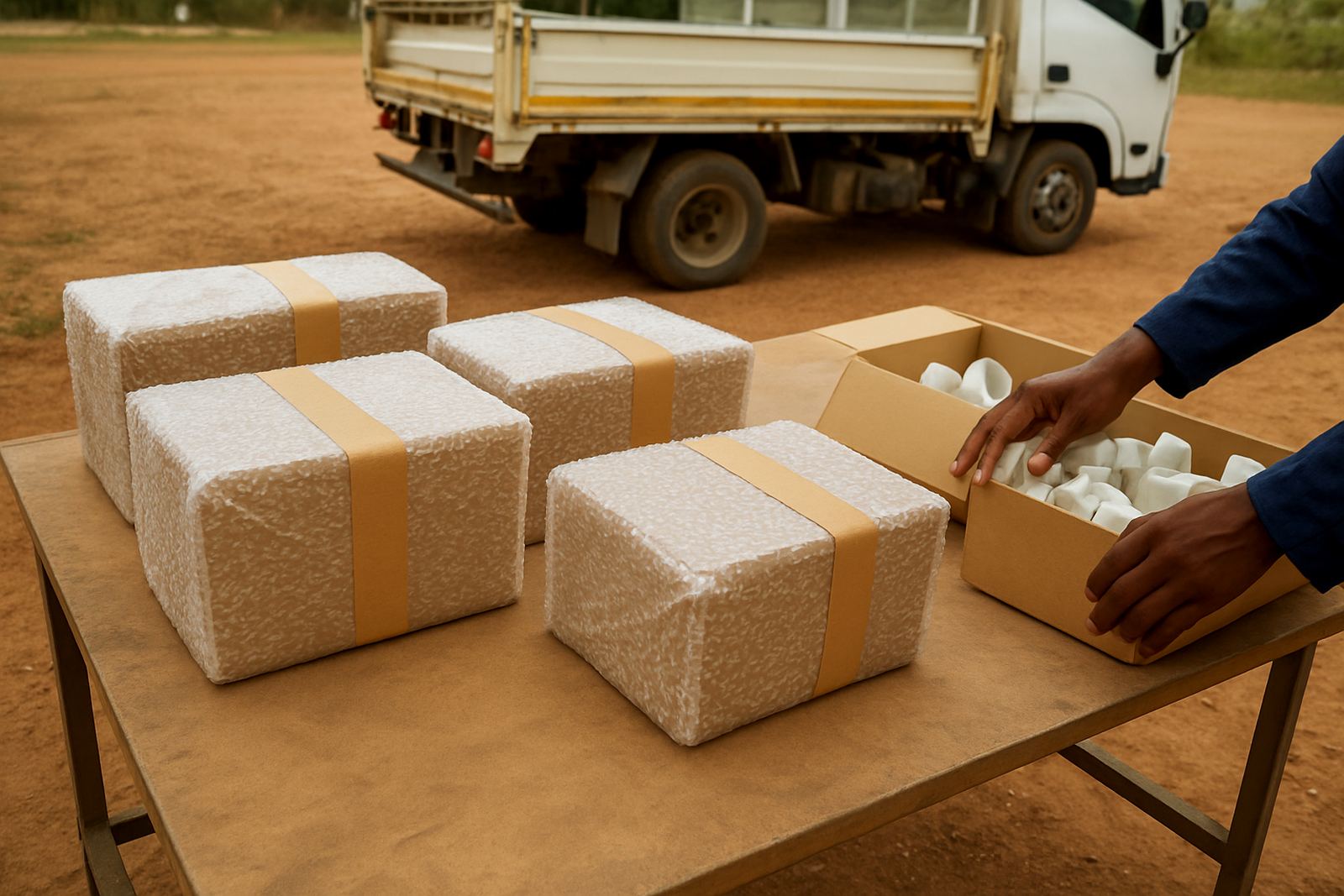
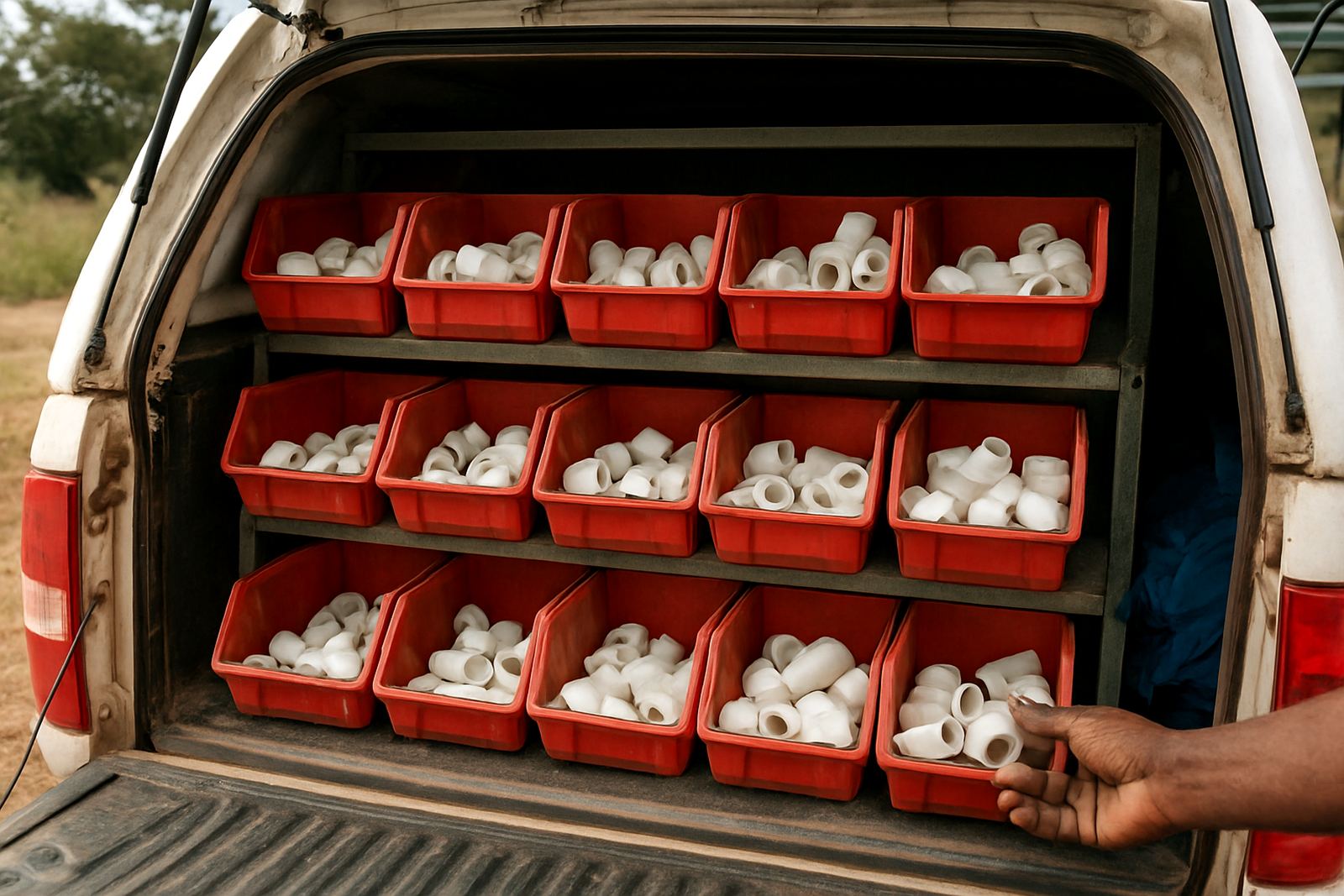
Another common issue is poor storage. Fittings left in direct sun, mud or dust can become hard to work with and may not seat properly. In trucks and sheds, keep stock sorted by size and type, and avoid leaving solvent materials in hot enclosed spaces. It sounds small, but one missing fitting or one damaged joint can stall a whole section of line for the day.
What Buyers Usually Ask Before Ordering
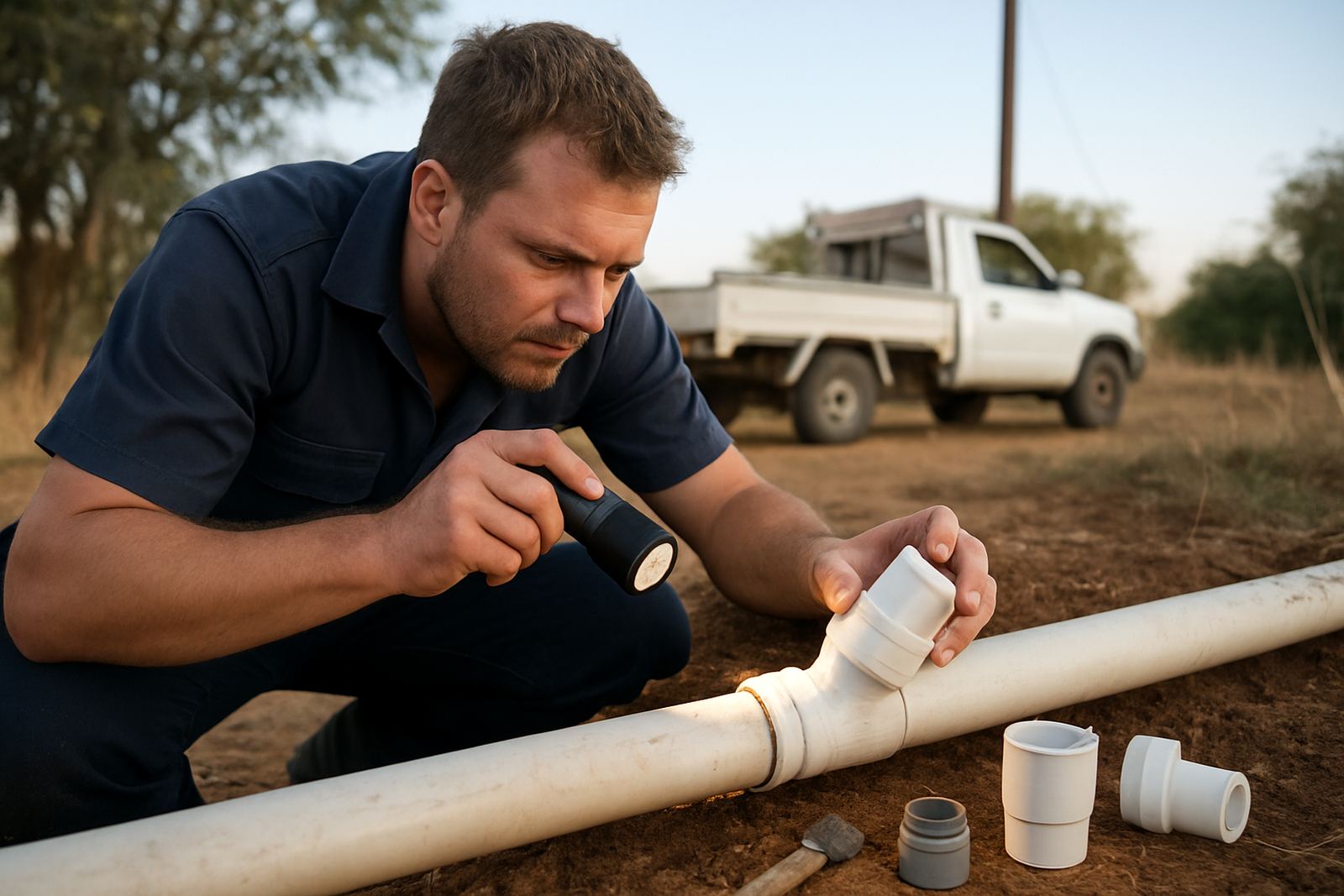
Before placing an order, buyers often want to know whether the fittings suit the pipe already on site, how many pieces are needed and whether the line will be easy to maintain later. That is where practical advice matters. The right answer depends on the pipe size, the layout and the working pressure, not just on the name of the part. A quick check now can save a lot later.
We also help with jointing advice and troubleshooting support after delivery, which is useful when a contractor is working across several fields or estates at once. For customers in Ladanna, the Polokwane supply area and delivery routes out to Hoedspruit, Lephalale and Thohoyandou, we can guide the order around the actual job rather than guesswork. It keeps the process simple and the stock list accurate.
Using Notes To Keep Maintenance Work Simple
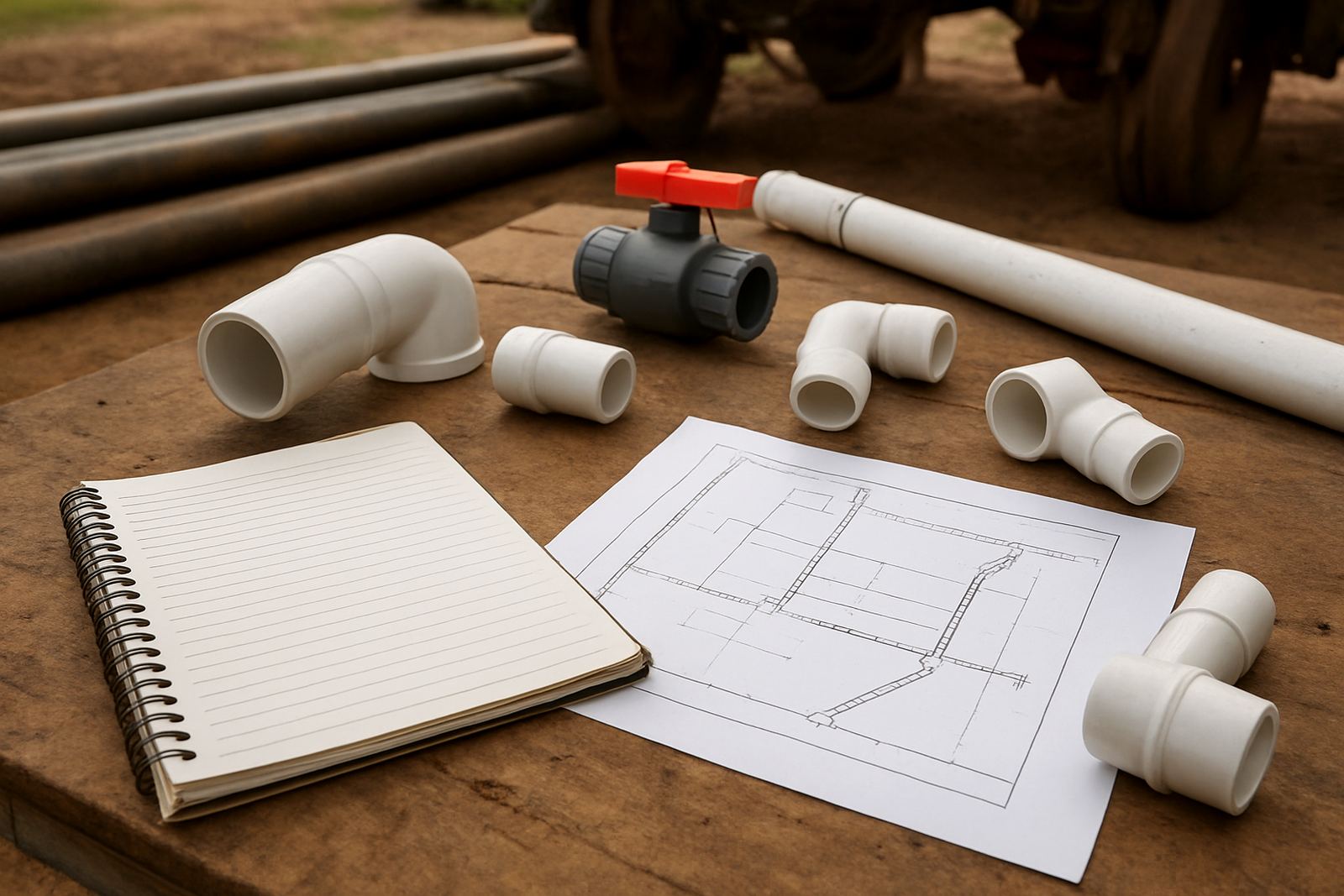
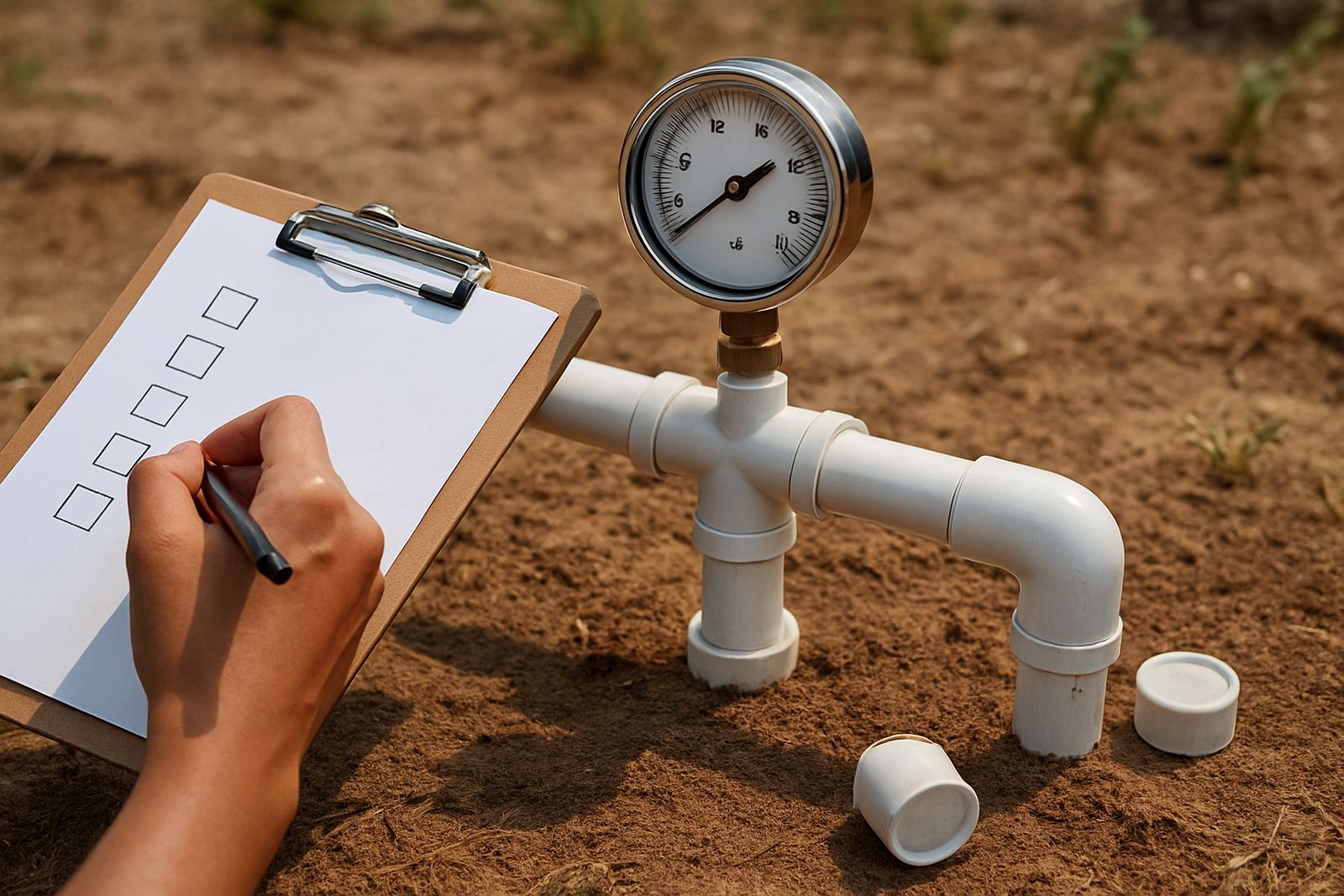
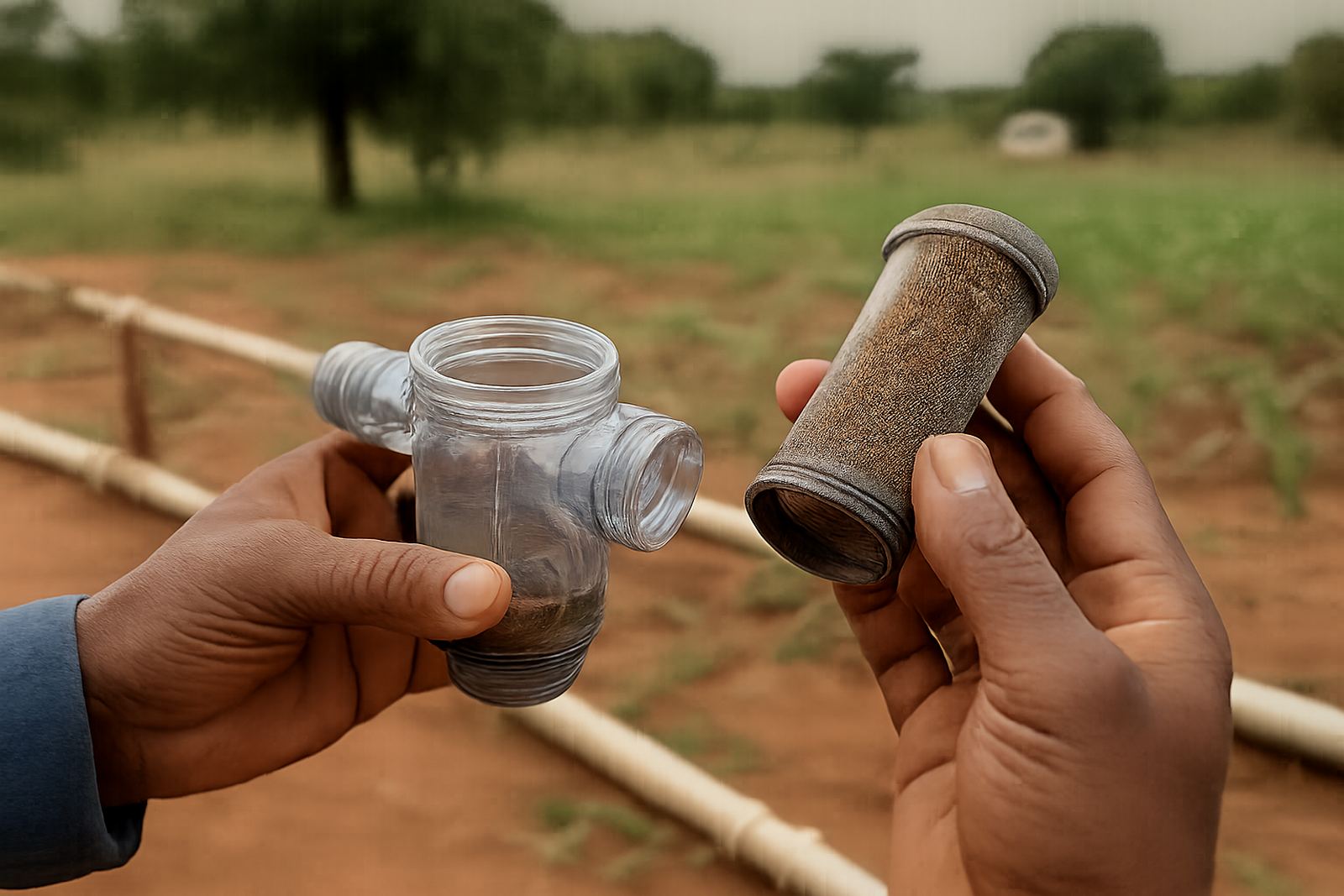
Good irrigation notes are not just for the first install. They also help maintenance teams know what was fitted, where the shut-off points sit and which sizes were used in the line. That makes repairs faster when a leak appears, a blockages is found, or a section needs replacing after field work. Clear notes also help when more than one contractor works on the same property over time.
Keep a record of fittings used, pipe runs, pressure points and any problem areas that have been repaired before. A neat record saves time during the next service visit and helps with stock planning for the next season. If you need help matching parts or checking quantities, our team in Polokwane can assist by region and order size, with courier dispatch nationwide.