Why bin order matters on a working irrigation counter
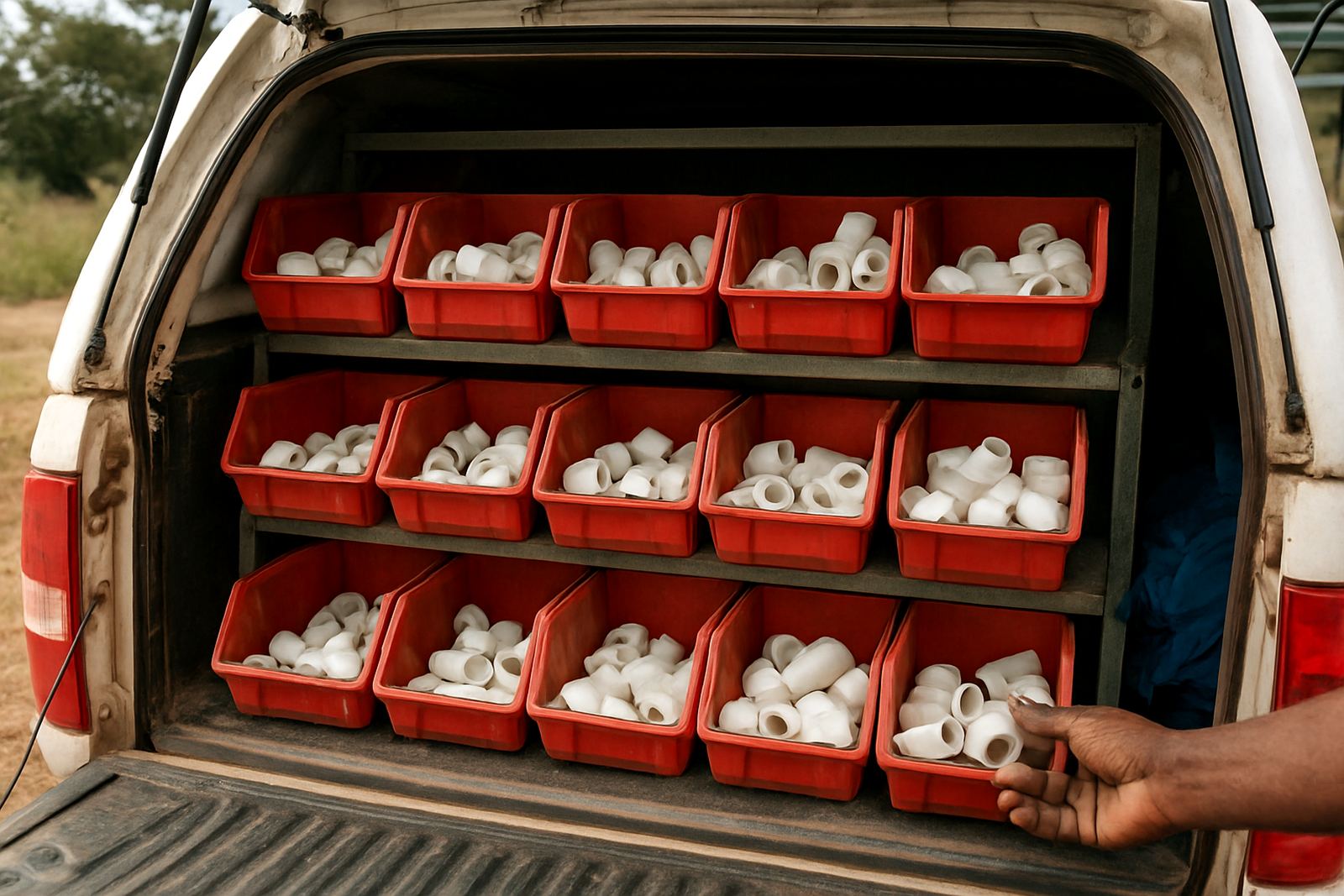
On irrigation jobs, bin organisation is not a nice-to-have. It cuts search time, reduces wrong picks, and keeps solvent-weld work moving when the crew is waiting at the trench or pump house. A fitting that is easy to find is also easier to count, reserve and replace, which helps when you are running repeat orders across farms in Limpopo.
Well-marked bins also protect stock from dirt, sun and rough handling. PVC fittings last better when they are kept clean and sorted by size, type and pressure class. That is especially useful in Ladanna and Polokwane where stock may be collected for same-day work, then trucked out to Mokopane, Tzaneen or further afield by courier.
Group fittings by job use, not only by size
If your bins are organised only by diameter, the counter still gets messy fast. A better system is to group fittings by what they actually do in the field. Keep elbows together, tees together, couplers together and reducers in their own section. Then split them again by size so the fitter does not have to sort through every 50 mm item to find one 63 mm reducer, which saves time when pressure is on.
- Mainline fittings for long runs and pump connections
- Branch-line fittings for blocks, laterals and take-offs
- Repair fittings for quick fixes and breakages
- Valves, unions and threaded adaptors in separate marked bins
- Tools and consumables kept apart from fittings
This method also helps when staff are covering more than one order at a time. One tray can be packed for a contractor in Hoedspruit while another is kept ready for a farm order heading to Lephalale. It keeps the right parts together and avoids mix-ups.
Label bins so the crew can work without guessing
Clear labels are worth more than fancy storage. Every bin should show the fitting name, size, pressure rating if needed, and any threaded side or solvent-weld detail. If the bin holds special items such as reducers or adaptors, add a short note like male, female, or slip fit. It sounds basic, but a simple label can stop the wrong box going out with a pickup order.
Use large writing that can be read in a rush. In busy yards, small tags get ignored or torn off. Plastic label holders work well because they handle dust and moisture better than paper. In the Lowveld and other humid areas, labels can curl or fade fast if they are not protected, so take that into account from the start.
- Use one naming style across all bins
- Keep size numbers in the same place on every label
- Mark special stock as reserved or low
- Separate retail pick bins from bulk stock bins
Store solvent-weld fittings away from heat, dust and crush damage
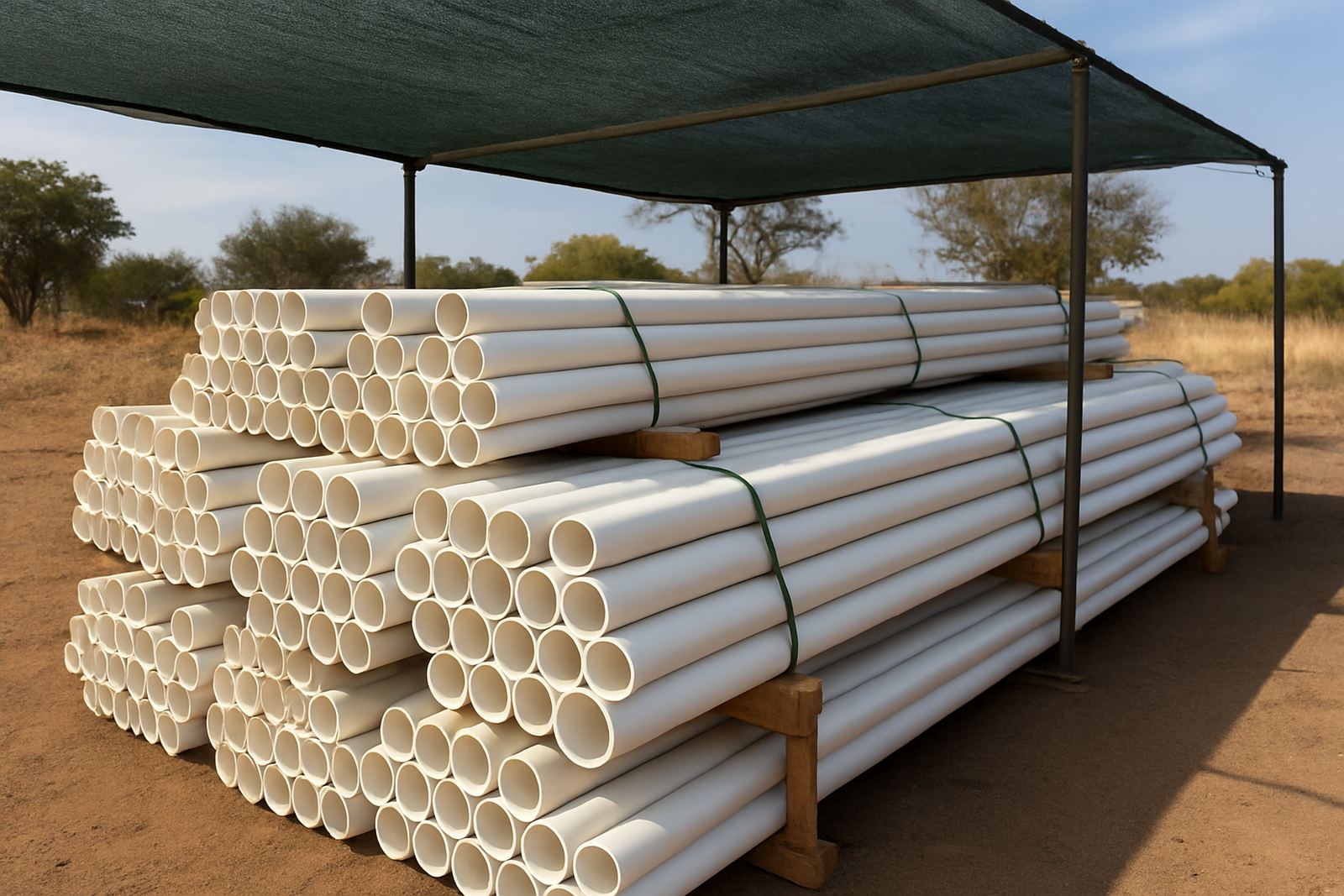
PVC fittings are tough, but they still need proper storage. Stack bins so heavier items do not sit on top of lighter fittings. Keep them off the floor where possible to avoid water, mud and damage from forklifts or loose tools. In open yards, sunlight and heat can make stock uncomfortable to handle and can shorten the life of packaging, so shaded storage is a practical choice.
Where dust is heavy, use lidded tubs or covered shelving for smaller fittings. This matters on farm sites and contractor depots, because grit in a fitting is a problem before the glue even comes out. Clean stock means fewer call-backs and better joints, especially on systems that need to hold pressure through hot afternoons and early morning starts.
A tidy store also helps with stock control. If a bin is clearly marked and filled to the same level each time, it is easier to spot shortages before an order is due out. That means fewer surprises and fewer emergency runs after hours.
Build bins around the way your orders move
Good bin organisation should match your real order patterns. If most calls are for 20 mm, 25 mm and 32 mm irrigation fittings, keep those bins closest to the packing point. Put slower-moving sizes further back. This simple layout cuts walking time and makes stock checking quicker when a branch order comes in from Thohoyandou or a courier consignment needs to be packed in a hurry.
It also helps to keep reserve stock separate from daily pick stock. That way the team can refill the front bins before the last pack is taken. On busy weeks, this avoids the common problem of a bin looking full from the front but running empty at the back. A little planning prevents a lot of chasing around.
- Front bins for daily picking
- Back stock for replenishing
- Reserve shelf for contractor or farm allocations
- Clear space for returns and checks
A Limpopo example: from Ladanna to the farm gate
Take a mixed irrigation order leaving Ladanna for a farm outside Polokwane. The job needs a mix of solvent-weld elbows, tees, reducers and a few threaded pieces for equipment changes near the pump. If the bins are organised well, the packer can pull the correct parts in minutes, confirm quantities, and set aside any repeat items for the next block of work. That matters when the truck has a loading window and the contractor needs to start before the heat builds up.
The same logic works for regional deliveries to Mokopane, Tzaneen and Hoedspruit, where orders often need to be accurate first time. A well-run bin system supports more than storage. It supports stock reserving, quantity checks, troubleshooting help and repeat order support. In practice, that means fewer mistakes, quicker turnaround and less wasted time on the farm or site. A good system wont remove pressure completely, but it does make the day manageable.
Keep the bin system simple enough to maintain
The best layout is the one your team will keep using. If labels are too complicated or bins are placed too far apart, people will soon start putting parts wherever there is space. Keep the layout logical, with one place for each fitting family and one rule for where returned stock goes. Train new staff to follow the same order from the first day and recheck the bins at the end of each week.
For businesses that work across Limpopo and beyond, consistency matters even more. When the same fitting is packed the same way every time, clients get better service and the store stays under control. It is a small system, but it saves time every single day.