

Choose fittings for the way the system actually runs
Irrigation systems do not all work the same way. A small landscape line in town, a citrus block outside Tzaneen and a long run on a farm near Lephalale can all need different fittings, jointing methods and support tools. The safest choice is to match the fitting to the pipe size, working pressure and the amount of movement or sunlight the line will face.
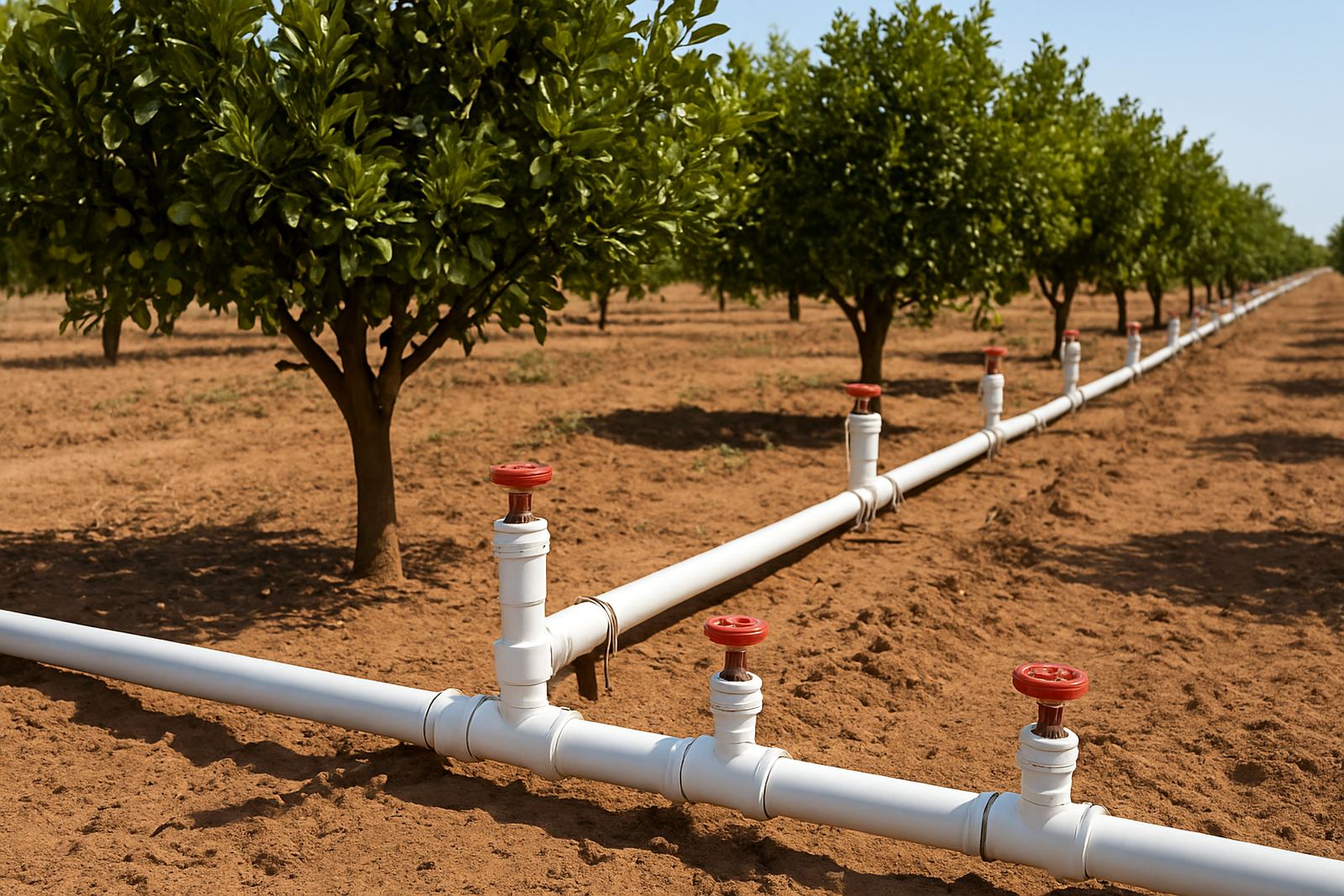
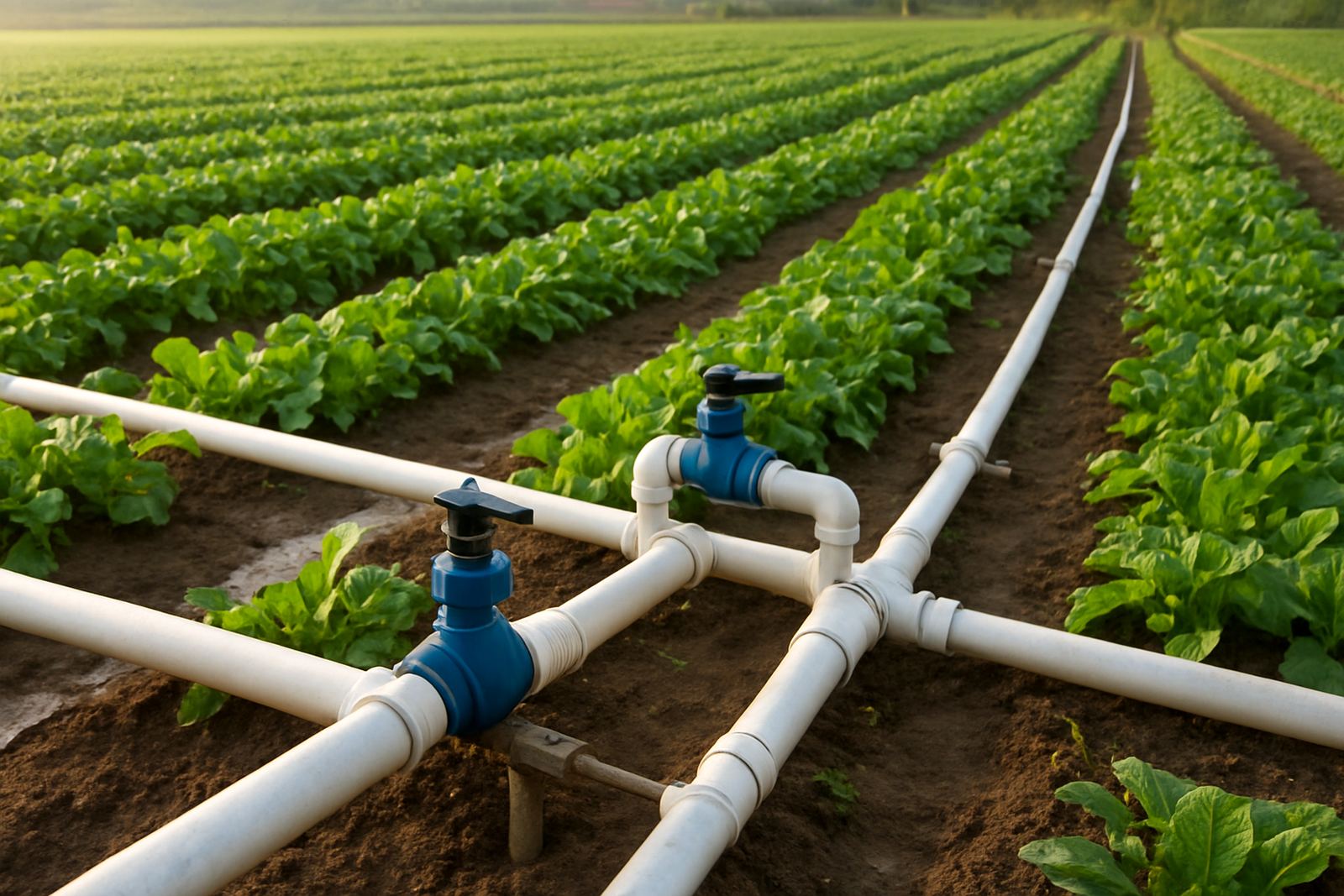
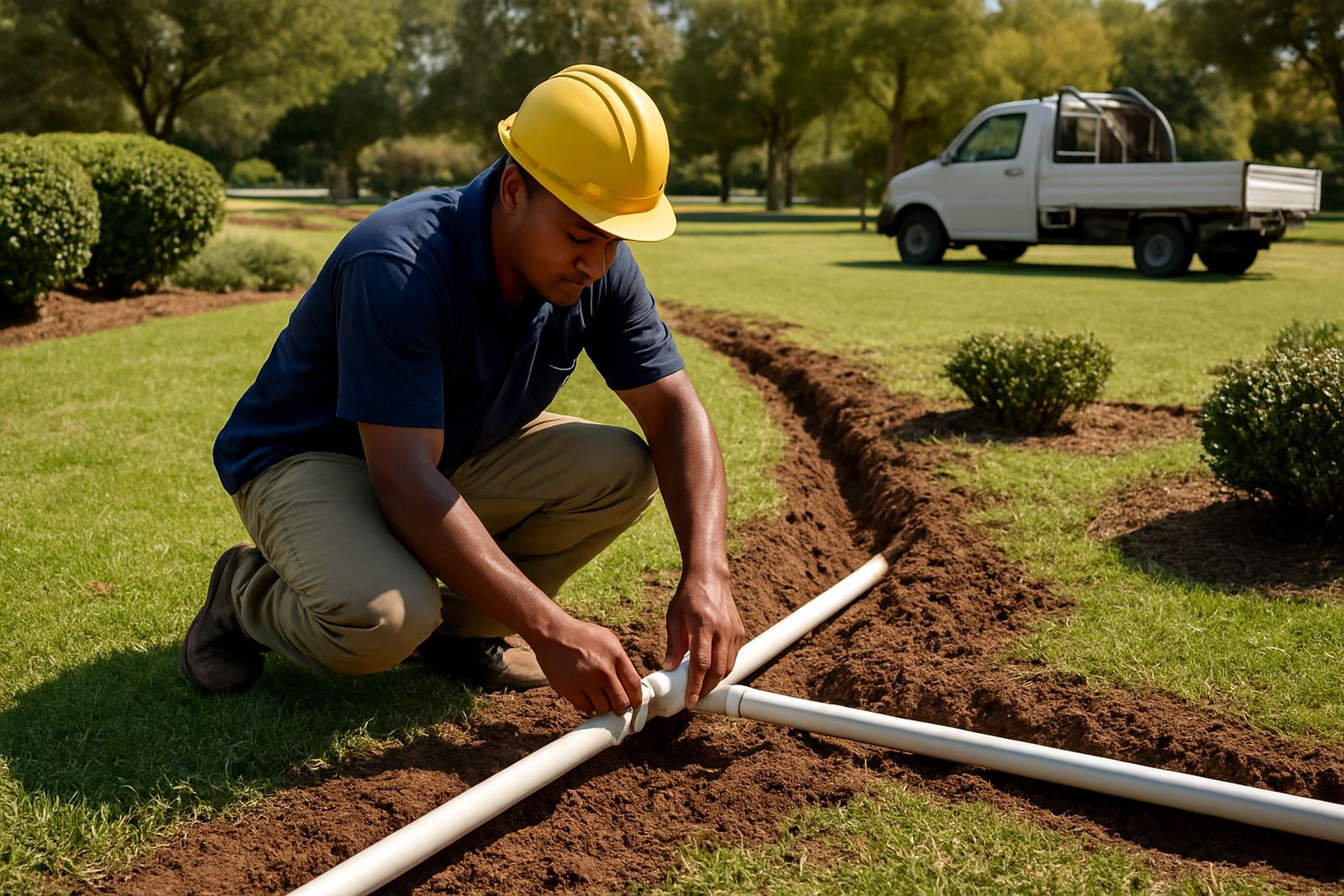
Solvent-weld fittings are often chosen because they give a neat, firm joint when the pipe is cut properly and cleaned before assembly. That matters on systems that run often, where leaks waste water and pressure loss affects coverage. For higher demand systems, it also helps to plan the line with enough connectors, bends and take-offs so the pipe is not forced into awkward angles.
- Match the fitting to pipe diameter and pressure class
- Check whether the line is permanent, seasonal or easy to service
- Allow for sun exposure, foot traffic and tractor movement
- Plan the jointing method before buying in bulk
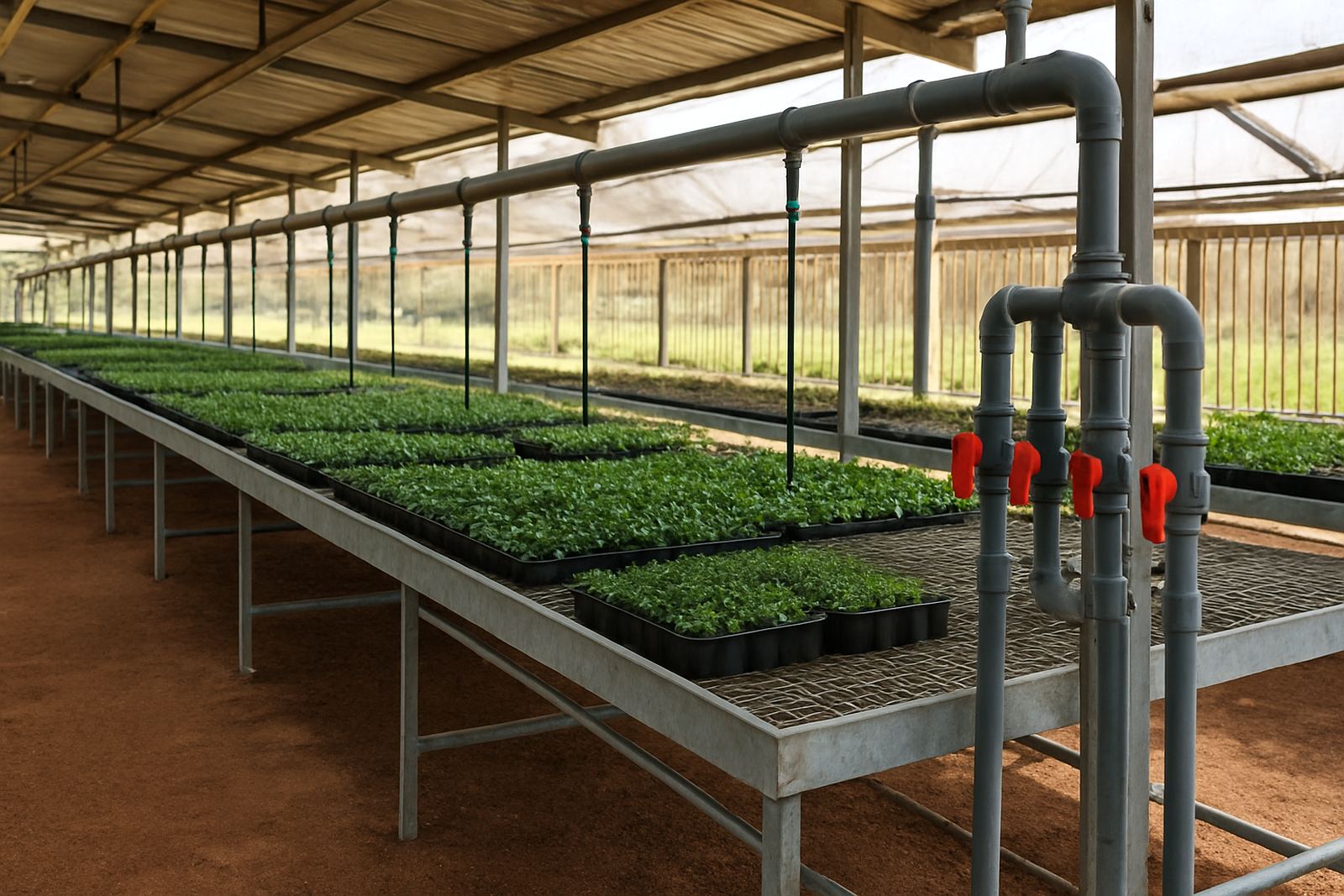
Farm irrigation needs strong planning from the start
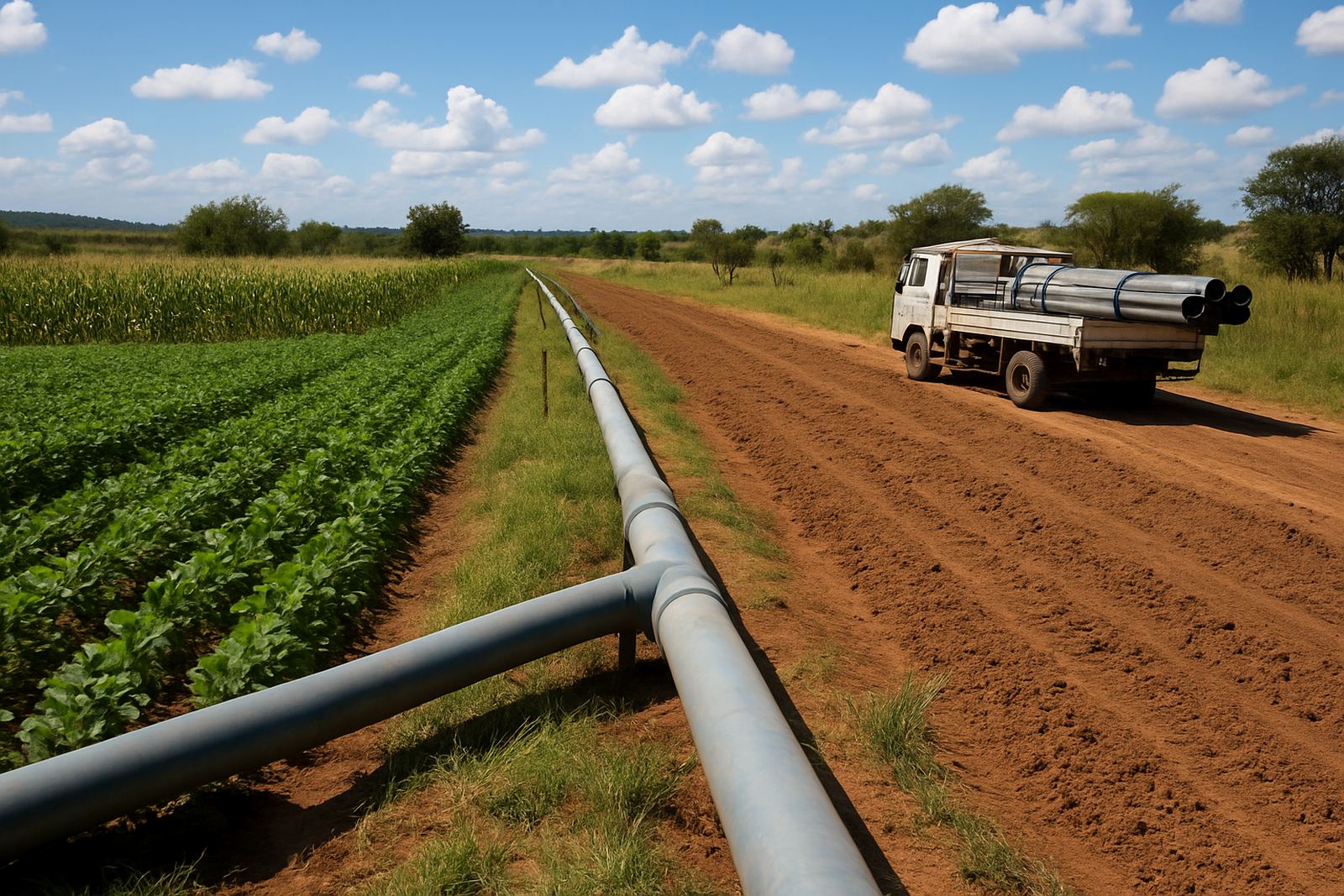
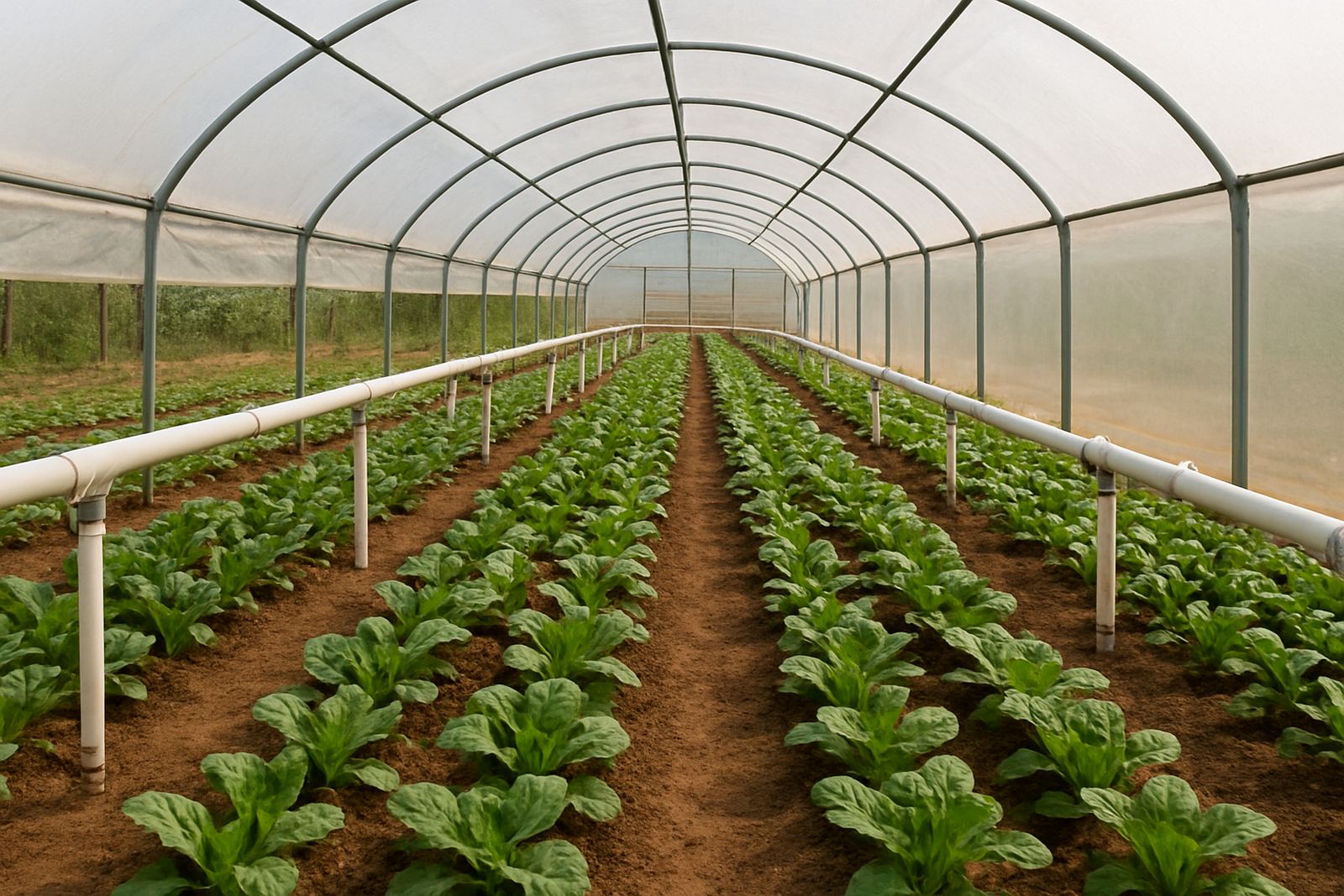
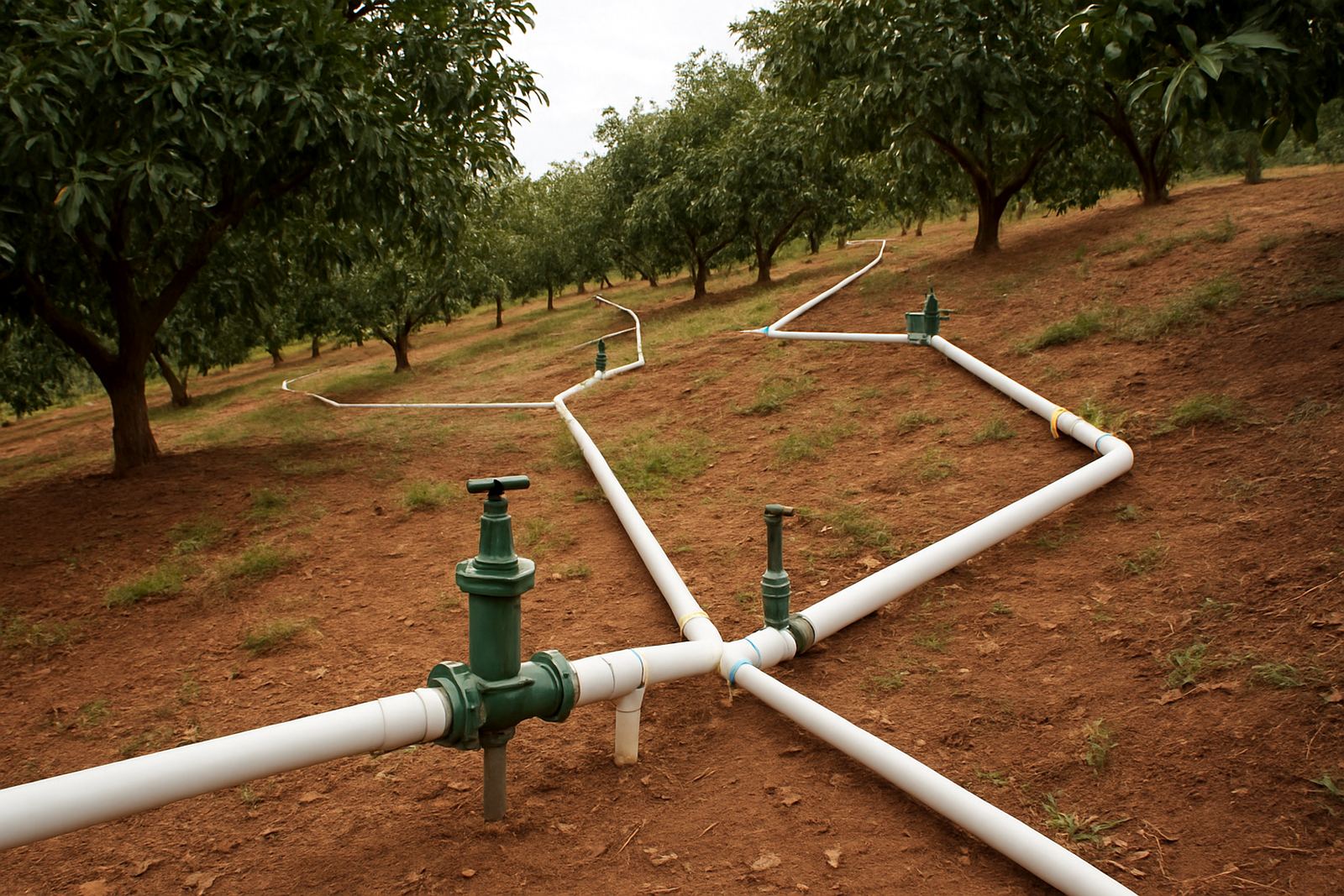
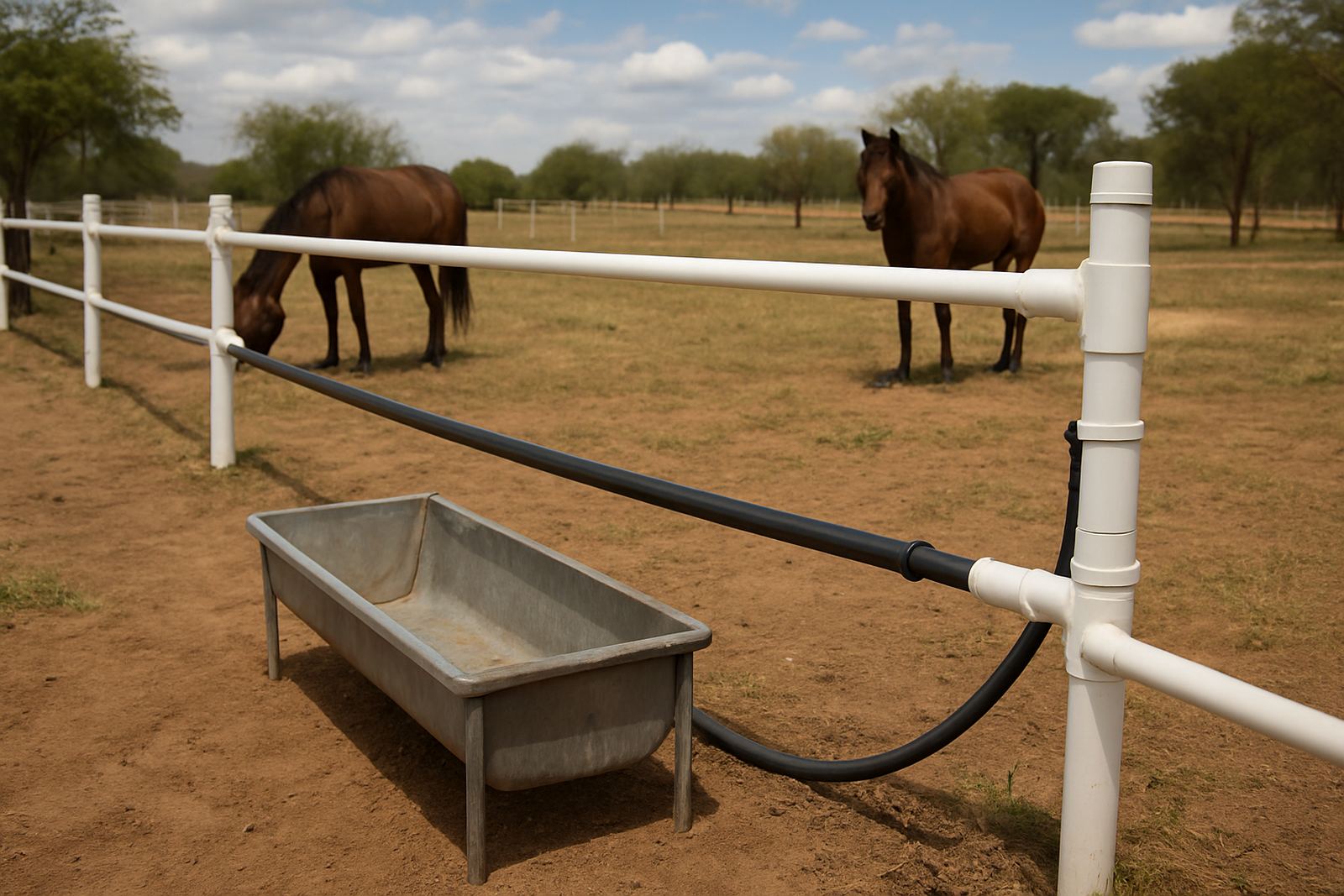
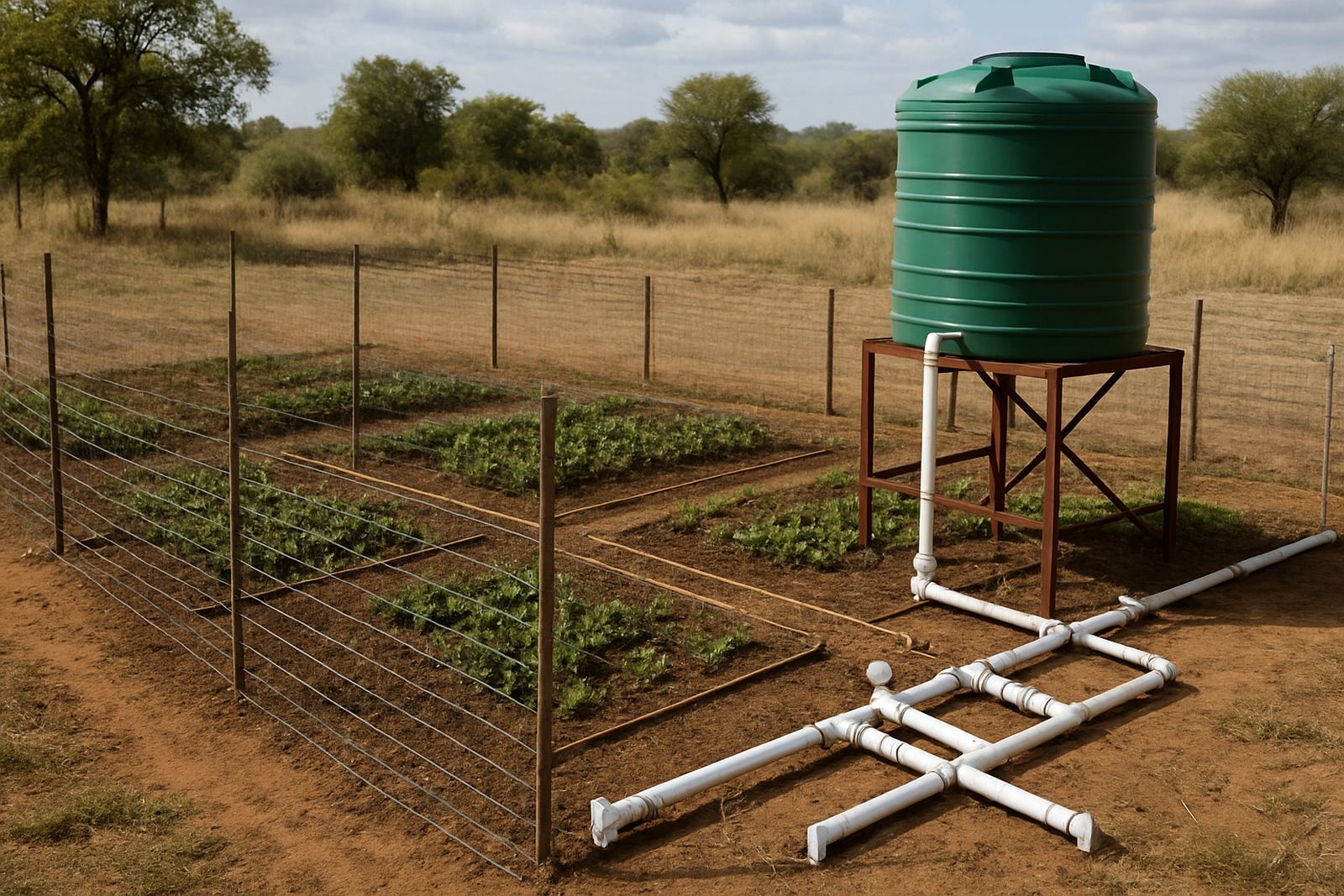
Farm irrigation usually means longer pipe runs, more joints and tougher handling in the field. Stock may be moved by truck over gravel roads, and fittings need to stand up to heat, dust and regular opening and closing. On a working farm, even a small misfit can slow down planting or spraying schedules.
For these jobs, buyers usually look for fittings that are easy to sort by size and type, with enough stock on hand for repairs and extensions. It also helps to keep a few extras for breakages during installation, because a missing elbow or coupling can hold up a whole section. In hot areas, pipe should be stored out of direct sun where possible, since material left lying around can soften more than expected.
- Mainline extensions
- Block changes and branch lines
- Repair stock for burst sections
- Tools for clean cuts and proper jointing
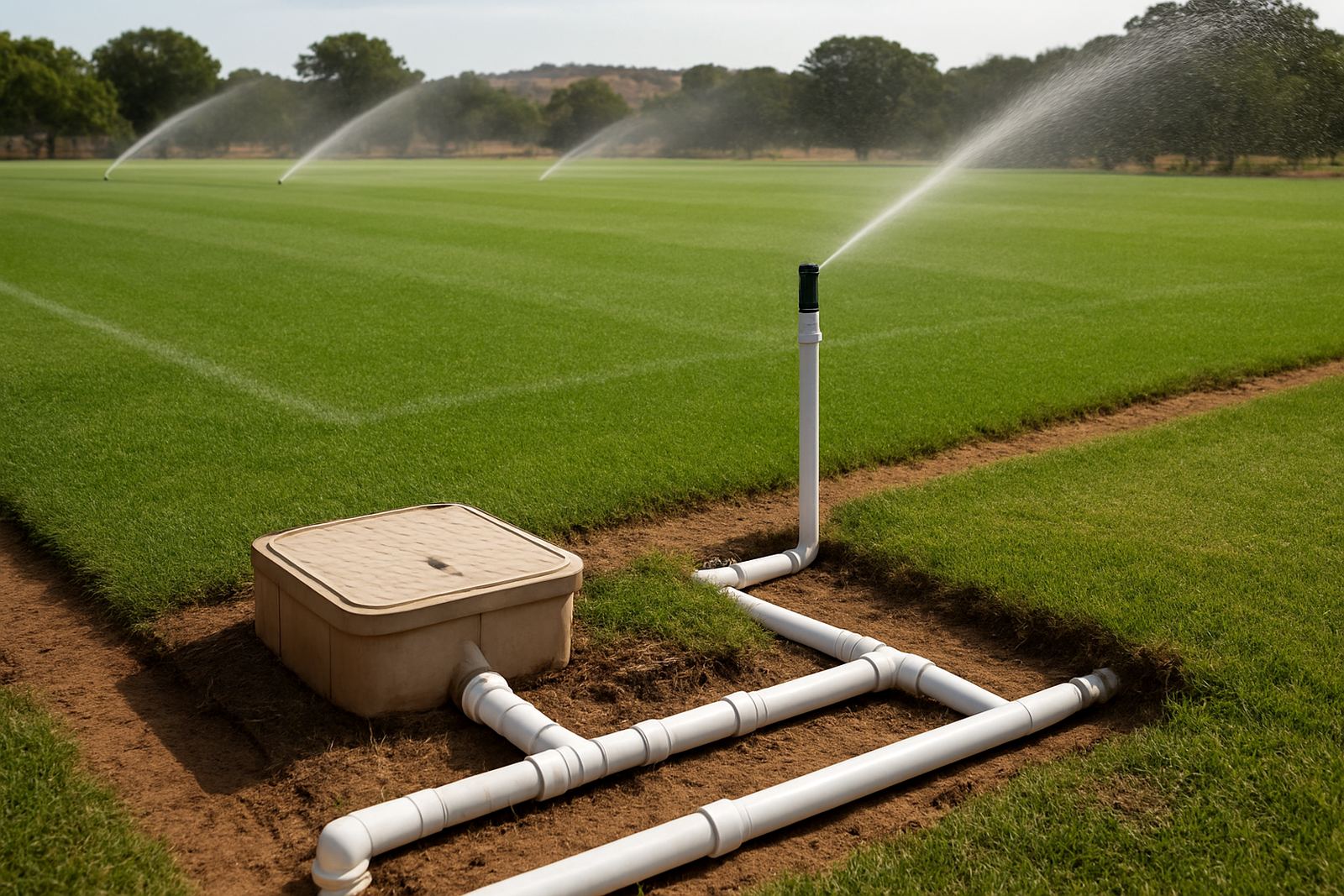
Landscape and municipal jobs need neat, accurate installations
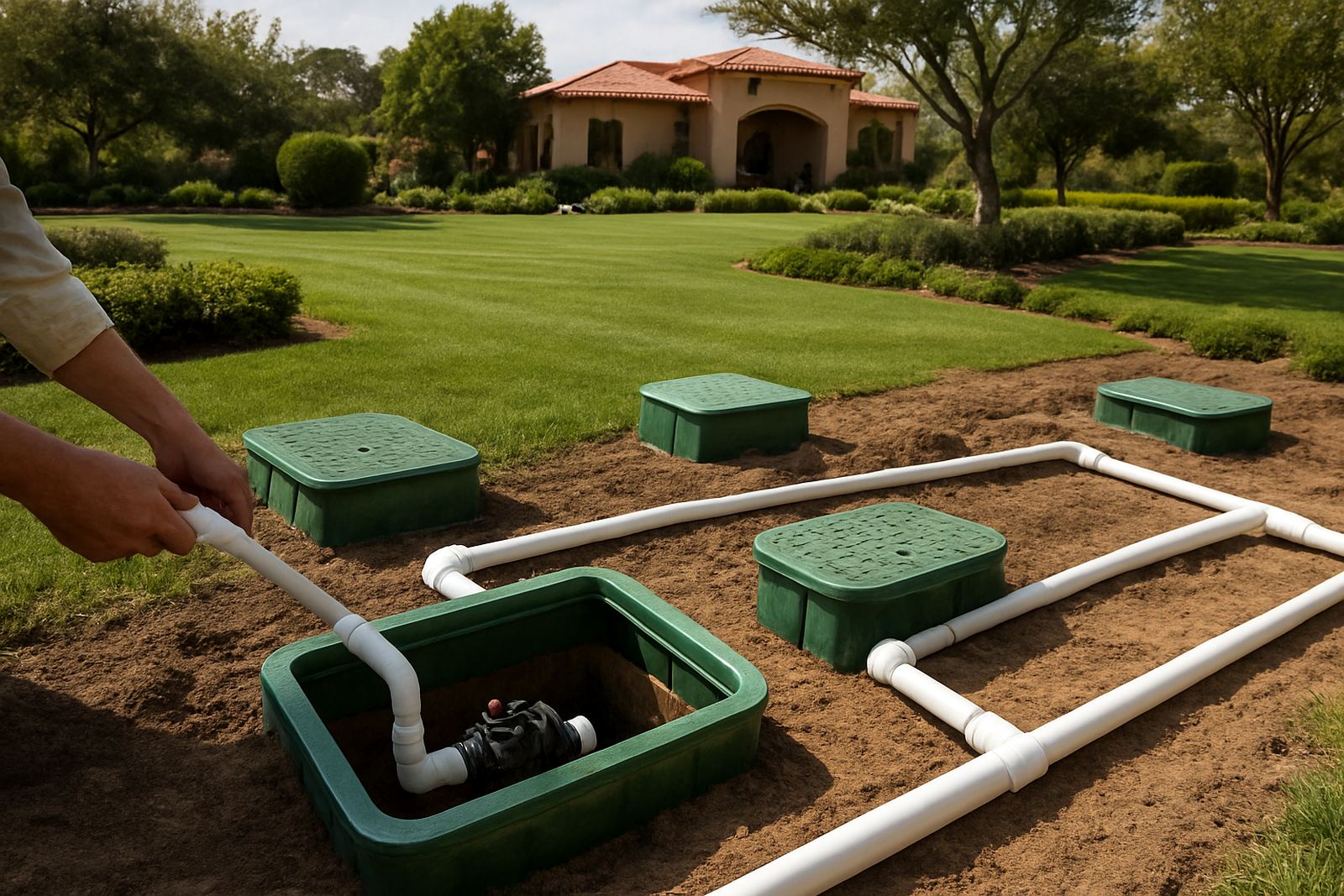
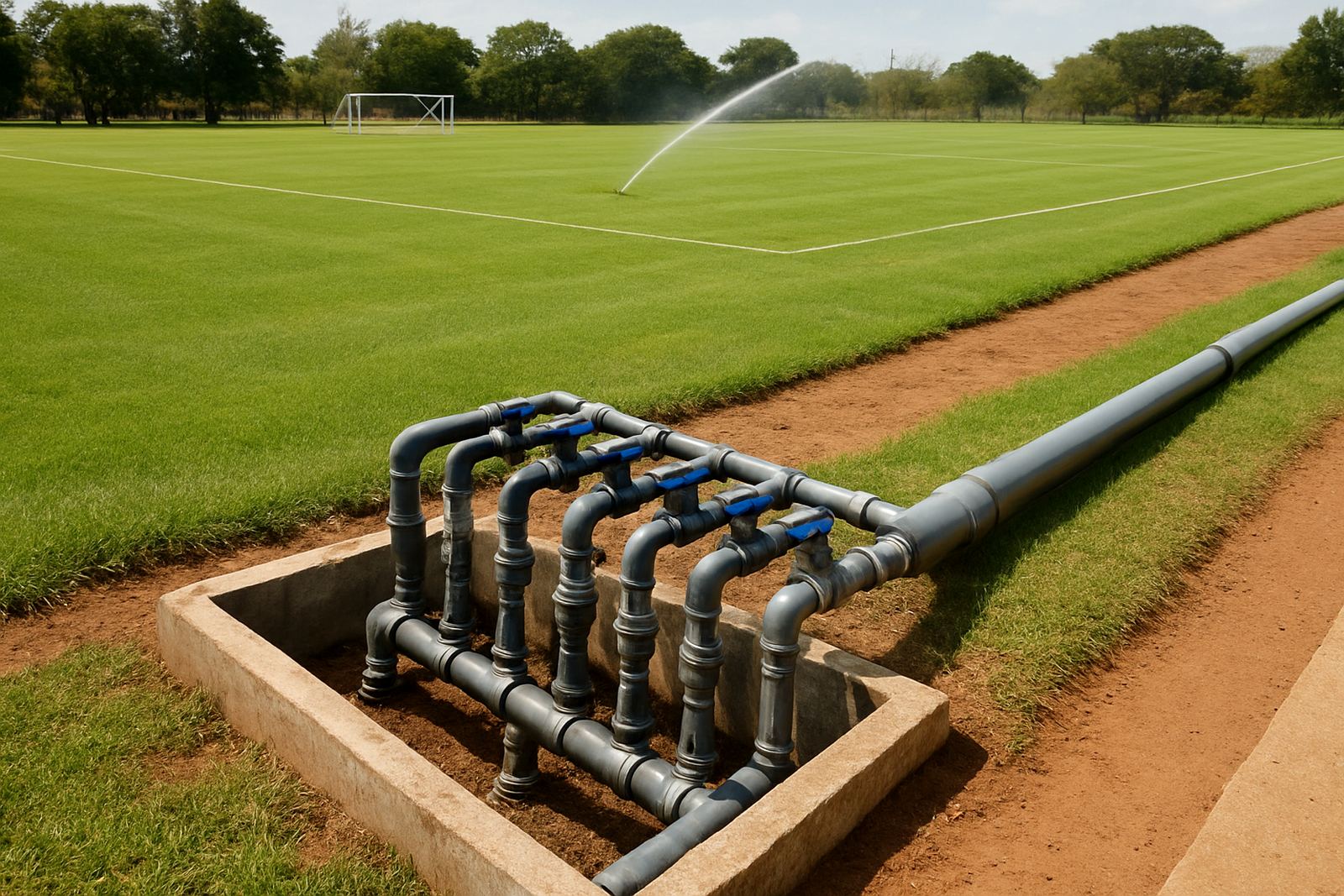
Landscape irrigation often has tighter layouts, visible pipe runs and more care around paving, gardens and public spaces. The fittings have to support a tidy finish and make future maintenance easier. In towns and estates, contractors may also need to work around municipal rules, restricted access times and water restrictions, so the system must be easy to isolate and service.
For these projects, a clean joint and accurate sizing save time on site. When the pipe work is laid under lawns or along boundary lines, the installer needs fittings that help keep the run straight and stable. Good preparation reduces call-backs, which is useful when the site is already under pressure from deadlines and weather changes.
- Garden and estate irrigation
- Public open spaces and sports areas
- Boundary and pathway runs
- Quick service access for maintenance crews
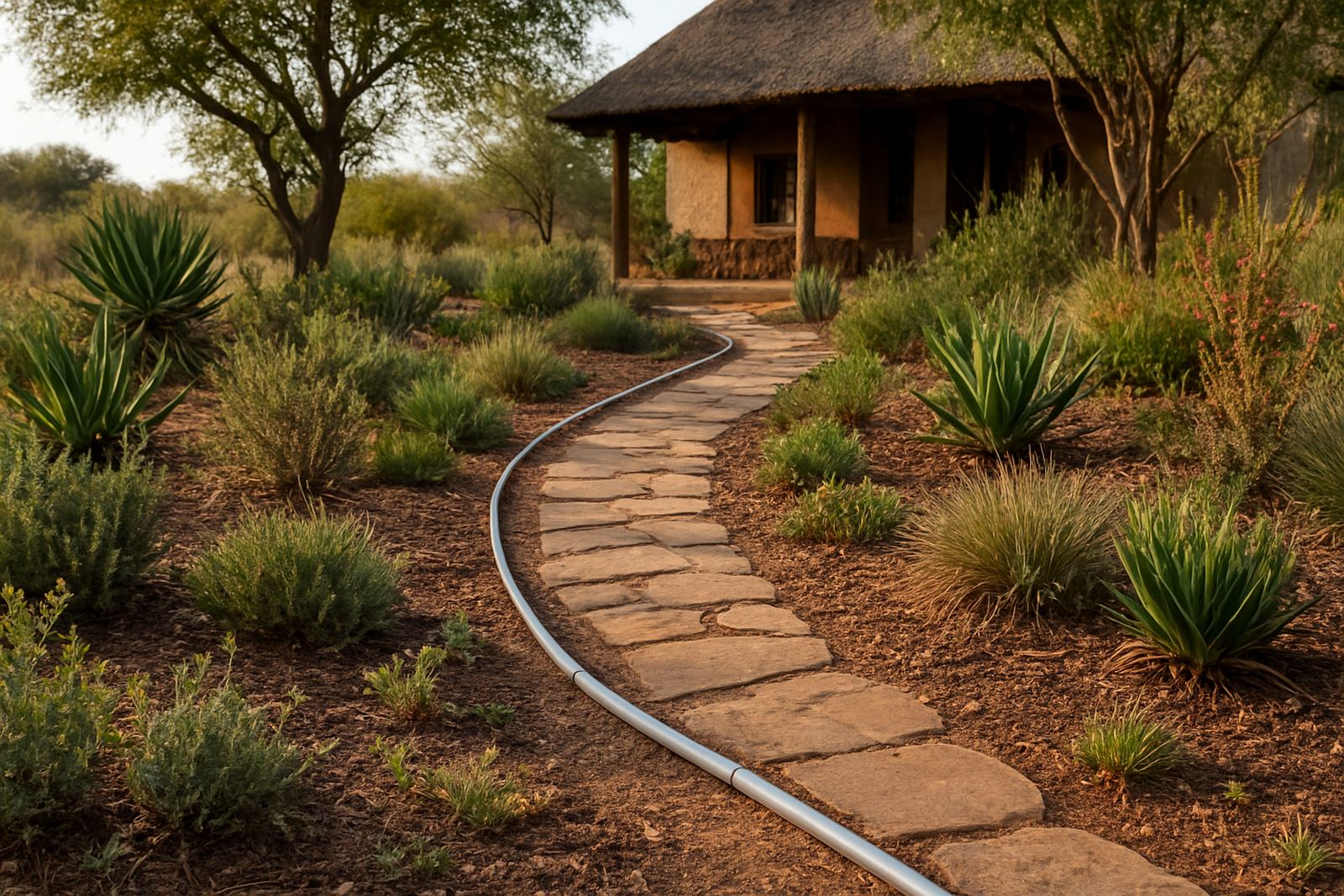
Coastal humidity and outdoor exposure change the buying choice
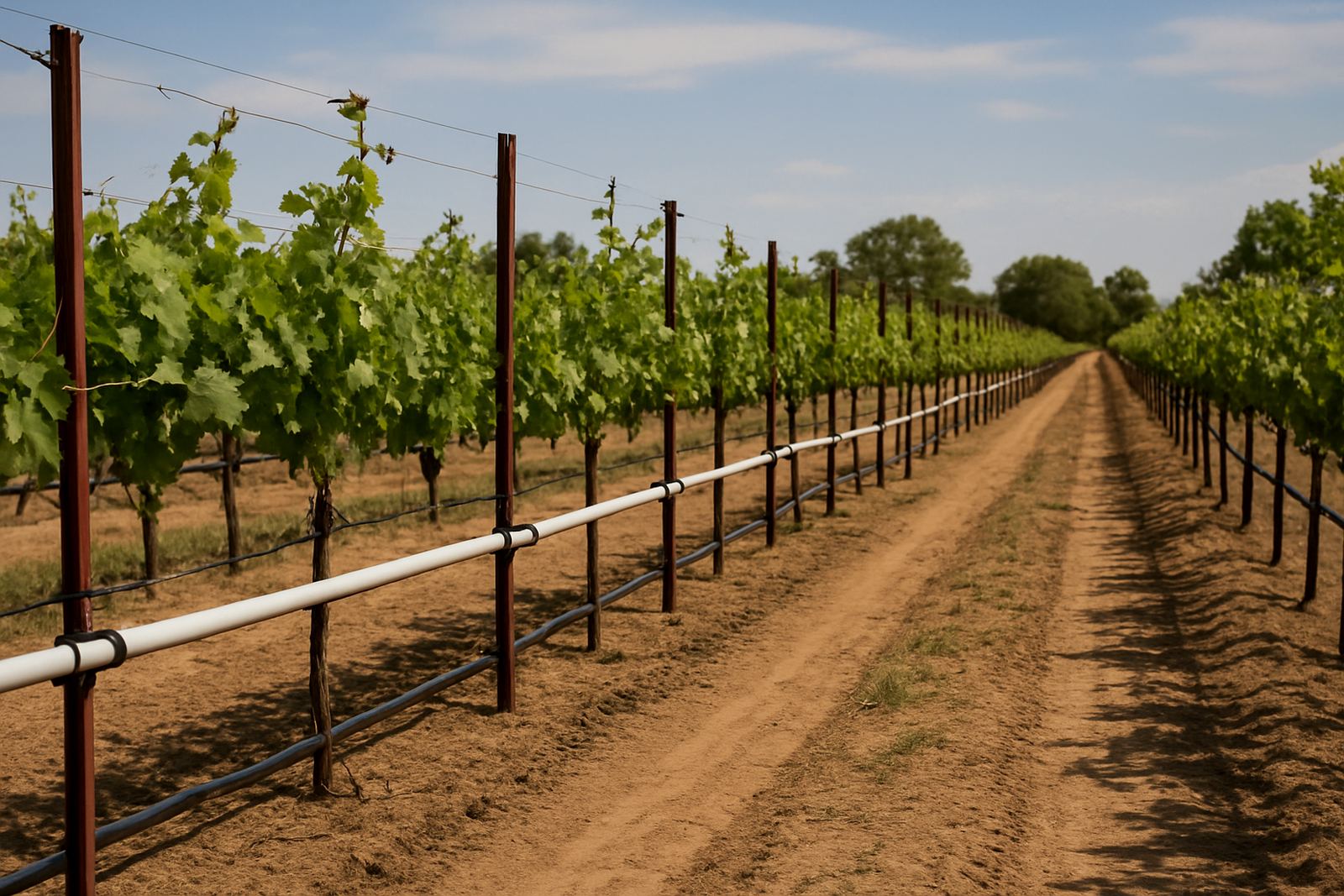
Outdoor irrigation in humid or coastal areas needs a bit more thought than inland work. Moisture, salt in the air and strong sun can all affect how long a system lasts if the components are not suited to the site. Even inland, exposed pipe on rooftops, walls and open yards can take a beating over time.
That is why many buyers ask for fittings that are suitable for outdoor use and tools that help produce consistent joints every time. A proper cut, clean pipe ends and the right solvent-weld method can prevent weak spots. It also makes sense to keep replacement stock aside for the next repair, because irrigation often needs attention just when the season is busiest.
- Exposure to sun and heat
- Humidity and salt air near the coast
- Sites with frequent repairs or add-ons
- Systems that must stay dependable through peak season
Contractor orders work best when the quantities are right
Contractors usually want more than a single part. They need the right quantities, the right mix of fittings and enough confidence that the order will cover the job without repeated trips. That is where stock reserving, quantity checks and farm order planning make a real difference.
When a project is spread across different sites, it helps to group the order by line size and use. For example, one section may need couplers and elbows, while another needs take-offs, end caps and repair pieces. A sensible order also helps with transport, especially when stock is being trucked across Limpopo or couriered further afield. It saves time, keeps the site moving and cuts down on last-minute shortages.
- Repeat orders for similar jobs
- Contractor accounts for ongoing work
- Split orders for multiple sites
- Delivery planning for local and national supply
Tools and advice matter as much as the fittings
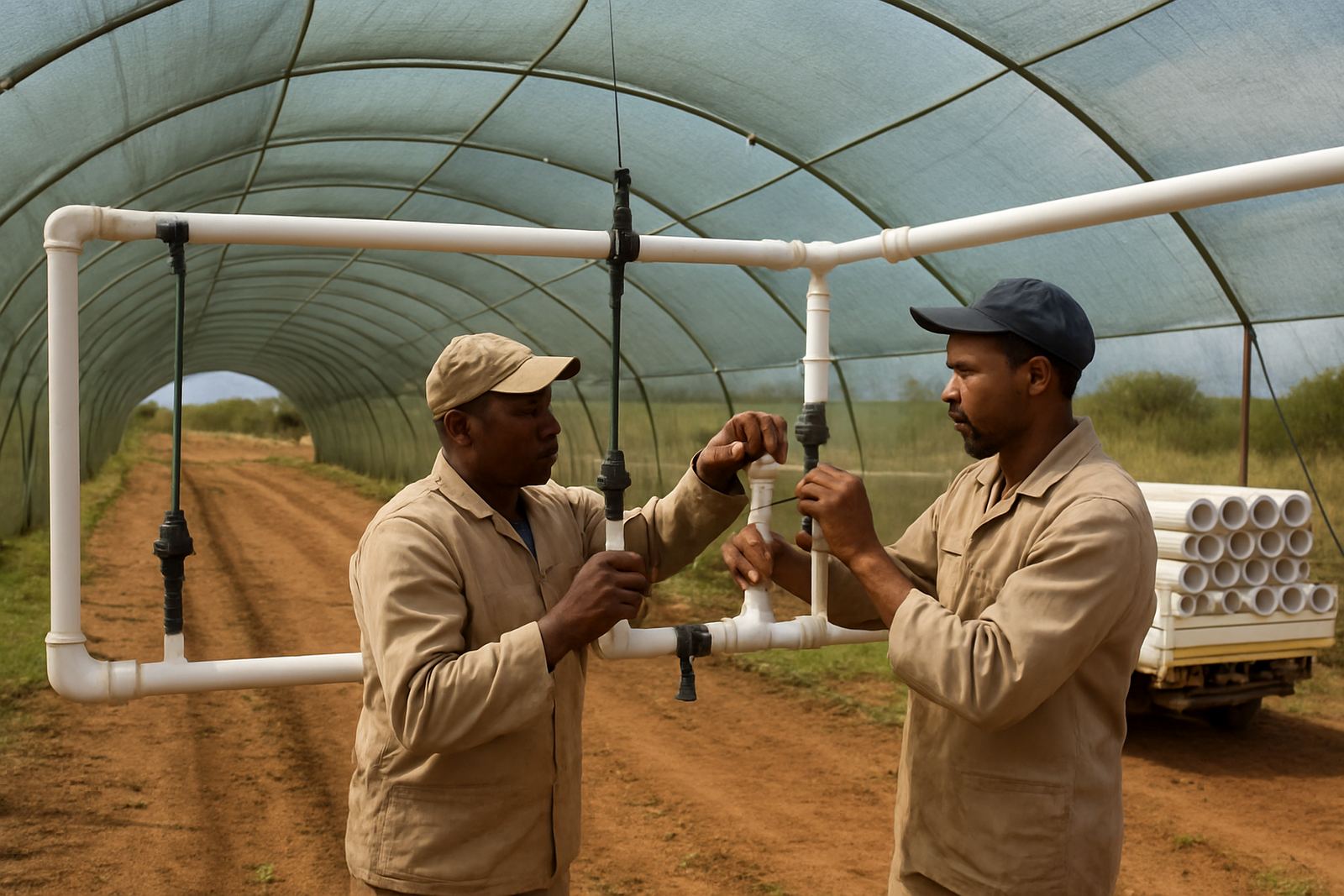
The best fittings still need the right tools and the right method. A neat cut, correct cleaning and steady assembly make a noticeable difference to how long the joint lasts. If the pipe is not prepared well, the installation can give trouble later, even if the fitting itself is correct.
PVC Welders helps clients choose fittings and supporting tools for the job at hand, whether that is a small repair, a new farm line or a contractor project with many branches. The team also assists with jointing advice, troubleshooting help and after sales support so customers can keep the system working after the first install. If you are not sure what to order, start with the pipe size, the pressure needs and the site conditions then build from there.
For product selection and order support, use the enquiry form on the contact page and the team will help match the right items to your irrigation setup.