
What school grounds usually need from an irrigation system
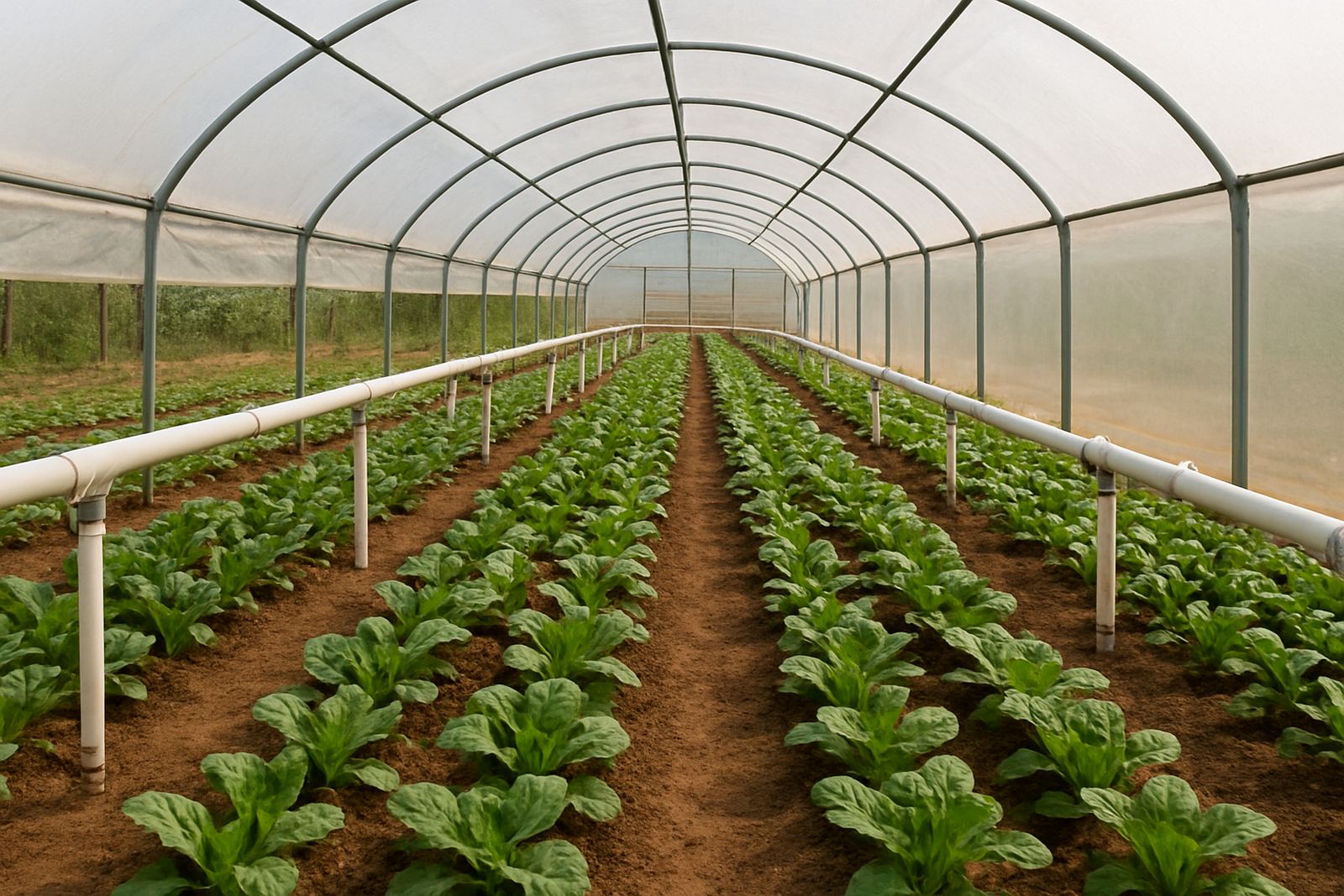
A school site normally has more than one watering need at once. The entrance lawn wants light, even coverage, the courtyard beds need short, regular watering and the sports areas often need a different schedule again. That means the pipework, fittings and valves have to be planned for separate zones, not one single layout pushed across the whole property.
On campuses in Polokwane, Tzaneen and further out in Limpopo, wind, heat and hard water can all affect how well a system performs. If the fittings are poor or joints are not made properly, you get leaks under the grass, weak pressure at the far end and extra repair work during the school term. For that reason, school grounds teams usually ask for parts that can handle daily use, outdoor sun and a fair amount of foot traffic from maintenance crews.
PVC Welders works with irrigation components that suit school grounds, from the main line right through to the smaller fittings at the beds and edges. We help customers match the pipe size, jointing method and layout to the actual site so the system is practical from the start.
Typical equipment set for lawns, beds and sports fields
A school irrigation order often includes a mix of solvent-weld pipe fittings and basic tools for fitment and repairs. The exact list depends on the size of the campus, but a solid starting set usually covers the main supply line, zone branches and the fine adjustments around beds and pathways.
- Pipe fittings for main lines and zone branches
- Elbows, tees, couplers and reducers
- End caps, adaptors and threaded connections
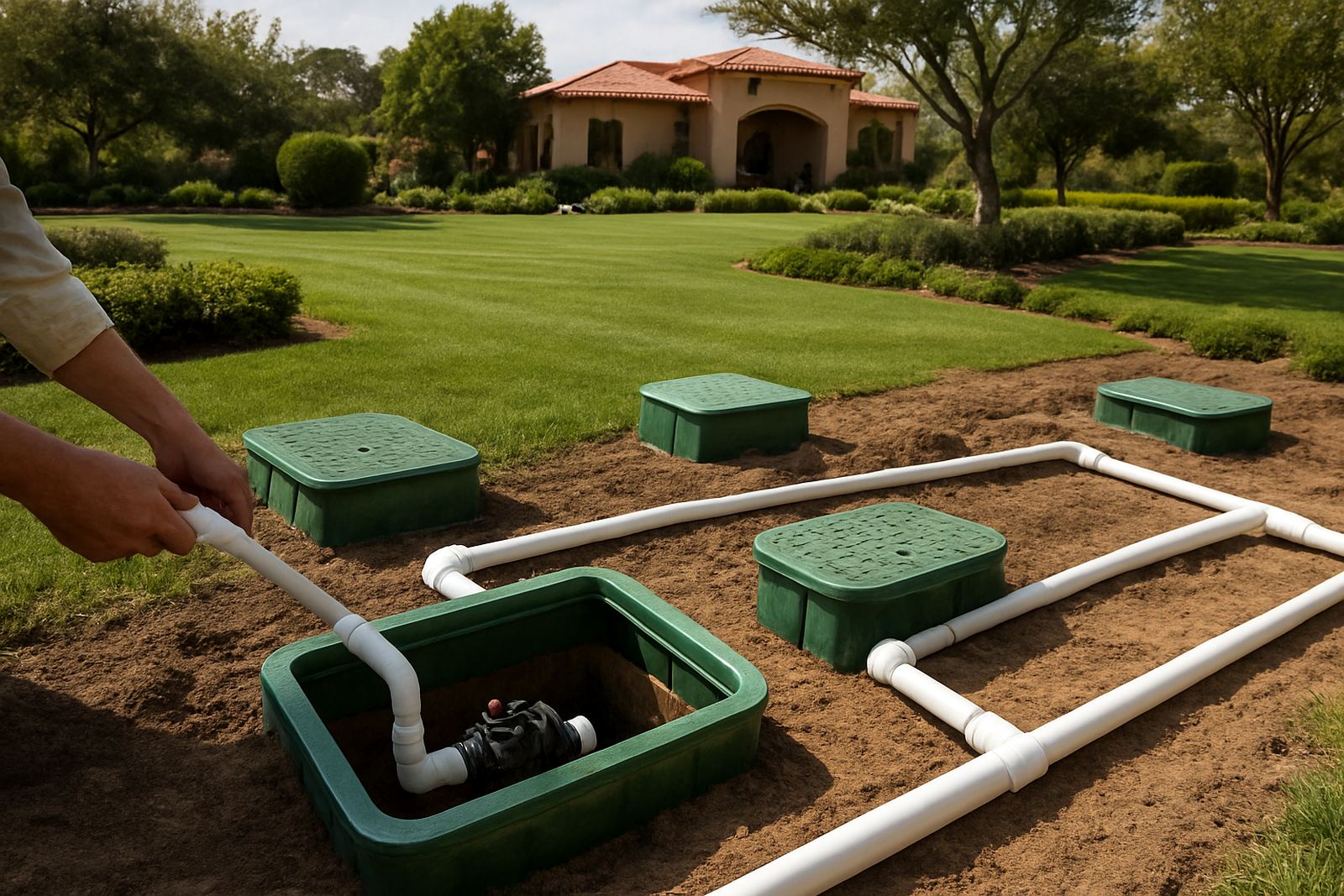
- Valves and valve box fittings for separate watering zones
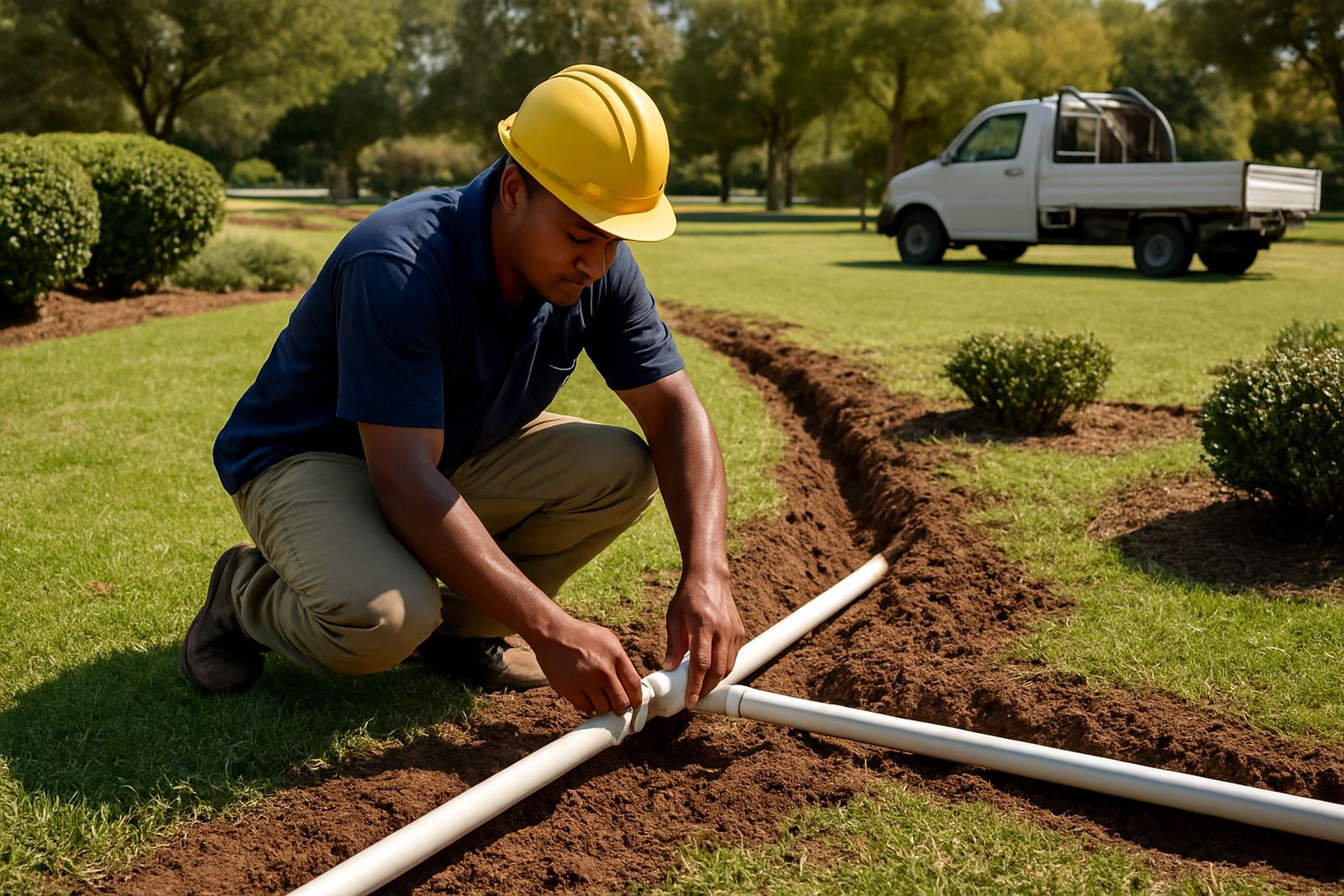
- Tools for cutting, cleaning and joining pipe correctly
- Replacement parts for planned maintenance and quick repairs
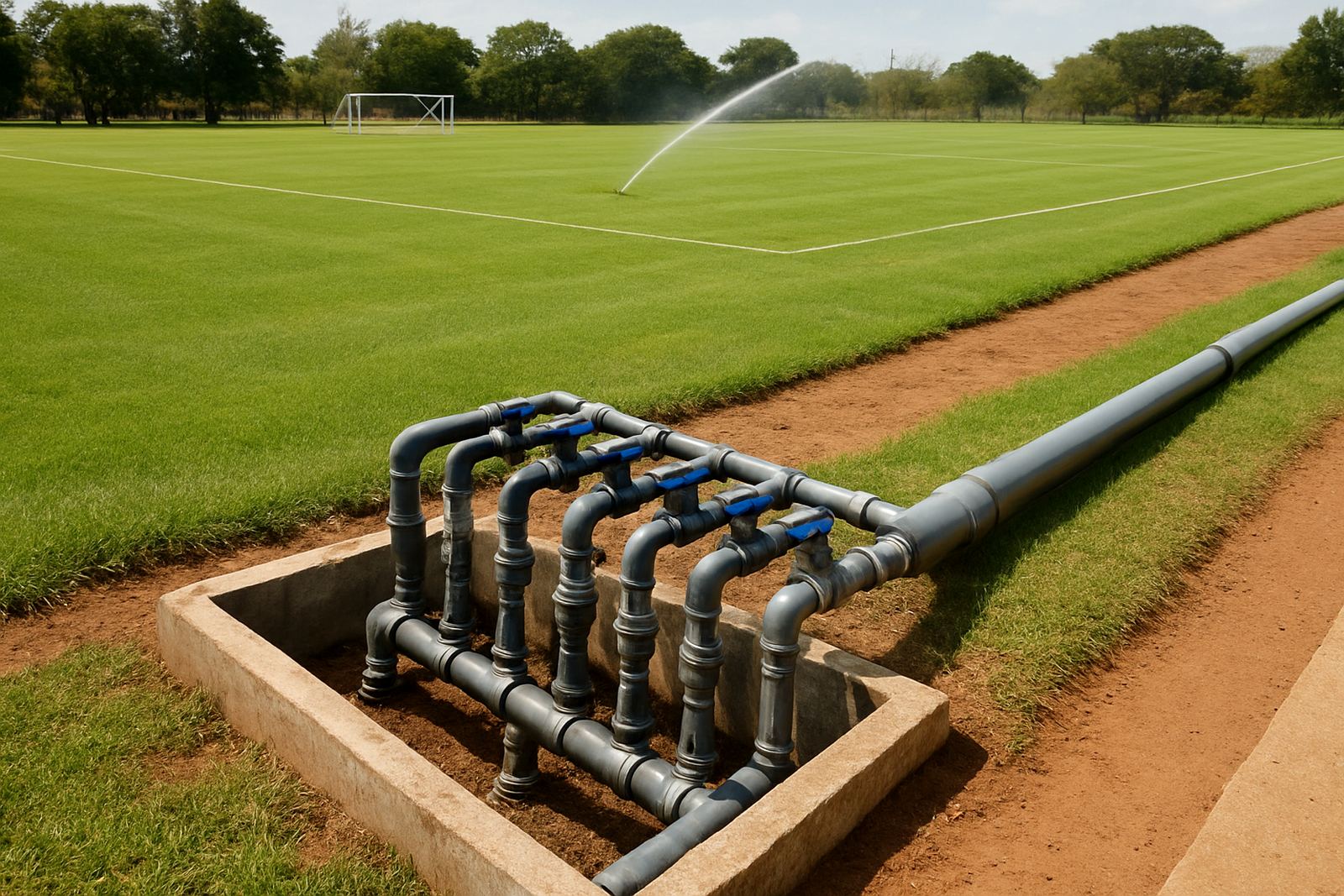
For bigger schools with sports fields, contractors often add extra fittings for longer runs, isolation points and future expansion. A field that is watered on different days from the rest of the campus should have clear zone separation and easy access for maintenance. That saves time when pressure drops or a section needs attention during exam season, holidays or a busy sports programme.
We also see many schools ordering a few spare pieces at the same time as the main project. It is practical. When a fitting is needed later, having matching stock on hand prevents delays and keeps the grounds team from making repeated trips. On a site where maintenance staff are already juggling other work, that matters more than people think.
Planning the layout before you buy fittings
Good school grounds irrigation starts with a clear map of the site. The team should look at the lawn areas, planting beds, walkways, shaded sections and open sports spaces separately. Shade under trees often needs less water, while exposed areas on the edge of a field may need more frequent watering. If the layout ignores those differences, the result is dry patches in one area and soggy ground in another.
It also helps to think about access. Pipes near driveways, learner walkways and maintenance routes need to be protected properly. In schools with busy mornings and afternoon sport, exposed fittings can take a knock from trolleys, equipment and people moving around. A tidy layout with the right elbows, reducers and isolation points makes repairs easier and lowers the chance of repeated damage.
When we assist with product selection, we look at the pipe size, the pressure available on site and the type of jointing needed. Some campuses only need a simple lawn and bed setup. Others have a more complex arrangement with pumps, tanks or municipal supply limits. In those cases, the parts must suit the real operating conditions and not just the drawing on paper.
- Check pressure at the start and furthest point of the system
- Separate sports areas from ornamental beds into different zones
- Keep valves and joins accessible for servicing
- Allow for future extensions near new classrooms or halls
- Use the same fitting size where possible to avoid odd adaptors
Common mistakes on campus irrigation projects
One of the most common mistakes is buying fittings before the site has been measured properly. Schools often grow in stages, so a layout that worked five years ago may not suit the current grounds. Another mistake is mixing the wrong sizes or jointing styles because the cheapest option looked fine on the day. That usually costs more later when the system has to be reworked.
We also see systems installed with too few spare parts. If a valve fails during term time or a joint needs replacing after load shedding has interrupted pumping, you need the right pieces close at hand. Waiting for a courier while the grass dries out is never ideal. In Limpopo especially, warm weather can take a visible toll quickly, so small faults should be dealt with early.
Other problems include poor trench depth, fittings left unprotected near exposed edges and no plan for future servicing. Around sports areas, movement and vibration can loosen weak work over time. Around flower beds, overwatering at the wrong point can wash soil away. Careful selection and proper fitting avoid a lot of unnecessary damage.
Budgets that make sense for schools
School irrigation budgets vary a lot depending on the size of the grounds and whether the work is a small repair, a zone upgrade or a full campus project. For a basic set of fittings and tools for routine maintenance, many schools spend from around R1 500 to R6 000. That covers practical items for ongoing fixes, jointing work and minor extensions.
For a larger sectional upgrade, such as replacing worn fittings on lawns and bed zones or adding a better split for sports areas, budgets can move into the R8 000 to R25 000 range. Bigger campuses with long pipe runs, multiple valves and extra repair stock can run above that, especially if the order includes spare parts for the season ahead.
It is usually smarter to budget for the full job rather than patch the system in bits and pieces. Schools that plan ahead save on repeat callouts, reduce water waste and avoid rushed purchases when a section fails in the middle of term. We also help customers with quantity checks so the order matches the site and there are no expensive shortages or extras sitting unused.
Support for schools, contractors and grounds teams
Our team supports school projects from Ladanna in Polokwane, with irrigation stock trucked across Limpopo and couriered nationwide. Some customers collect for a local job, while others need deliveries to Mokopane, Tzaneen, Hoedspruit, Lephalale or Thohoyandou. For schools with maintenance contractors, we can help with repeat orders, reserving stock and planning quantities around term schedules and holiday work.
We assist with product selection, system matching, jointing advice and troubleshooting help when a section is not performing as expected. If a school has a contractor account in place, ordering becomes easier for planned maintenance and emergency repairs. The focus is always on practical parts that suit outdoor use and hold up in South African conditions, from dry inland heat to coastal humidity where applicable.
For school grounds, the best irrigation is usually the one that is simple to maintain, easy to isolate and built with fittings that will last through the season. Get the layout right, keep the spare stock sensible and use parts that match the job, and the system becomes far easier to manage for years.