What municipal parks need from an irrigation supply
Public parks are not private gardens. They get foot traffic, mower contact, occasional vandal damage and steady exposure to sun, wind and dust. In Polokwane, Tzaneen or the hotter Lowveld, fittings also need to handle UV, heat and seasonal pressure changes without splitting or loosening. That is why park irrigation jobs usually call for simple, reliable parts that can be installed quickly and checked later by maintenance teams.
For municipalities, the main goal is not just watering grass. It is keeping play areas, verges, entrance beds and tree rings covered without wasting water or creating puddles near paths. A good supply list starts with the right pipe sizes, the correct joints and enough spare parts for ongoing repairs. If the team can isolate one zone, replace a section and get the line back online fast, the park stays usable and complaints stay down.
Typical parts used on park irrigation jobs
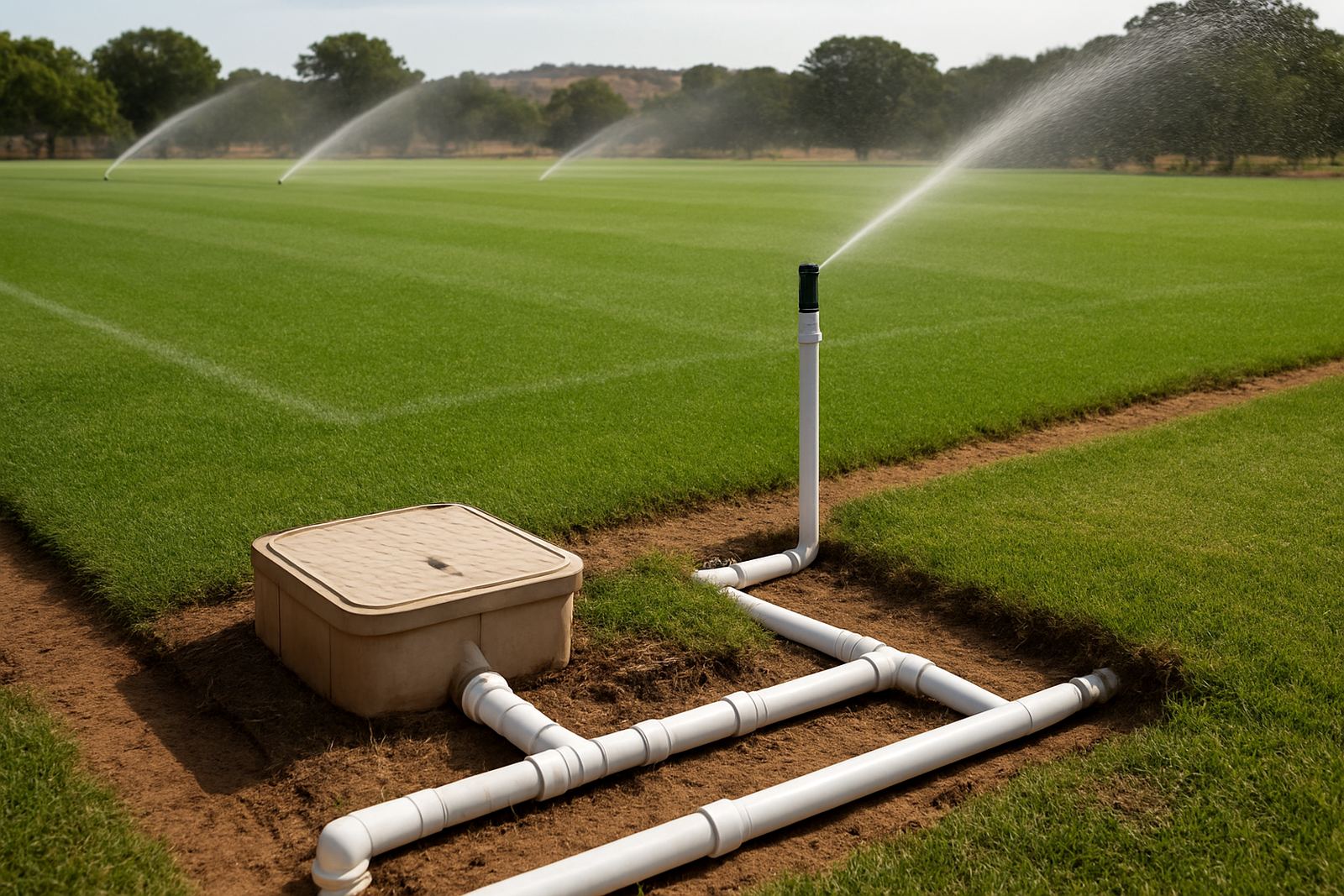
Most municipal parks use a mix of below-ground lines, branch lines to beds and maintenance points where staff can flush, isolate or extend the system. The exact set depends on the size of the site and the available pressure, but the fittings usually need to suit medium to larger irrigation runs with regular servicing.
- Solvent-weld pipe fittings for main lines and branch lines
- Couplers, elbows, tees and reducers for layout changes
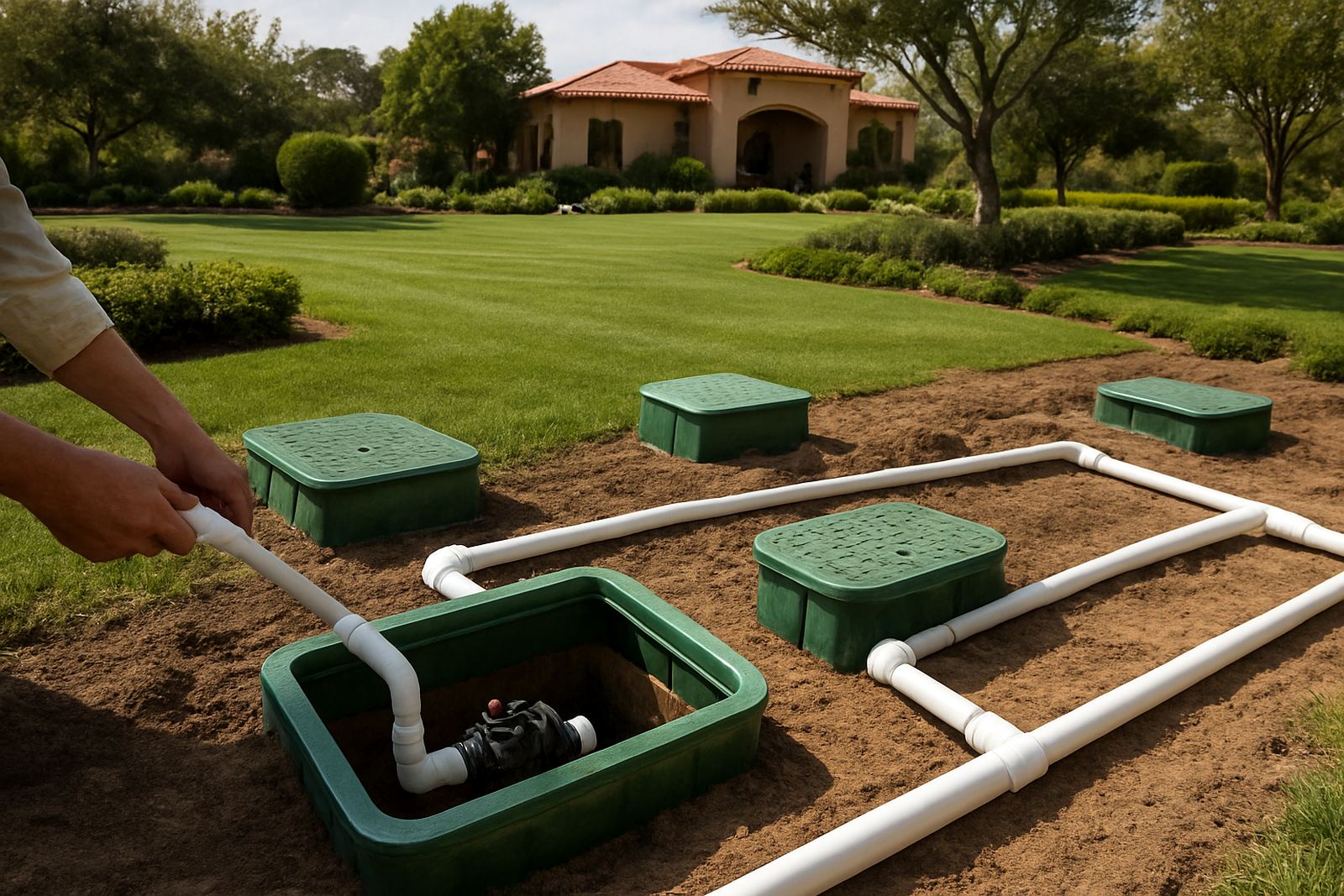
- Valves and valve box connections for zone control
- End caps and blanking fittings for spare lines or future expansion
- Unions and adaptors for easy maintenance changes
- Application tools for clean cutting, joint prep and assembly
Where public spaces are involved, it helps to keep the fittings consistent across the site. That makes stock control easier for the municipality and easier for contractors too. It also reduces the chance of mismatched parts being forced together on a repair callout, which usually causes leaks later on.
Planning the layout so maintenance stays practical
A park irrigation layout should be planned with the maintenance team in mind, not only the planting plan. Access points matter. So do isolation valves, pipe runs that avoid tree roots and enough depth to protect lines from spades and routine edging. If a park has sports fields, picnic lawns and planted borders, it is better to break the site into clear zones with labelled sections and service points.
In municipal work, simple drawings and clear pipe schedules save time. A contractor or parks department should know where the mains run, where the tees are and which line feeds each area. That is especially useful when the system is being extended after phase one, or when one section must stay operational during repairs. It also helps when stock is being ordered for several sites at once, because the team can match quantities to actual metre runs and fitting counts instead of guessing.
A useful rule is to plan for the day the system needs fixing, not only the day it is installed. Leave space for valve access, make sure key joints are reachable and avoid burying everything so deep that repairs become slow and expensive.
Where public parks go wrong
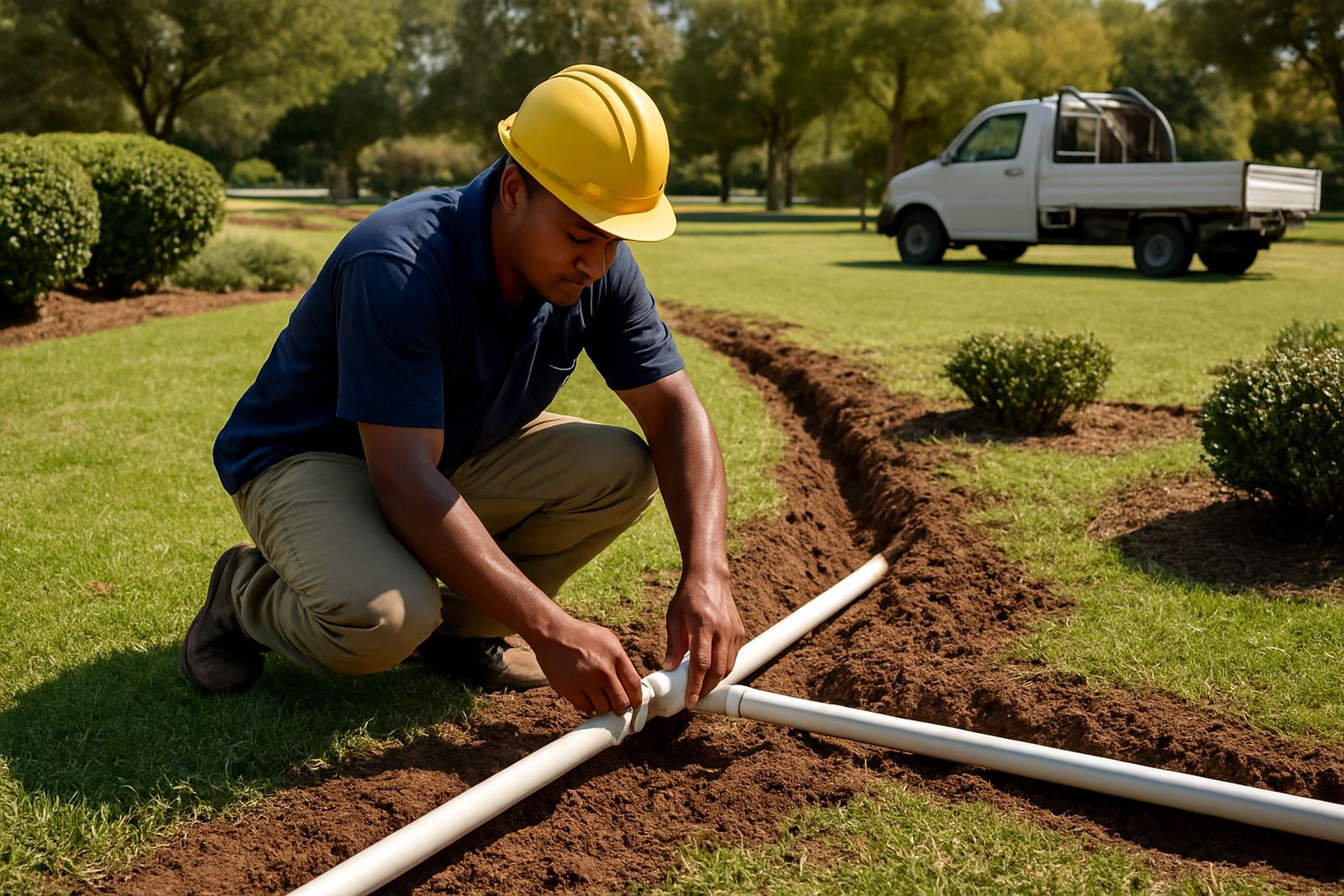
Many park irrigation problems come from small shortcuts taken during the first installation. The job might look neat on the day, but the system becomes hard to maintain after a few months of heat, movement and heavy use. Poor jointing is one of the biggest issues, especially where pipes were not cut square or were assembled with the wrong solvent-weld method.
- Using mixed fitting sizes without proper reducers
- Poorly supported pipes that move after backfilling
- Too few isolation points, which makes repairs slow
- Shallow pipe runs that get damaged by maintenance tools
- Loose planning around pressure, causing weak coverage or burst joints
- Buying only for the first install and forgetting spare parts
Load-shedding can also affect watering schedules where pumps, timers or booster systems are involved. If the system has no proper shut-off and restart plan, pressure surges can stress joints and waste water. On coastal or humid inland sites, grime and moisture can make poor joints fail faster, so clean assembly and the right fitting selection matter from the start.
Budget ranges for municipal park supply orders
Municipal park budgets vary a lot depending on the size of the site, the number of zones and whether the order is for a new installation or repairs. A small repair pack for a local park might start around R1,500 to R4,000, while a more complete zone refresh can run from about R8,000 to R25,000. Larger public spaces, or multiple parks ordered together, can move well beyond that once pipe lengths, valves and fittings are counted properly.
For planning purposes, it helps to separate the spend into three parts: consumables for day-to-day repairs, stock for scheduled maintenance and reserve items for emergency callouts. That way the maintenance team is not forced to buy individually every time a line fails. It also makes contractor accounts easier to manage and gives the municipality a better idea of actual annual spend.
When comparing quotes, look at the full list, not just the headline number. A cheaper order can become expensive if the wrong sizes are supplied or if extra adaptors have to be bought later. A proper quantity check before dispatch usually prevents that problem.
How PVC Welders supports park projects across Limpopo and beyond
From Ladanna in Polokwane, we support municipal parks, landscapers and contractors with product selection, stock reserving and regional delivery across Limpopo. That includes Polokwane, Mokopane, Tzaneen, Hoedspruit, Lephalale and Thohoyandou, plus courier dispatch nationwide for orders that need to move further afield. For larger or repeat park jobs, it helps to plan the order in stages so the right items arrive when the team is ready to install.
Our team can help with system matching, quantity checks, jointing advice and troubleshooting support when the site has existing pipework that needs to be tied into. We also assist with repeat orders, farm order planning where municipal edge areas meet greenbelts, and after sales support once the job is underway. A park site often changes as it grows, so having the same supplier understand the setup saves time later on.
If you are working on public green spaces, it is worth getting the fittings and tools sorted before the trench is open. That keeps labour moving and reduces the risk of delays caused by missing parts. It also means the maintenance crew gets a system they can actually service, which is the part people forget until the first leak appears.