Start With the Job, Not Just the Part
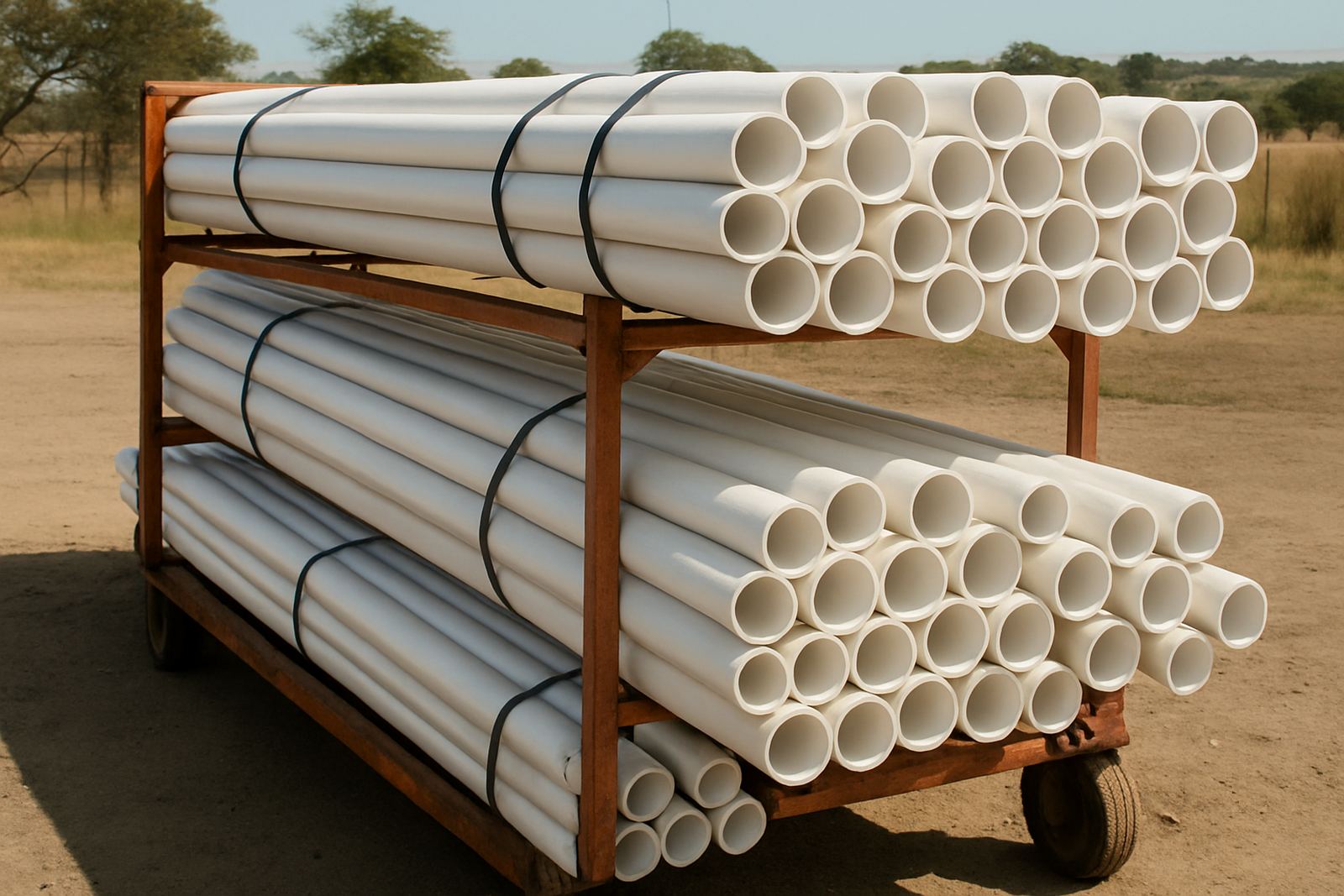
Good jointing starts with the water duty, pipe size and site conditions. A line feeding a small garden bed does not need the same fittings or handling as a long farm run exposed to sun, movement and pressure changes. In Ladanna and across Limpopo, heat by day and cooler nights can affect how pipe and fittings sit together, so it pays to choose parts with the full installation in mind.
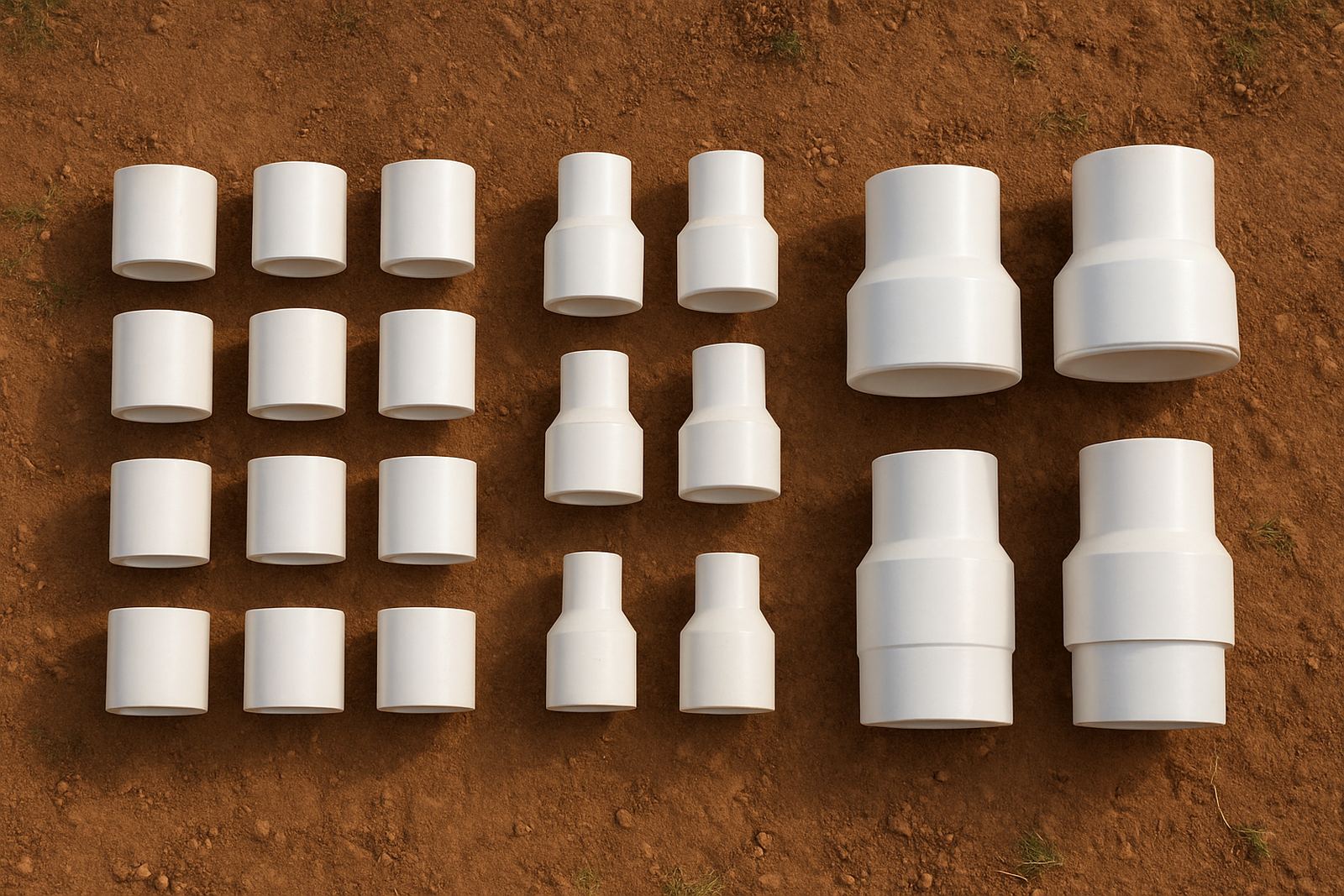
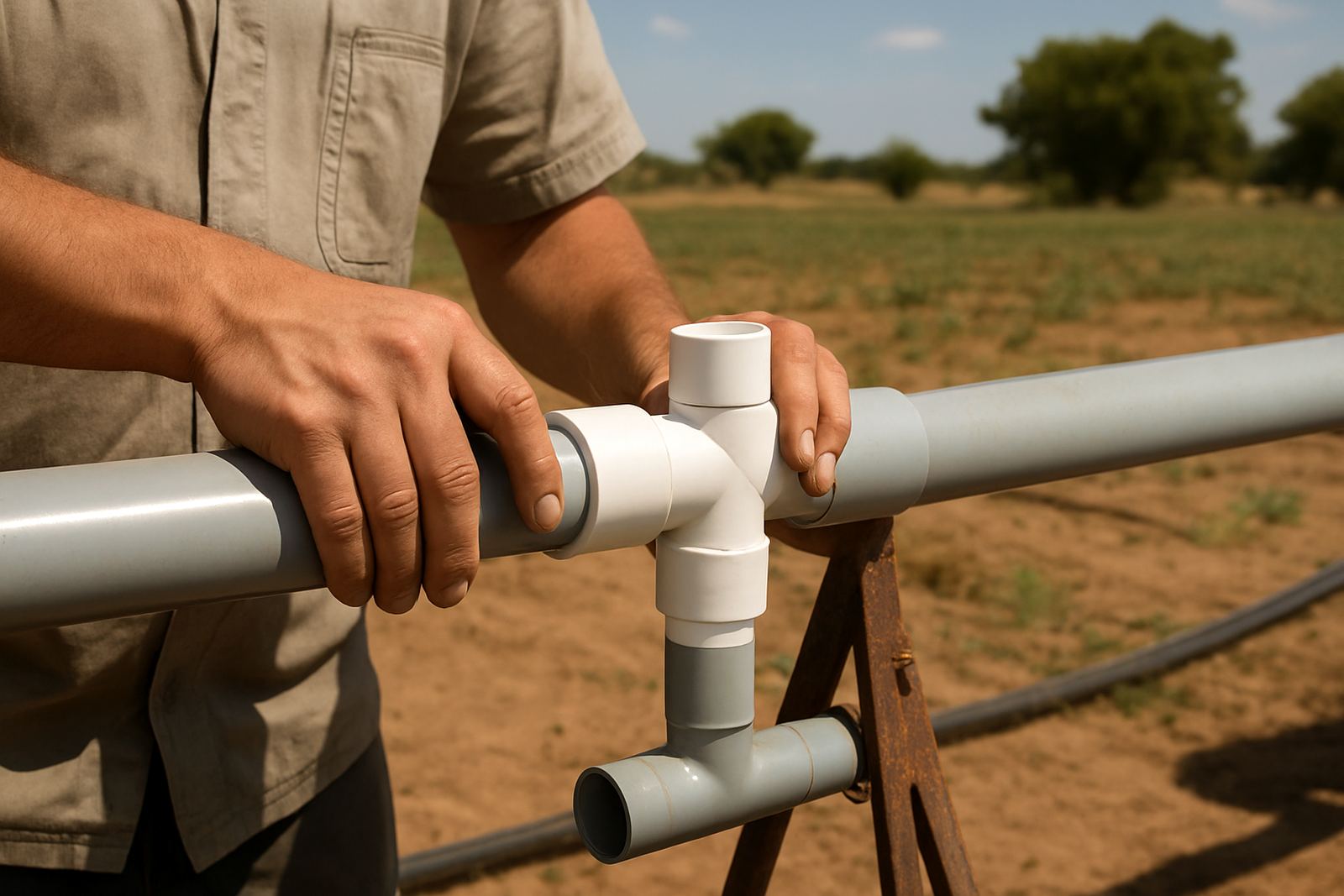
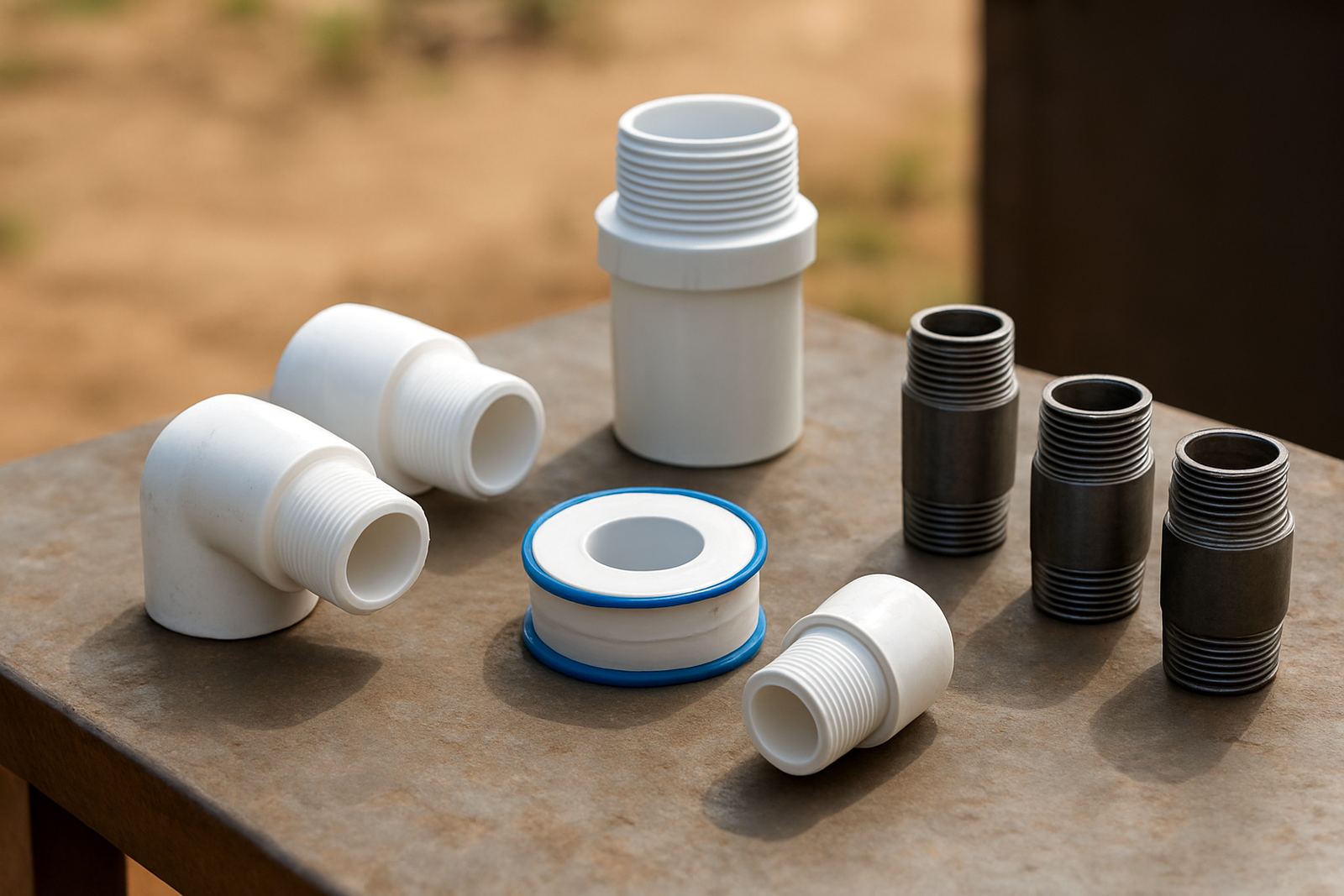
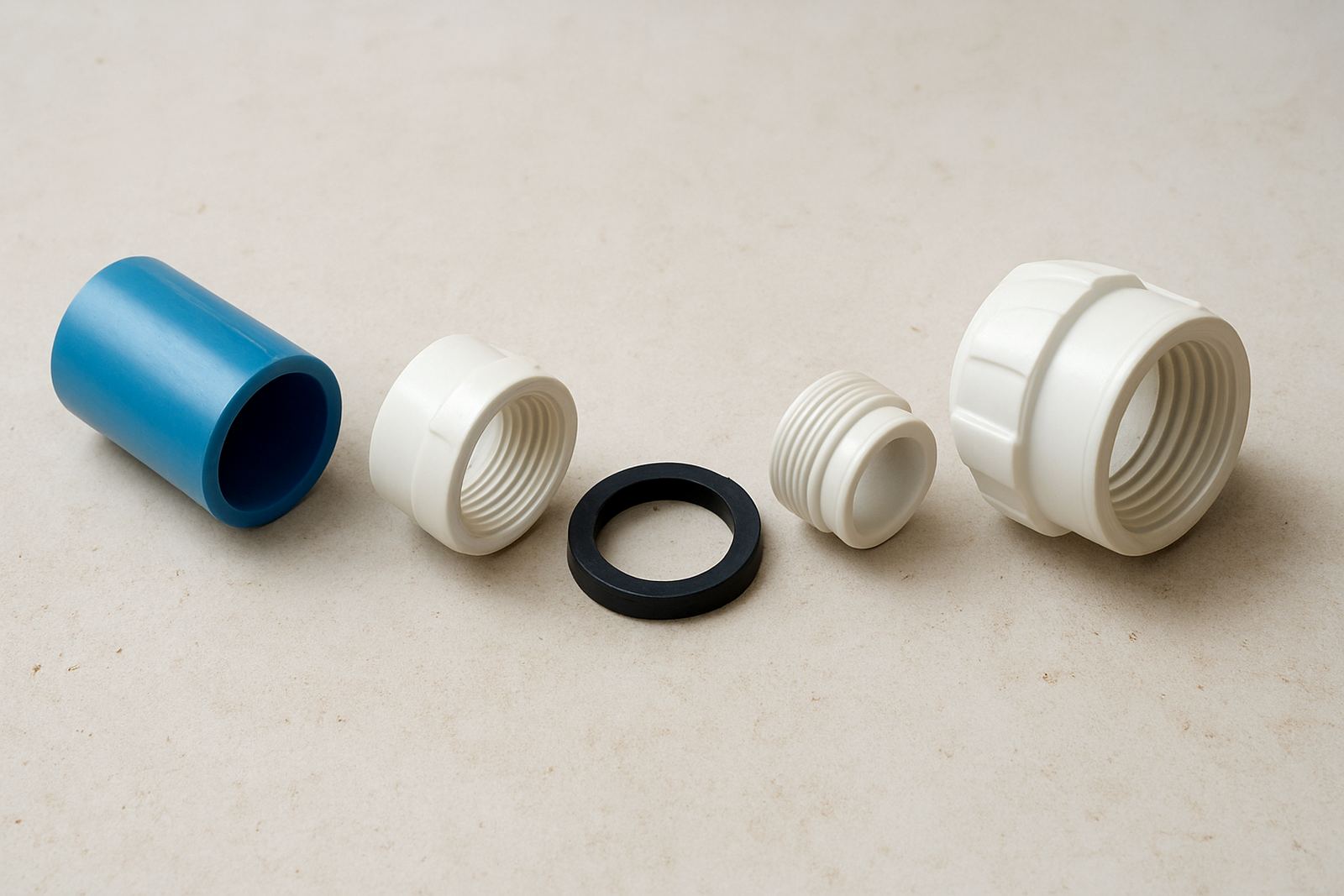
When you compare fittings, check the pipe size, pressure rating and the type of joint needed. For irrigation work, the aim is a clean solvent-weld connection that stays straight, seals properly and can handle outdoor use. If you are buying for a team, keep the order list tied to the system layout so there is less waste and fewer site delays.
What to Check Before You Place an Order
A quick check before ordering saves time on site and cuts down on return trips. Our team helps with product selection, stock reserving and quantity checks for jobs in Polokwane, Mokopane, Tzaneen and further out. That support matters when a contractor needs fittings ready before a crew leaves at first light.
- Confirm the pipe diameter and matching fitting size.
- Check whether the joint will be straight, threaded or a transition point.
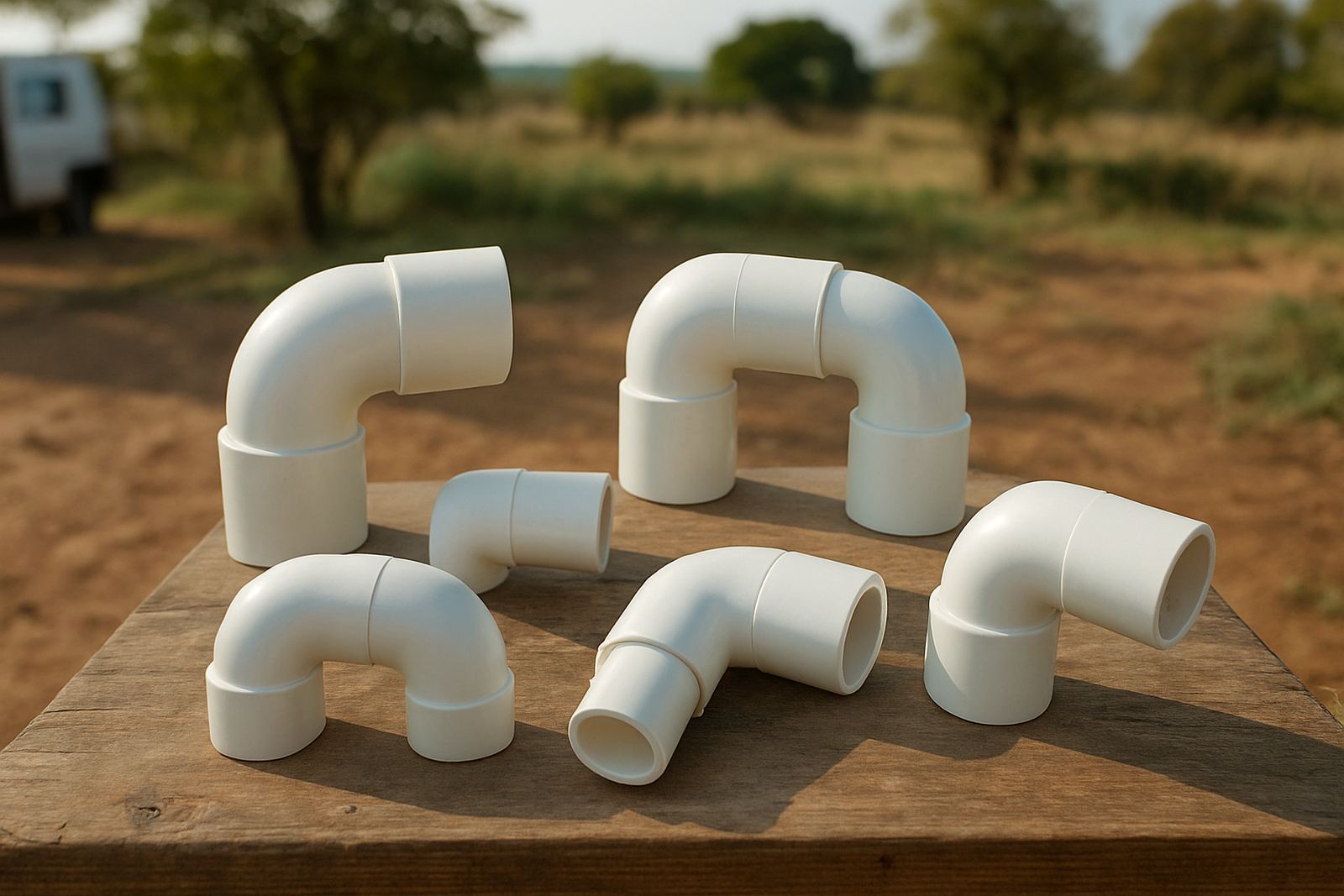
- Allow for extra fittings on bends, repairs and offcuts.
- Keep a small buffer for breakages, miscuts and site changes.
- Make sure the order suits the delivery route, courier or farm drop.
If you are planning repeat work, ask for contractor account support and farm order planning so your common fittings are easier to pull together next time. That is especially useful for irrigation teams that work across several sites in one week.
Solvent-Weld Jointing Basics for Reliable Results
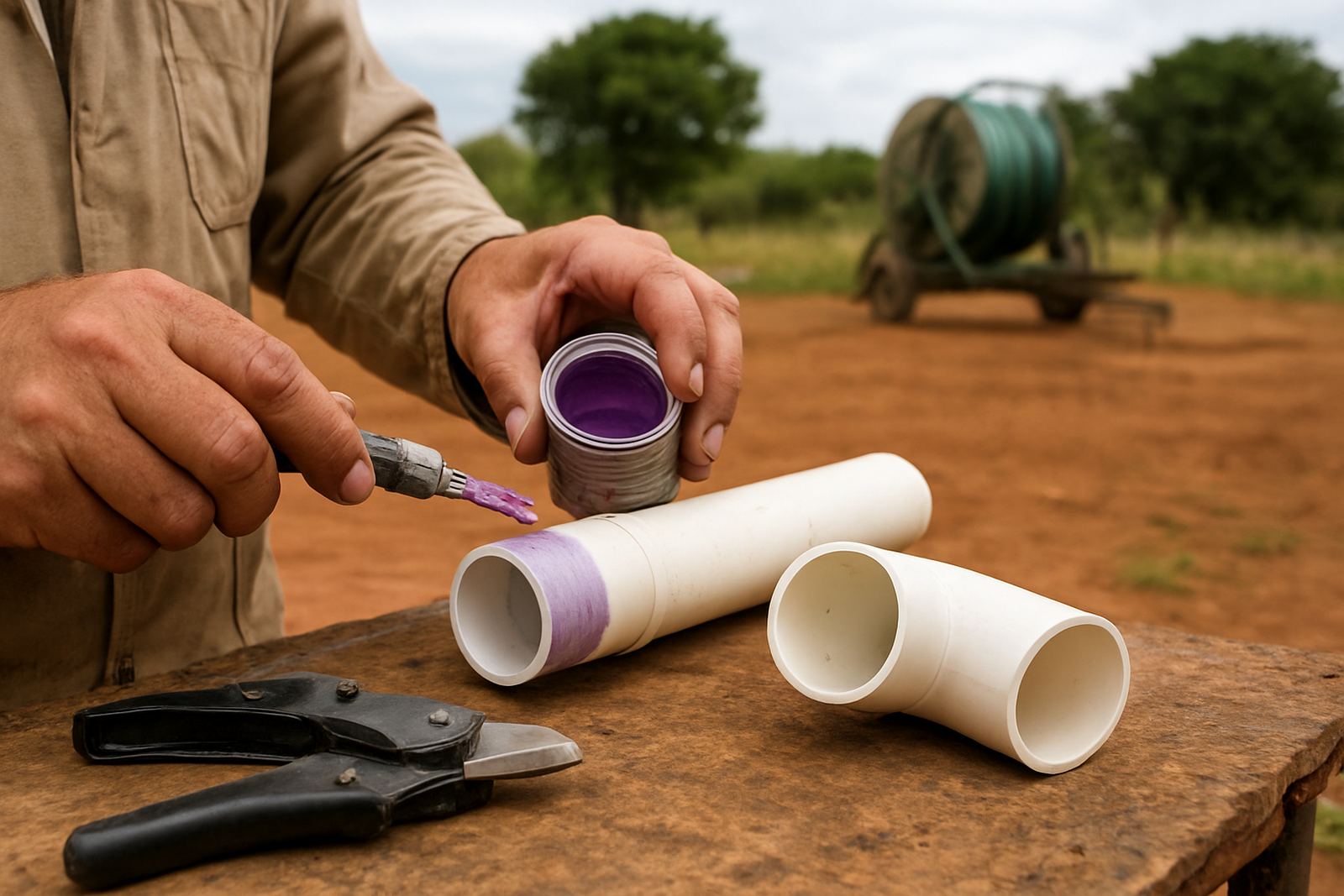
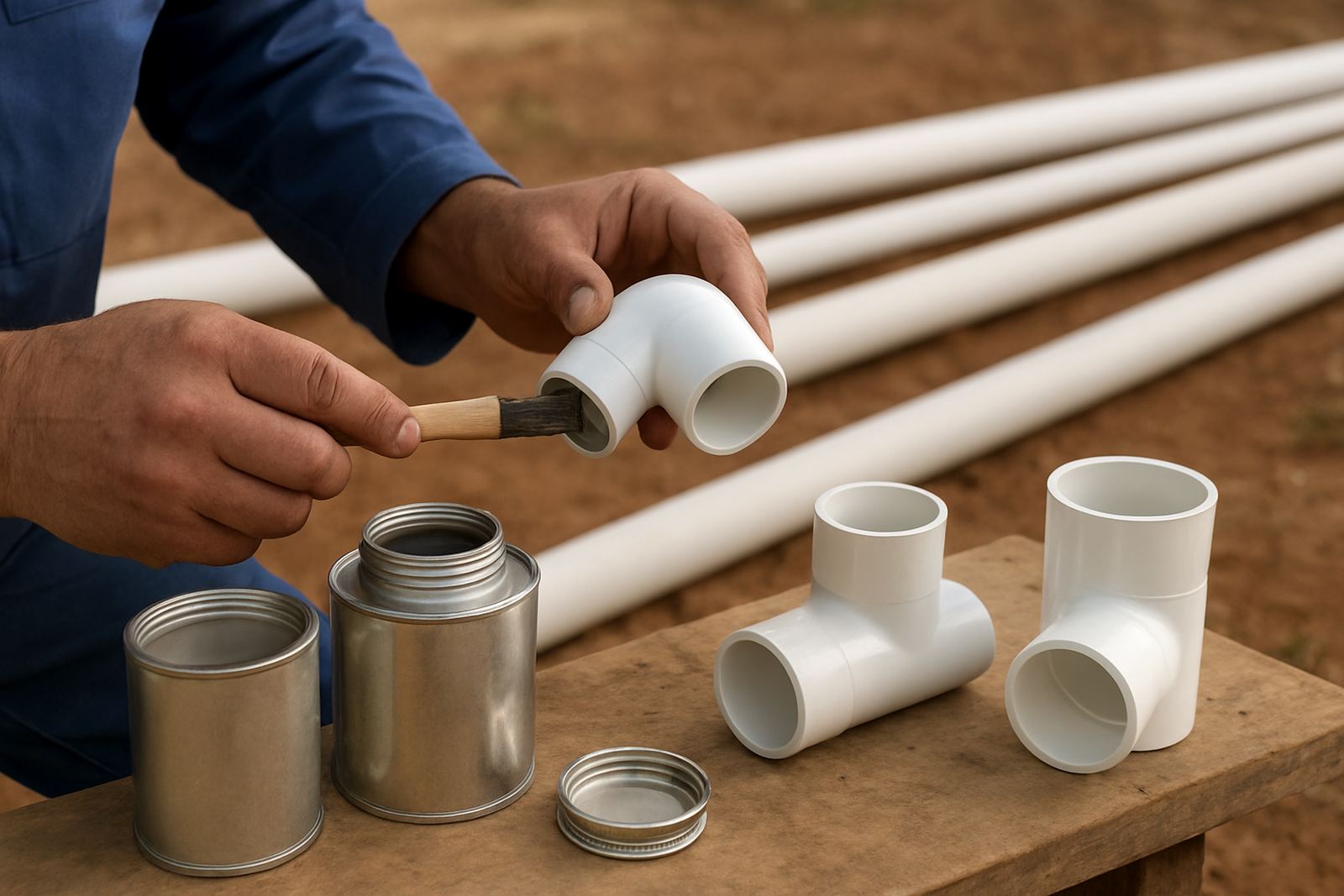
Solvent-weld joints rely on correct preparation and careful handling. Surfaces need to be clean, dry and free of grit before assembly. A rushed joint or one made with dirty pipe can lead to weak sealing, leaks or movement once the line is pressurised. On dusty farms, that small detail makes a big difference.
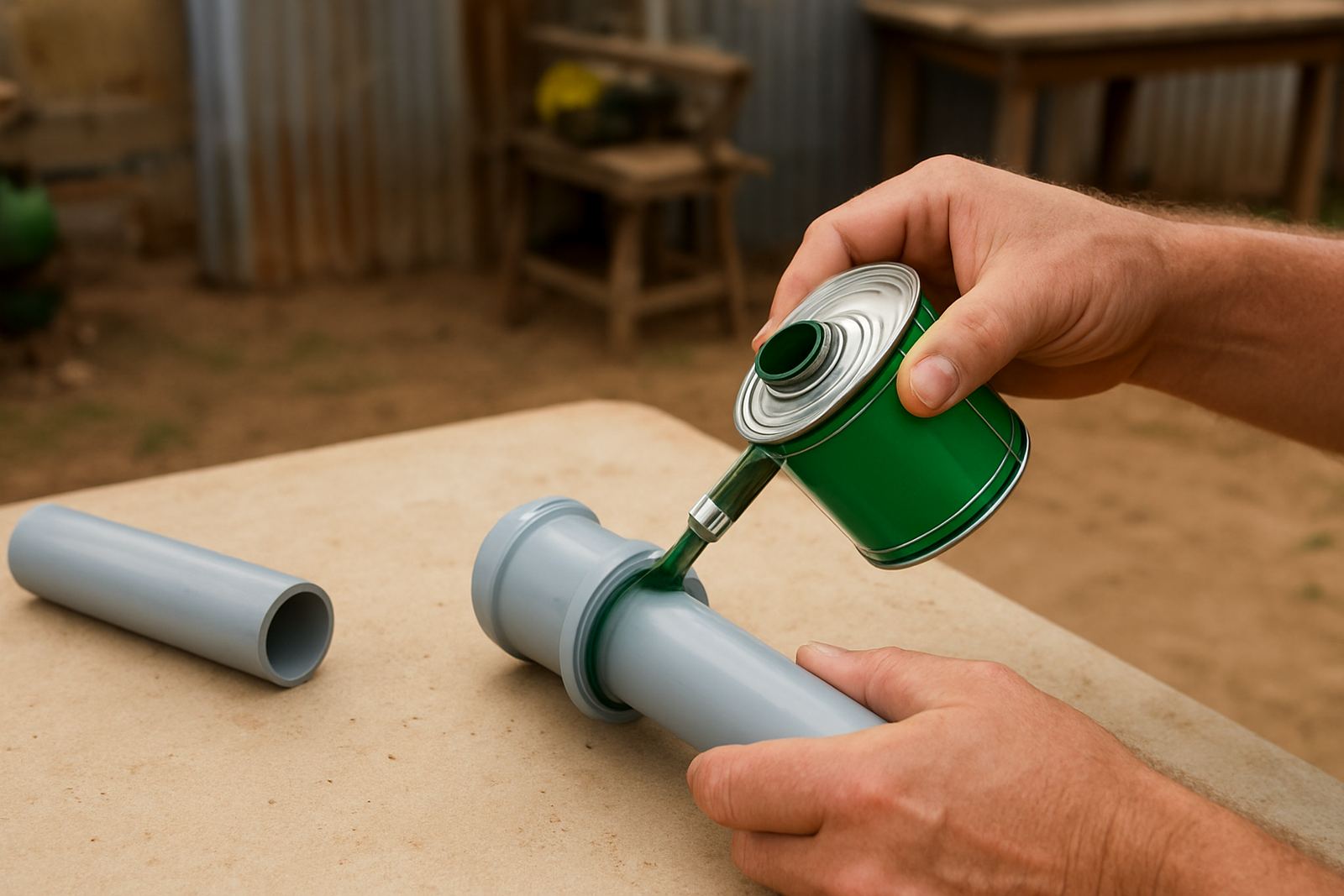
Follow the same basic steps each time: dry fit the parts, mark the insertion depth, apply the jointing method evenly, and hold the pieces steady long enough for the bond to set. In hot weather, do not leave fittings in direct sun for too long before use. In coastal humidity or after rain, give the parts enough time to dry properly before jointing.
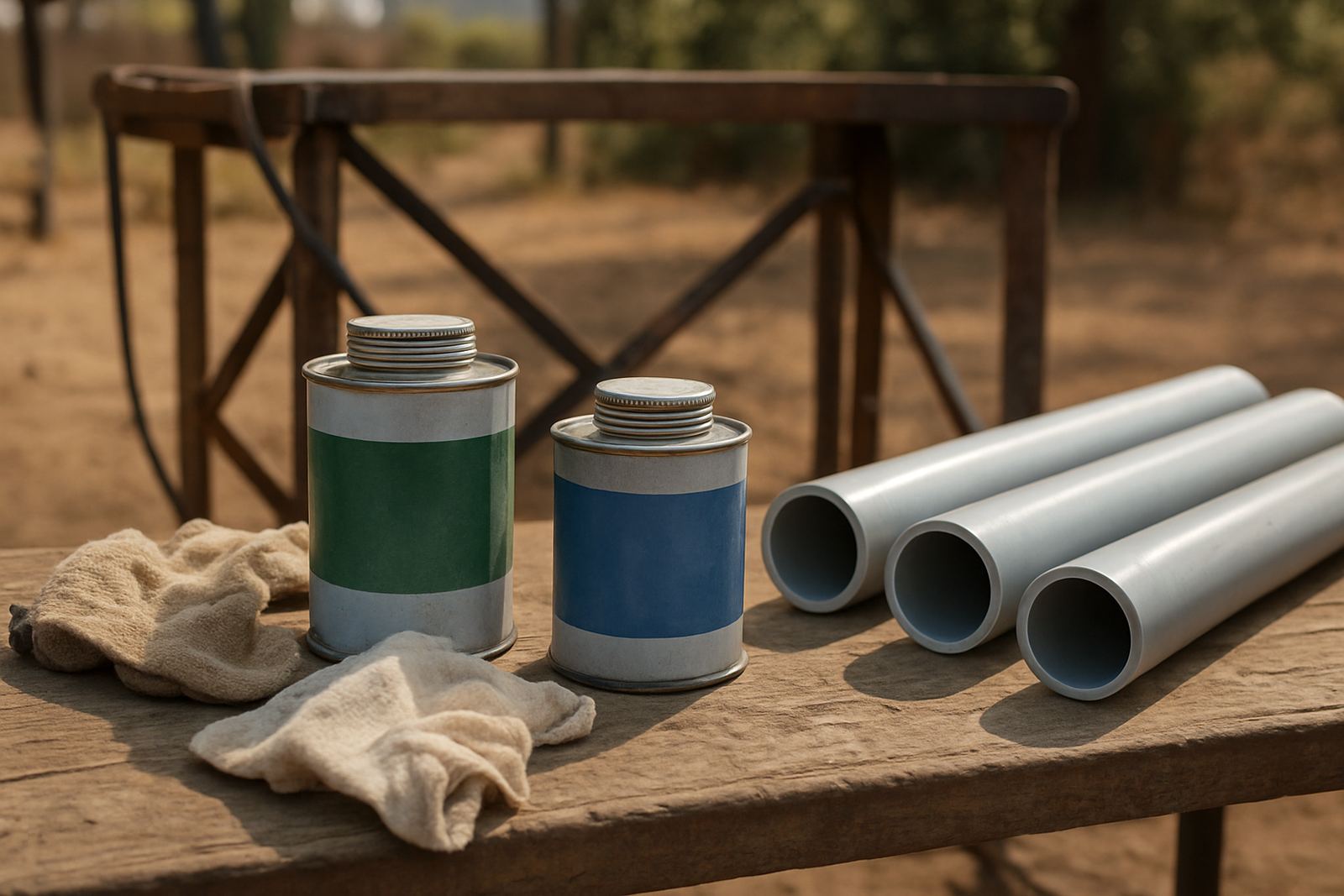
For teams working during load-shedding, keep a simple prep routine that does not depend on powered equipment. A clean rag, correct measuring tools and a tidy bench area help keep joints consistent even when the day is interrupted.
Tools That Make the Job Cleaner and Faster
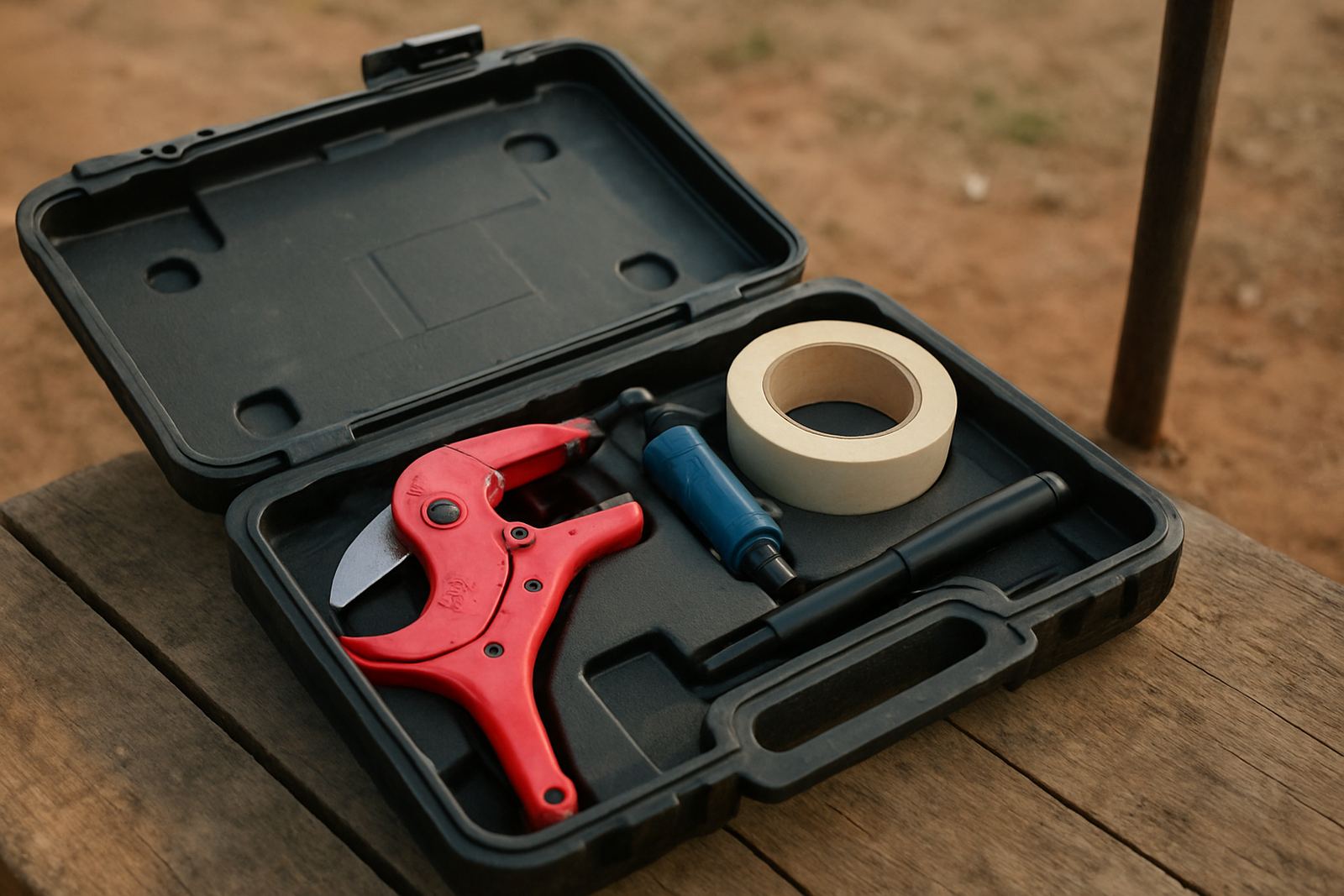
The right tool set helps the installer keep joints neat and repeatable. A good cutting tool, deburring tool, measuring tape and marking pencil are basic essentials for any irrigation crew. Some jobs also need jointing support tools for holding, aligning or checking fit before final assembly.
- Use a square, clean cut so the pipe seats properly.
- Remove burrs and loose shavings before jointing.
- Keep measuring tools close to avoid repeated handling.
- Store tools in a dry box to limit rust and damage.
- Separate fine tools from heavy fittings so they do not get knocked about in the bakkie.
When tools are kept in order, the crew works faster and makes fewer errors. That matters on larger farm runs where there is no time to redo joints because one piece was cut short or measured twice differently.
How to Choose Fittings for Different Irrigation Jobs
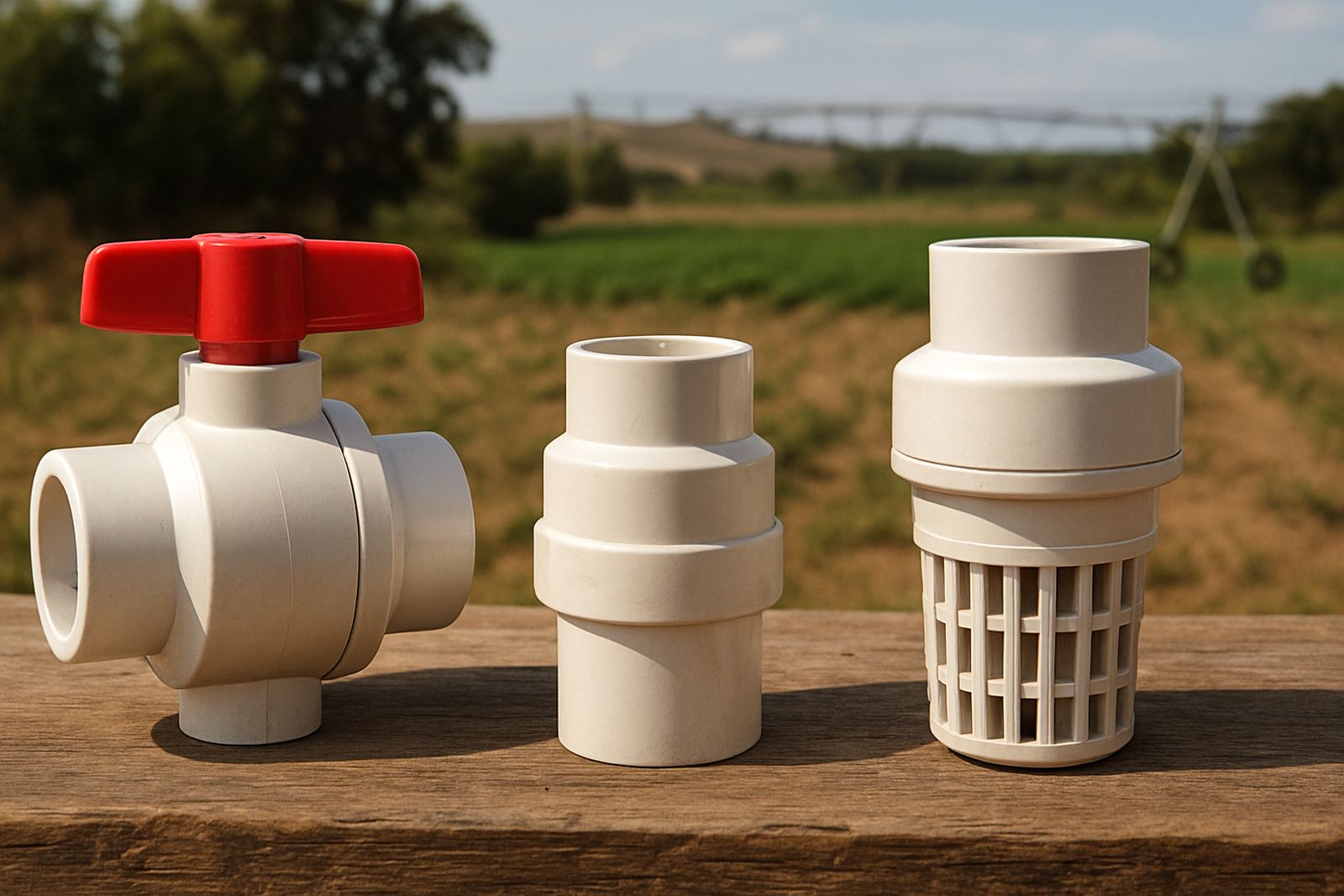
Different irrigation layouts place different demands on fittings. A neat landscaping job may need compact connections and careful finishing, while a farm system may need parts that can handle more movement, longer runs and frequent maintenance access. The best choice is the one that suits the flow, pressure and repair access on site.
We often help with jointing advice when clients are choosing between standard fittings, repair pieces and transition items. If a system is being extended, it is worth checking the existing line condition first. Old pipe, UV exposure and previous repairs can affect how the new joint settles. That is why troubleshooting help is useful before the first cut is made.
For larger orders, we can also assist with stock reserving and regional delivery, including Polokwane supply, Hoedspruit runs, Lephalale service work and courier dispatch nationwide. That keeps a project moving when one missing fitting can hold up the whole line.
Keep Joints Holding Long After Installation
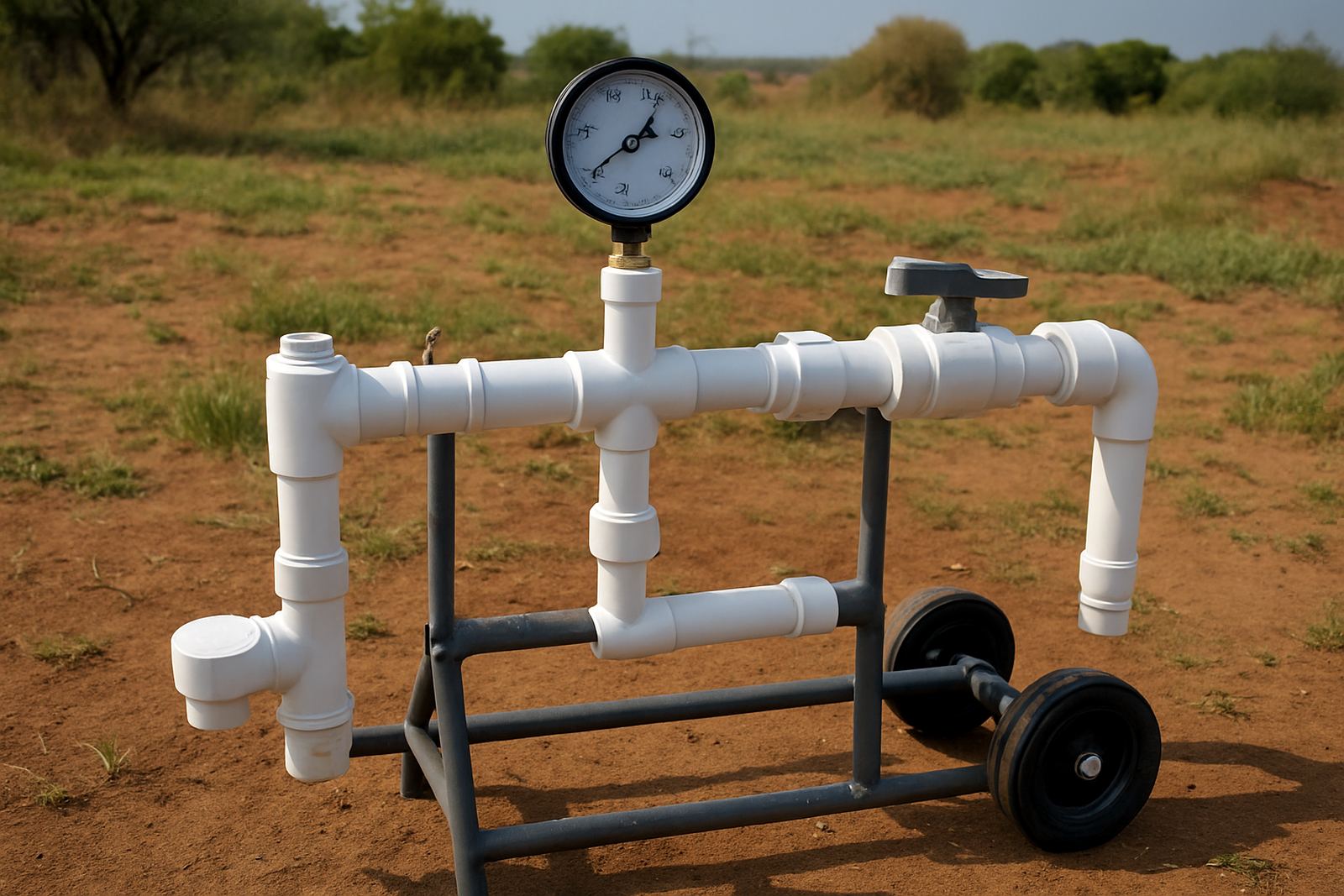
After the line is in place, good support keeps it working well. Pipes should be clipped, supported and protected from unnecessary strain. Where lines pass through rough ground or service areas, check that the fittings are not carrying extra weight or twisting from movement. A small support issue can turn into a leak later on.
For ongoing work, repeat order support helps contractors and farmers keep the same fitting types on hand. It also makes later repairs easier because the team already knows what was installed, how it was joined and which sizes are used on site. If you need after sales support or troubleshooting help, use the enquiry form and we will help you work through the next step.
Well chosen fittings and careful jointing do not just save time today, they reduce call backs and patch repairs tomorrow. That is the kind of result irrigation teams need on real jobs, not theory.