
Start with the exact thread type and pipe size
The first mistake many buyers make is matching the pipe only, then hoping the thread will line up. A good adaptor must suit both the solvent-weld side and the threaded side, so check the nominal pipe size in millimetres and the thread form before you order.
On irrigation lines you will often see 20 mm, 25 mm, 32 mm, 40 mm, 50 mm and larger sizes, but the thread can still vary. Do not guess from sight. Measure the outside diameter of the pipe, look at the fitting end and confirm whether you need a female adaptor or a male adaptor for the next connection point.
- Check the pipe size in mm, not only the old fitting description.
- Confirm whether the receiving part is threaded male or threaded female.
- Match the adaptor to the line pressure and the purpose of the run.
- Keep the spec sheet close when ordering repeat stock.
Know when to use a female adaptor and when to use a male adaptor
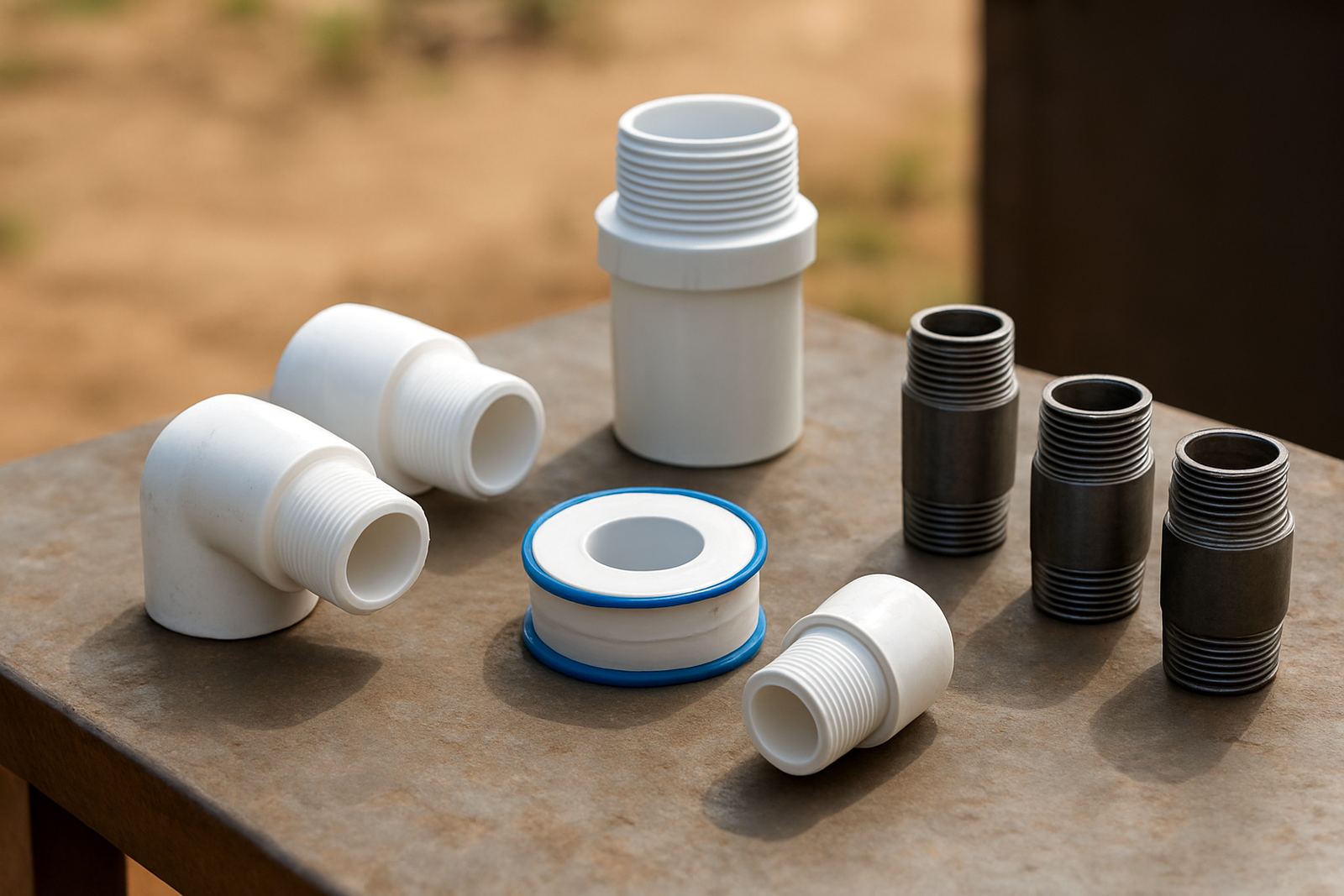
A female adaptor has internal threads and is used where a male threaded fitting, valve, tap or accessory must screw into it. A male adaptor has external threads and suits the opposite situation. That sounds simple, but in the field the wrong choice wastes time and can leave a line sitting unfinished while crews wait for the right part.
For farmers and contractors, the best habit is to map the connection before work starts. If the line is going into a pump room, manifold or a valve set, check the outlet and inlet on both ends. In wet areas and coastal humidity, a thread that starts badly can seize or leak sooner than expected so the fit must be clean from the start.
- Use female adaptors where the next fitting has external threads.
- Use male adaptors where the next fitting has internal threads.
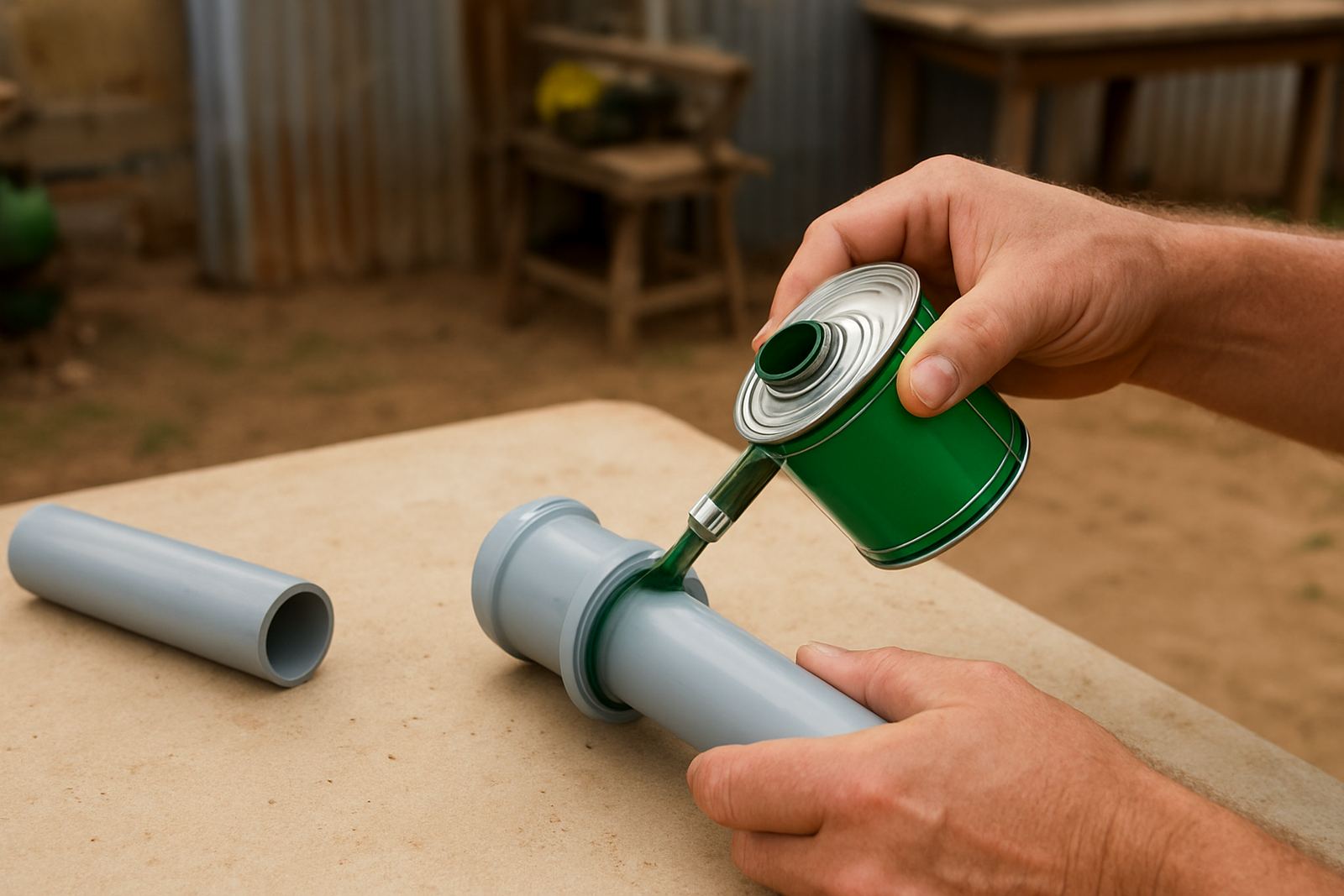
- Do a dry fit before solvent welding or final tightening.
- Allow space for a spanner or hand tightening on both sides.
Check the material body and why outdoor durability matters
Irrigation fittings live outside, under sun, mud, fertiliser residue and constant movement from maintenance work. A dependable adaptor should hold its shape and thread cleanly after repeated use. Look for a fitting made for irrigation service, not a general light-duty part that may split or distort after a season.
When stock is going onto farms in Limpopo, from Ladanna and Polokwane out to Tzaneen, Hoedspruit or Lephalale, durability matters even more because the line may run through dusty yards, hot pump rooms and long exposed stretches. If the pipe changes direction or joins a pump accessory, the adaptor should not become the weak point in the system.
- Choose fittings intended for outdoor irrigation use.
- Ask whether the adaptor can handle regular pressure changes.
- Inspect the moulding for clean threads and a neat socket finish.
- Store spare adaptors out of direct sun and away from crushing loads.
Sealing, thread engagement and leak prevention
Good sealing starts with proper thread engagement. The fitting should screw in smoothly by hand before any final tightening. If it binds too early, the thread may be crossed or the sizes may not match. On a threaded joint, you want enough engagement for a firm seal, but not so much force that the plastic stretches or cracks.
Use the correct sealing method for the thread type in your system and keep the surfaces clean. Dust, sand and fertiliser crystals can interfere with the seal. On load-shedding days, rushed repairs are common, but it is better to take an extra minute than to return to a leaking joint after the pump starts up again.
- Start every threaded connection by hand.
- Keep thread faces clean and free of grit.
- Do not over-tighten plastic threads.
- Test for seepage before backfilling or leaving the site.
Match the adaptor to pressure, pump size and system layout
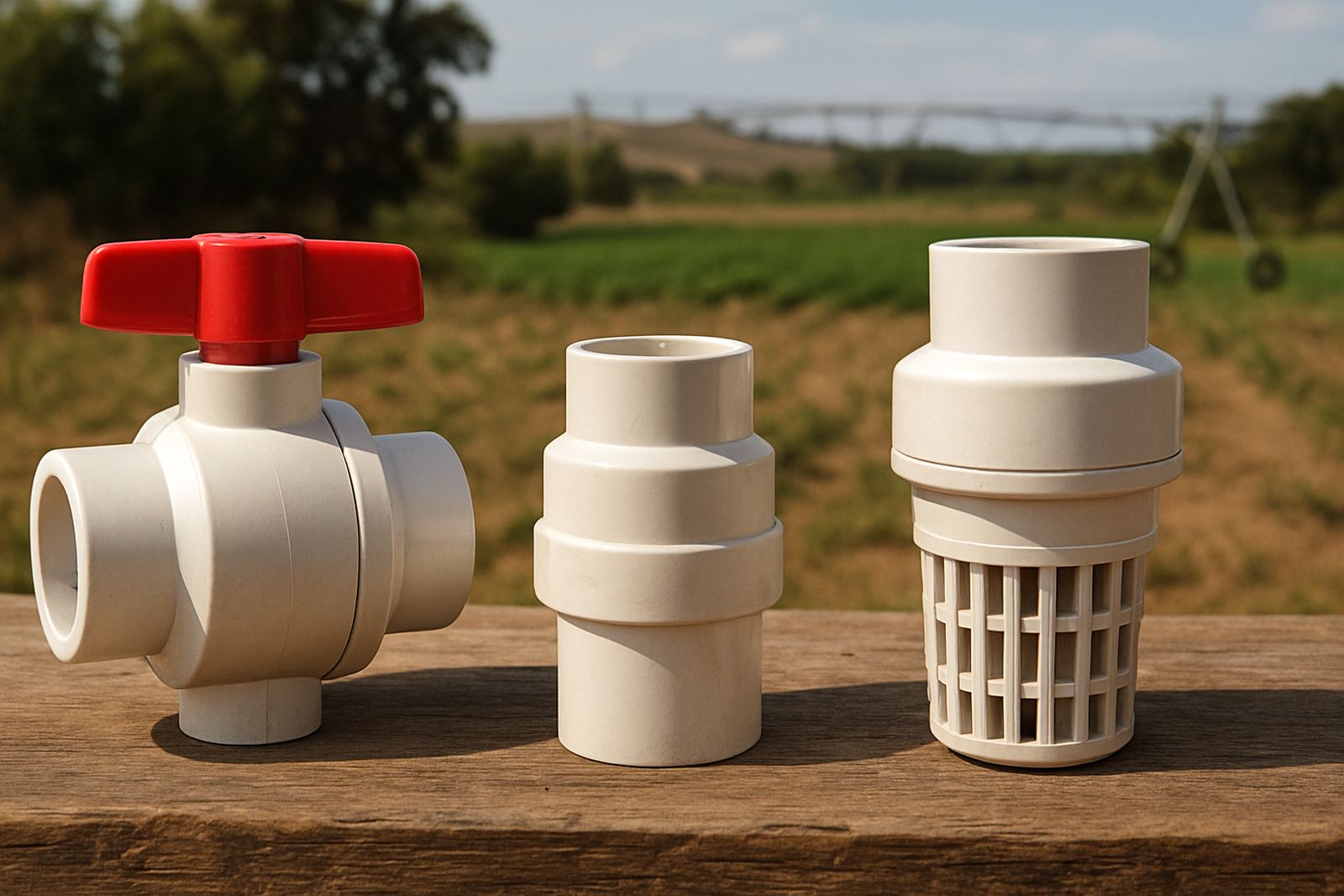
Not every adaptor is being asked to do the same job. Some are part of a small garden line, while others sit close to a pump, filter or mainline where pressure is higher and movement is greater. If the adaptor will sit near a pump house or on a long main run, the fit and thread quality become even more important.
Think about the whole layout, not only the single fitting. A line with sharp bends, vibration from equipment or frequent disassembly needs a better planned transition. If you are uncertain, ask for system matching before ordering. That can save a lot of on-site rework and help keep the material count accurate for the next delivery.
- Check pump output and expected working pressure.
- Allow for vibration near pumps and moving equipment.
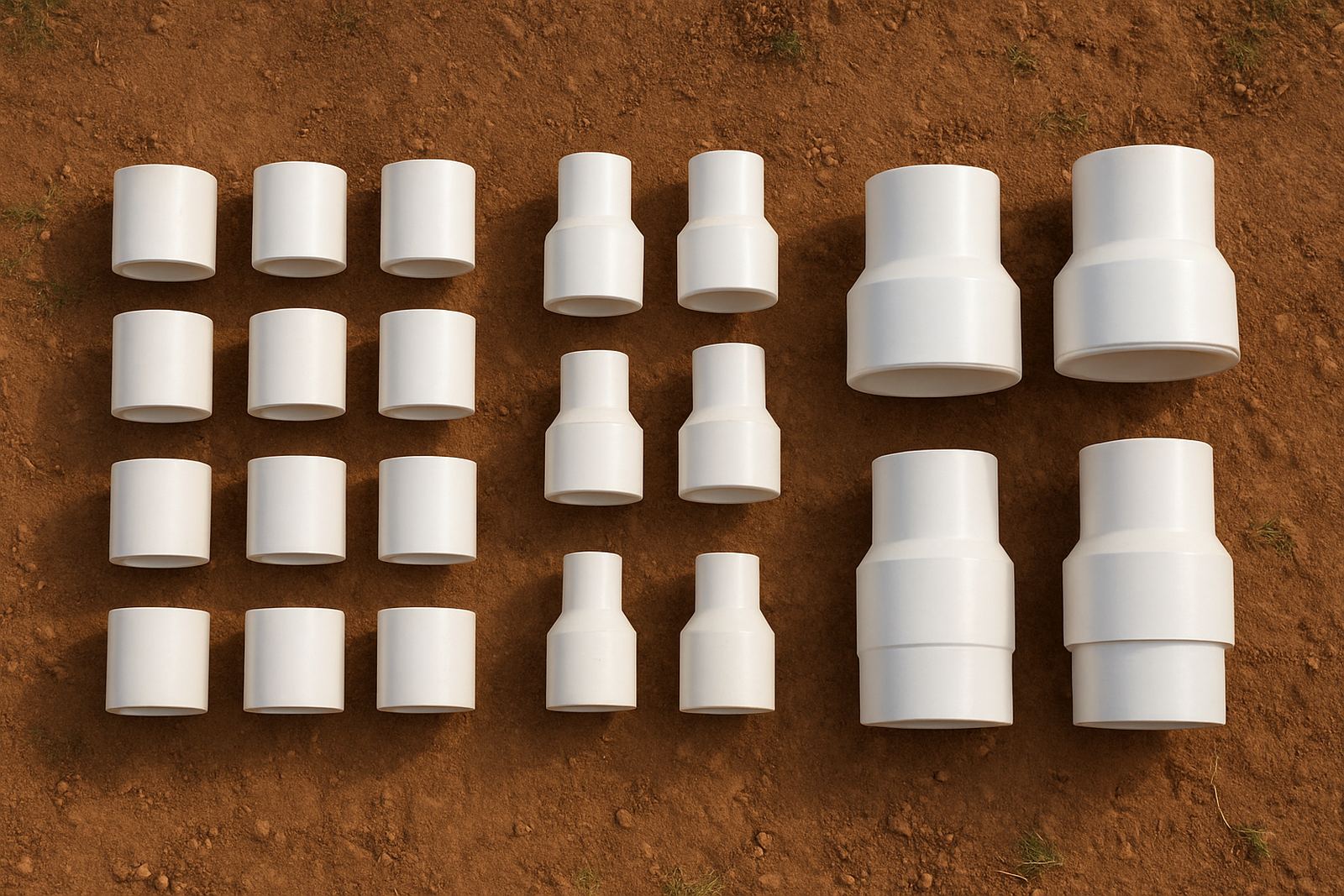
- Use the correct adaptor size for the mainline and the branch line.
- Plan enough access for future maintenance.
Buying checklist for contractors, farms and repeat orders
Before you place the order, run through a simple checklist. This is especially useful for contractors who need to keep crews moving and for farms that stock up ahead of peak irrigation periods. A clear list reduces delays, avoids wrong sizes and helps with quantity checks before delivery leaves the branch or gets sent by courier.
For clients across Polokwane, Mokopane, Thohoyandou and beyond, the best orders are the ones that are measured, labelled and easy to repeat. If you need contractor accounts, farm order planning or stock reserving, keep the job notes together so the next order is quicker. That saves time when the season gets busy and the weather does not wait.
- Pipe size confirmed in mm
- Female or male adaptor confirmed
- Thread type and mating fitting checked
- Pressure and location noted
- Quantity counted with a small spare allowance
- Any couplers, solvent, tape or tools listed with the order
If you are unsure, ask for jointing advice or troubleshooting help before the purchase is finalised. A small check now can prevent a lost afternoon on site and an unnecessary return trip.