
Start With the Job: Join, Reduce, or Repair
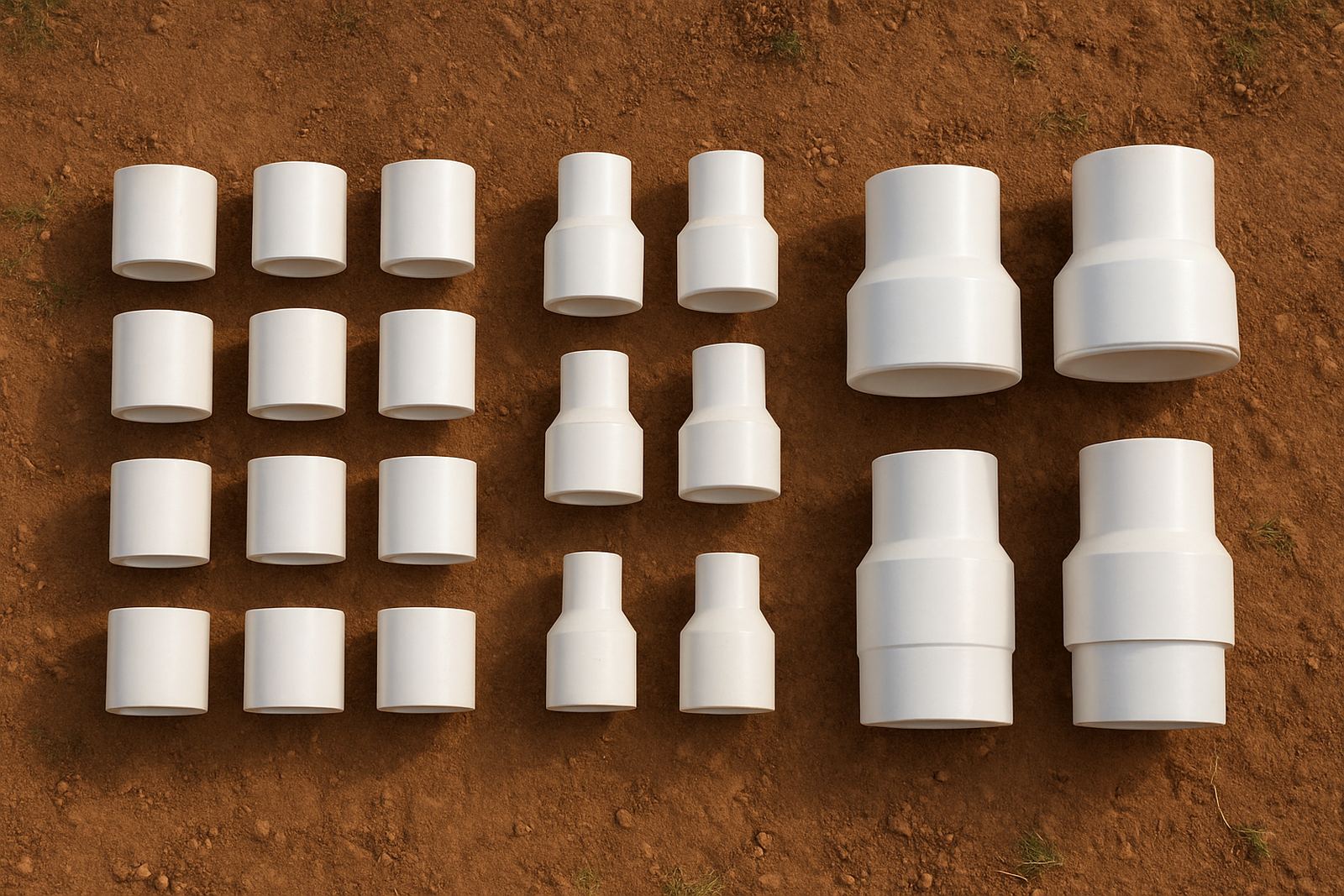
Before you buy anything, look at what the line needs to do. An equal coupler joins two pipes of the same diameter. A reducing coupler changes from one pipe size to another. A repair coupler is used when a pipe section has been cut out, cracked, or damaged and you need to reconnect the line with a neat, strong joint.
In irrigation work, a poor coupler choice can create a weak point that leaks later, especially on long farm runs, hot afternoons, or where the line sits in shifting soil. If the pipe sizes match and the line is sound, an equal coupler is usually the first option. If the run changes size for flow reasons, go reducing. If the pipe has failed and you have removed a section, a repair coupler is often the cleanest fix.
When an Equal Coupler Is the Best Fit
Use an equal coupler when both ends are the same nominal size and you want a straight, simple connection. This is the standard choice for most new installations, extensions and replacements where the existing line is still in good condition. It works well on main runs, laterals and short repairs where the cut ends line up properly.
Equal couplers are often the easiest option for contractors who need to keep stock moving on site. If you are doing multiple joins on a farm block, it helps to keep the same size couplers with the matching solvent and primer ready. That saves time when the sun is out, and no one wants to stand around with pipe cut and waiting for the right fitting.
- Use the same pipe diameter on both sides
- Check that the pipe ends are round, clean and dry
- Confirm the coupler depth before applying solvent
- Leave enough space for a proper insertion and hold time
When to Choose a Reducing Coupler
A reducing coupler is used where the system needs to step down from one pipe size to another. This is common when a main line feeds smaller branches, or where older sections have been changed and the line size no longer matches the new layout. It helps control flow without adding unnecessary adapters or extra joints.
In practical terms, the right reduction can improve irrigation balance across the block. On larger properties around Polokwane, Mokopane and further out into Limpopo, you may need to reduce at a distribution point so the branch lines get enough pressure without overloading the bigger line. A good match keeps the system tidy and easier to troubleshoot later.
- Use reduction only where the design calls for it
- Check pressure needs on the smaller side of the line
- Avoid using extra fittings where one reducing coupler will do
- Make sure the direction of flow is sensible for the layout
When a Repair Coupler Saves Time and Pipe
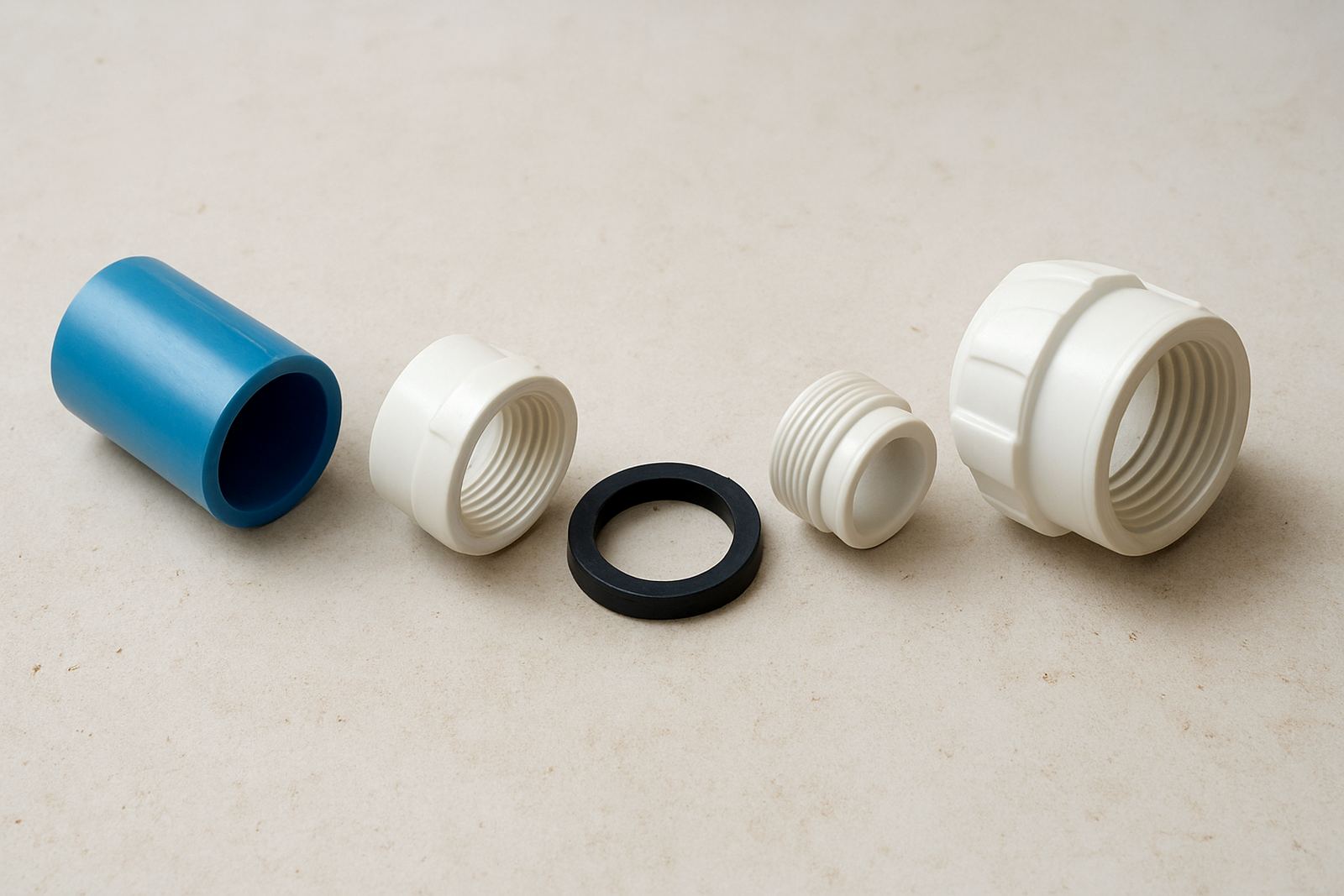
Repair couplers are useful when a pipe section has been cut out because of damage, a split, poor previous work, or accidental digging. They are made to help reconnect the line with a controlled joint, often where space is tighter and the pipe can not be moved much. On active farms and landscaped sites, that can save a lot of time.
Use a repair coupler when the damaged section is fully removed and the remaining pipe ends are sound. If the pipe is badly ovalled, brittle or crushed, you may need to cut back further before fitting anything. In coastal humidity, on sites exposed to sun all day, and in areas with frequent water movement, it is worth checking the surrounding pipe for more hidden damage while the line is open.
- Cut back to clean, solid pipe before joining
- Inspect for cracking beyond the obvious break
- Keep the repair section short but workable
- Test the line before burying or covering it again
A Simple Selection Checklist Before You Order
If you are ordering for a farm, estate, nursery or contractor job, a quick check before you place the order can prevent delays. The main thing is to match the fitting to the pipe and the working conditions. Irrigation lines in Limpopo often deal with heat, dust, rough handling and long delivery distances, so accuracy matters.
Use this checklist before you confirm your couplers:
- Measure the pipe outside diameter and confirm the nominal size
- Decide if the line is same size, reduced, or being repaired
- Check whether the joint will be buried, exposed or near a pump line
- Confirm the pressure rating needed for the system
- Look at access, if the joint must be fitted in a narrow trench
- Match the coupler type to the solvent welding method you are using
If you are not sure, it is better to stop and measure again. One missing size can delay a whole delivery run, and on a busy site that can hold up the rest of the day.
Good Jointing Practice for Cleaner Results
Even the correct coupler will underperform if the joint is rushed. Clean cuts, dry surfaces and proper alignment matter. Keep the pipe square when cutting, remove burrs and dirt, and dry-fit the parts first so you know they seat properly. This is especially important when working in the morning before the heat rises and the pipe starts to soften.
For best results, use a steady approach rather than forcing the pipe into the fitting. Hold the joint in line long enough for it to grab, and allow the recommended curing time before pressure testing. That small bit of patience can save a repeat call-out later. On large installations, make a habit of checking every joint before the trench is closed or the line is pressurised.
- Cut pipe square and clean off burrs
- Dry-fit the coupler before solvent application
- Keep the joint aligned during set time
- Do not rush pressure testing on fresh joints
Buying for Limpopo Sites and National Delivery
At PVC Welders in Ladanna, Polokwane, couplers are selected with real irrigation work in mind, from small repairs to bulk farm orders. We support clients across Polokwane, Mokopane, Tzaneen, Hoedspruit, Lephalale and Thohoyandou, with irrigation stock trucked across Limpopo and couriered nationwide. That helps when a site needs parts quickly and the right fitting size is not something you want to guess on the day.
For repeat orders, contractor accounts, stock reserving and quantity checks, it helps to have the pipe schedule, line sizes and job list ready before you submit your enquiry. If you are matching couplers to an existing system, send through the details on the contact page and we can help you choose the right option for the job, whether it is equal, reducing or a proper repair fit.