Start With the Irrigation Job, Not the Pipe Carton
Before buying pressure pipe, work out what the line must do on site. A short orchard line, a centre pivot feed and a long farm reticulation run all need different pipe sizes and pressure ratings. Start with the source pressure, the pump output, the number of outlets, and the length of the run. On larger farms around Limpopo, that first check saves a lot of grief later.
It also helps to note whether the line will sit in full sun, be buried, cross rough ground or run near vehicles and implement traffic. Outdoor UV, heat and accidental knocks all affect how long a system lasts. In humid areas and coastal routes, storage and handling matter too because fittings and pipe can sit in damp conditions for longer than expected.
- Measure the full run in metres, not just the straight line on paper.
- Note the pump pressure at the point where the pipe will connect.
- Count all outlets, valves, bends and future expansion points.
- Check whether the line must handle daily use or only seasonal irrigation.
Match Pipe Diameter to Flow and Pressure Loss
Pipe diameter is one of the biggest choices on any irrigation job. If the pipe is too small, friction loss builds up and the last sprinklers or drippers get less water. If the pipe is too large, the cost climbs and the installation can become harder to manage. The right balance depends on flow rate, distance and the type of irrigation hardware being used.
As a practical rule, longer runs and higher flow need a larger diameter to keep pressure loss under control. If you are feeding several blocks from one main line, allow for the peak demand, not only the average. Many problems on farm systems come from sizing the pipe for one section and forgetting what happens when the whole line opens at once.
- Short, low-flow lines can often use a smaller diameter.
- Longer runs usually need a wider pipe to hold pressure better.
- When in doubt, ask for a quantity check against the full system layout.
- Keep some allowance for future blocks or extra outlets.
Check the Pressure Rating Against Real Working Conditions
Pressure pipe is rated for a reason. The working pressure must suit the pump, the highest point on the site and any pressure spikes caused when valves open or close. A line that looks fine on paper can fail early if it is run too close to its limit every day. That is especially important on farms where power interruptions mean pumps switch on and off again after load-shedding.
Do not only compare the rating to the pump label. Add a margin for surges, warm water, sun exposure and long-term wear. In many irrigation installs, a line that is under less stress lasts longer and gives fewer call-backs. It also helps when municipal water pressure changes or when a system is later extended.
- Confirm the working pressure, not just the burst figure.
- Allow extra headroom for pump start-up surges.
- Consider higher-rated pipe where the line is exposed or buried deep.
- Use the same pressure logic for valves, tees and elbows.
Choose Fittings and Solvent-Weld Parts That Suit the Pipe
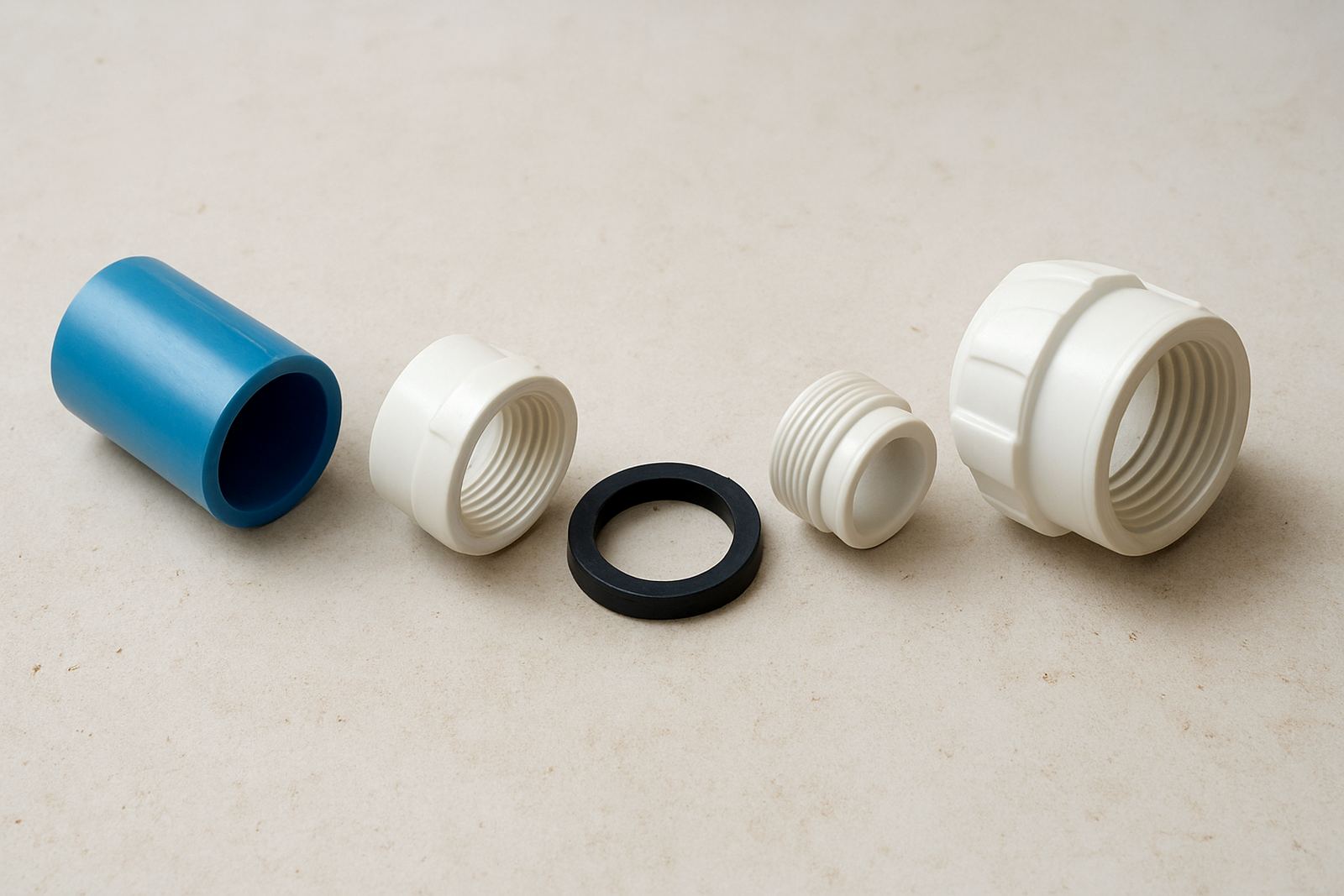
Pressure pipe only performs properly when the fittings match it. Solvent-weld joints must be clean, correctly sized and assembled with care. A poor joint can leak long before the pipe itself gives trouble. For irrigation work, the practical side matters: the fitter needs parts that are easy to align, easy to inspect and suitable for the pressure in use.
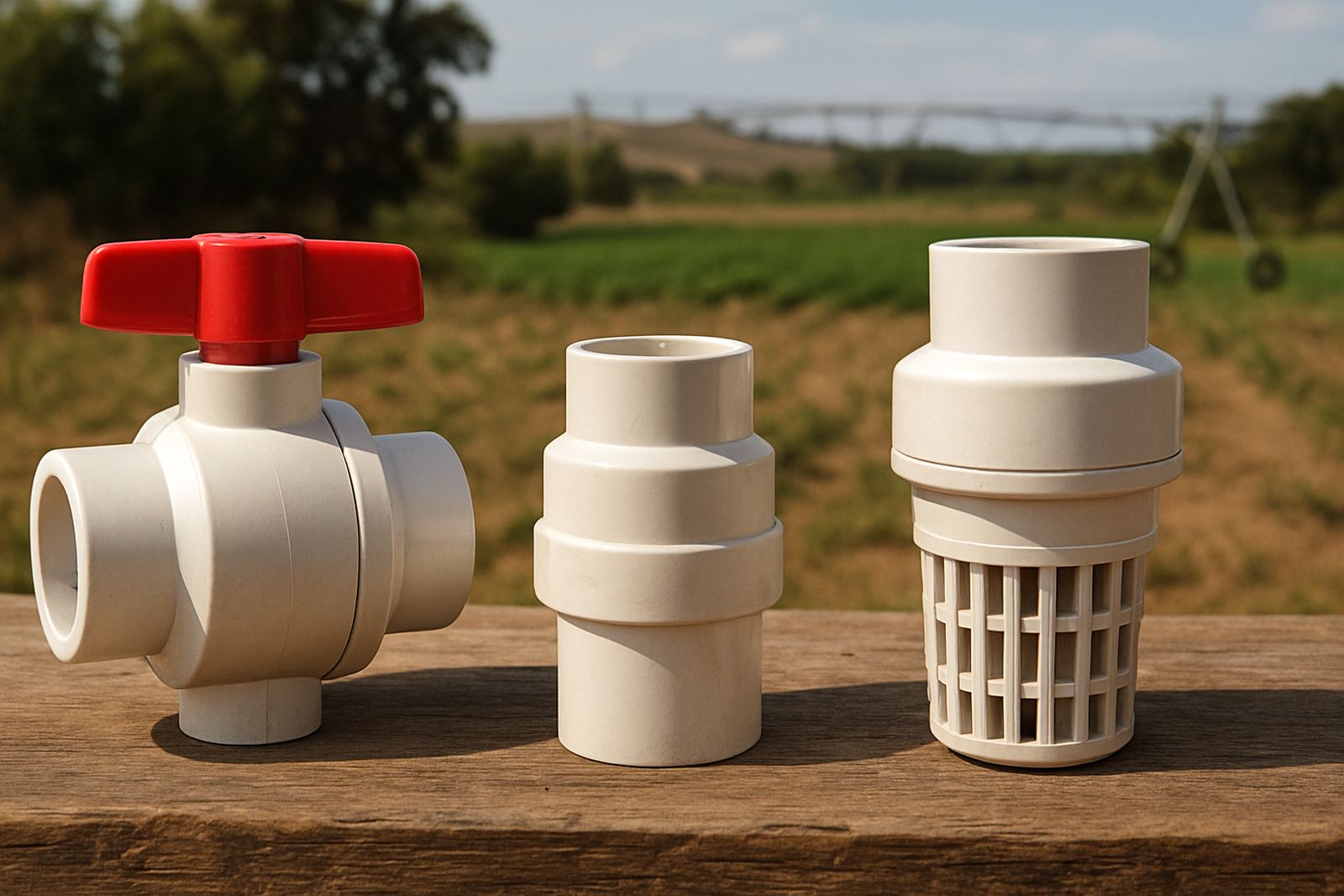
Look at reducers, tees, elbows, couplers and adaptors as one system, not separate items. If one part is mismatched, the whole line can be affected. On contractor jobs, keeping the same size and compatible joinery across the site makes repairs easier later and cuts down on wasted time.
- Use fittings that match the exact pipe size and pressure class.
- Keep pipe ends square, clean and dry before joining.
- Plan for unions or dismantling points where future servicing is likely.
- Check that each fitting suits the chemical and water conditions on site.
Think About Installation, Repairs and Daily Site Conditions
A pressure pipe system should be selected for the people who will install and maintain it. If a farm crew is working in heat, dust or after power cuts, the pipe and fittings need to be practical to handle. Heavy lines take more effort to move, while thinner lines may be easier to lay but can be more vulnerable if the ground is rough or machinery passes nearby.
Also think about repair access. A line that is buried under a busy access road is harder to fix than one with reachable sections and sensible isolation points. On municipal-compliant jobs and organised farm layouts, good planning usually means fewer emergency callouts and less water loss when something needs attention.
- Provide shut-off points for sections that may need servicing.
- Leave room for clamp access and joint repairs.
- Keep spare fittings on hand for the most common sizes.
- Store pipe out of direct sun if it will not be installed straight away.
Use a Simple Buying Checklist Before You Place the Order
Before you commit to buying pressure pipe, confirm the full list of requirements. This avoids short deliveries, wrong diameters and delays on site. It also helps when ordering stock for multiple areas, whether the job is going to Polokwane, Tzaneen, Hoedspruit, Lephalale or further afield by courier. Good ordering is about matching the pipe to the job, not just taking what is available today.
If you are working on a large farm order, a contractor account or a repeat irrigation project, ask for help with stock reserving and quantity checks. That is often the quickest way to keep the installation moving and avoid small errors that become expensive once the trench is open.
- Pipe diameter and pressure rating confirmed
- Total metres measured with a sensible allowance
- Fittings list checked against the layout
- Delivery method arranged for your area
- Spare parts and future expansion planned
Get the Right Advice Before You Finalise the Purchase
Buying pressure pipe is easier when the advice is tied to the actual irrigation plan. A good supplier should help with product selection, system matching, jointing advice and troubleshooting support after the sale. That matters on farms and landscaping jobs where one wrong choice can affect the whole line. It also helps when stock needs to move quickly across Limpopo or be sent nationwide by courier.
At PVC Welders in Ladanna, Polokwane, the team works with farmers, landscapers and contractors who need practical guidance and reliable supply. Mpho Sekgobela, Annelie van Zyl, Thabo Mashaba, Lerato Mokoena, Johan Smit and Nokuthula Dlamini help clients check quantities, match parts and plan orders for the next stage of the job. If you are unsure between sizes or pressure ratings, use the enquiry form on the contact page and send through your details, and we will help you sort it out properly.