
Start With the Job the Valve Must Do
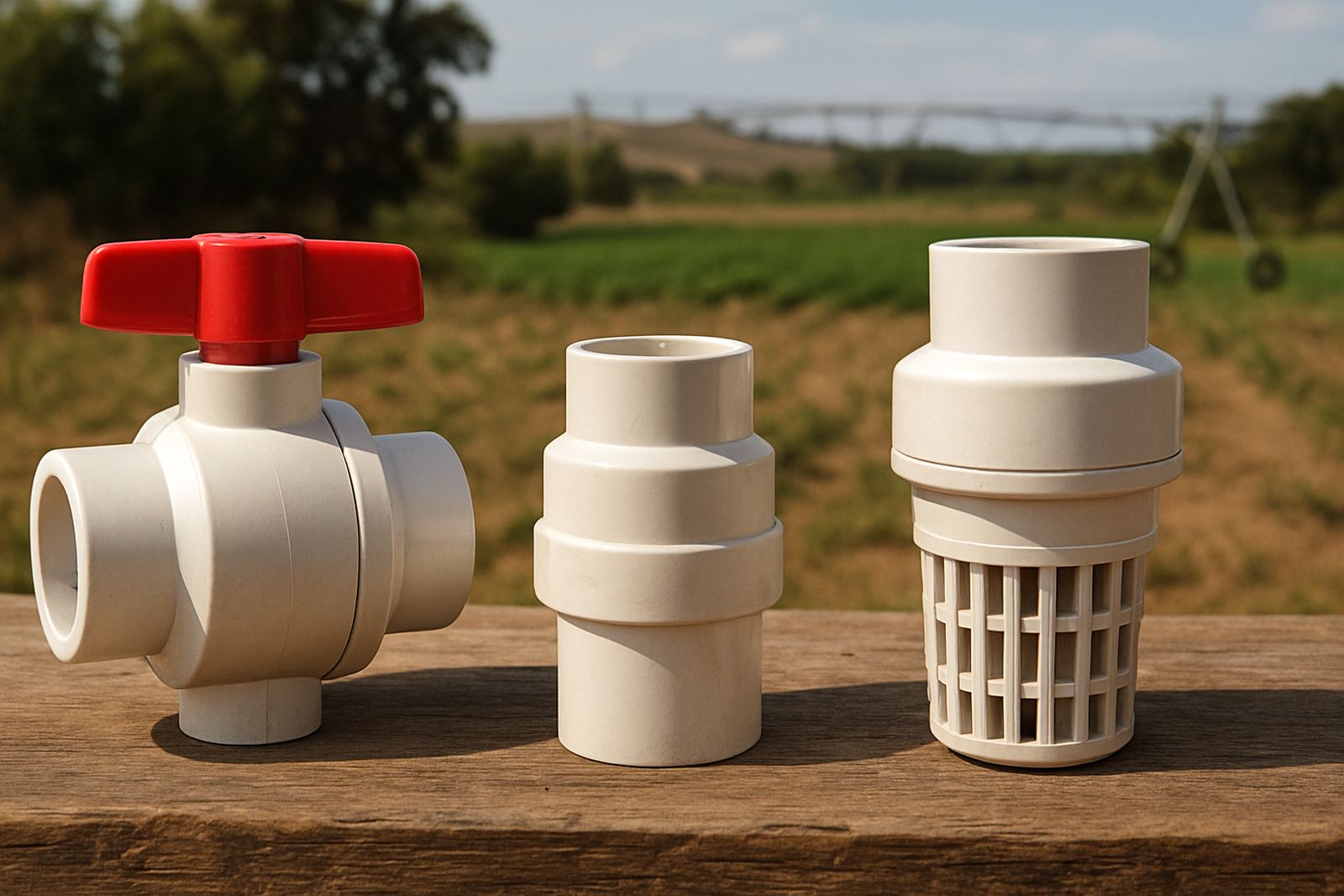
Before you choose any valve, decide what problem it must solve. A shut-off valve is used to isolate a section of line for repairs, water saving or zone control. A check valve allows flow in one direction only, which helps stop water draining back into the pump or main line when the system stops.
On farms and landscaped sites around Polokwane, Mokopane and Tzaneen, the right choice often depends on how the system starts and stops. If the line loses prime after every power cut, a check valve near the pump can help. If one block is run at a time, a shut-off valve at each zone makes maintenance much easier.
Think about water source, pump pressure, line length and how often the system will be opened for service. A valve that suits a nursery line may not suit a long rural run with pressure changes, silt or regular load-shedding interruptions.
Match the Valve Type to the Function
Not every valve does the same job. For irrigation systems, the main choices are usually simple shut-off valves and non-return or check valves. If you are unsure which one is needed, first ask whether you need to stop water manually or stop reverse flow automatically.
- Use a shut-off valve where you need manual control over a section or zone.
- Use a check valve where backflow, drain-back or pump protection is the concern.
- Use both when a pump line needs protection and the downstream area also needs isolation for repairs.
- Choose a layout that can be reached easily for inspection, cleaning and replacement.
For contractors, it helps to label zones clearly and keep spares for the fittings most likely to be opened more often. That saves time on site and reduces call-backs later on.
Check Size, Pressure and Flow Before You Buy
Valve size must suit the pipe size and the flow rate. If the valve is too small, it restricts flow and can create pressure loss. If it is too large for the pipework, the connection may be awkward and the system may be harder to balance.
Always check the nominal size, the working pressure and the flow direction. On higher pressure pump systems, a valve should be able to handle the system without leaking or chattering. In hotter inland areas and coastal humidity alike, the material needs to hold up well outdoors and stay serviceable over time.
- Confirm pipe diameter in millimetres before ordering.
- Check the pressure rating against the pump and the highest pressure zone.
- Allow for pressure surges when pumps start or stop.
- Make sure the valve fits the line orientation and service access.
If the line feeds several blocks, it is often worth checking the entire run rather than only one point. A quick size check can prevent a lot of rework when the fittings arrive on site.
Look at the Connection Style and Jointing Method
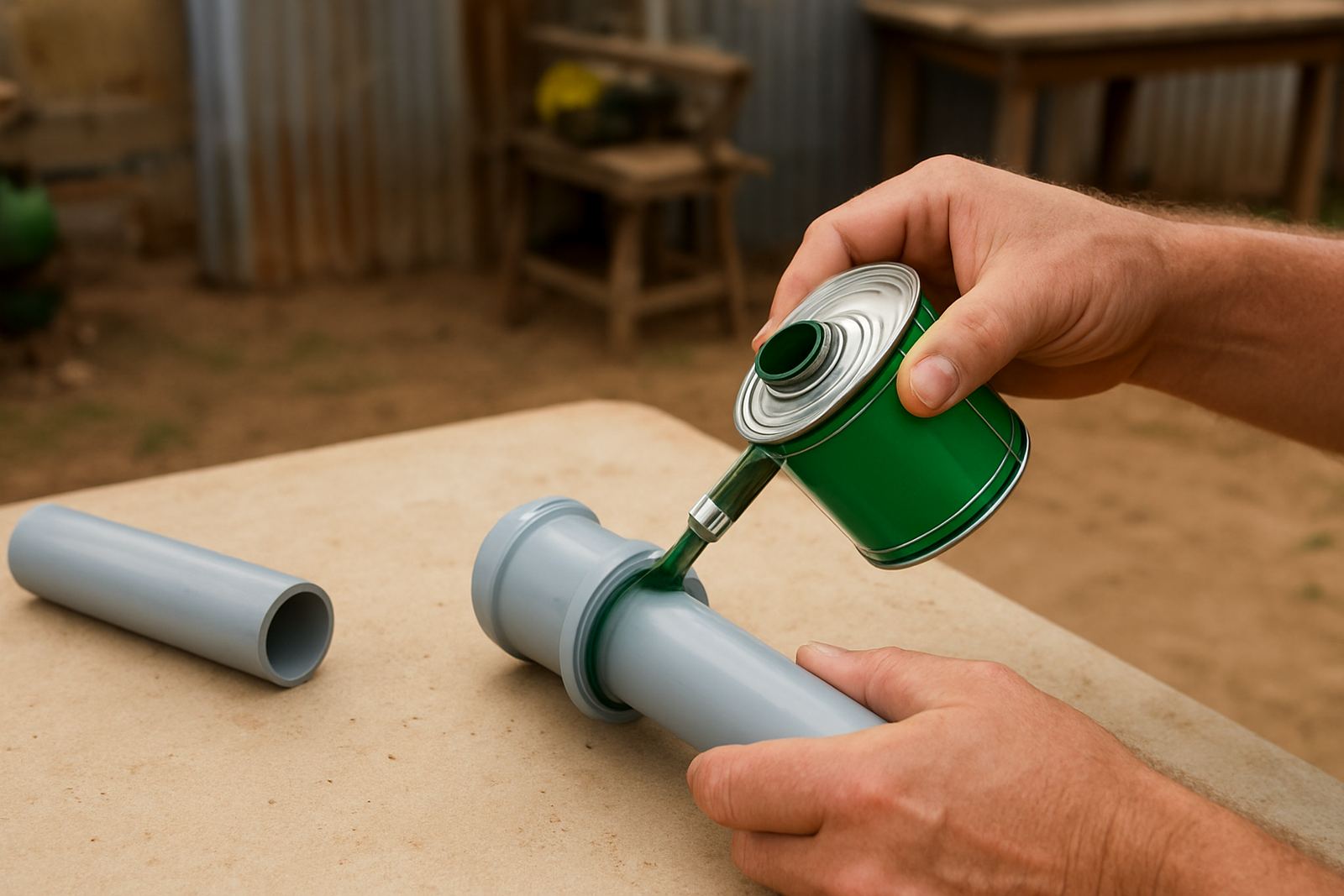
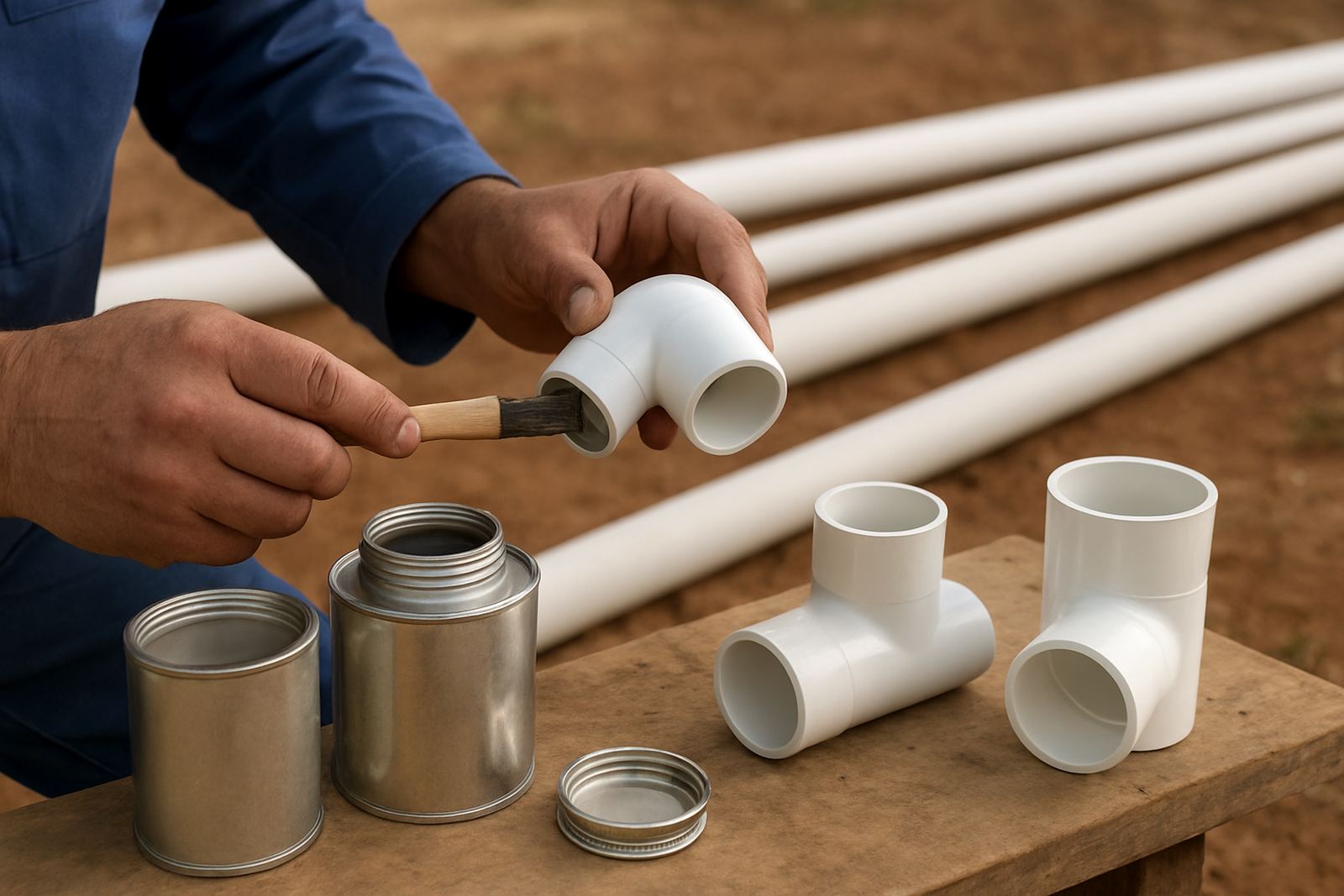
Connection style matters because a good valve is only as reliable as the joint around it. Solvent-weld fittings need clean cuts, dry pipe ends and the correct cementing method. A poor joint can cause seepage, weak alignment or early failure when the line is under pressure.
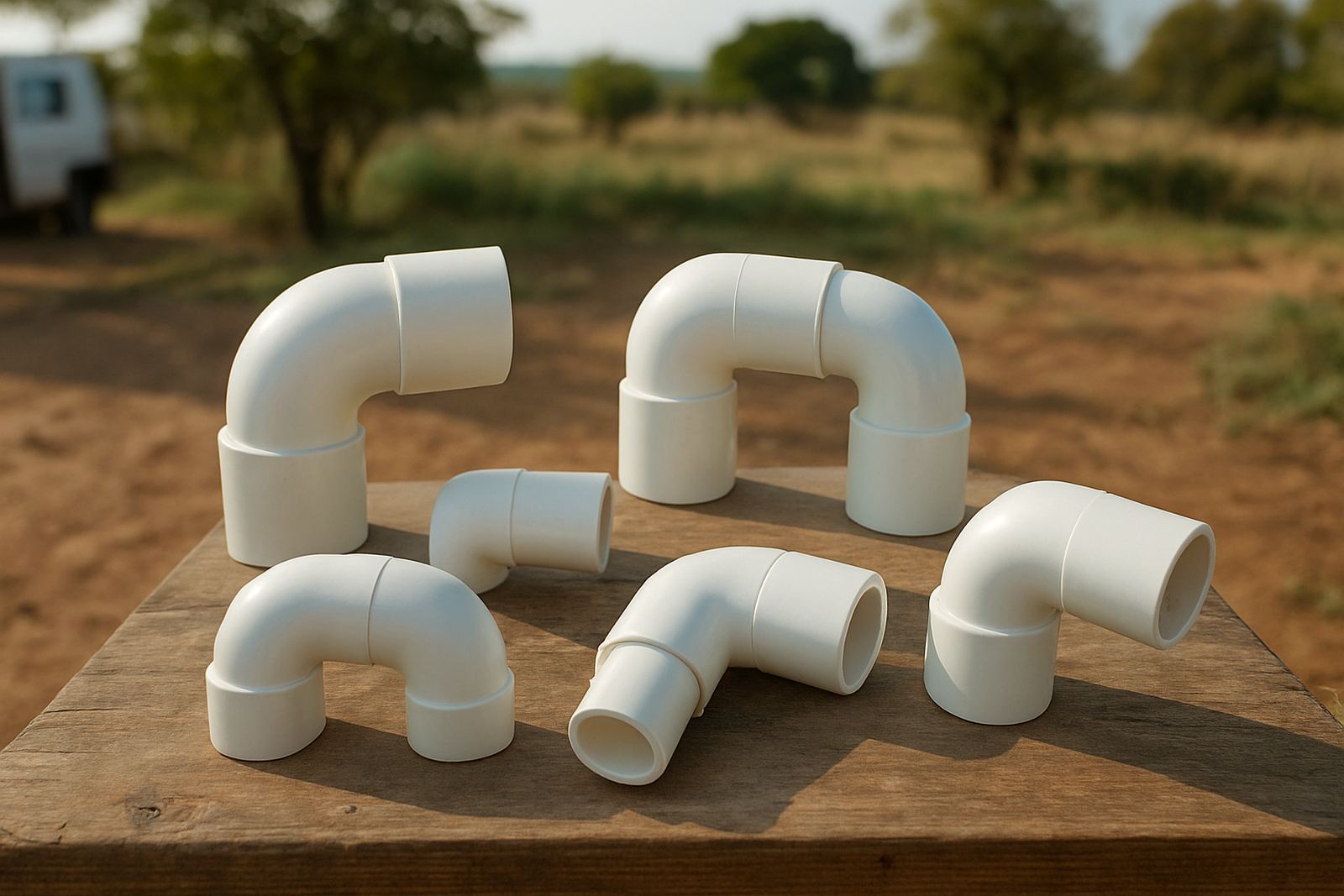
For irrigation installations, make sure the valve body and adjoining fittings are compatible and that the installer can maintain a straight run. Do not force a valve into a line that is misaligned, because strain on the joint often shows up later as a leak.
Practical checks before jointing include:
- Cut the pipe square and remove burrs.
- Dry fit all parts before applying adhesive.
- Check that the arrow on a check valve points in the correct flow direction.
- Leave enough room for future removal or replacement if the layout allows it.
Plan for Local Conditions and Daily Use
South African irrigation systems face dust, sun, hard water, silt and frequent handling. On farms near Hoedspruit or Lephalale, valves may sit in direct sun for long periods. In other areas, regular switching and vibration from pumps can loosen poor-quality joints over time. Choose components with outdoor use in mind, not just the lowest price.
If the site has municipal restrictions, limited water hours or strict crop timing, a dependable valve setup becomes even more important. Shut-off points should be easy to reach. Check valves should be placed where they protect equipment without making the system difficult to flush or service.
When a system is exposed to repeated power interruptions, make sure the pump line, suction arrangement and return flow points are considered together. A valve that works well in theory can still cause trouble if it traps air or makes priming difficult after each stop-start cycle.
Quick Ordering Checklist for Contractors and Farmers
Use this checklist before you place a farm or landscape order. It helps avoid missing parts and keeps the installation moving without extra trips to site.
- Confirm the pipe size and connection type.
- State whether you need shut-off, check or both.
- Give the pressure rating and expected operating pressure.
- Note the number of zones or lines that need isolation.
- List the site area so delivery or couriering can be arranged correctly.
- Include quantity, spares and any repeat-order items.
- Ask for jointing advice if the team will be installing on a tight schedule.
For projects across Limpopo, it helps to reserve stock early, especially when a job must move from Polokwane to surrounding towns without delay. Clear notes on the order save time and reduce back-and-forth during a busy week.
When to Ask for Advice Before Installation
If the layout is more than a basic single-zone run, it is worth checking the parts list before work starts. The same applies where the pump is under strain, the line is long, or the system has already shown signs of backflow, air locks or pressure drop. A short review now is usually cheaper than lifting pipe later.
Contractors often ask for help when matching several fittings to one job, or when a replacement needs to fit into an older line. In those cases, the safest route is to confirm the sizes, the flow direction and the installation sequence before opening the trench or glueing parts in place. That way the work goes in once, and it stays in place.
If you need support with stock selection, quantity checks, repeat orders or courier dispatch, use the enquiry form on the contact page and include your site details and required sizes.