Estate landscaping needs tidy irrigation that can be reached later
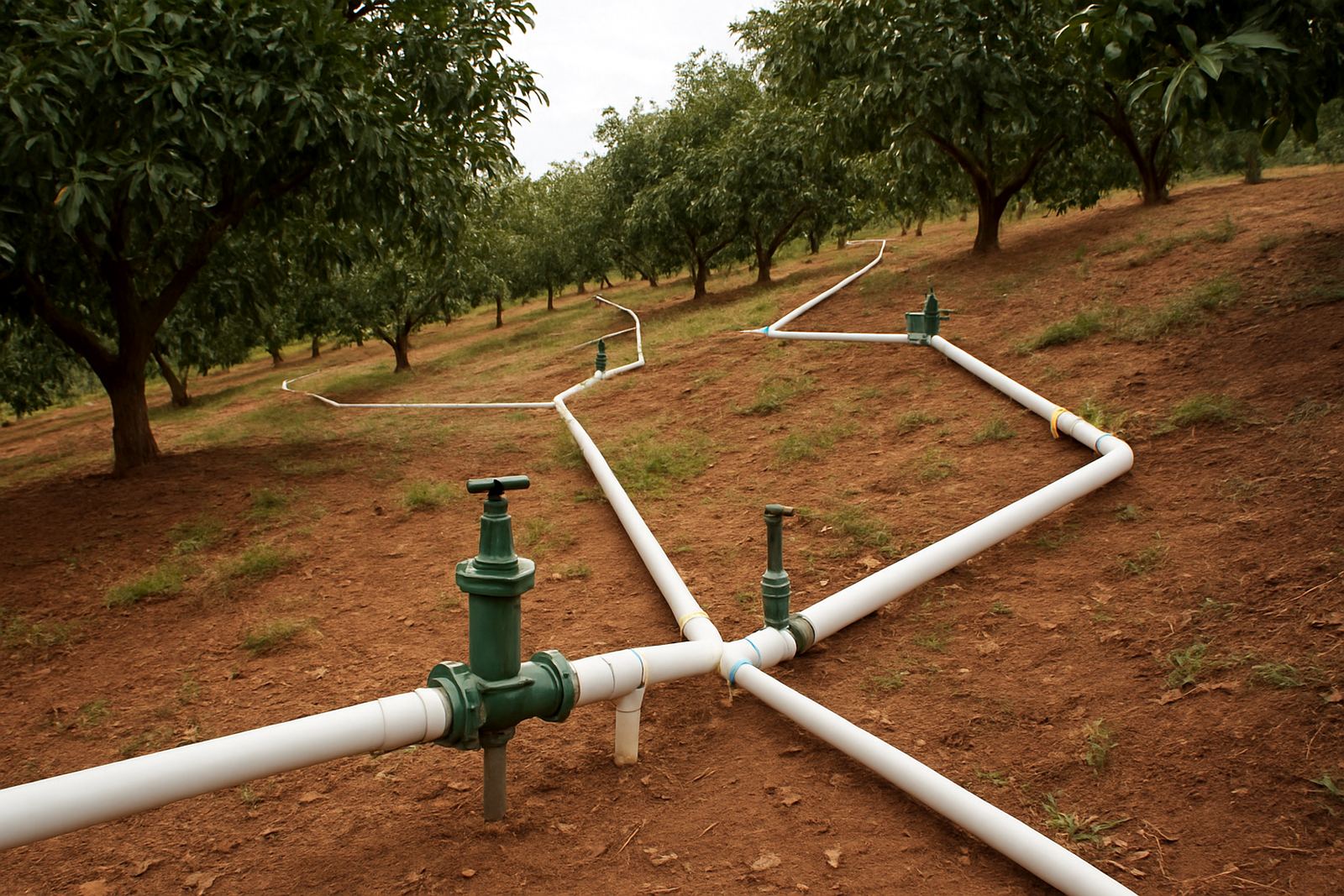
On a landscape estate, the irrigation line is part of the site finish, not just a utility. Pipes need to run cleanly along planting zones, cross driveways safely, and stay accessible for later maintenance when valves, filters or sprinkler heads need attention. That is why the fitting choice matters as much as the pipe size.
For estates, the work usually involves long mainlines, several watering zones, and a mix of open lawn and planted beds. You may also have sectioned access areas, security walls, raised planters and paved courtyards. A neat layout makes the system easier to isolate during repairs and reduces the chance of leaks hidden under mulch or stone.
PVC Welders supports estate teams, landscapers and contractors with PVC solvent-weld fittings that are suited to irrigation use in hot inland conditions, coastal humidity and dusty site work. The focus is on proper fit, reliable sealing and parts that keep their shape under daily outdoor exposure.
Typical fittings and tools for estate irrigation work
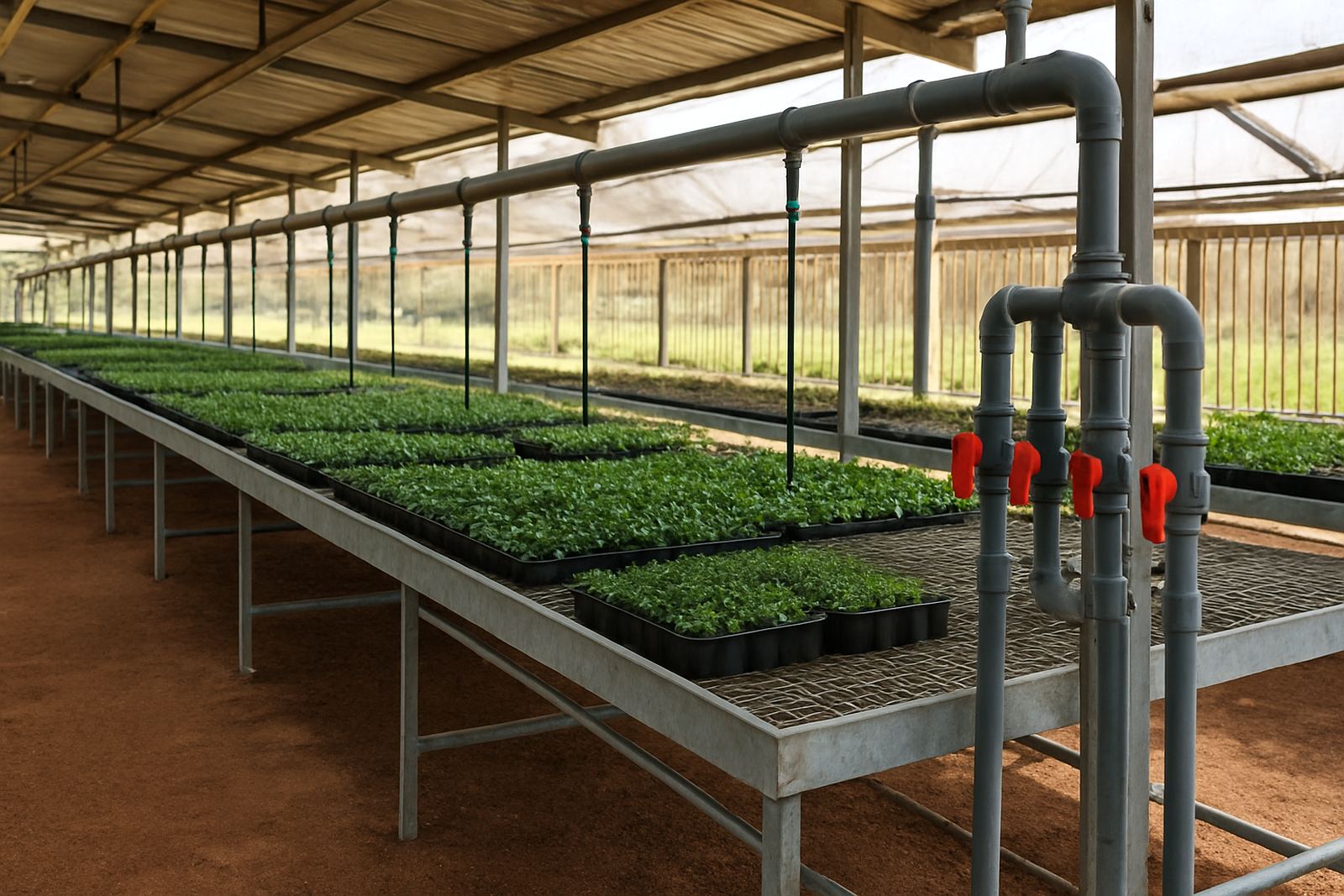
Most landscape estates need a practical set of fittings rather than a complicated assortment. The goal is to match the pipe route, the pump output and the zone layout without overbuying parts that will never be used. The usual set will depend on whether the estate is fed from municipal supply, a borehole or a storage tank system.
- Solvent-weld elbows, tees, couplers and reducing fittings for mainlines and submains
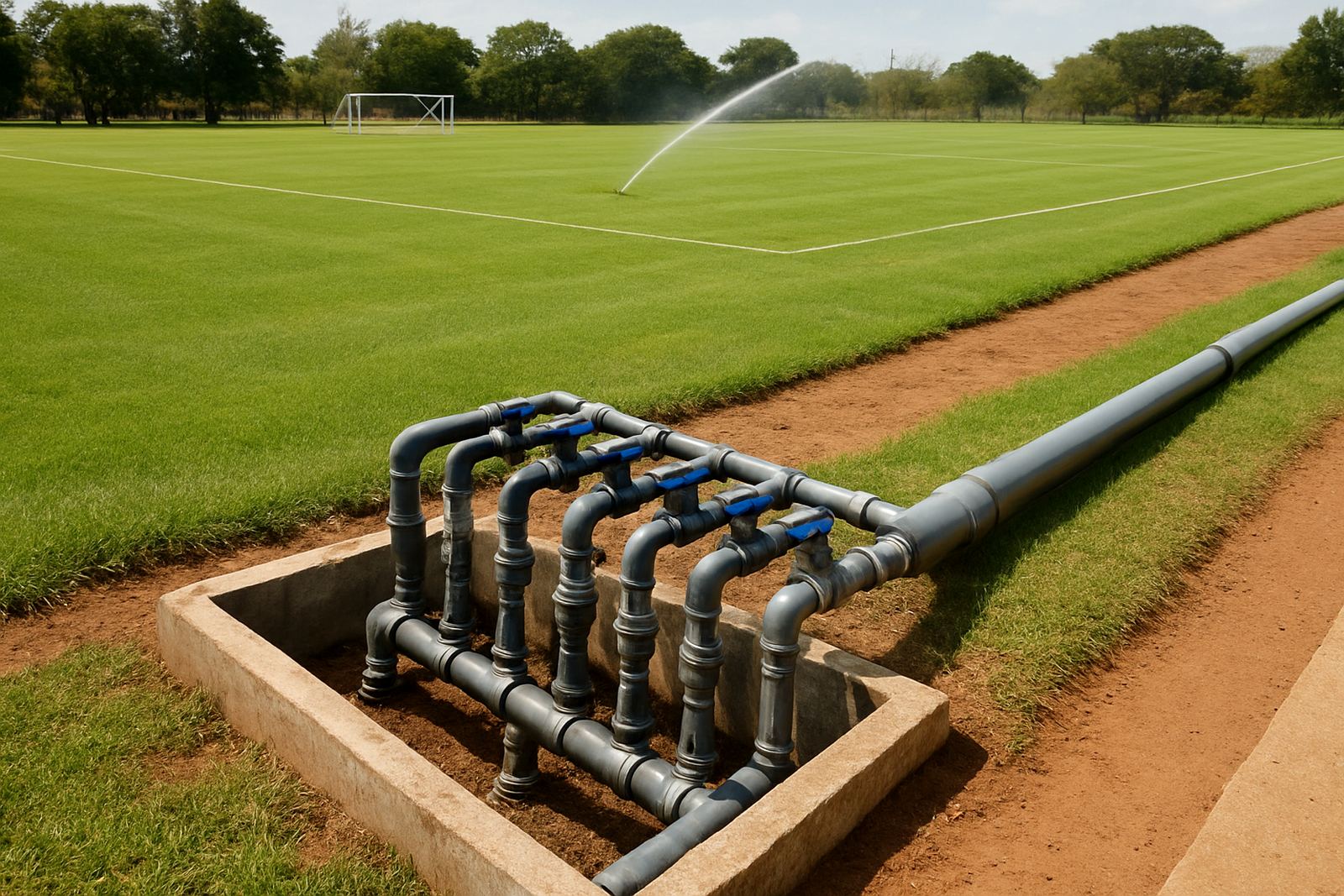
- Adapters for joining valves, filters, pumps and distribution manifolds
- End caps and blanking fittings for future zone expansion
- Unions and service points where sections may need to be lifted or replaced
- Cutting and preparation tools for clean joints and reliable bonding
For larger grounds, contractors often ask for a few spare fittings on site because small changes happen after planting or paving. Having the right sizes in reserve helps avoid delays, especially when a crew is working against weather windows or municipal watering restrictions. It is also worth keeping jointing tools in good condition, because poor prep is one of the biggest causes of leaks.
Planning advice for clean routes and easy maintenance
Estate irrigation works best when the pipe routes are planned before final landscaping is finished. Once lawns are rolled, paving is in place and beds are planted, every change becomes slower and more expensive. A good plan should show zone lines, valve positions, access points and where the system can be isolated during repairs.
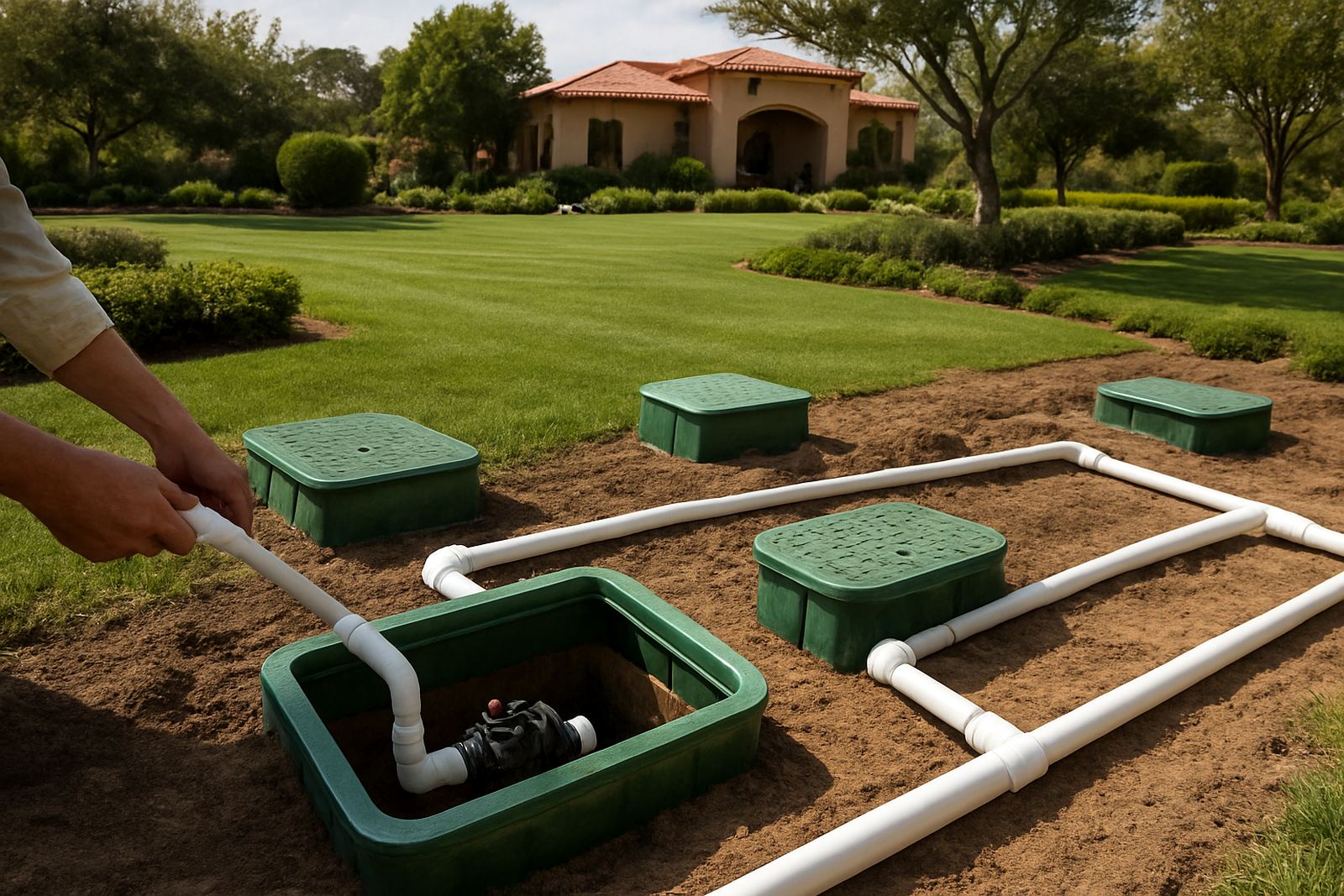
Use straight runs where possible and keep service points close enough to reach without pulling up paving or disturbing roots. In public facing areas, avoid visible pipe clutter and place key fittings in discreet but accessible chambers. Where the estate has steep slopes, plan for pressure variation and drainage so fittings are not strained by standing water after shutoff.
It also helps to think about future movement. Trees grow, hedges thicken and estate managers often change watering patterns after the first season. Leave room for extra outlets or a later zone split, and mark pipe positions clearly before backfilling. On busy sites, a neat label system can save hours later when the landscaper or maintenance team needs to find the right line quickly.
Common mistakes that create expensive call-backs
Most irrigation problems on estates do not start with the water source, they start with poor planning or rushed installation. A fitting that looks fine on day one can fail later if the pipe was not cleaned properly, the wrong size was forced together, or a joint was left under stress. Small errors become costly when they are buried under finished landscaping.
- Mixing sizes without confirming the actual pipe diameter
- Using too few access points, which makes servicing slow and messy
- Overtightening or twisting fittings during installation
- Skipping proper pipe preparation before solvent welding
- Routing pipes where future tree roots, paving or vehicle traffic will cause damage
Another common issue is buying components piecemeal and discovering later that the system has incompatible pieces. That causes delays and extra transport costs. A cleaner approach is to match the full setup early, from the pump side through to the zone distribution points. If an estate has repeated service problems, it is often worth checking the layout, not only replacing the visible fitting.
Budget ranges in Rand for estate landscaping projects
Budget depends on the size of the estate, the number of zones, pipe lengths and whether the job includes pump connections, filtration and service access. For smaller landscape blocks, a fittings and tools basket can start in the low thousands. Larger estates with multiple blocks, longer mains and extra maintenance points will need a higher allowance. The important part is to budget for the full system, not just the visible sprinklers.
As a rough guide, fittings for a compact landscaped section may fall between R1 500 and R5 000, depending on size and complexity. Medium estate work can run from about R5 000 to R18 000, while larger sites with several zones, service valves and spare stock may sit well above that. Tools, extra unions and reserve fittings should be included because they reduce downtime later. Transport and courier costs should also be factored in for outlying areas.
For estates in Polokwane, Mokopane, Tzaneen, Hoedspruit, Lephalale and Thohoyandou, it is often cheaper to plan the full order upfront than to chase missing items later. That avoids stop-start labour and helps keep the installation on schedule.
How PVC Welders helps estate teams keep work moving
PVC Welders works with farmers, landscapers and contractors who need irrigation fittings that can handle outdoor service and regular use. The team helps with product selection, system matching, quantity checks, jointing advice and troubleshooting help, which is useful when a site has mixed pipe sizes or a few unusual bends. If the order needs repeat support, the same parts can usually be tracked for follow-up work.
From the Ladanna base in Polokwane, irrigation stock is trucked across Limpopo and couriered nationwide. That matters when an estate crew is working to a handover date or needs replacement stock for a section already in service. Customers can send through their requirements using the enquiry form on the contact page and get help from the team on the right parts for the job.
For estate landscaping, the best results come from neat planning, proper sizing and fittings that can be reached again later. The system should look good on day one and still be serviceable years down the line, with no unnecessary digging or patchwork repairs.