Nursery Watering Needs Change Fast
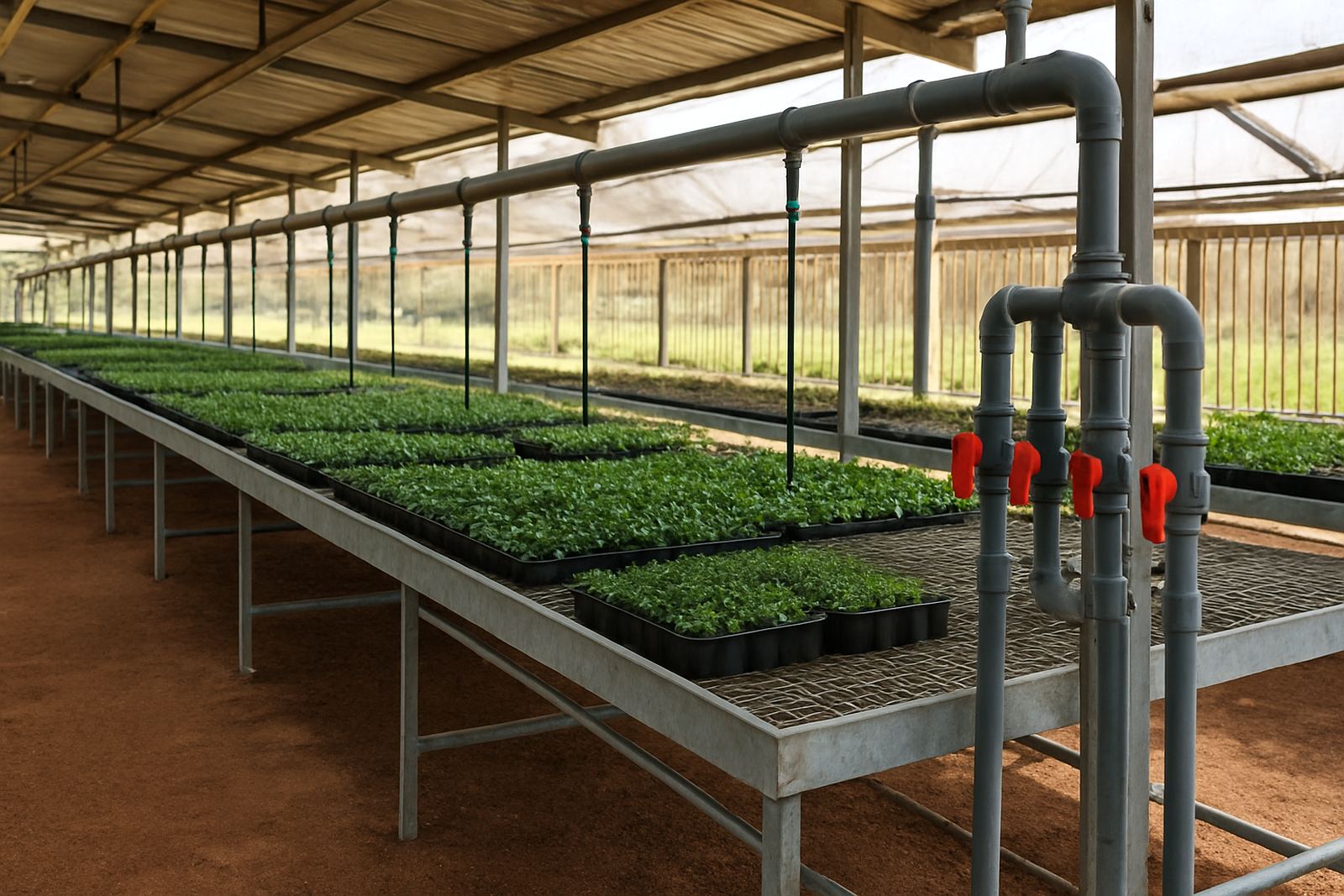
A plant nursery is rarely set up once and left alone. One week the shade house is full of seedling trays, the next it is holding potting mix, stock plants or hardening-off benches, and the watering layout has to follow that movement. That is why PVC pipe solvent-weld fittings are such a practical choice for nursery work. They give you a tidy, fixed line where you need certainty, while still allowing sections to be altered, extended or isolated without rebuilding the whole system.
For nurseries in Polokwane, Mokopane, Tzaneen and further into Limpopo, heat, strong sun and dust can be hard on exposed irrigation parts. Where coastal humidity causes corrosion in some systems, inland nurseries often deal with UV, shifting soil beds and frequent handling by staff. A good PVC setup keeps the lines organised and reduces wasted water, which matters when every tray and tray of plants has to be kept in the right moisture range.
Typical PVC Kit For A Nursery Block
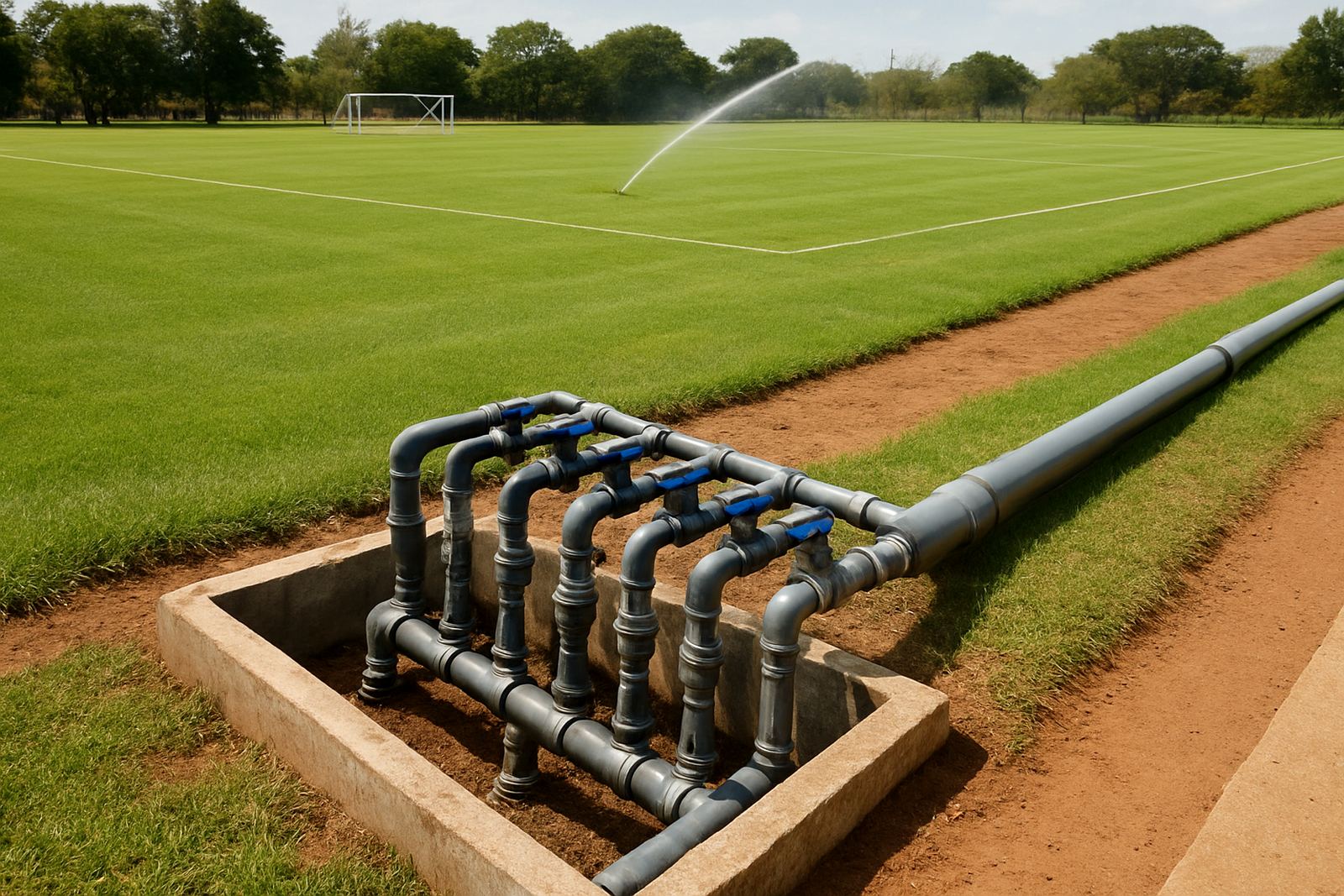
Most nursery systems start with a main supply line, smaller branch lines and individual take-offs for benches, beds or misting zones. The exact fittings depend on the water source, pump pressure and the way the nursery is divided. A simple layout might include a control point near the tank or pump, then separate zones for propagation, shade nets and holding areas so each section can be watered on its own timetable.
- PVC pipe in the right diameter for main and sub-main lines
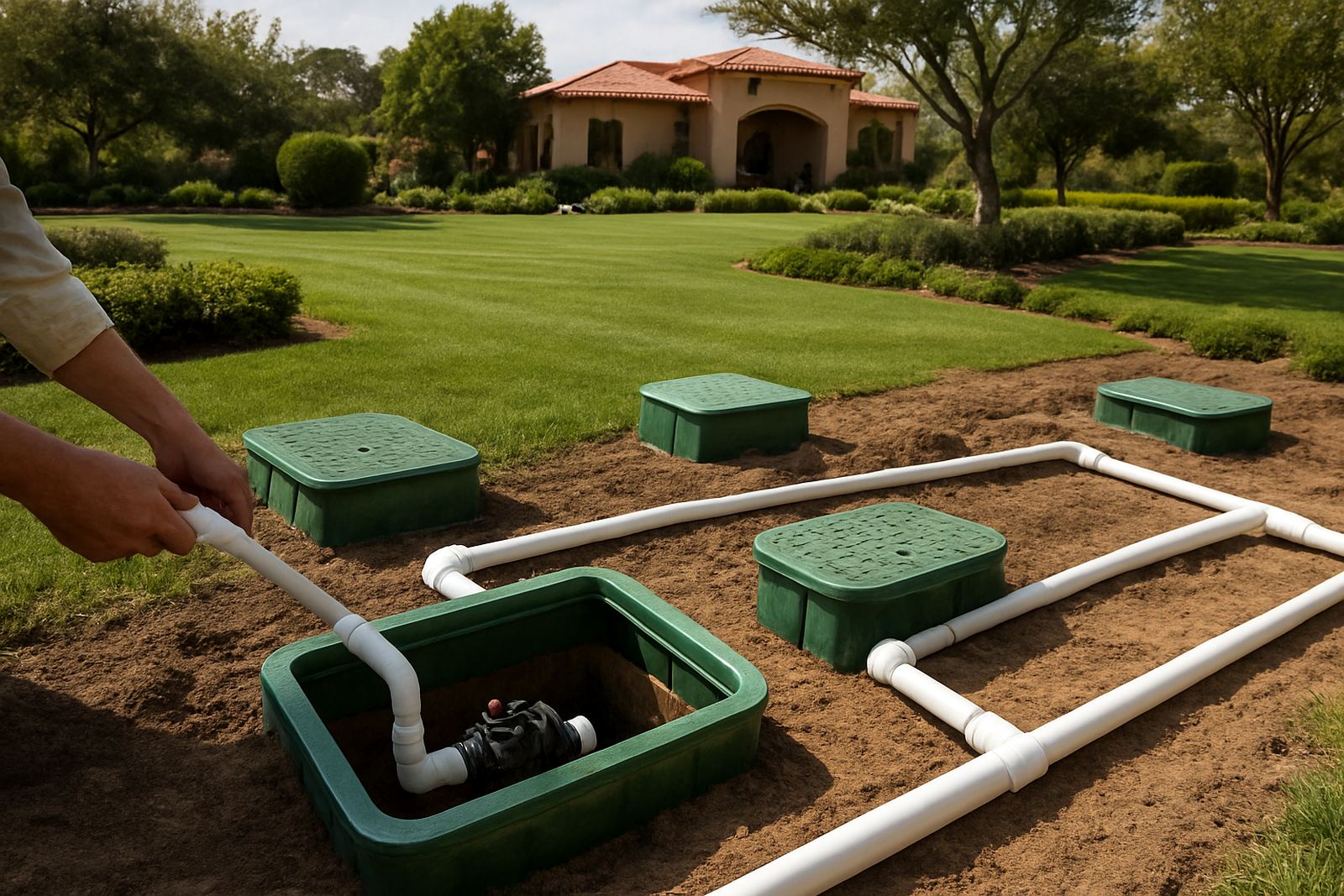
- Solvent-weld elbows, tees, reducers and couplers
- End caps, unions and valves for easy isolation
- Adaptors for joining to filter sets, pumps and sprinkler or micro lines
- Cutting and jointing tools for clean, accurate assembly
- Pipe clips, brackets and support items for bench and wall mounting
In many nurseries, the best approach is to keep the main lines simple and strong, then use smaller branches where adjustments happen often. That makes cleaning easier, and it helps when a section must be swapped over for a different crop or tray size. It also gives your team a clearer system to work on during load-shedding windows or early morning watering schedules.
Planning The Layout Before You Glue Anything
Good nursery irrigation starts with measuring the space properly. Walk the site and mark where the water source sits, where the high and low points are, and where staff need clear access for moving trays or trolleys. If the nursery has propagation benches, potting tables and shade tunnels, those areas should each have their own practical water zone. In larger setups it is worth planning for future expansion now, even if the extra lines are fitted later.
We usually advise keeping the pipe routes short and direct where possible. Long runs increase pressure loss and can make watering uneven, especially if the site has several bends or height changes. Use enough support points so the pipe does not sag under heat or vibration. On farms and in commercial nurseries, it also helps to leave service space around filters, valves and connections so the system can be checked quickly without pulling apart half the line.
- Measure the full length of every row, bench and zone before ordering
- Keep main lines away from forklift routes and frequent foot traffic
- Allow for future benches, extra shading or new propagation bays
- Separate young plants from mature stock where watering needs differ
- Plan shut-off points so one fault does not stop the whole nursery
Common Mistakes That Waste Water And Time
One of the most common mistakes is mixing sizes without a clear plan. A line that is too small can restrict flow, while an oversized line may cost more than needed and be awkward to fit around benches. Another issue is using too few isolation points. When a nursery has only one shut-off for the entire system, a simple repair can stop watering across the whole site. That is a problem when temperatures rise and plants need regular attention.
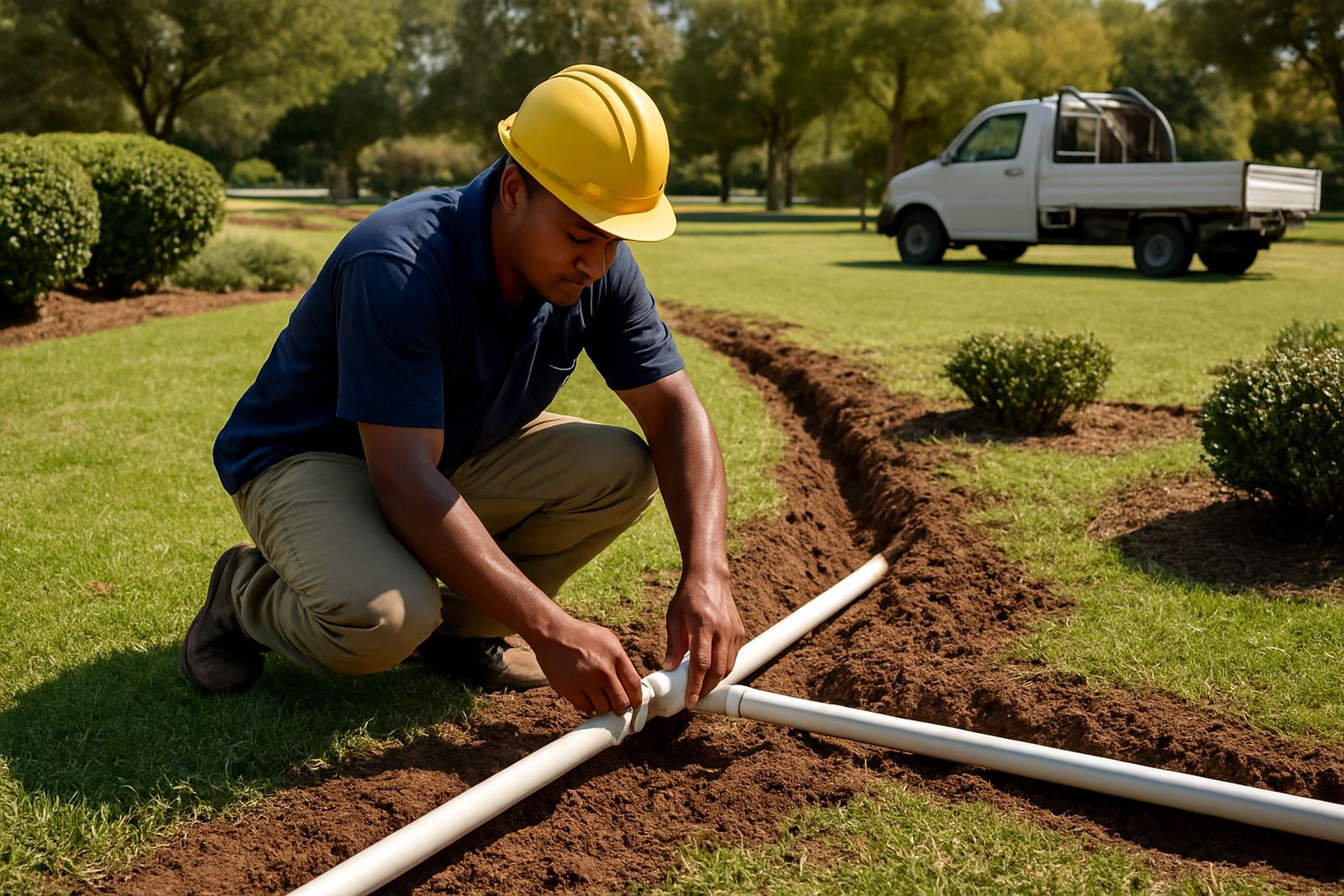
Another mistake is rushing the jointing. Solvent-weld fittings need proper preparation, clean cuts and the right fit before they are joined. If the pipe ends are rough or the fitting is stressed during assembly, leaks can show up later. In nurseries, a small leak near a propagation area can create uneven wet patches, algae growth or slippery walkways, so it is better to do the job properly first time, even if it takes a bit longer.
We also see systems that do not match the actual watering method. A nursery using misting for cuttings has very different requirements to one watering large pots or outdoor shade structures. If the pipework is built for the wrong purpose, operators end up compensating with extra joins, makeshift fittings or constant adjustments. That adds labour and usually pushes up the running cost as well.
Budget Ranges For Nursery Irrigation Work
Budget depends on the size of the nursery, the number of zones and whether you are building a new layout or improving an existing one. A small propagation area with basic PVC fittings, valves and tools may start from around R1 500 to R4 500 for the core parts, depending on the number of outlets and the pipe sizes needed. A medium nursery with several benches and a few separate watering zones often lands in the R5 000 to R18 000 range for the PVC side of the setup.
Larger commercial nurseries, especially those with multiple shade houses, holding areas and expansion plans, can move well beyond that once extra valves, unions, adaptors and support materials are included. The best way to control cost is to price the system in sections. Start with the critical zones, then add reserve points for future lines. That avoids buying fittings you will not use yet, but it also prevents costly rework later on.
If you are ordering for a farm nursery or a contractor job, quantity checks matter. A short count of elbows, tees or couplers can stall the whole install and leave the team waiting for one small part. It is better to confirm the stock list properly before collection or courier dispatch, especially when you need delivery into Limpopo towns or further afield by national courier.
Support For Farms, Contractors And Retail Nursery Teams
PVC Welders works with farmers, landscapers and contractors who need irrigation parts that hold up outdoors and keep working through the season. For nursery clients, that means help with product selection, system matching, stock reserving, regional delivery and jointing advice. If you are setting up a new block in Ladanna, expanding in Polokwane or sending stock to a site in Tzaneen, it helps to have a supplier that understands changing layouts and repeat orders.
Our team can also assist with troubleshooting help and after sales support when a line needs to be adjusted after the first week of use. Nurseries often learn the true watering pattern only after plants are on site, so a system that allows changes is worth more than one that looks neat but cannot be adapted. A practical PVC layout gives you that flexibility without turning maintenance into a headache.
- Product Selection for the right pipe and fitting sizes
- Farm Order Planning for staged nursery projects
- Repeat Order Support when a new bay or shade house is added
- Contractor Accounts for ongoing commercial work
- Regional Delivery and courier dispatch for Limpopo and nationwide orders
Whether the nursery is small and seasonal or running year-round, the aim stays the same: keep water where it is needed, keep the system easy to service, and avoid costly downtime. With the right PVC fittings and a sensible plan, nursery watering becomes a lot more manageable.