
Why tunnel crops need careful fitting selection
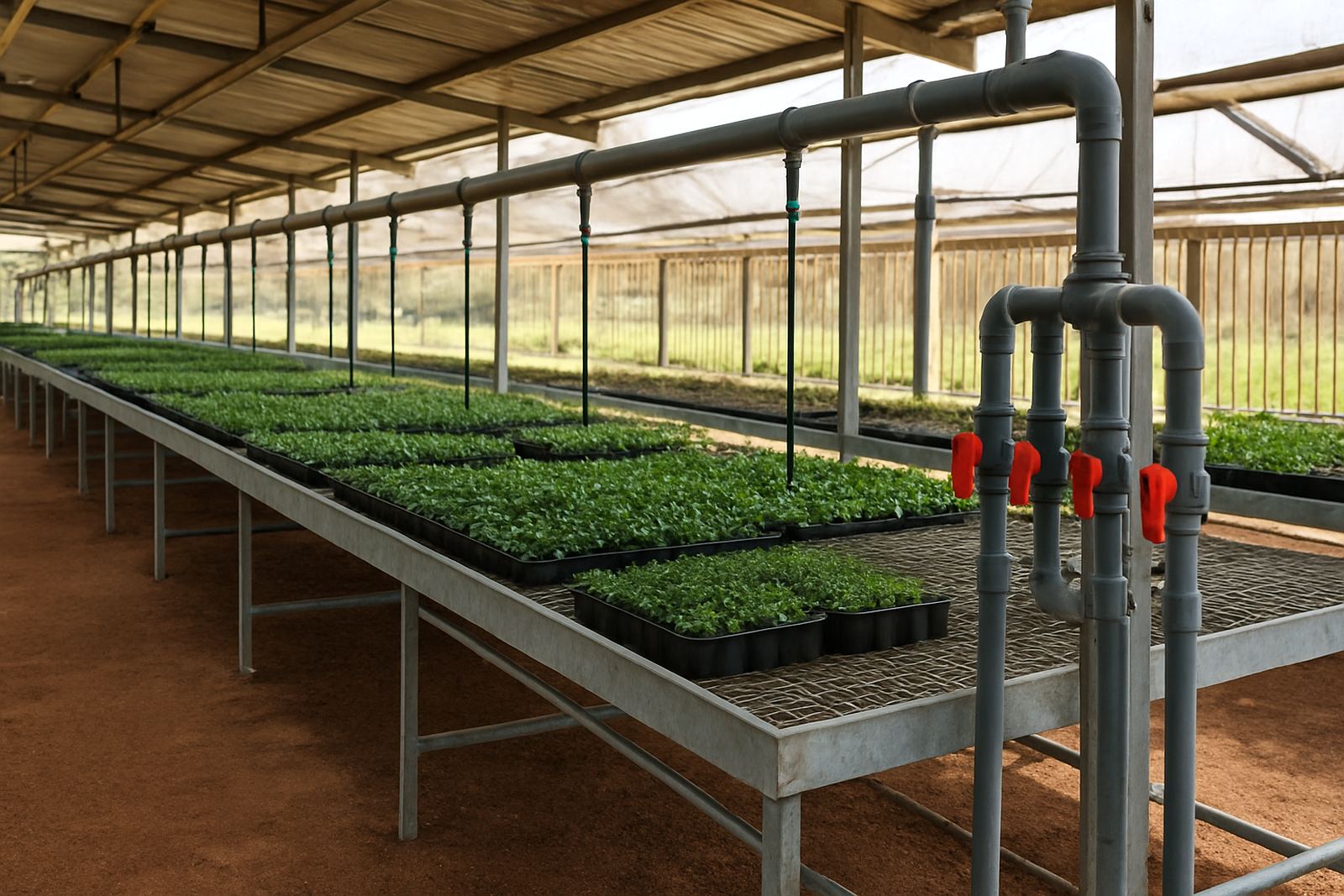
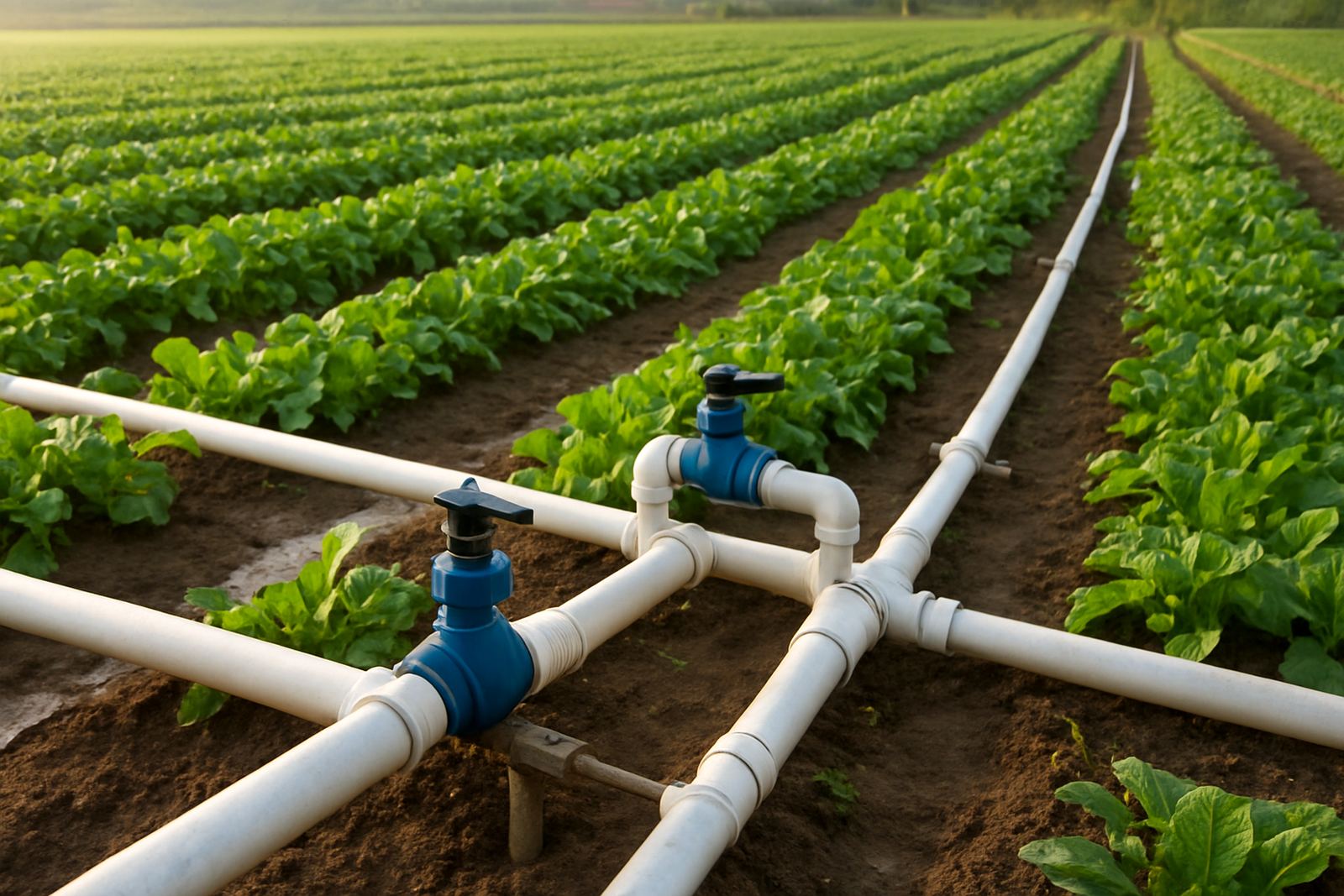
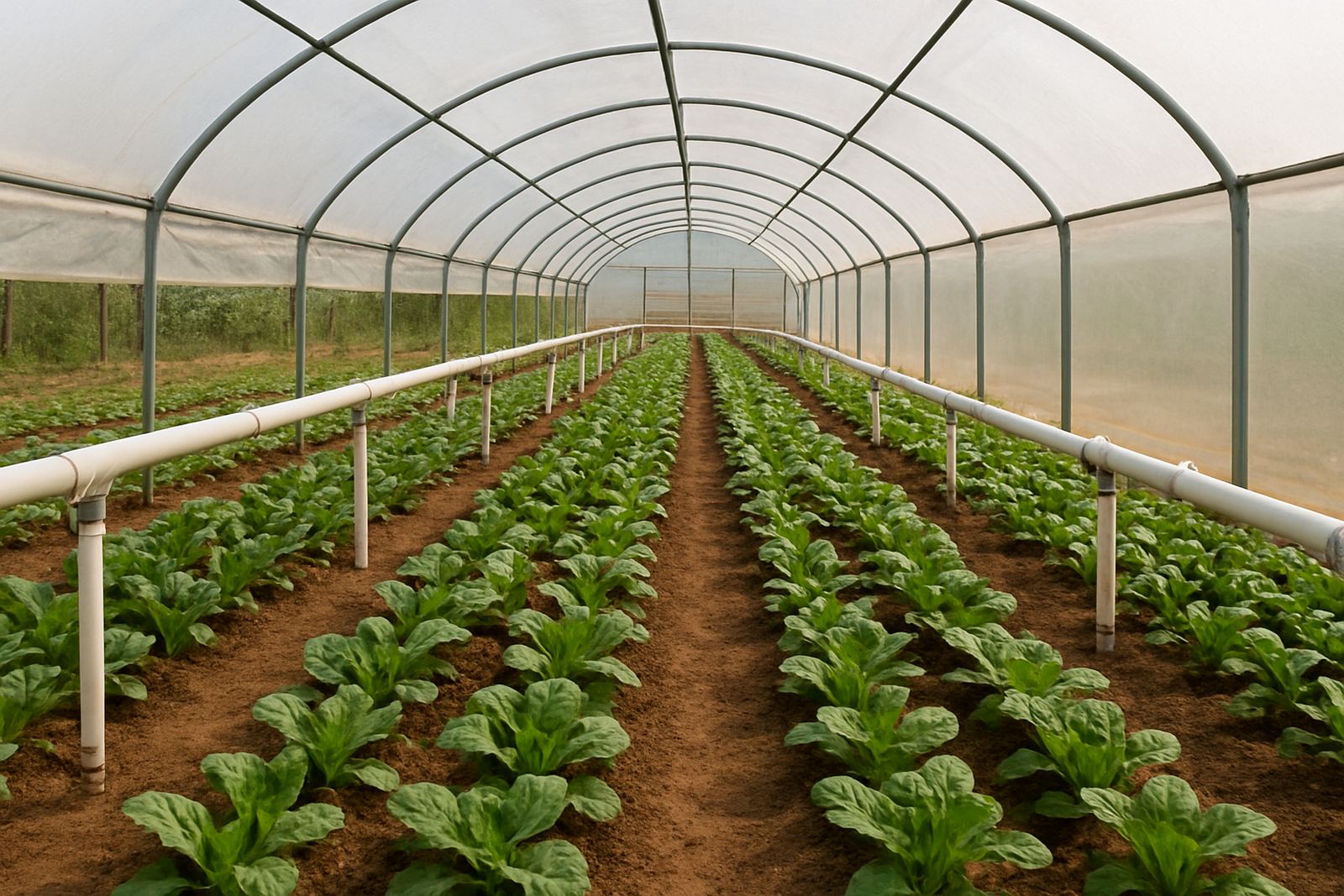
Inside a tunnel, every metre of pipe matters. Rows are close together, walkways are narrow, and the irrigation line often has to turn, split and reconnect in a very small space. That is why the fittings must suit the layout, not just the pipe size. A bend that saves time in a field layout can become a problem in a tunnel if it creates drag or leaves too little room for maintenance.
We help clients choose the right fitting for the job before anything is cut. For tunnel crops, that usually means compact elbows, tees, couplers, reducers and end caps that match the line pressure and the spacing between beds. In hot tunnels, fittings also need to hold up under UV, heat and regular handling. If the crop is close to harvest and the irrigation line fails, there is no time for guesswork.
Typical tunnel crop kit we supply
A tunnel irrigation set-up is usually built around a small but specific group of items. The exact list depends on crop type, tunnel length and whether the water comes in from one side or both ends. For most growers, the aim is clean flow and easy repairs, not overcomplicated hardware.
- Solvent-weld elbows for tight turns at bed ends and manifolds
- Tees and reducers for branch lines feeding several rows
- Couplers for joining pipe lengths neatly
- End caps and blanking pieces for line closure
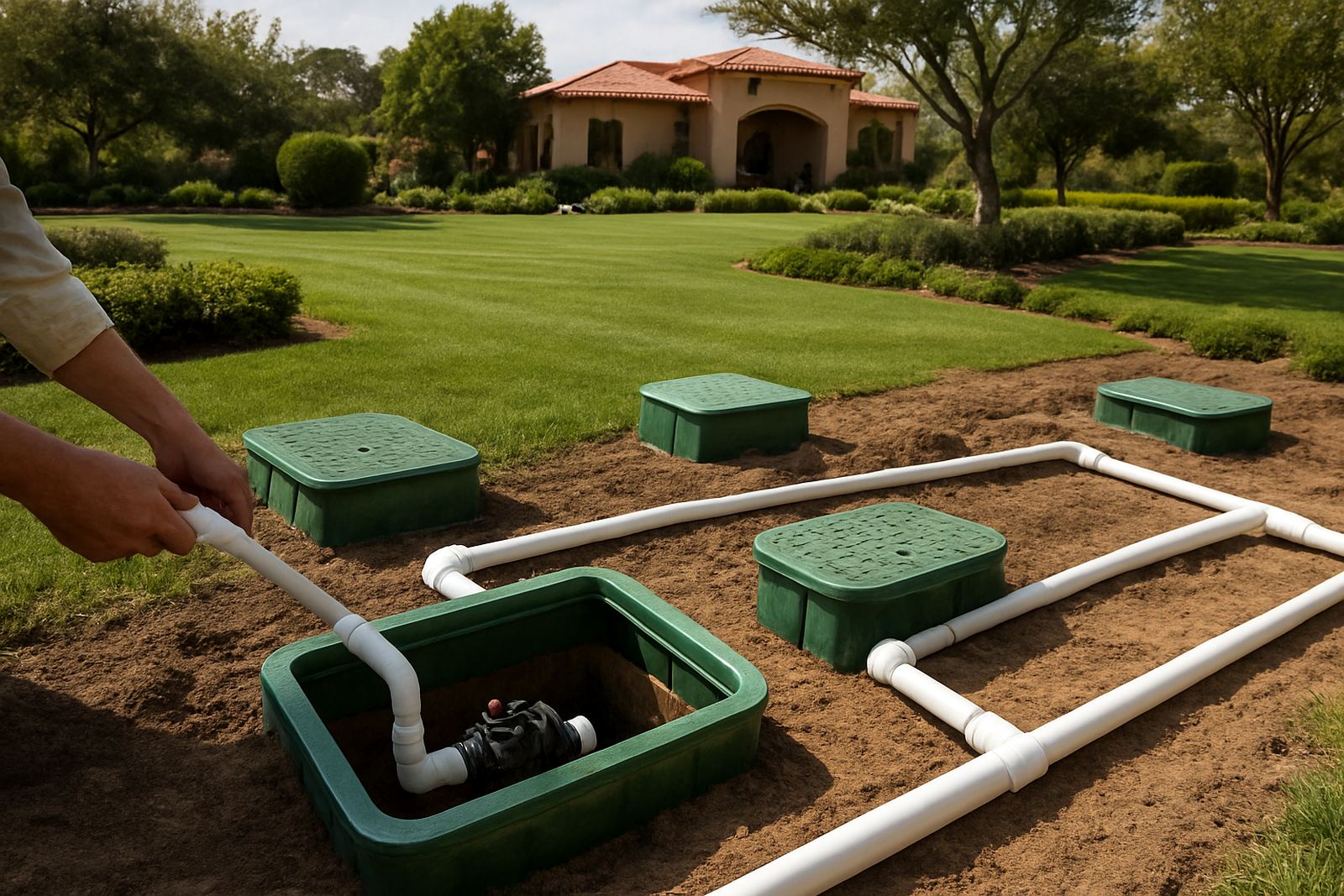
- Valves and fittings for section control
- Pipe cutters, measuring tools and jointing tools for fast on-site work
- Spare small fittings for quick repairs during busy seasons
Many tunnel growers also keep a reserve box for breakages, because a small fitting can be the difference between one blocked row and a full morning lost to repairs.
Layout advice for narrow growing spaces
Good tunnel planning starts with a simple drawing of the beds, pathways and water entry point. Measure the inside width of the tunnel, the bed spacing and the full line length before ordering. If the line needs to cross a walkway or pass under a support point, check the clearance first. That is where many small errors start.
We often advise clients to keep fittings accessible, even if the line is tucked away. A neat line is good, but a line that can be reached for cleaning or repair is better. In tunnels with drip or low-pressure irrigation, a small mistake in jointing can cause uneven watering along the row. That leads to dry patches, overwatering at the start, and wasted water at the end.
- Keep main lines straight where possible and use bends only where needed
- Mark valve points clearly so staff can isolate one section at a time
- Allow extra length for joins and repairs, not just the exact measured run
- Check that fittings will not rub against structure poles or shade net ties
- Plan for future crop changes if bed spacing may shift later
Common mistakes we see in tunnel crop irrigation
Most tunnel problems come from small planning oversights. One common issue is mixing fittings that do not match the same pipe size or wall thickness. Another is using too many joints in a short run, which creates more points where leaks can begin. We also see lines installed too close to the ground, where workers, wheelbarrows or cultivation tools knock them during the day.
Another mistake is buying fittings before checking the whole pressure setup. A tunnel line may look simple, but pump output, filter condition and line length all affect how well it performs. If the pressure is too high, fittings and joints take extra strain. If it is too low, the crop at the far end may not get enough water. It is worth checking these things early, because fixing them later can be messy and costly.
Budget ranges for tunnel crop sets
Budget depends on tunnel size, number of rows and whether the order is for one tunnel or a full farm block. For small tunnel repairs or a short run of fittings, many clients spend between R350 and R1 200. A more complete tunnel crop irrigation order, including several fittings, valves and tools, often falls between R1 500 and R6 500.
For larger projects with multiple tunnels, section control and spare stock, the budget can move into the R8 000 to R25 000 range or more. We assist with quantity checks so you do not underbuy and end up delaying planting. If the job is staged, we can also help split the order into practical phases, which is often easier for cash flow and for farm scheduling.
In some cases it is better to spend a little more on the right jointing tools and spare connectors up front. That usually saves money later, especially where tunnel crews are working under time pressure and load-shedding has already cut into the day.
Supply from Ladanna to farms across Limpopo and beyond
Our base in Ladanna, Polokwane supports tunnel crop supply across Limpopo, including Mokopane, Tzaneen, Hoedspruit, Lephalale and Thohoyandou. We also courier nationwide for growers and contractors who need product sent to site, packhouse or farm office. In humid areas and on coastal routes, good packing matters because stored fittings and tools must arrive clean and ready for use.
The team handles product selection, stock reserving, farm order planning, repeat orders and after sales support. If you are not sure which fittings suit your tunnel layout, we can work through the sizes and quantities with you before dispatch. For urgent jobs, clear notes on row count, pipe diameter and delivery area help us move faster. Mpho Sekgobela and the team keep the process practical, so the order fits the crop work and not the other way around.
When a tunnel crop is at a sensitive stage, reliability matters more than fancy parts. The right fittings, the right counts, and a clean layout make day to day irrigation much easier, even when the weather is not helping.