Vineyard zoning starts with the block layout
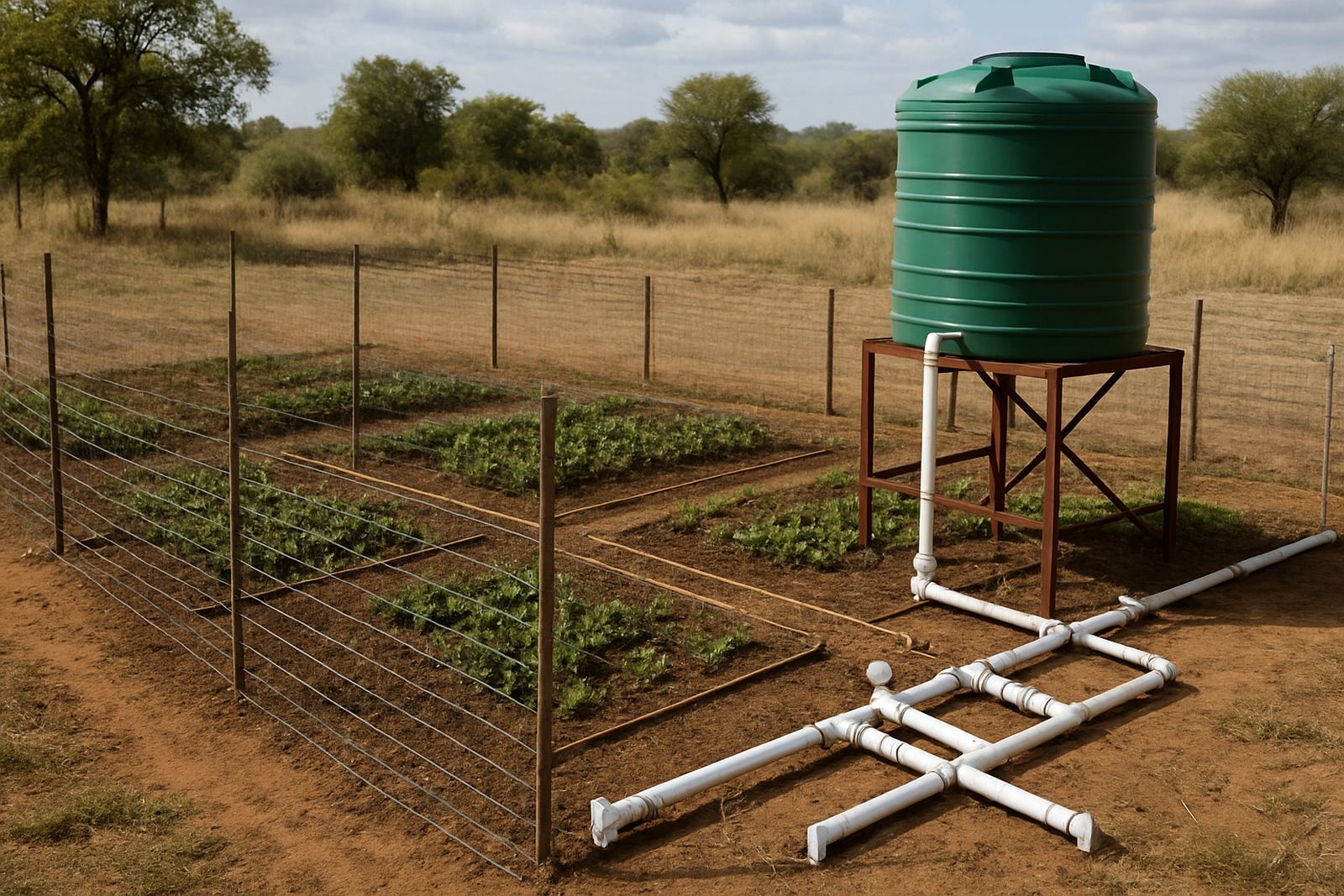
Most vineyard problems start long before the first pipe is glued. If the block layout is not clear, one line gets too much pressure while another starves, and you end up with uneven wetting along the rows. For vineyards in Polokwane, Tzaneen and Hoedspruit, the smart approach is to map each block by row length, slope, water demand and valve position before ordering fittings.
We help growers and contractors match the system to the site, whether it is a young block with short runs or a mature vineyard with longer laterals and more control points. In many cases, tidy zoning means using separate control sections for different cultivars, slope changes or soil types so each part of the vineyard gets water at the right rate.
- Measure row lengths in metres and note the highest and lowest points on each block.
- Identify where the mainline, submain and control valves will sit.
- Allow for future block expansion, so you do not have to rework the whole line later.
- Keep valve access clear for servicing during harvest and fertigation periods.
Typical fittings and tools used on vineyard control lines
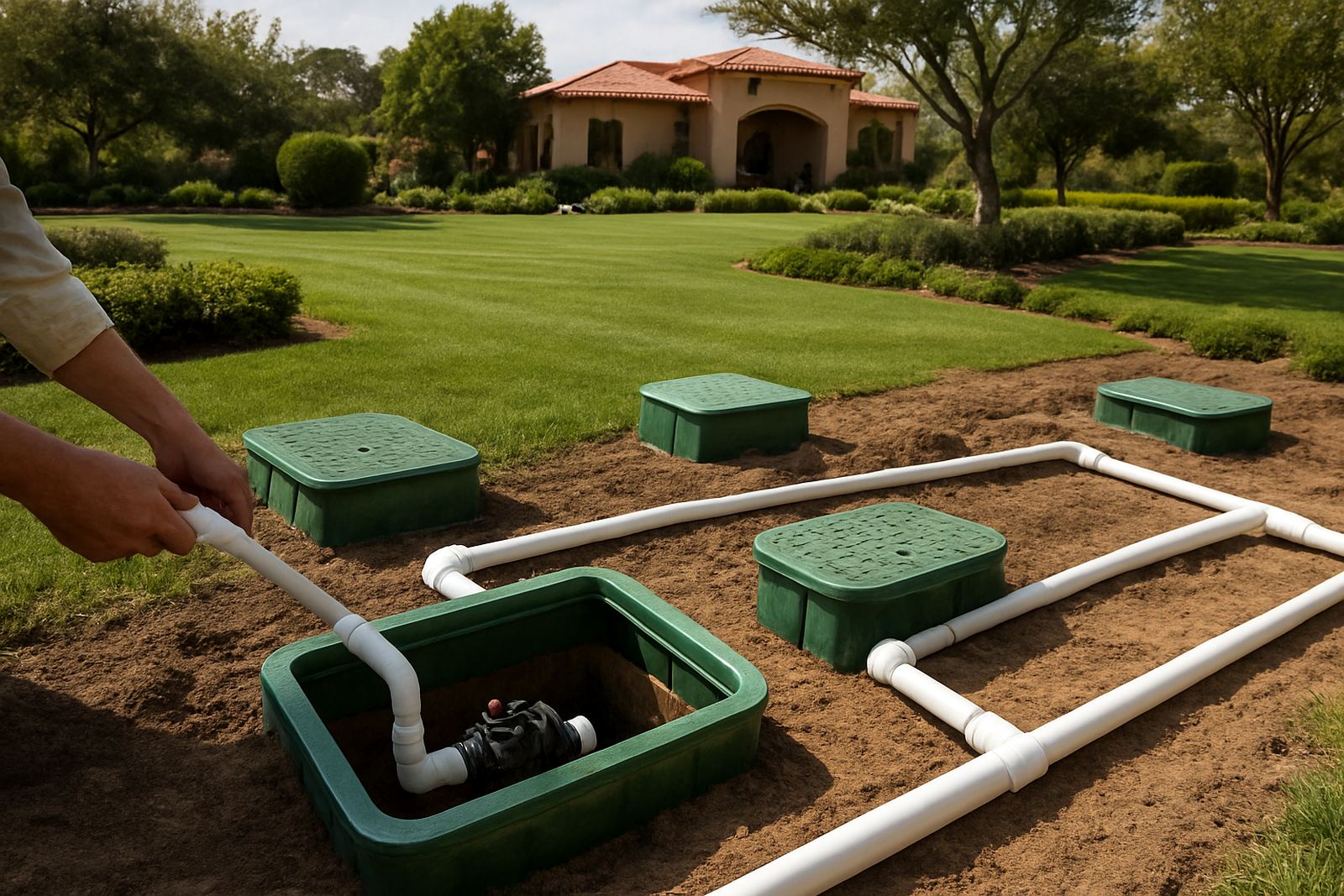
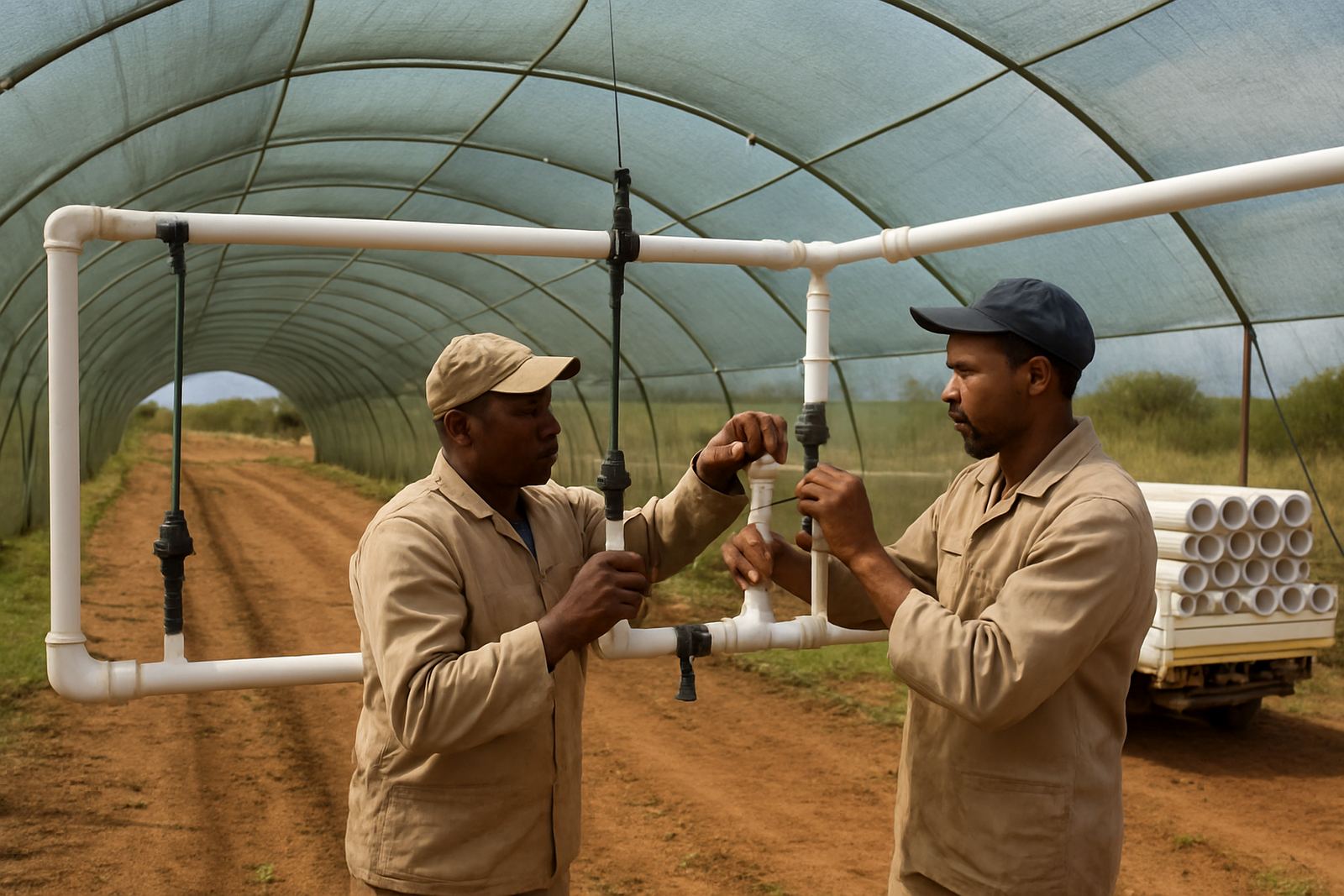
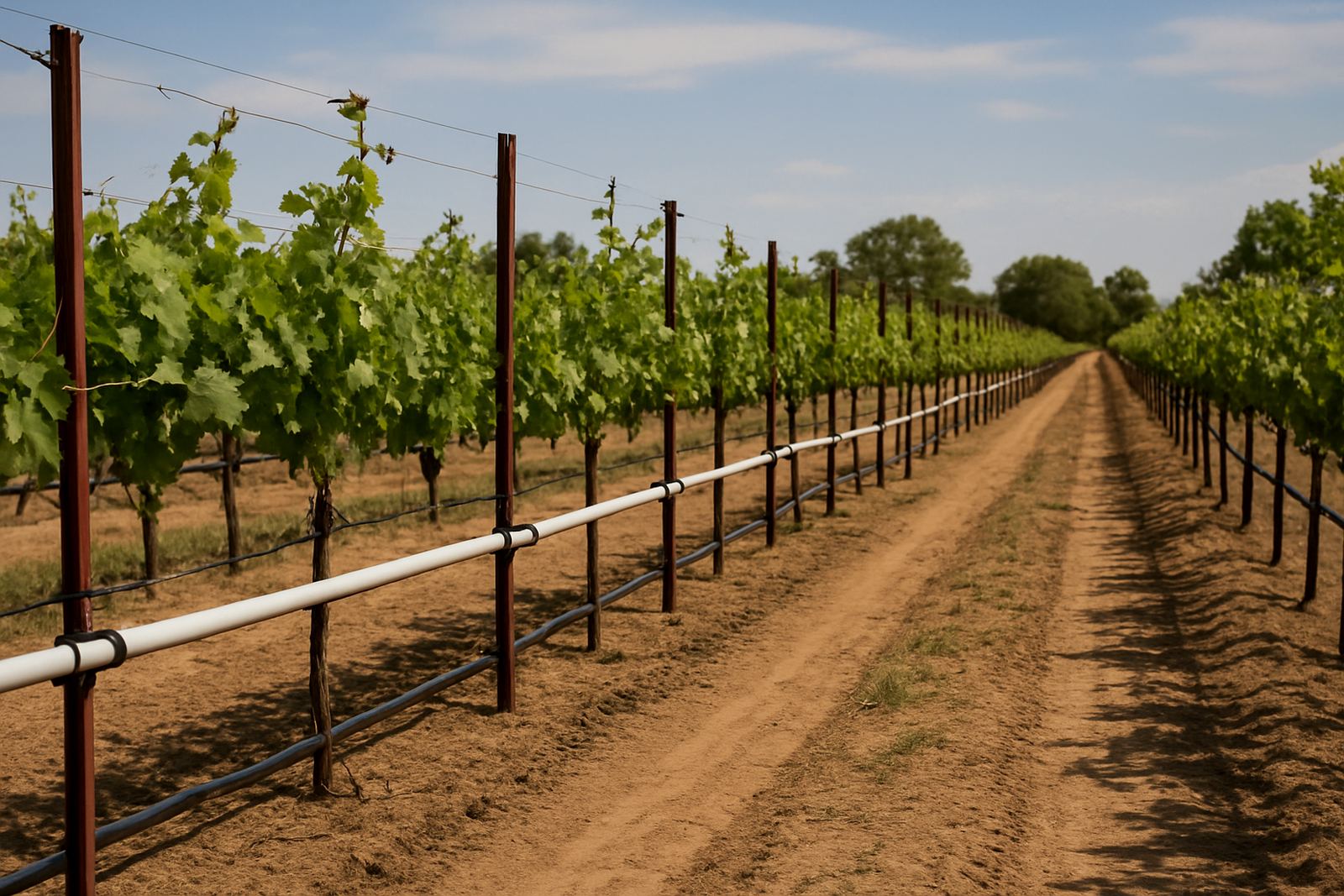
For vineyard irrigation, the usual setup includes solvent-weld PVC fittings for mains and control branches, plus the right tools for clean cutting, joining and testing. The goal is a system that stays tidy and easy to maintain, especially where lines run along trellises, pump points and headlands. We stock the everyday fittings that contractors use for practical vineyard work, not just the odd special piece.
Depending on the design, you may need tee pieces, elbows, reducers, end caps, couplers, unions, bushings and valve connections. A proper solvent-weld joint matters because loose or poorly aligned fittings can leak after a few pressure cycles, and in hot weather the pipe movement can expose weak joints faster than expected.
- PVC solvent-weld tee, elbow and straight coupler fittings
- Reducers and adapters for changing line sizes cleanly
- End caps and flush points for maintenance and seasonal draining
- Cutting, deburring and joining tools for neat installation
- Valve connection pieces for branching control zones
How to plan pressure and flow for even watering
Vineyards need even pressure from the start of the line to the end, otherwise some rows will underperform and others may get too much water. That becomes more noticeable on sloping ground and longer runs, especially when the pump is far from the block. We always advise checking the pressure needs for each section before deciding on pipe sizes and branch points.
In practical terms, shorter control branches and cleaner fitting layout help reduce pressure loss. If the vineyard uses several blocks, split the system so each zone can be opened and monitored on its own. It makes maintenance easier too, because you can isolate one section without shutting down the whole farm. During load-shedding, that kind of control becomes even more useful because restart procedures are simpler and less risky.
For larger installations, a contractor should also plan for flushing points and easy inspection access. That saves time when checking for silt build-up, root intrusion or minor leaks after heavy rain or a windy week that shifts lines around.
Common mistakes we see on vineyard installs
Some vineyard systems look neat on day one but become difficult to manage once the season gets going. The biggest mistake is buying fittings before the layout is confirmed. Another common issue is using the wrong branch size or forcing a join where the pipe should have been stepped down properly. That can cause pressure imbalance and unnecessary call-backs.
We also see systems that ignore access. A valve buried behind growth, a fitting hidden under a bundle of pipe or a branch placed too close to a post can make simple maintenance awkward. Coastal humidity is not usually the only concern in South Africa, because inland dust, sun exposure and farm traffic also put fittings under constant stress.
- Incorrect pipe sizing for long rows or steep sections
- Too few control zones for different soil or crop blocks
- Poor joint preparation before solvent welding
- No flush points for cleaning sediment from the system
- Valves and branches placed where servicing is difficult
Budget ranges for vineyard irrigation fittings
Every vineyard is different, so pricing depends on pipe diameters, number of zones, the amount of branching and whether you need standard fittings or more specialised control pieces. For a small block or a repair job, fittings and joining tools may start from a few hundred Rand. A medium vineyard project with several zones can move into the several-thousand Rand range once valves, branches and flush points are included.
For new vineyard sections or larger farm rollouts, the budget can rise quickly because the real cost sits in the number of control points, not only in the pipe itself. As a practical guide, many growers plan from about R1 500 for small repair packs, R5 000 to R15 000 for a moderate zone build, and upward from there for larger multi-block setups. Final totals depend on the layout and stock mix, so quantity checks are useful before dispatch.
If you are working to a fixed farm budget, it is better to phase the purchase by block than to stretch the whole system too thin. That approach keeps the main vineyard lines correct and lets you add branches later without redoing the basic infrastructure.
Getting stock to the farm without delays
We supply irrigation stock from Ladanna in Polokwane, with deliveries across Limpopo including Mokopane, Tzaneen, Hoedspruit, Lephalale and Thohoyandou, plus courier dispatch nationwide. For vineyards, timing matters because a delay in fittings can hold up trenching, valve installation or the final pressure test. That is why we offer stock reserving, repeat order support and quantity checks before goods leave the branch.
Farm teams and contractors often prefer to collect when they are passing through Polokwane, while others need stock sent straight to site. We can assist with product selection, system matching and jointing advice so the right items arrive the first time. If you are planning a phased vineyard rollout, it helps to keep one list for the whole block so you do not end up with mismatched sizes and missing couplers halfway through the job.
The team works with practical order planning for farms, small contractors and larger irrigation crews, and we understand that many vineyard jobs need exact counts rather than rough estimates. A small typo on a fittings list can cost a whole afternoon on site, so it is worth checking the order before the truck or courier leaves.
What a vineyard client usually asks us to help with
Most vineyard clients come to us with a simple question: how do we split the system so each block gets water neatly and reliably? From there, the conversation usually moves to branch size, valve position and the number of fittings needed for the current season. We help with practical product choice, not guesswork.
Our support team can also help with after sales support if the job needs a follow-up count, a replacement item or advice on the next stage of the install. For contractors, contractor accounts can make repeat buying easier when you are moving between farms and need the same fittings more than once.
- Product Selection for vineyard zones and control branches
- System Matching for rows, slopes and block changes
- Stock Reserving for planned trenching and install dates
- Regional Delivery and Courier Dispatch to site or farm office
- Troubleshooting Help if a line loses pressure or a joint is weeping
To send through a vineyard enquiry, use the form on our contact page and include the block size, pipe sizes you are working with and the area where the stock must go.