
Mixed irrigation on a smallholding needs the right mix of fittings
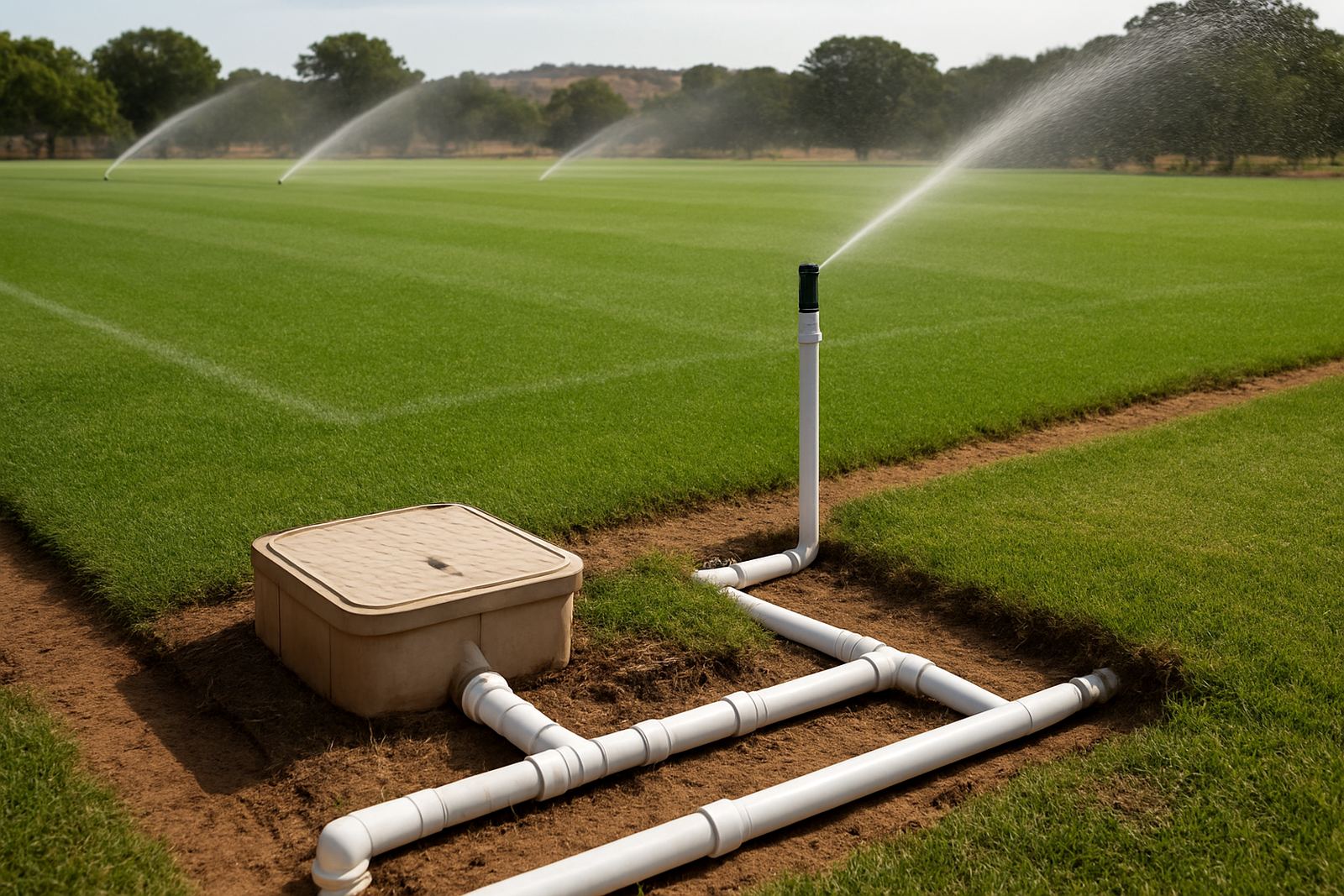
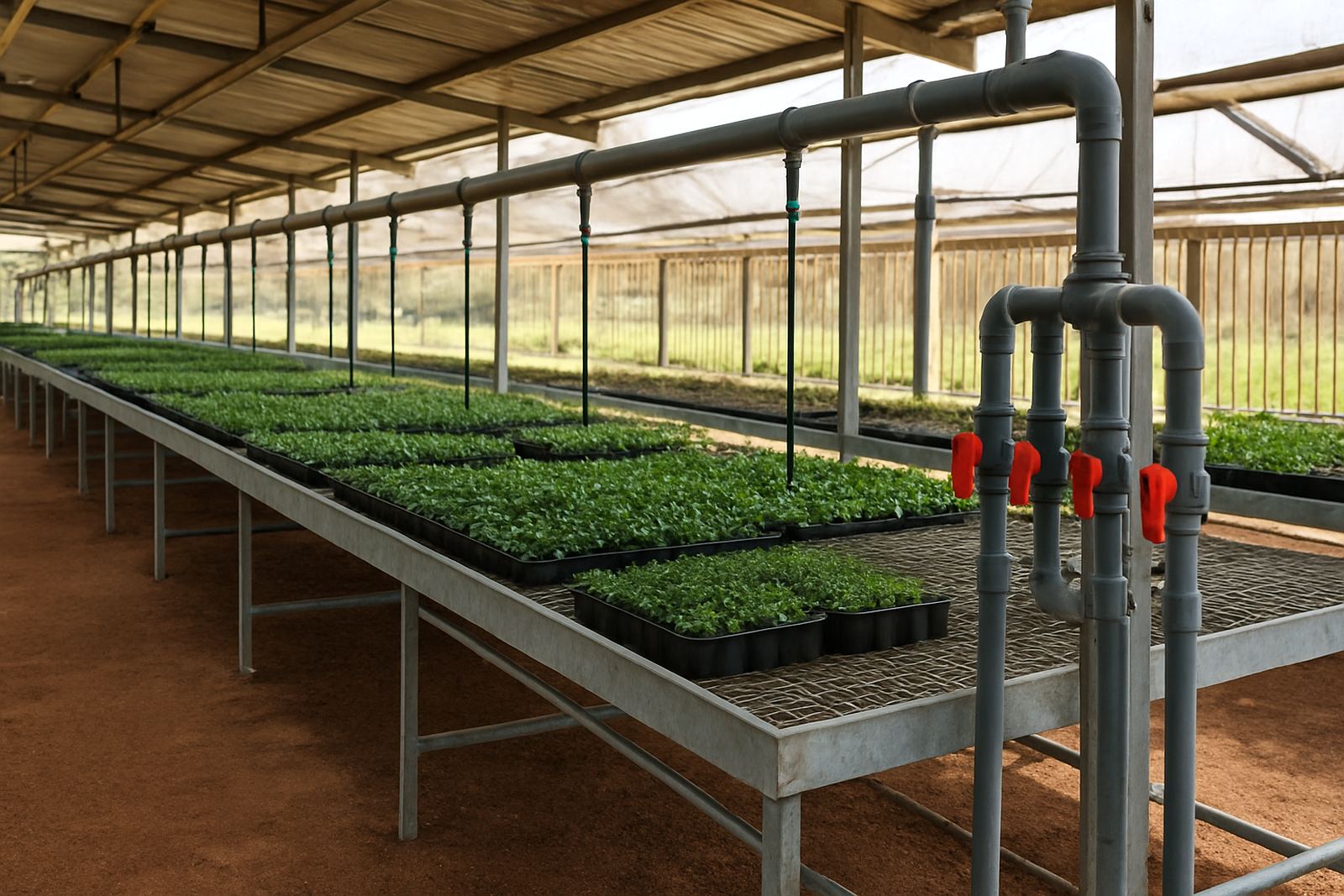
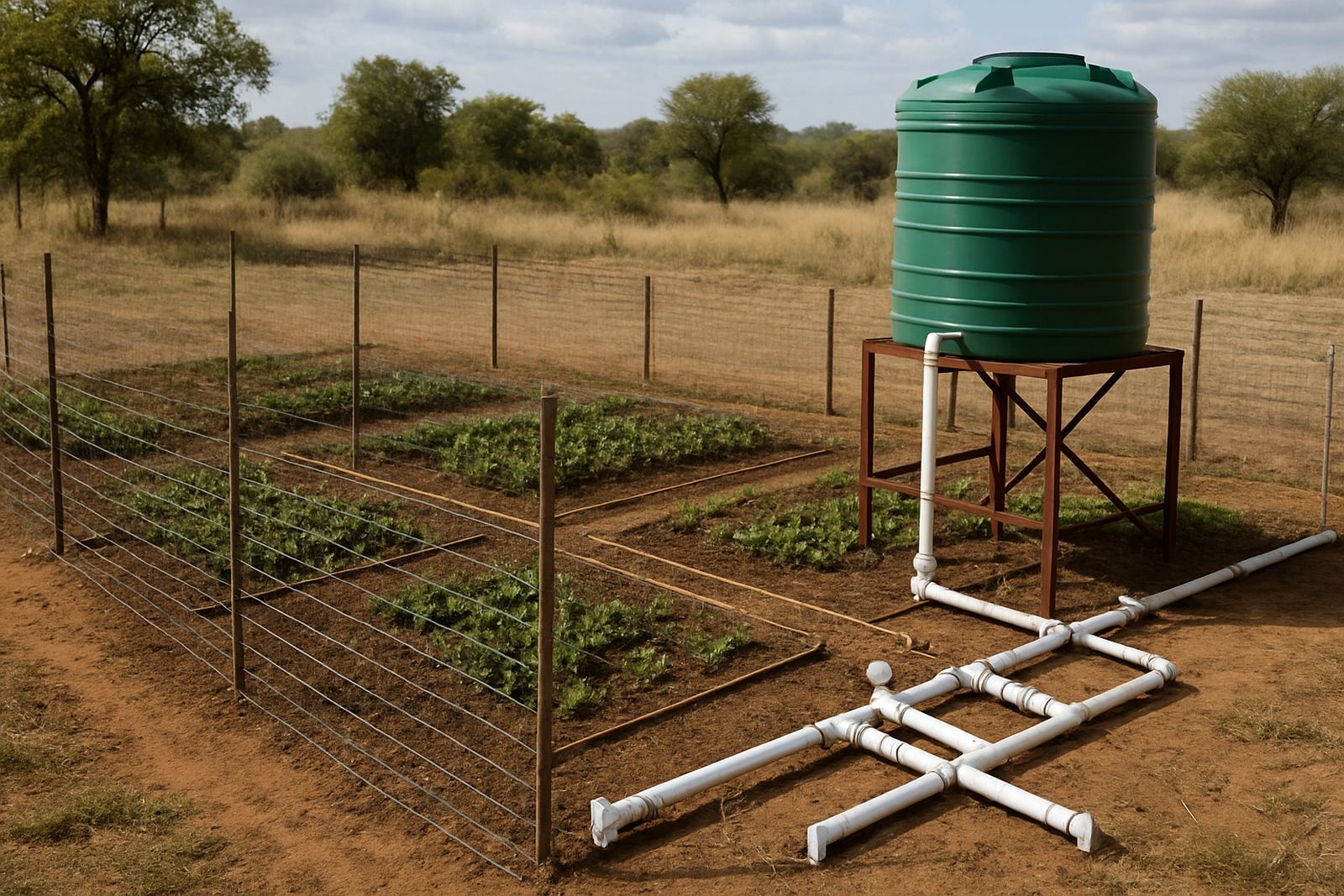
A smallholding rarely has one simple irrigation layout. You may have a vegetable patch, a few fruit trees, tunnels, nursery rows and a dam or tank feed, all on one property. That means the pipework has to suit different pressures, different zones and sometimes different water sources. A good solvent-weld PVC setup gives you clean joins, neat runs and less leaking than loose, patched connections.
For smaller agricultural properties, the aim is not to overspend on oversized pipe but to match the line to the actual flow needed. A 20 mm or 25 mm line may be enough for a few garden zones, while a main feed might need 32 mm, 40 mm or larger depending on distance and demand. On windy days and in hot inland conditions, proper support and correct jointing matter just as much as the pipe size.
Typical equipment set for a practical smallholding system
Most smallholders need a core set of pipe fittings and a few tools for quick changes and repairs. The exact list depends on the layout, but the basics usually stay the same. We help match the stock to your pump output, tank height, line length and the type of irrigation you run.
- Solvent-weld pipe fittings such as elbows, tees, sockets, reducers and end caps
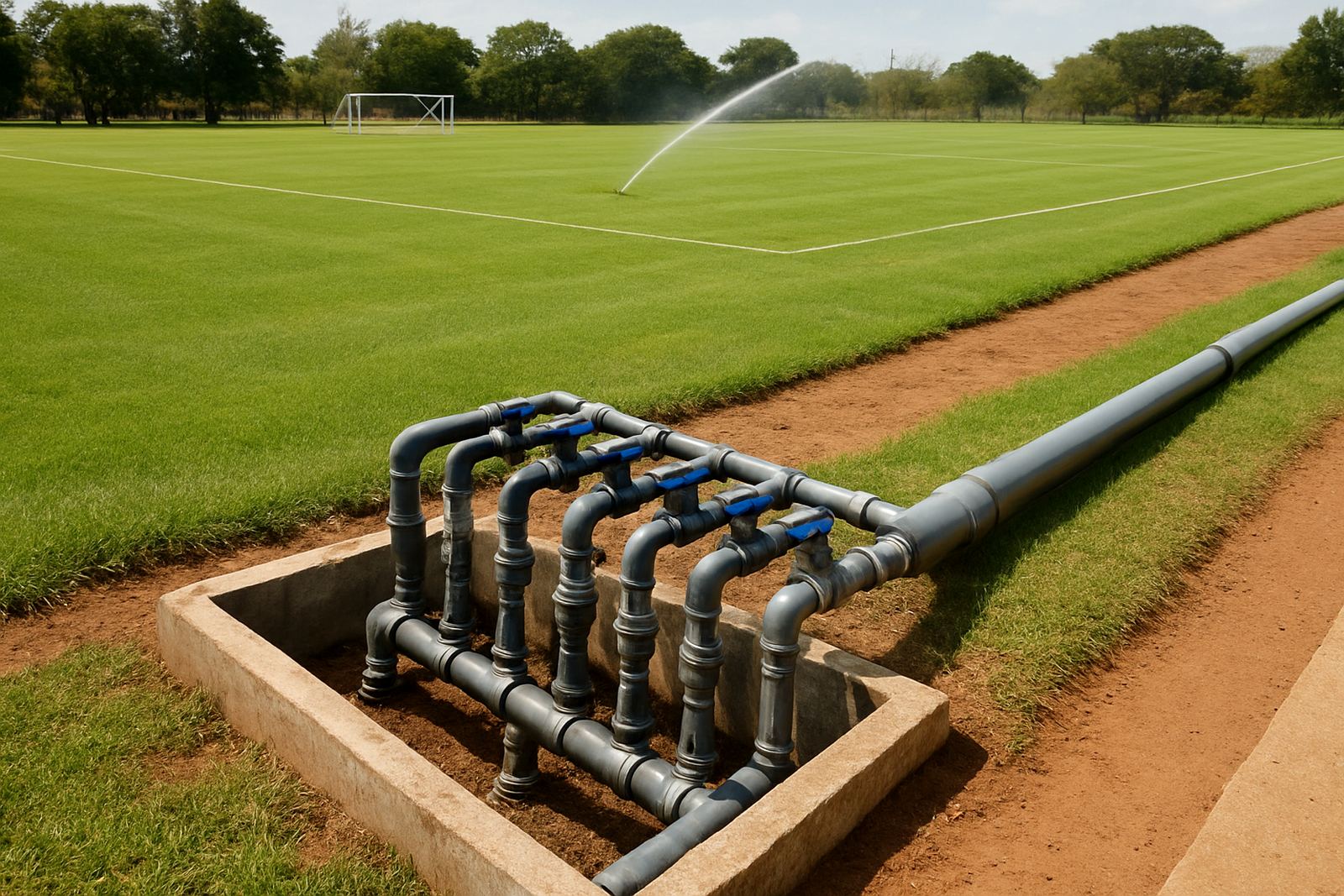
- Valves for zone control and shut-off points
- Adapters for joining pipe to filters, tanks, pumps and tap-offs
- Tools for cutting, cleaning and applying solvent correctly
- Clamps, couplers and repair pieces for fast fixes in the field
- Spare fittings for future changes and emergency repairs
For many clients, it is worth keeping a small reserve box on site. A missing reducer or a cracked elbow can stop a whole line from working, especially during planting season. Having parts on hand saves travel time and keeps the system moving.
Layout planning that saves water, time and money
Good planning starts with a simple sketch of the property. Mark the water source, the highest point, the longest run and each zone that needs separate control. This helps avoid pressure loss and gives you a clearer idea of where to place valves, junctions and service points. If you are running across uneven ground, plan for extra supports and a few isolation points so you can work on one section without shutting down the whole line.
On smallholdings around Polokwane, Mokopane and Tzaneen, we often see systems that were extended in bits and pieces. That can work for a while, but it usually leads to mixed pipe sizes, odd fittings and weak flow at the far end. A neater layout with proper zone breaks is easier to maintain and cheaper in the long run.
- Keep the main line as straight as possible
- Place shut-off points where each block can be isolated
- Allow room for filters and cleaning access
- Use a larger diameter on long runs to reduce pressure drop
- Leave space for future rows, tunnels or orchard blocks
Common mistakes we see on smaller properties
The most common problem is buying fittings before the layout is confirmed. That leads to wrong sizes, extra trips and wasted Rand. Another mistake is using fittings that are not suited to outdoor use, or rushing the jointing work when the weather is hot and the solvent flashes off too quickly. In humid coastal conditions, or dusty inland sites, preparation matters a lot.
We also see systems where the pipe is too small for the job. That causes weak delivery at the last outlet and uneven watering across beds. A second issue is forgetting about repair access. If a fitting is buried or hidden behind a tank stand, a small leak becomes a bigger headache later. It is better to plan a little extra space now than to dig everything up again later on.
Budget ranges for smallholding irrigation fittings
Budgets vary a lot depending on the number of zones, the distance from the water source and whether you are setting up a fresh system or extending an older one. For a small starter section, basic PVC fittings and hand tools can begin around R800 to R2 500. A more complete zone setup with valves, adapters, extra elbows and repair stock often sits between R3 000 and R8 500. Larger smallholdings with several blocks, long runs and stronger main lines can move above R10 000 quite quickly.
If you are budgeting, include the parts you do not see at first glance: spare joints, cleaner, solvent, cutters and a few backup fittings. That extra margin helps when you need to fix a break during peak irrigation hours. It is also a good idea to compare the cost of one proper installation against several piecemeal repairs over a season.
- Starter repairs and small extensions: R800 to R2 500
- Single-zone or bed expansion: R2 500 to R5 000
- Multi-zone smallholding layouts: R5 000 to R10 000+
- Allow extra for long distances, filters and valve boxes
How PVC Welders supports smallholding orders across Limpopo and beyond
Our base in Ladanna, Polokwane serves smallholders who need practical stock without waiting around. We can help with product selection, stock reserving, quantity checks and jointing advice, then arrange regional delivery or courier dispatch depending on where you are. Orders move across Limpopo through our regular delivery areas and can be couriered nationwide as well.
Clients often come to us when they are building a new block, replacing failed fittings, or planning a seasonal expansion. The right support makes a difference, especially when the farm work is time-sensitive. Mpho Sekgobela and the team work with farmers, landscapers and contractors who want a clean list of parts and a clear plan before work starts.
- Product Selection
- System Matching
- Stock Reserving
- Regional Delivery
- Courier Dispatch
- Repeat Order Support
- After Sales Support