Why sunlight changes how irrigation stock should be kept
Sunlight is not just a comfort issue for staff, it is a storage issue for the stock itself. PVC solvent-weld fittings, seals, tapes and handling tools can all lose value when they sit too long in direct heat. The plastic may not fail in a week, but long exposure can make some parts brittle, fade markings and dry out packaging, which makes sorting and checking orders harder.
In a place like Ladanna or on a farm outside Polokwane, storage space is often split between a lockup, a loading yard and a covered bay. That setup is normal. The key is to keep the sun off stock for most of the day and avoid stacking items where heat builds up against metal sheeting or a wall that faces west. A clean shaded area with moving air is usually better than a closed, hot room with no ventilation.
Set up a storage zone that works in Limpopo heat
Before putting stock away, choose one fixed area for incoming goods and one for ready-to-issue stock. That simple split helps avoid mix-ups and reduces the time parcels spend in the open. Keep the floor dry, raised off the ground and clear of weed growth, spilled fertiliser and dust. In the rainy season, one bad storm can send water across a yard and into cardboard or paper labels.
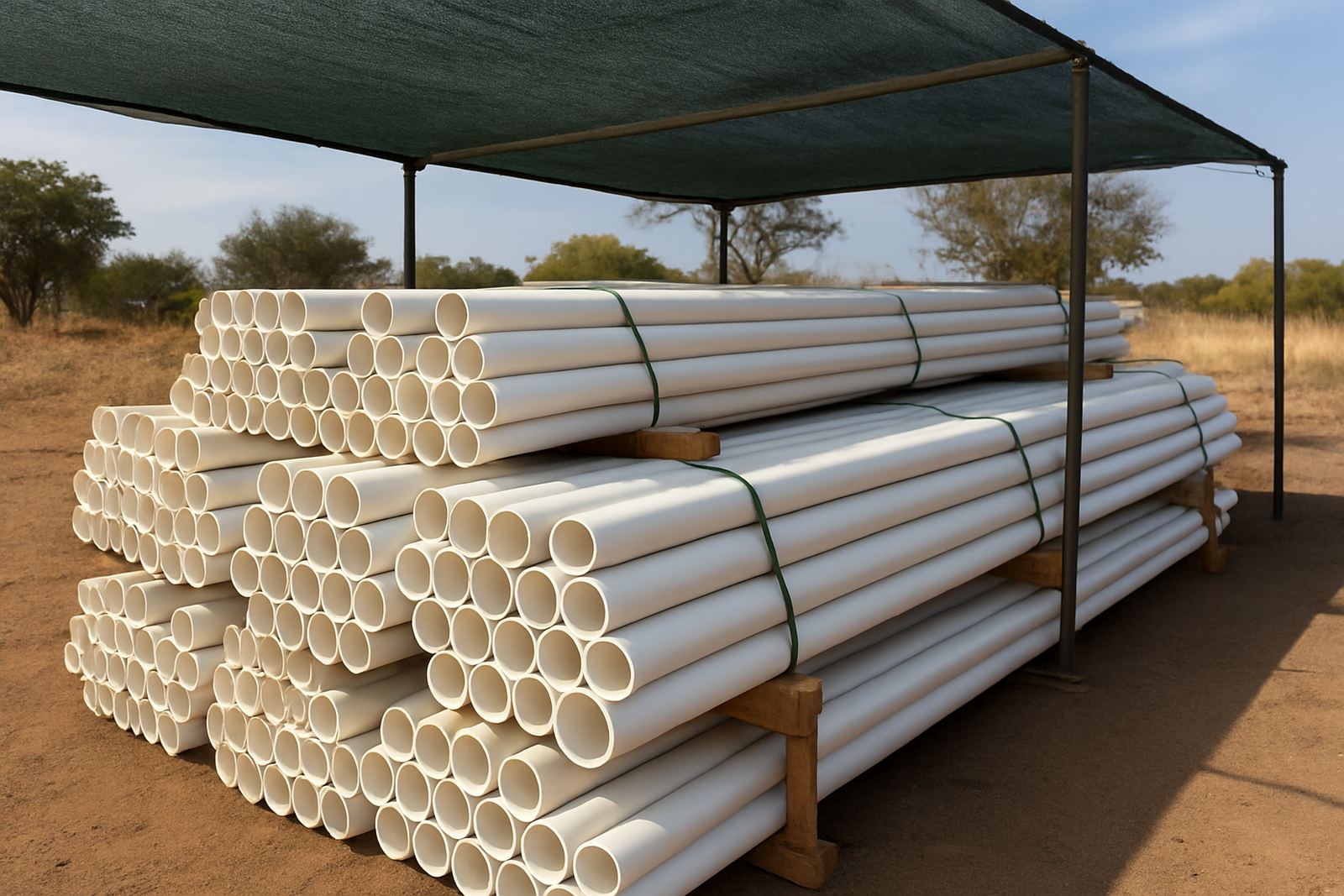
A good storage zone does not need to be fancy. It needs to be orderly. Use racks, pallets and closed crates where possible, and keep the most used items at waist height so they are easy to count. If stock must stay outside under a roof sheet or shade cloth, make sure the cover blocks the worst direct sun and still allows heat to escape. A sealed tarp thrown over a pile may look neat, but it traps heat and moisture, which is a poor choice for long periods.
- Keep fittings off bare concrete by using pallets or slatted shelves.
- Store solvent and cleaning items in a cool, ventilated space away from flame and grinding sparks.
- Label shelves clearly so staff do not open unnecessary packs looking for the right size.
- Place fast-moving stock closest to the dispatch area to shorten handling time.
Protect fittings from dust, moisture and rough handling
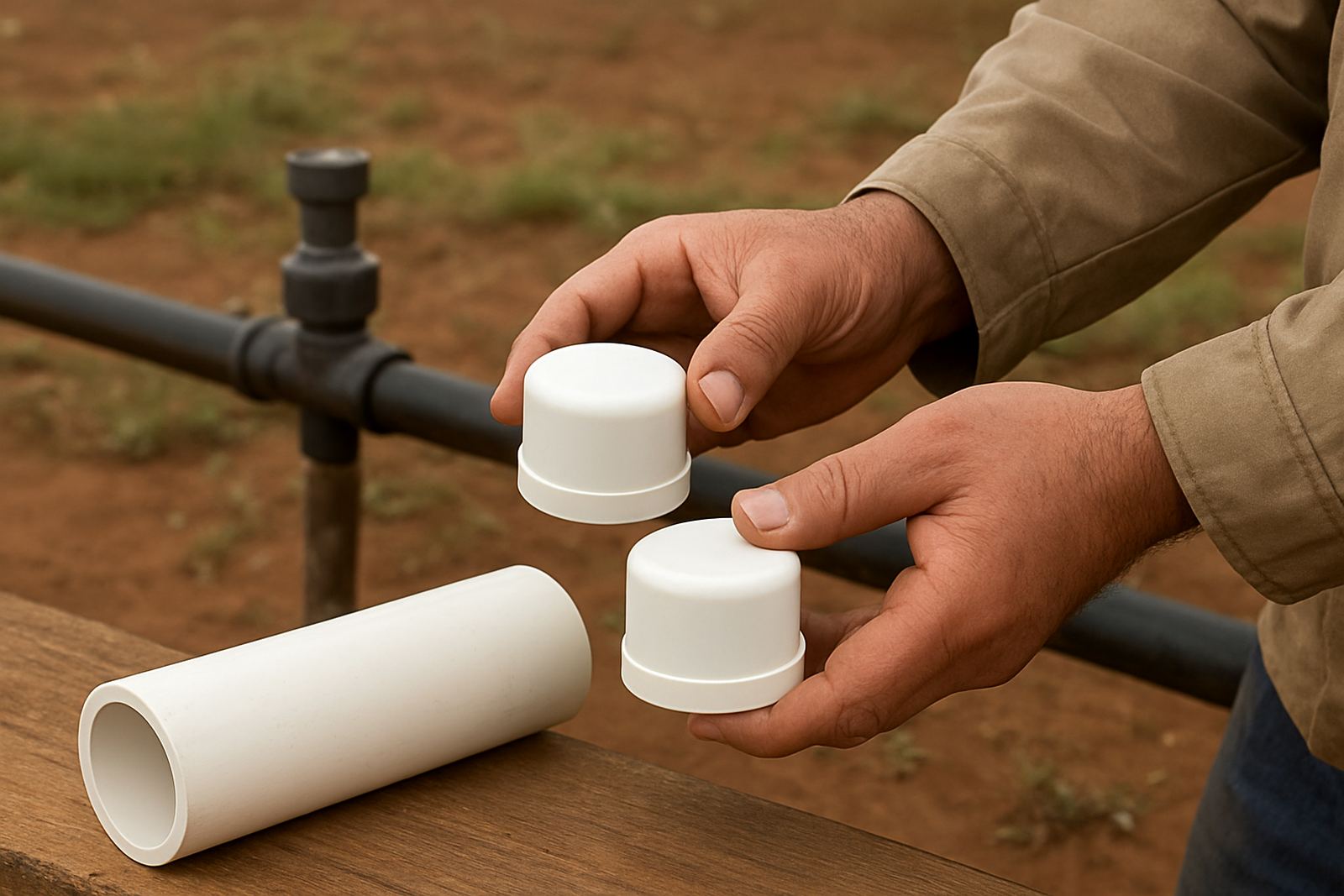
Many irrigation problems start long before the part is installed. Dust in the thread, a cracked cap from rough stacking, or a fitting left in wet grass can all lead to call-backs later. When stock is stored outdoors or semi-covered, the packaging must be treated as part of the product. If a bag splits or a box gets soft, re-pack it immediately and mark the contents clearly.
Heavy items should never sit on top of smaller fittings. The pressure can deform elbows, reducers and couplings, especially on hot days when the material softens slightly. Keep tool boxes and joining supplies separate from pipe bundles so staff can find them quickly without shifting the rest of the order. A clean, dry stock area also makes it easier to check quantities before delivery, which saves time on site and avoids a second trip.
- Seal opened packs in clear bags or bins after counting.
- Keep labels facing outward for quick stock checks.
- Remove damaged cartons as soon as they arrive, do not leave them in the stack.
- Store smaller fittings in bins by size and use dividers for mixed orders.
Plan for load-shedding, outages and after-hours security
Storage does not stop after closing time. In many parts of South Africa, load-shedding and short outages affect lights, gate motors and alarm systems, so stock needs to be arranged with that in mind. If the store or yard is dark at night, keep walkways open and avoid stacking material in ways that block access to the main door, the fire extinguisher or the delivery exit.
Where power cuts are common, it helps to keep a manual stock register close to the packing area and to do final checks before the lights go out. That way, the team is not trying to count mixed stock by torchlight. Good security also matters in semi-open areas. Lockable cages, solid doors and a tidy yard reduce temptation and make it easier to see when something has been moved. A cluttered space is harder to secure and slower to work in.
Use stock rotation so old packs do not sit in the sun
First-in, first-out still applies, even when the storage space is under shade cloth. Older packs should move out before newer ones, especially if the items are used in farm orders, contractor jobs or repeat delivery runs. If an order has been on hand for a while, check the packaging, the condition of the fittings and whether the labels are still readable before dispatch.
It also helps to split stock by usage. Fast-moving items should not be buried behind slow movers. If one box is opened daily and another only once a month, place them accordingly. This is especially useful when teams are working across Polokwane, Mokopane, Tzaneen or Hoedspruit, because a clean stock room saves time when a driver is waiting and the next load has to go out. Small storage habits reduce mistakes, and they keep the material in better shape for the customer.
A Ladanna example: what practical storage looks like on the ground
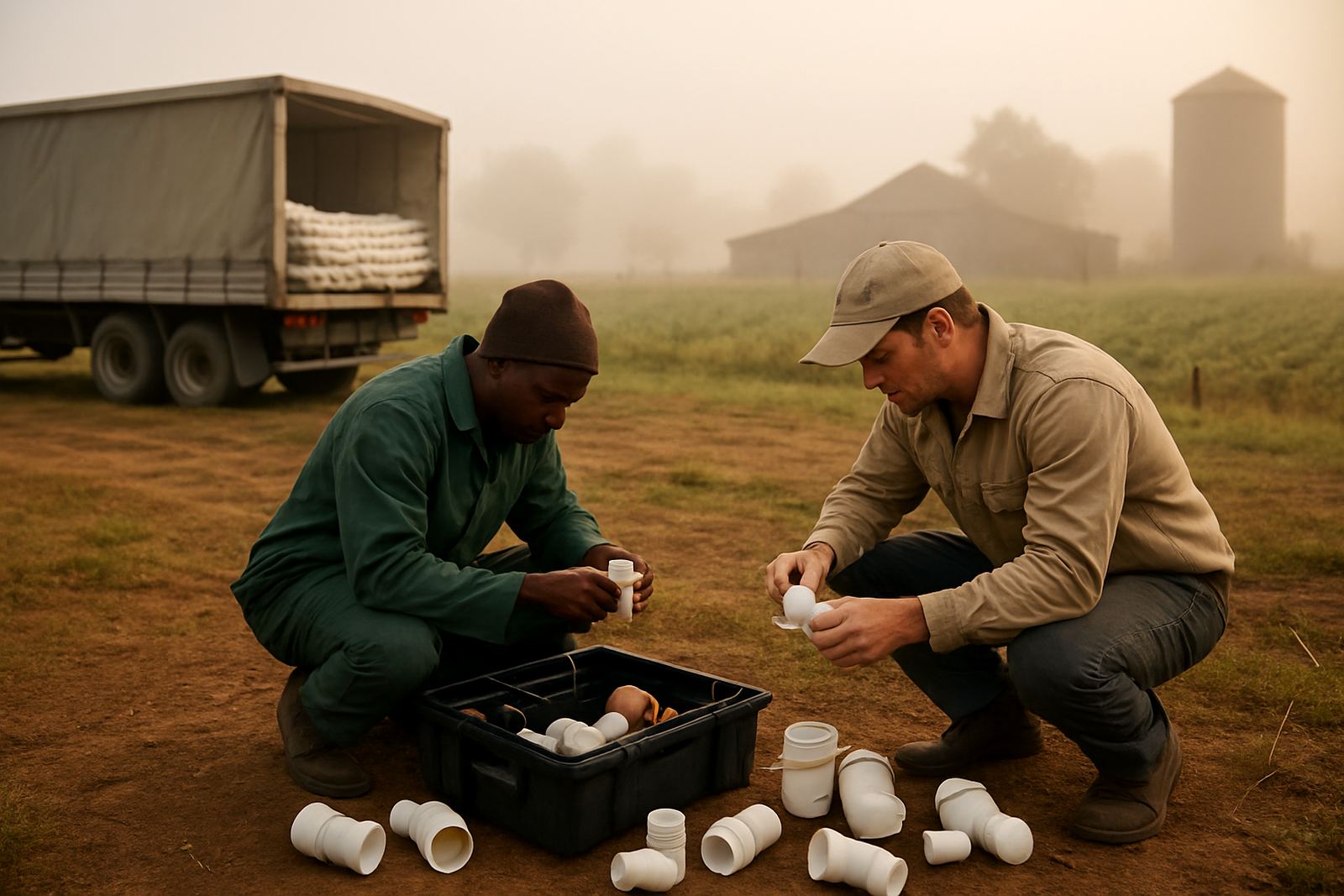
In a place like Ladanna, a branch may receive mixed irrigation stock in the morning and send part of it out to a farm in the afternoon. On hot days, that means the same pallet can be handled three or four times. The easiest way to keep order is to work from a shaded receiving point, sort the goods straight away and move the ready stock into a covered bay before lunch. If rain comes later, nothing sits out in the open waiting for someone to fetch it.
A local contractor collecting fittings for a pivot line or a drip repair does not want to wait while staff search through sun-faded boxes. Clear marking, firm stacking and dry storage keep the process moving. It also gives customers confidence that the items they collect or receive by courier have been handled properly from the start. Good storage is not only about avoiding damage, it is about saving time and keeping each order accurate. A tidy yard often tells you more than a polished sales pitch ever could.