
Why end caps matter before the line goes live
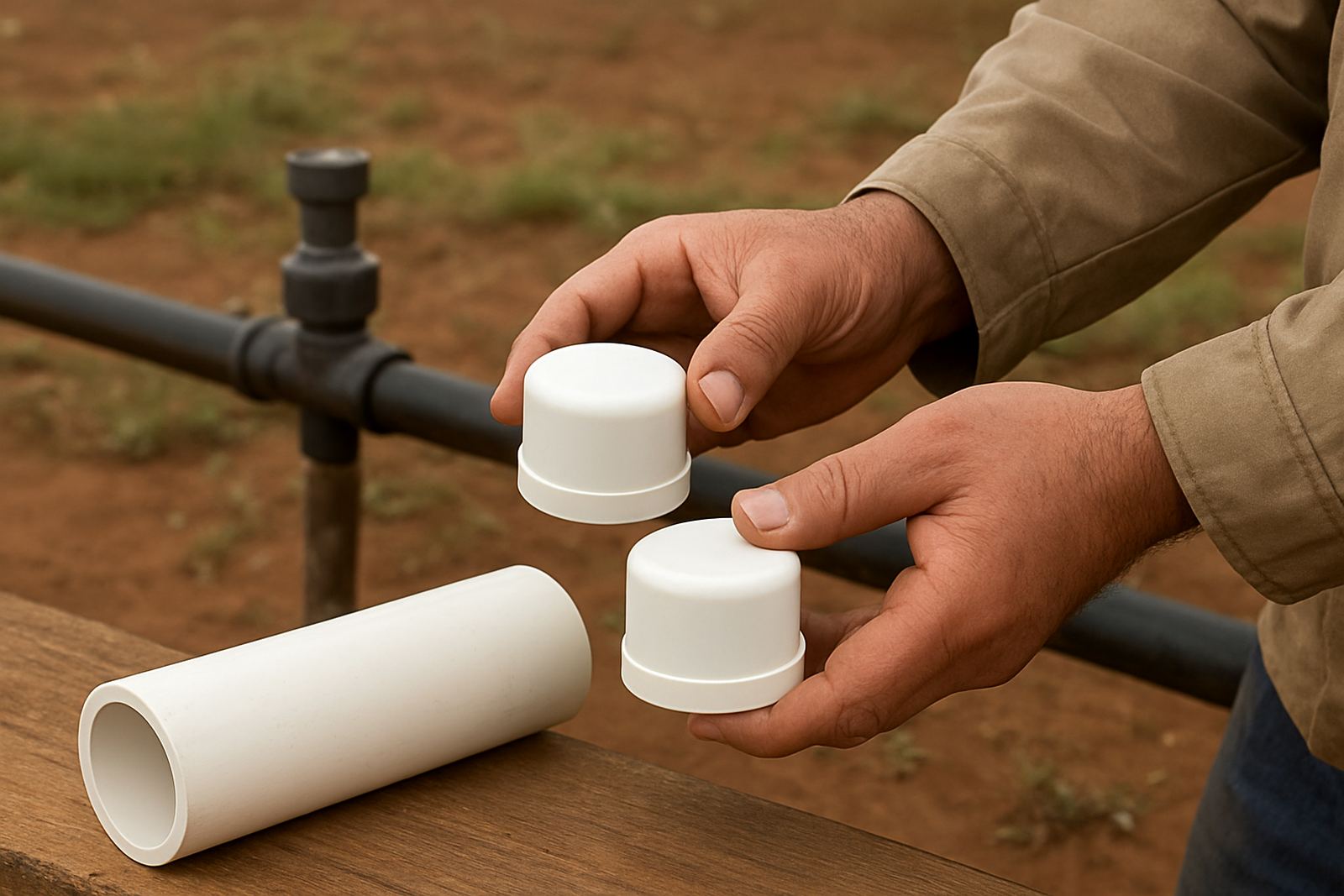
In irrigation, an end cap is not just a finish piece. It gives you a proper closing point on a pipe run so you can test pressure, flush a section, or leave a line ready for future use without losing water at the open end. That matters on farms where work gets done in stages, and it matters on jobs where a contractor must hand over one section now and add more later.
For PVC solvent-weld systems, a neat capped end helps keep soil, insects and grit out of the line. It also reduces the chance of someone accidentally opening a live run while valves are being adjusted. On dusty Limpopo sites, that little detail can save a pump from drawing dirt into a system that should have stayed clean.
When to fit an end cap during installation
Fit the cap when the branch or main line is complete enough for the current phase, but before the system is left unattended. If the line is part of a future extension, cap it after the final check and before backfilling or leaving the trench open. On hot sites, it is worth marking capped ends clearly so the next crew knows the line is temporary and can be reopened later.
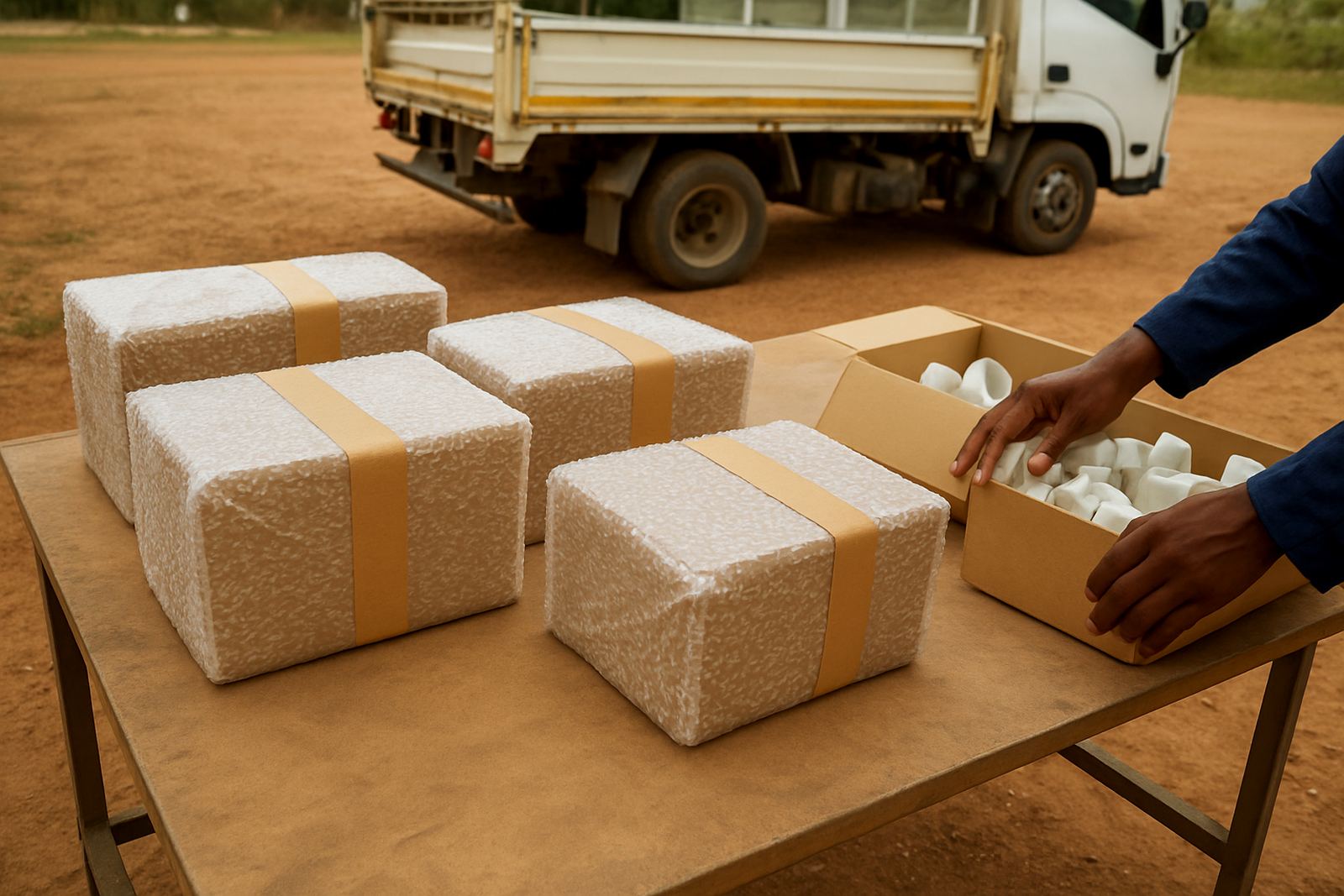
A useful rule is simple: if water is not meant to pass through that end today, close it properly today. That applies to staged orchards, new garden layouts, trial blocks, and temporary bypasses during repairs. It also helps when a supplier needs to reserve stock and a contractor wants to keep the next phase tidy until fittings and pipe arrive.
- Cap open ends before pressure testing a section.
- Use caps to protect stub-outs left for future tie-ins.
- Mark capped lines where backfilling or grading will happen later.
- Keep spare caps in the kit for repair days and quick alterations.
Getting the size and fit right for PVC solvent-weld work
The cap has to match the pipe size exactly. A loose fit gives you a weak joint and a tight but poor-quality fit can stress the socket. Check the pipe outside diameter, confirm the class or pressure rating, and make sure the fitting is meant for solvent-weld use. For irrigation, that fit must suit the pressure your pump and layout will carry, not just the size printed on the box.
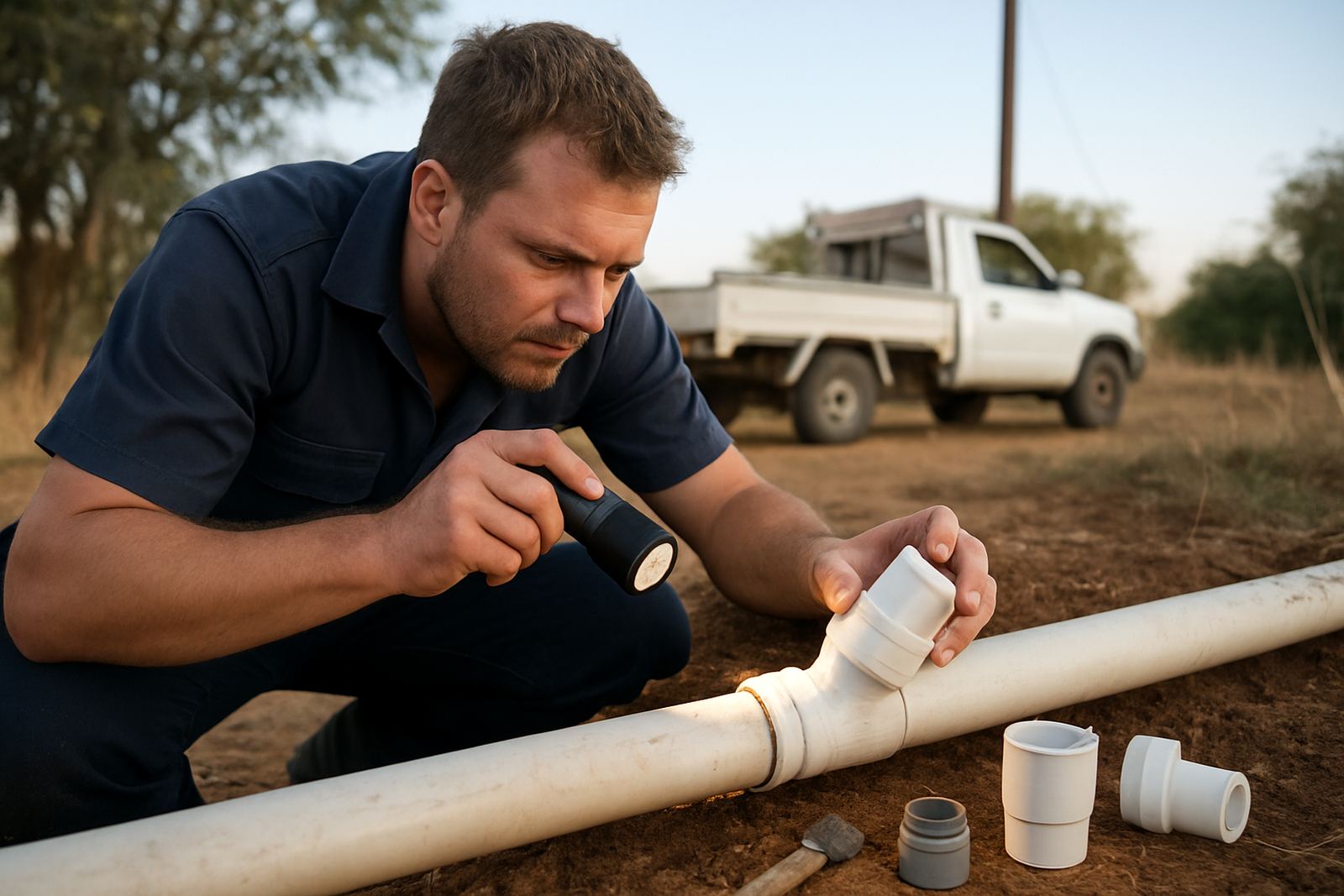
Before joining, dry-fit the parts first. The pipe end should be cut square, lightly cleaned and free of burrs. If the pipe is oval, cracked or sun-damaged at the end, trim back to sound material. In very dry areas and on coastal jobs where fittings can sit in humid air for long periods, proper prep is even more important because poor surface condition affects the joint.
- Cut the pipe square for an even socket seat.
- Remove burrs so debris does not catch inside the line.
- Check that the cap suits the exact pipe size and class.
- Replace any end that has cracks, flattening or UV damage.
Testing, flushing and temporary closure on site
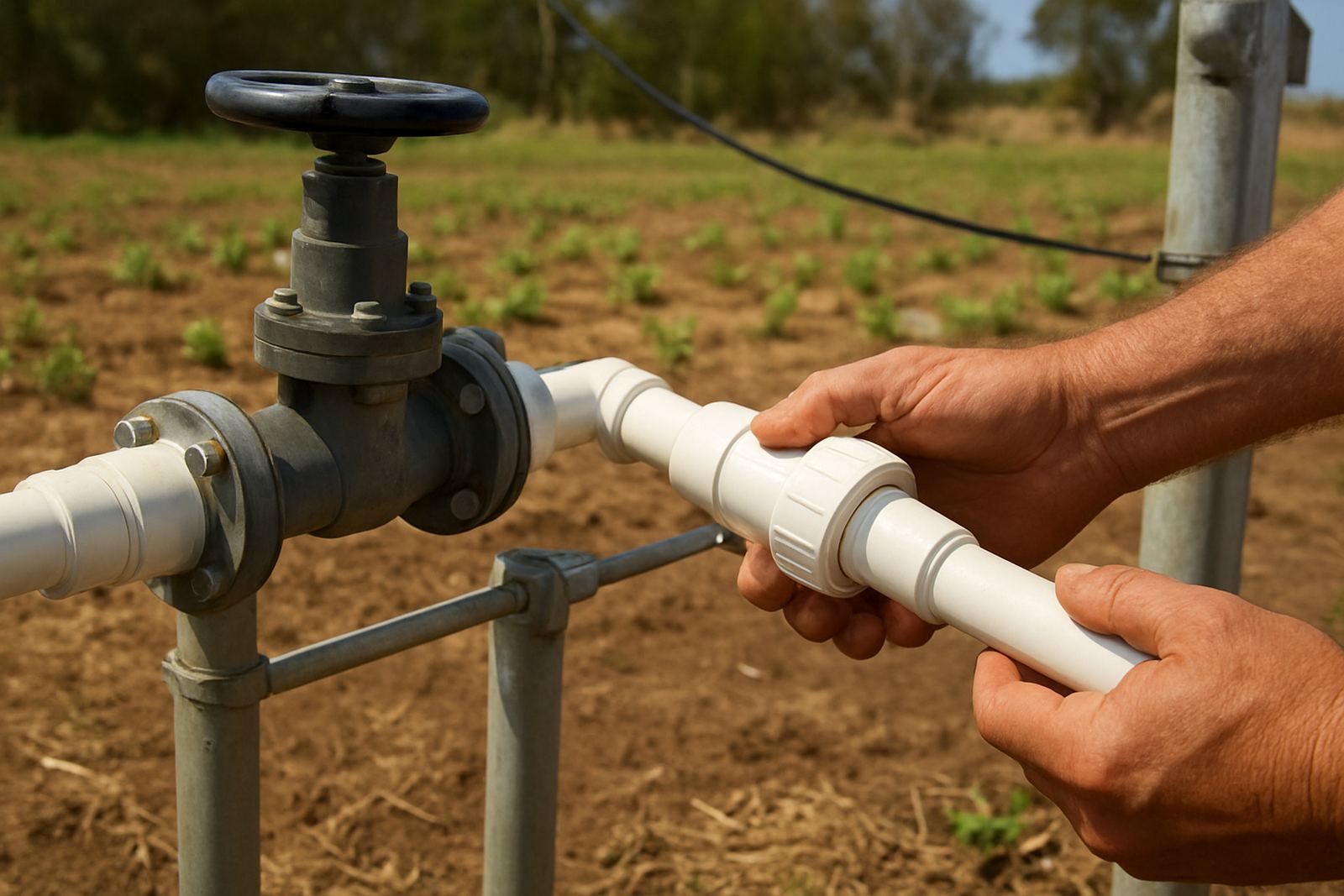
End caps are very handy during testing because they let you isolate one section at a time. That means you can pressurise, check for leaks, and fix a problem without draining the whole system. If you are working with long runs across a farm, this saves time and water, especially when a borehole or pump is only available for certain hours.
They are also useful during flushing. A line can be flushed in stages, then capped while you move to the next section. For a contractor, that means less confusion on site and fewer return trips just because an open end was left unattended. On municipal or estate jobs where the site is busy, a capped line also cuts the risk of dirt entering the pipe before final connection.
- Use caps to isolate one test zone at a time.
- Flush debris out before the final closure is left in place.
- Keep the capped end visible until the trench is closed and marked.
- Re-check joints after pressure settles, not only immediately after fitting.
Planning for future extensions without redoing the whole line
One of the best uses for an end cap is future-proofing. If you know a block will expand, or a shade-net area may be extended later, cap the line in a place that makes later work easier. That can mean leaving a neat access point near a valve box, a boundary wall or a service lane instead of burying the end in a hard-to-reach spot.
Good planning here saves money later. When the next phase starts, you only open the line where it was meant to open. There is no need to cut back pipe unnecessarily or disturb a finished area. For growers in places like Tzaneen or Hoedspruit, where irrigation changes often follow planting cycles, that sort of planning keeps labour down and helps the whole system stay organised.
It is also worth noting who will come back to the job. If the same contractor will add the next section, leave a simple note for the future line size, pressure class and intended direction of flow. Small notes prevent mistakes when the team returns after a few months and the site has changed.
Common mistakes to avoid with capped irrigation lines
The most common mistake is leaving a cap off during a shift change or after a quick repair. Another one is using the wrong cap for the pipe size, then forcing the fit and hoping the solvent will sort it out. It will not. The joint must be correct from the start, or it can fail under pressure later.
Another issue is forgetting that a capped line still needs to be protected from sun, knocks and movement. If the end is exposed, secure it so someone walking past, driving past or handling tools does not crack the fitting. On working farms and contractor sites alike, that kind of damage happens quicker than people expect.
Keep an eye on the following points before leaving site:
- The cap is fully seated and properly bonded.
- The pipe end is clean, square and undamaged.
- The capped section is labelled or noted for later use.
- The line has been tested and checked for seepage.
Done properly, a simple cap gives you control over the job. It keeps the line tidy, supports testing, and makes later changes far easier than cutting into a line that was left open or poorly closed.