
What a union does in an irrigation line
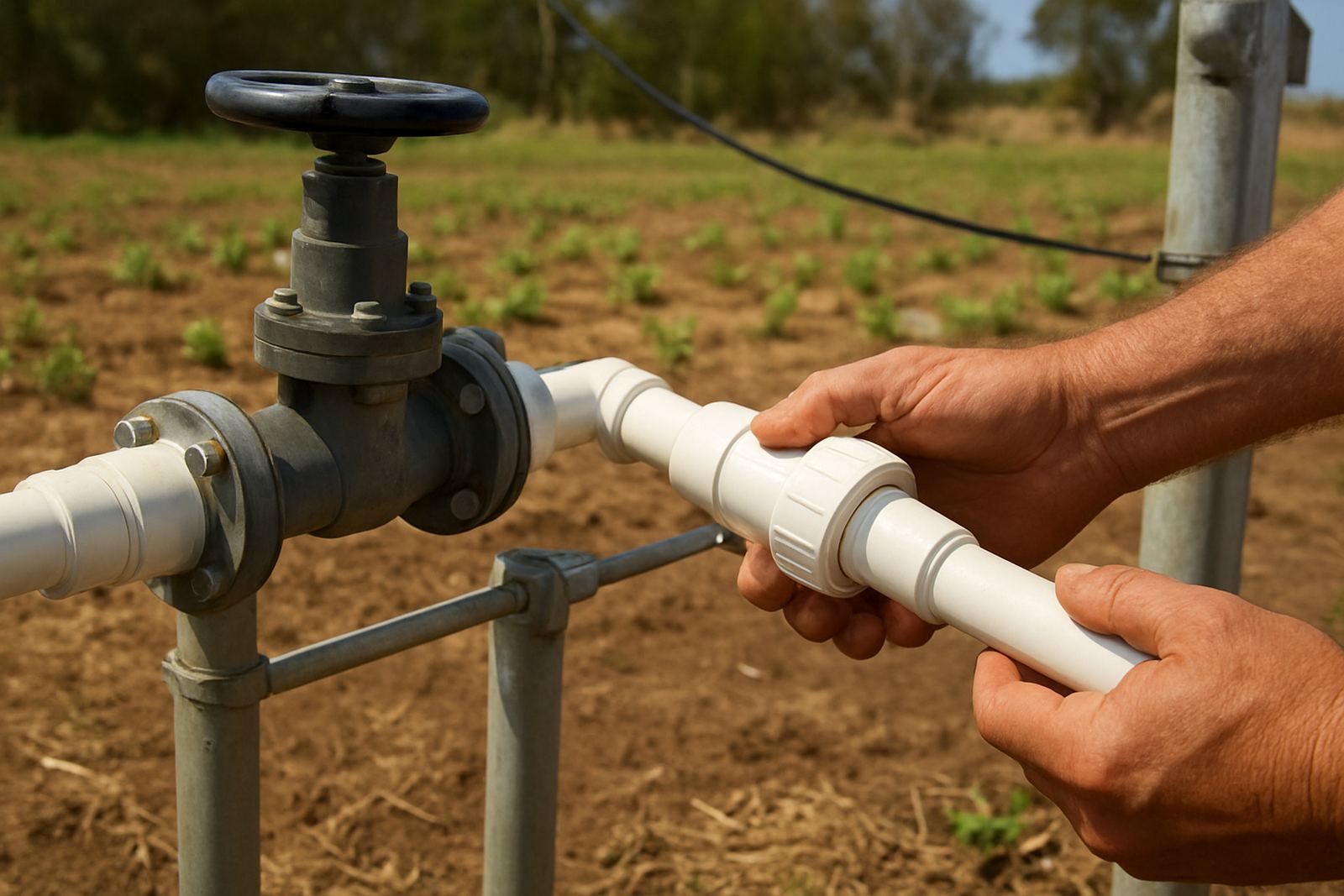
A union is a fitting that lets two sections of pipe come apart without cutting the line open. In irrigation work that matters because valves, pumps, filters and long runs all need attention now and then. If a section is installed with a union, the line can be opened, serviced, and put back together with far less disruption.
For farmers, landscapers and contractors, the real value is not only convenience. A union can help you plan for maintenance before the system is buried, clamped or put under pressure. That means less downtime during a dry spell, less waste when a part needs replacing, and fewer hurried repairs at the wrong time of day. In Polokwane and across Limpopo, where heat and dust can test fittings, that planning matters.
Best places to fit a union first
Not every joint needs a union. They make the most sense at points where something may need to be removed, cleaned or replaced later. A good rule is to think about the parts of the system that carry wear, vibration or regular adjustment.
- On either side of pumps and pump bypass lines
- Before and after filters that need cleaning or removal
- At valve banks where parts may be swapped later
- Near tanks or reservoirs for easier disconnection
- At long runs where a future section may need to be lifted out
- Where a pipe enters or leaves a raised structure
On a citrus block outside Tzaneen, for example, a contractor may place unions beside a filter station and at the main control valve. If a filter cracks or a valve body has to be changed, the job can be done with less cutting and less chance of damaging adjoining fittings. That saves labour and keeps the servcie interruption shorter.
When a plain solvent-weld joint is enough
There are plenty of places where a standard solvent-weld joint is still the better choice. If a line is buried, straight, and unlikely to be opened again, a simple welded connection is often neater and cheaper. It also reduces the number of parts that could potentially need tightening or inspection later.
Unions add cost, so it makes sense to use them with intent. In a short feeder line to a drip zone, or in a permanent branch that will never need removal, extra unions can be unnecessary. The aim is not to place them everywhere, but to use them where future access is practical and likely. That balance keeps the system tidy and cost conscious.
Ask yourself one question: will I want this part out of the line later without cutting pipe? If the answer is yes, a union is usually worth considering. If the answer is no, a standard welded joint may be the cleaner option.
Sizing, alignment and pressure points that matter
A union only helps if it is installed properly. The pipe must be aligned neatly, the faces must seat correctly, and the surrounding line should not be pulling or twisting against the fitting. If there is stress in the line, the union can become hard to open later or may seep under pressure.
It also helps to match the union to the pipe size and the working pressure of the system. Irrigation lines in South Africa face very different conditions, from warm inland afternoons in Limpopo to damp coastal mornings in other parts of the country. A fitting that is too light for the job can loosen over time, while one that is mismatched can cause unnecessary strain.
- Check that the pipe ends are cut square and clean
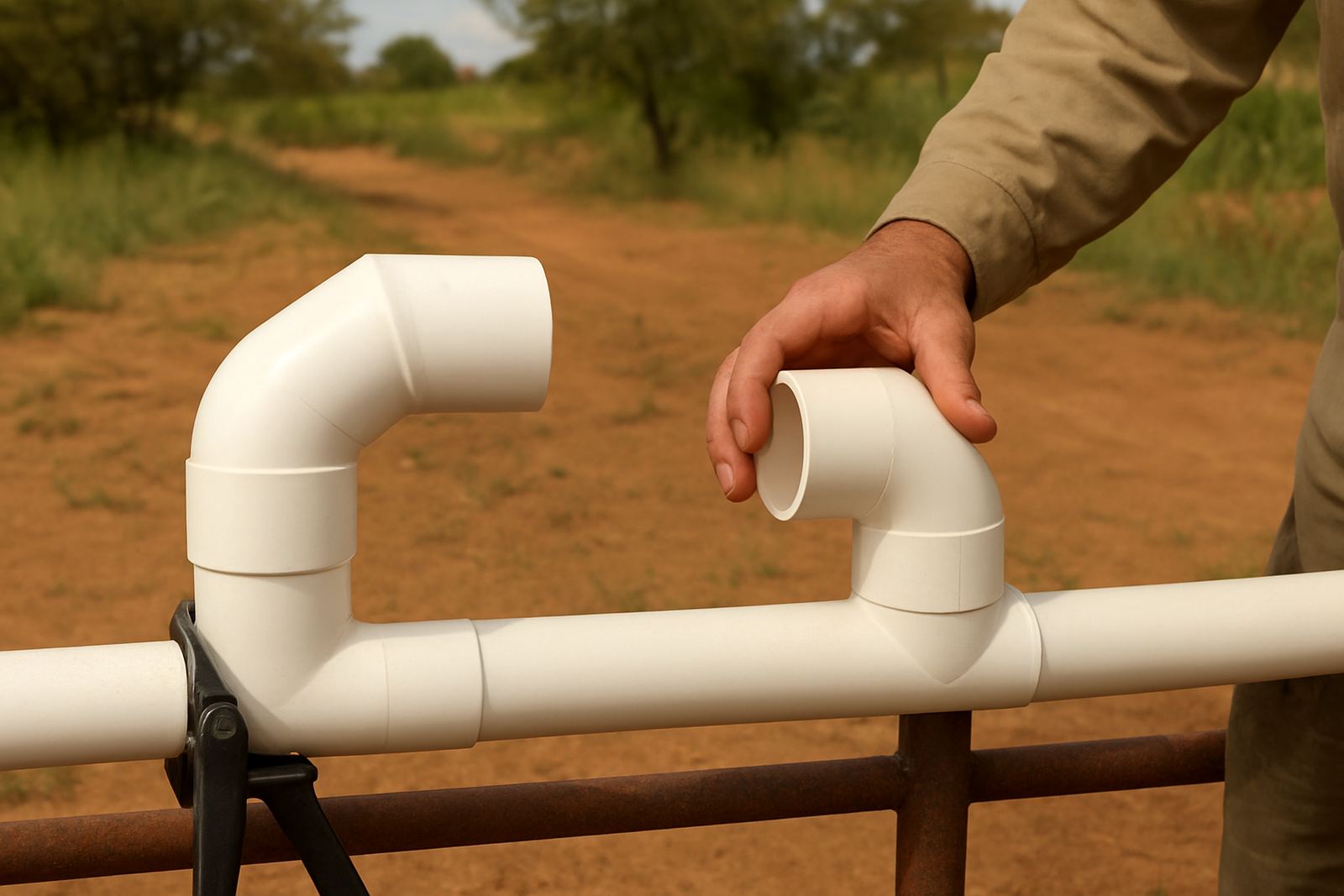
- Dry-fit the parts before applying solvent
- Leave enough working space around the union nut
- Do not force the line into position to make it fit
- Support long runs so the union is not carrying extra weight
If the fitting is buried in a tight trench with no room to turn it, the whole point is lost. Give it access, even if that means changing the layout slightly at installation stage.
Good examples from farms and landscaped sites
One common use is at a fertigation point where additives may be introduced into the line. When the dosing section must be cleaned or changed, unions let the contractor remove that section with less disruption to the rest of the system. Another useful spot is beside a tank outlet where a pump may need periodic inspection after load-shedding events or dry running risk.
In landscaping, unions are practical where a main line passes through a plant room, a control box area or a section that may be reworked later. Municipal limits on water use can change the way a site is managed, so having serviceable points built in from the start makes adjustments simpler. It is easier to inspect and maintain a section when you can open it cleanly instead of cutting into pipe every time.
A contractor working in Lephalale, for example, may choose unions on a larger bore supply line near a commercial garden pump set. If the pump needs replacement after a long season, the union points allow faster changeover and help keep the site operational.
Common mistakes that shorten union life
The main mistakes are simple and costly. People over-tighten the union, leave the line under tension, or place it where soil, stones or constant movement will work against it. Others install unions where they will never be used and then run short of budget for the places that really need them.
- Over-tightening the nut until the seal is stressed
- Installing without enough room to undo it later
- Using a union as a fix for poor pipe alignment
- Placing it where dirt and grit will build up quickly
- Choosing the wrong fitting size for the pipe
- Skipping support on long or heavy sections
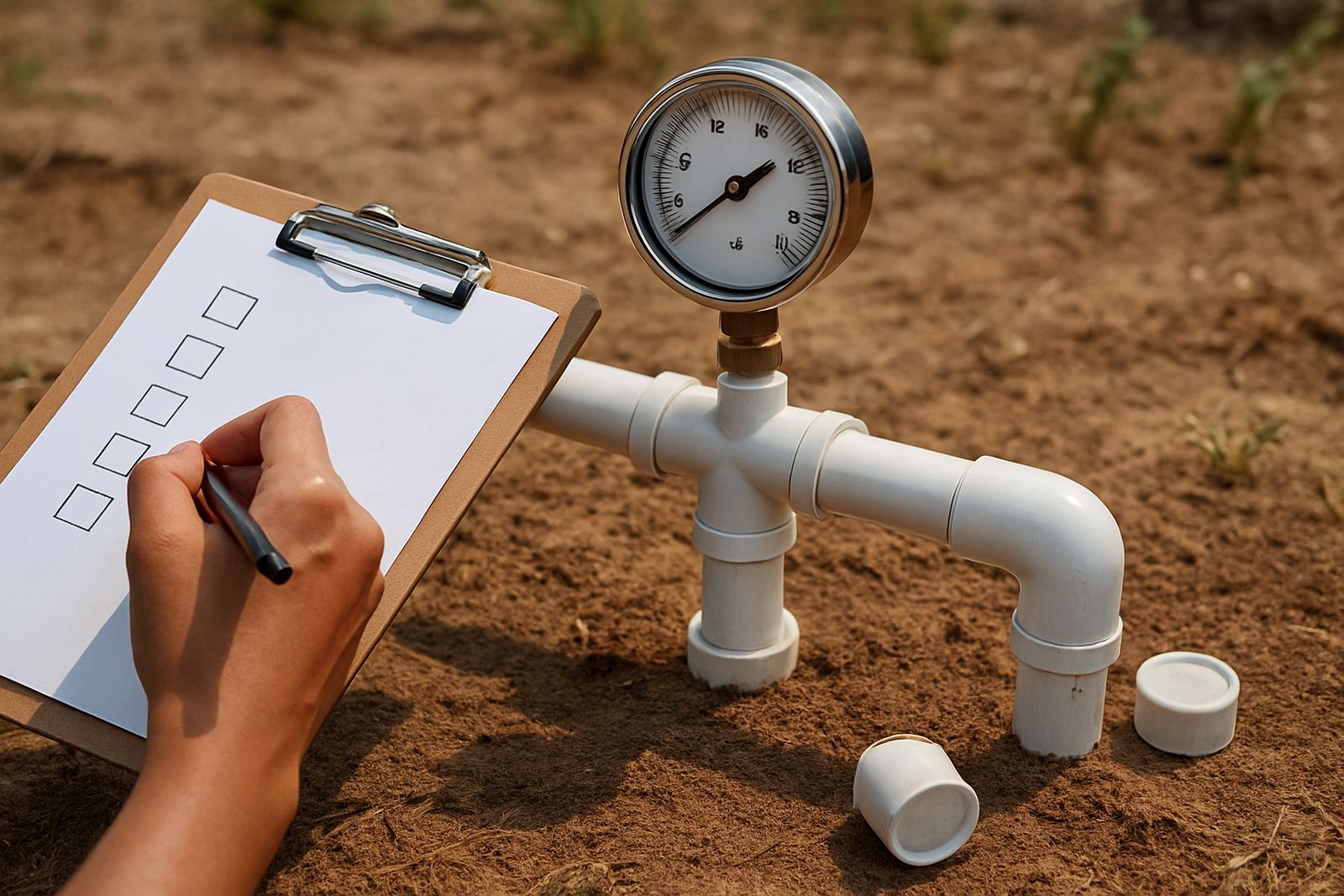
It is also worth checking after the first pressure test. A fitting may look fine at rest but show a slow seep once the line is live. Catching that early is far easier than finding it after the trench has been backfilled.
How to plan union placement before you order stock
The best time to decide on unions is before materials arrive on site. Walk the layout, mark the likely service points, and think about which parts are most likely to be opened later. On larger jobs, this can be done with the pump set, filter bank and main control points first, then the branch lines after.
For farms around Polokwane and across Limpopo, stock planning matters because long delivery distances can delay a project if the wrong fittings are ordered. It helps to list the pipe sizes, count the service points, and separate the must-have unions from the optional ones. That way you are not left short once installation starts.
At PVC Welders, we work with irrigation contractors, landscapers and farmers who need practical advice on which fittings belong where. The best layout is usually the one that keeps the system simple day to day, but easy to service when a part needs attention. Unions are one of the small details that can make a big difference later on.