Why elbow angle matters in real irrigation layouts
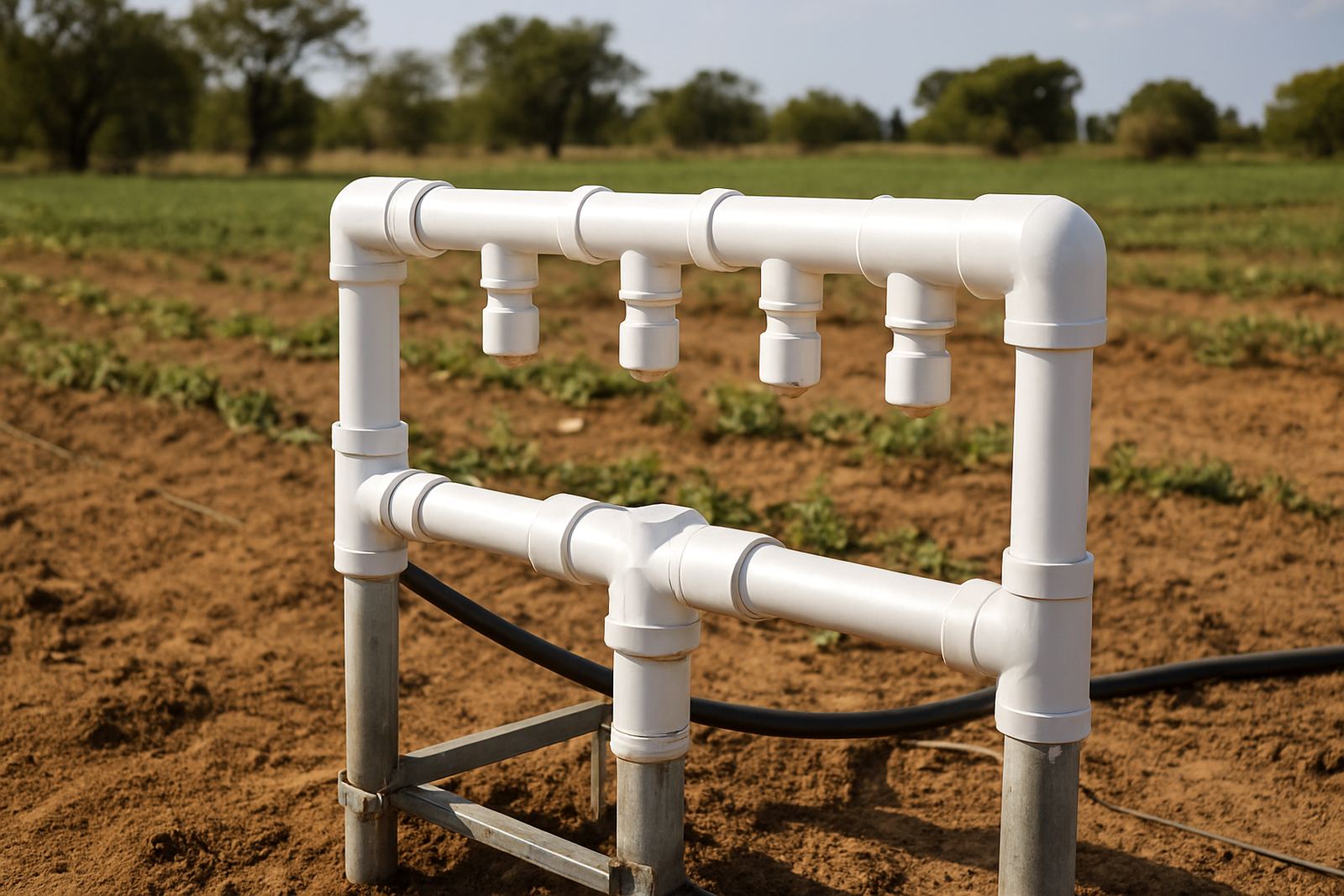
In irrigation work, an elbow is not just a corner piece. It directs water, affects pressure loss, and decides how tightly a line can turn around obstacles. A 90 degree elbow makes a sharp change in direction, while a 45 degree elbow gives a gentler turn that is easier on the system. That difference matters when you are moving water from a pump station to a block of trees, a tunnel line, or a row of vegetable beds.
On farms around Polokwane, the first question is usually not which fitting is cheapest, but which fitting suits the route. If the pipe has to hug a wall, clear a slab edge, or turn hard into a valve box, a 90 degree elbow is often the cleanest answer. Where the line can run with a little more space, a 45 degree elbow may reduce resistance and help the system breathe a bit better.
A practical rule is simple: use the least aggressive turn that still fits the layout. It may look like a small detail, but over a long run and many fittings, it can save you money and headaches.
When a 90 degree elbow is the better fit
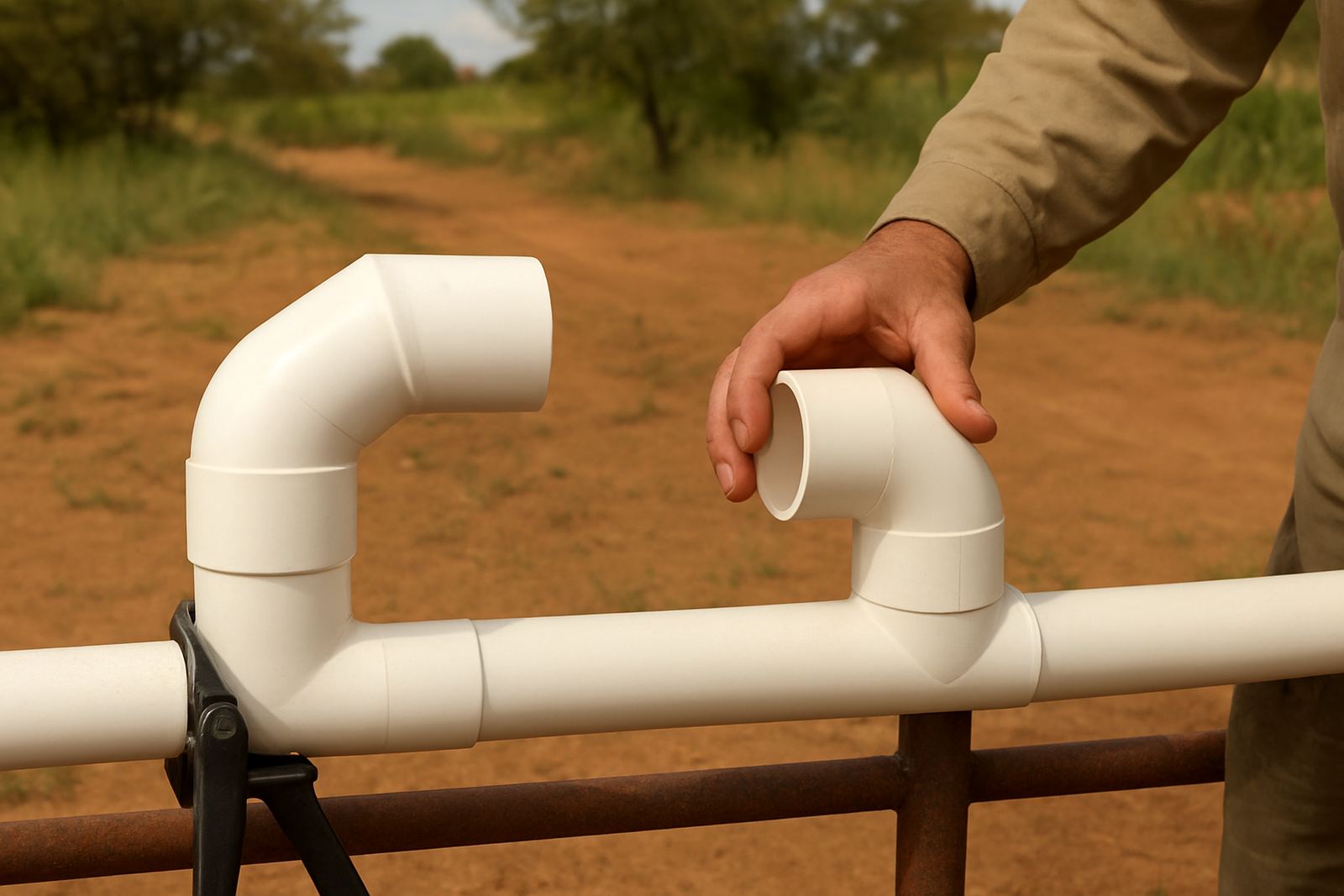
A 90 degree elbow is best when space is tight and the route needs a definite right angle. It is common at tank outlets, wall entries, manifold corners, and where a line must turn sharply into a block. In these spots, neat alignment matters as much as flow, because the pipe must sit square and be easy to inspect later.
That said, sharp turns can create more turbulence than gradual bends. In a high pressure line, too many tight corners can make the system less efficient, especially if the pump is already working hard. For that reason, 90 degree elbows should be used where the layout truly calls for them, not just because they are handy.
- Use 90 degree elbows for tight corners and confined spaces
- Choose them at tank outlets, wall penetrations and valve boxes
- Keep the number of sharp turns low on long mains
- Check that the pipe is fully supported before and after the joint
Where contractors are working fast on site, the 90 degree fitting can also make installation simpler because the line lands exactly where it should. That helps when a trench is already cut and the alignment cannot shift by even a few centimetres.
When a 45 degree elbow gives better flow
A 45 degree elbow suits routes where the pipe can turn more gently. It is often a better choice on longer irrigation runs, feeder lines, and places where you want to reduce flow resistance. The water changes direction less abruptly, which can help keep pressure losses down and reduce stress on the line over time.
Farmers often use 45 degree elbows when bringing a line around a corner but still want the run to feel smooth. This can be useful on orchards, nurseries, and landscaped properties where the pipe route must be tidy yet forgiving. On sunny sites with warm soil and exposed pipe, a gentler turn can also help the system sit under less mechanical strain during daily heating and cooling cycles.
In some systems, two 45 degree elbows can even be used together to create a wider change in direction than a single 90 degree elbow. That is not always necessary, but it can be the better option where flow consistency is important and you have room to work.
- Use 45 degree elbows for gentler route changes
- Prefer them on longer lines where pressure matters
- They can be helpful in orchards, nurseries and landscaped areas
- Two 45 degree elbows can sometimes replace one sharper turn
How to match the elbow to the job on site
The right elbow depends on the pipe size, the pressure in the line, the number of bends, and the space available in the trench or on the surface run. A small garden line and a farm main line do not behave the same way. Neither do drip systems, micro irrigation layouts and larger sprinkler circuits. If the fitting choice is wrong, the result can be extra friction, poor alignment, or a joint that is awkward to solvent weld neatly.
Before choosing, look at the full run from start to finish. Where is the pump? Where are the valves? How many corners are needed? Can the pipe be rerouted slightly to reduce one bend? These questions matter just as much as the fitting itself. In many cases, a small layout adjustment gives a better result than forcing a line into a tighter corner.
For irrigation contractors and farm managers, it helps to match the elbow angle to the whole system rather than the nearest problem spot. That is especially true when the line runs through areas with load shedding pressure swings, coastal humidity or hot open ground, because a well planned route usually performs better over the long term.
Local conditions that affect fitting choice in Limpopo
In Limpopo, irrigation lines often have to work in hot sun, dusty yards, uneven ground, and long runs between supply points. Around Polokwane, Ladanna, Mokopane, Tzaneen and Hoedspruit, contractors deal with different site shapes and water demands all the time. A 90 degree elbow might suit a compact pump room in town, while a 45 degree elbow may be better on a larger farm layout where the pipe can travel a little further before turning.
Dust and vibration also matter. If a line is knocked during maintenance, or if stock movement passes close to the route, fewer hard corners can reduce stress on the fittings. On coastal jobs elsewhere in the country, humidity adds another reason to keep joints neat and properly prepared before solvent welding. Good jointing habits matter more than people think.
Where municipal rules, boundary walls or tight access points shape the installation, the fitting choice becomes part of the whole planning process. The aim is not only to get water moving but to keep the route practical for maintenance, flushing and future changes.
Buying the right elbows with the rest of the fittings
Elbows work best when they are chosen alongside the rest of the irrigation parts, not in isolation. That includes straight pipe, tees, valves, couplings and any tools needed for clean solvent welding. If the jointing is rushed, even the right angle fitting can give trouble later. A proper dry fit, clean cut and correct adhesive application all play a part in the finished result.
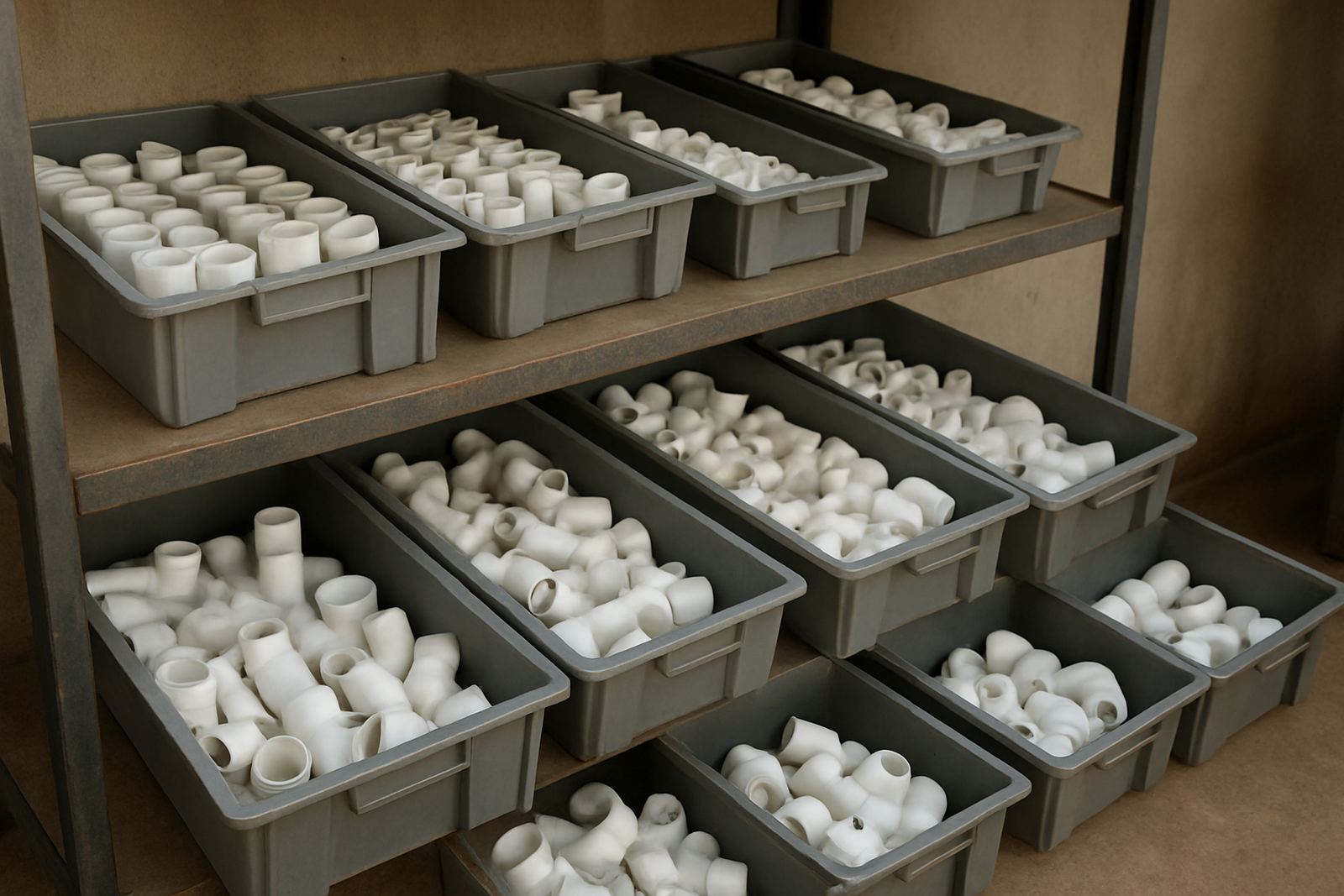
It also helps to keep a sensible stock plan. Contractors often need a mix of 45 degree and 90 degree elbows on the same job, plus a few extras for site changes. Farmers planning repairs before the season starts usually save time by checking quantities early, then reserving stock before the first trench is opened. That way there is less waiting around when the team is already on site and the weather is turning.
For repeat orders, the best approach is to note which elbow angles were used on each section. That makes maintenance easier later, especially on bigger farms where several blocks may look similar but need different parts.
- Order elbows with couplings, valves and pipe lengths together
- Keep extra fittings for last minute route changes
- Check quantities before the crew starts digging
- Record which angles were used on each section for future repairs