Why a line strainer matters before the water reaches the system
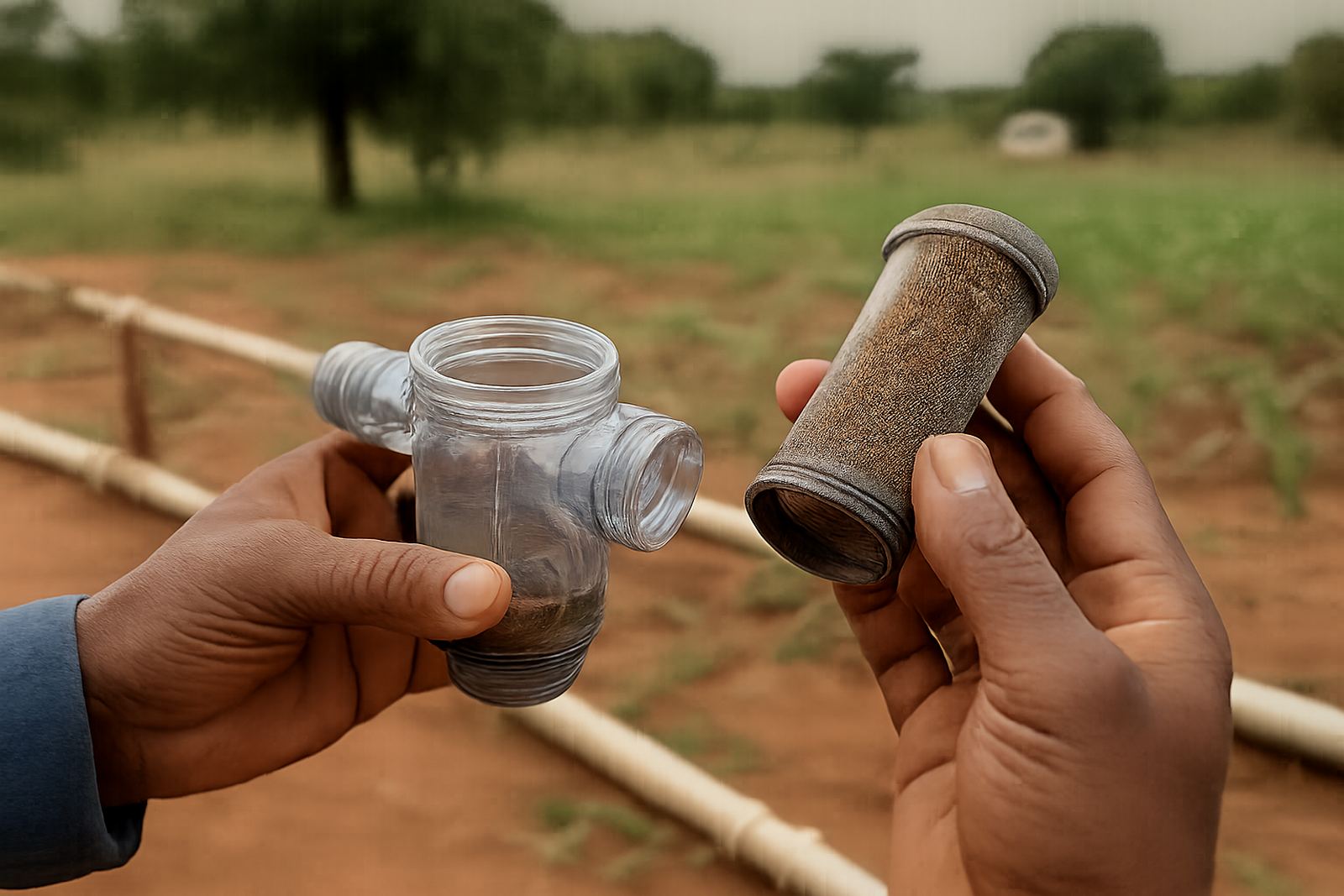
In irrigation, water is not always clean. Boreholes can carry fine sand, dams can hold silt, and storage tanks often collect leaves, algae and settlement. Once that material enters a line, it can settle in elbows, block drip outlets, jam valves and wear moving parts. A line strainer gives the system a first line of defence before those problems start.
The purpose is simple, but the effect is noticeable. By removing larger particles at the point of entry or before a sensitive section of pipework, you reduce the chance of repeated call-outs, uneven watering and premature replacements. For farms and landscaping projects around Polokwane and the wider Limpopo region, that matters because irrigation often runs in dusty conditions with long pipe runs and limited time for maintenance.
Where a line strainer is most useful on an irrigation layout
Not every system needs the same level of filtration, but there are several places where a line strainer makes practical sense. It is often fitted before a pump outlet, before control valves, or at the start of a drip or micro-irrigation line where the smallest passages are most easily blocked. On a farm, it may also be used where water changes from a raw source into a distribution line for blocks, tunnels or orchards.
- Before sprinkler zones that rely on even pressure and clean nozzles
- Before drip lines where small particles can block emitters quickly
- Before valves and fittings that should not be exposed to grit
- On temporary systems used for planting, establishment or seasonal watering
It is worth remembering that a strainer is not there to do every filtration job on its own. It works best as part of a sensible setup, matched to the water source and the type of irrigation being used. That is where proper product selection matters, because the wrong mesh or wrong size can create pressure loss and poor flow.
What dirty water does to fittings, valves and drip lines
Dirty water causes trouble in ways that are not always obvious at first. A sprinkler may still turn, but the pattern becomes uneven. A valve may open, but not fully. A drip line may look fine from the outside while several outlets are already restricted inside. That sort of damage does not always show up immediately, which is why prevention is better than chasing faults later.
In practical terms, a good strainer helps reduce the following issues:
- Blocked emitters and nozzles
- Excess wear on seals and moving parts
- Poor pressure distribution across the line
- Frequent flushing and maintenance interruptions
- Uneven crop or lawn watering, which can affect growth
For contractors, this also helps protect your name on the job. When a system runs properly after handover, there are fewer return visits and fewer unhappy clients. For farmers, the benefit is simple too: less downtime during busy irrigation periods, and better control over water delivery.
Choosing the right strainer for Limpopo conditions
Conditions in Limpopo can be hard on irrigation parts. Water quality changes from one site to the next, and many installations face heat, dust and long exposure to sunlight. A line strainer should be chosen for both the source water and the pressure requirements of the system. If the opening is too fine for the available water quality, it can clog too quickly. If it is too coarse, particles may still pass through and cause damage.
When matching a strainer, consider these points:
- Pipe size and connection type
- Water source, such as borehole, dam, tank or municipal supply
- Particle load, including sand, silt, leaves and organic matter
- Required flow rate and pressure drop
- How often the system can be checked and cleaned
In coastal or humid areas, you also want parts that can stand up to outdoor conditions without becoming brittle or corroded too fast. In the drier inland parts, UV exposure and heat still play a role. The right match can save a lot of trouble later, especially on systems that run daily through the season.
A practical example from a mixed farm near Polokwane
On a mixed farming operation outside Polokwane, water from a borehole was feeding a set of drip lines used for vegetables and young trees. The setup had been working, but the farmer noticed uneven wetting and some plants near the end of the line were not getting enough water. After checking the system, the issue turned out to be fine sand and grit entering the line and settling around the smaller outlets.
A correctly sized line strainer was added before the sensitive section of the system, and the line was flushed as part of the routine. The result was more even flow and less repeated cleaning. The farmer did not need a complicated change, just the right fitting in the right place. That is often how irrigation problems are solved in practice, by understanding where the water is carrying dirt and stopping it before the damage spreads.
For regional work like this, stock availability matters too. Some sites need a quick replacement, while others need multiple sizes for different zones. Having product support and stock planning in place can make the difference between a short service call and a lost day in the field.
Keeping strainers working: cleaning, flushing and spare planning
A line strainer only does its job if it is checked and cleaned. If debris is allowed to build up for too long, pressure drops and the system begins to suffer. On farms and landscaping sites, it helps to make inspection part of the normal irrigation routine. That is especially true after windy weather, tank cleaning, pump work or any event that may stir up more dirt than usual.
Good maintenance habits include:
- Checking the strainer after the first few runs on a new installation
- Cleaning it more often where water carries sand or organic matter
- Watching for sudden pressure loss or uneven spray patterns
- Keeping a spare on hand for high-use systems
- Flushing the line when changing from one season to the next
In places where load-shedding or power interruptions affect pump schedules, it is wise to inspect the system after irregular start-stop cycles too. That can stir up settled dirt and send it into the line. Small checks now can prevent a bigger repair later.
Getting the right advice before you install or replace one
Because irrigation systems differ so much, the best line strainer is the one matched to the job. A small nursery, a large crop block and a contractor-built landscape installation will not all need the same setup. Product selection, quantity checks and jointing advice all help make sure the fitting is suitable before it goes into service.
At PVC Welders in Ladanna, Polokwane, the focus is on helping customers choose the right irrigation parts for local conditions and then getting them where they are needed. Stock is trucked across Limpopo and couriered nationwide, so whether the order is for a farm run near Tzaneen, a project in Lephalale, or a contractor account with repeat supply needs, the aim is the same: match the right part to the right system and keep water moving properly.
If you are planning a new line, replacing worn fittings, or sorting out a problem with dirty water, start with a proper check of the source and the line layout. A line strainer may be a small component, but in irrigation it can do a lot of important work.