
Why small tools decide the pace of an irrigation job
On a farm or landscaping site, people often notice the pipe stock first, but it is the cutting and marking tools that keep the job moving. A blunt cutter, a worn tape measure, or a marker that has faded in the sun can slow a team down far more than a missing fitting. In irrigation work, that means uneven cuts, poor joints, and extra trips back to the truck.
In Limpopo, where crews move between Ladanna, Polokwane, Mokopane, Tzaneen and beyond, tools take a beating. Dust gets into hinges, heat dries out grips, and moisture from early mornings or coastal-style humidity in some areas can rust metal parts faster than people expect. Keeping tools ready is not about perfection, it is about making sure the basics are always dependable.
What to check before the crew leaves the yard
A short tool check before loading the vehicle can prevent problems later. It only takes a few minutes, but it often saves an hour on site. The person packing up should look at the cutting edge, the locking action, the tape markings, and whether the tool is still comfortable to use with gloves on.
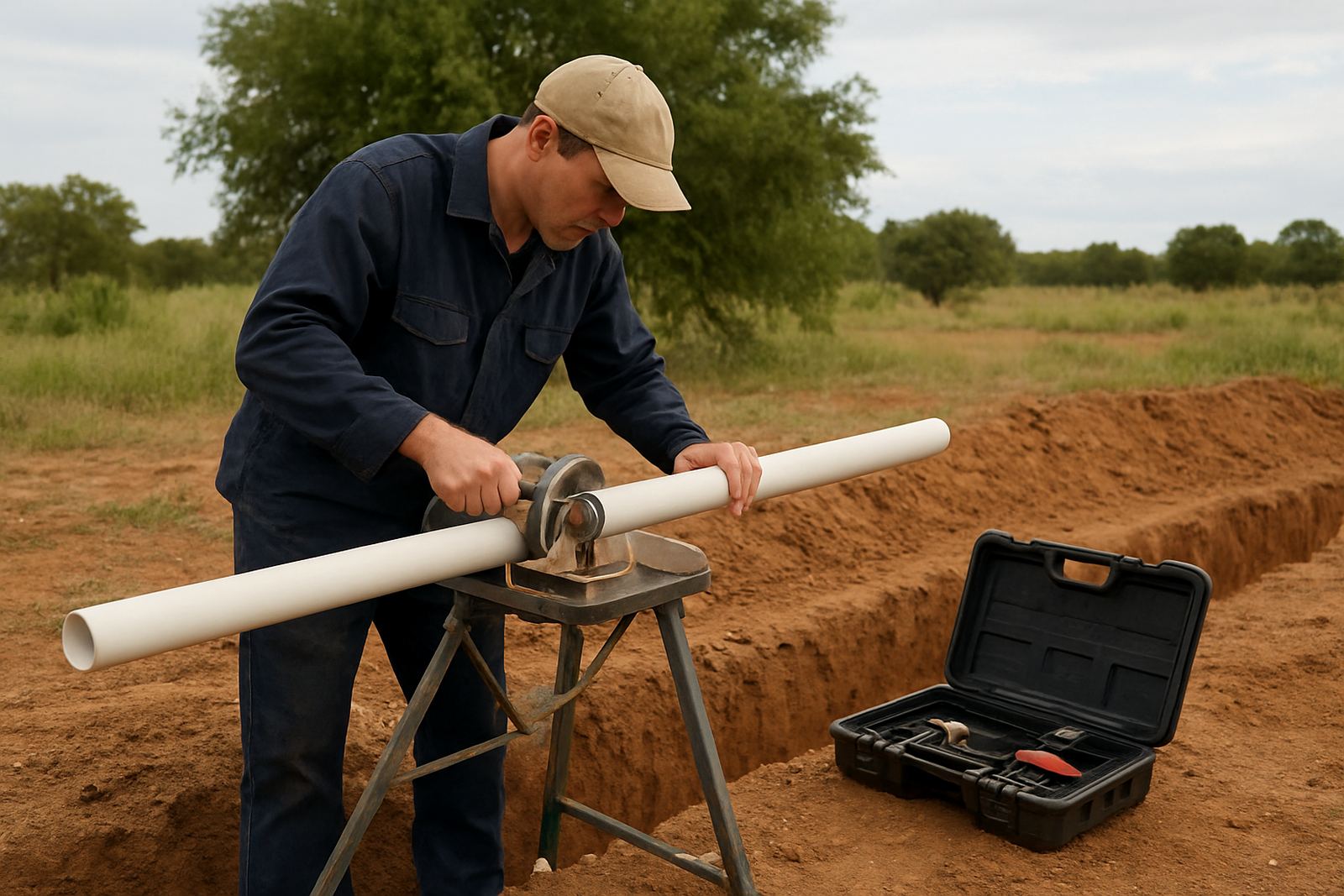
For irrigation teams, the most common problem is not complete failure but small wear that causes bad work. A cutter that crushes pipe instead of giving a clean cut can affect the joint. A marker that barely shows on dark pipe can lead to wrong measurements. On a hot day, that kind of mistake is enough to throw off the whole sequence.
- Check cutting edges for nicks, dull spots, or uneven pressure
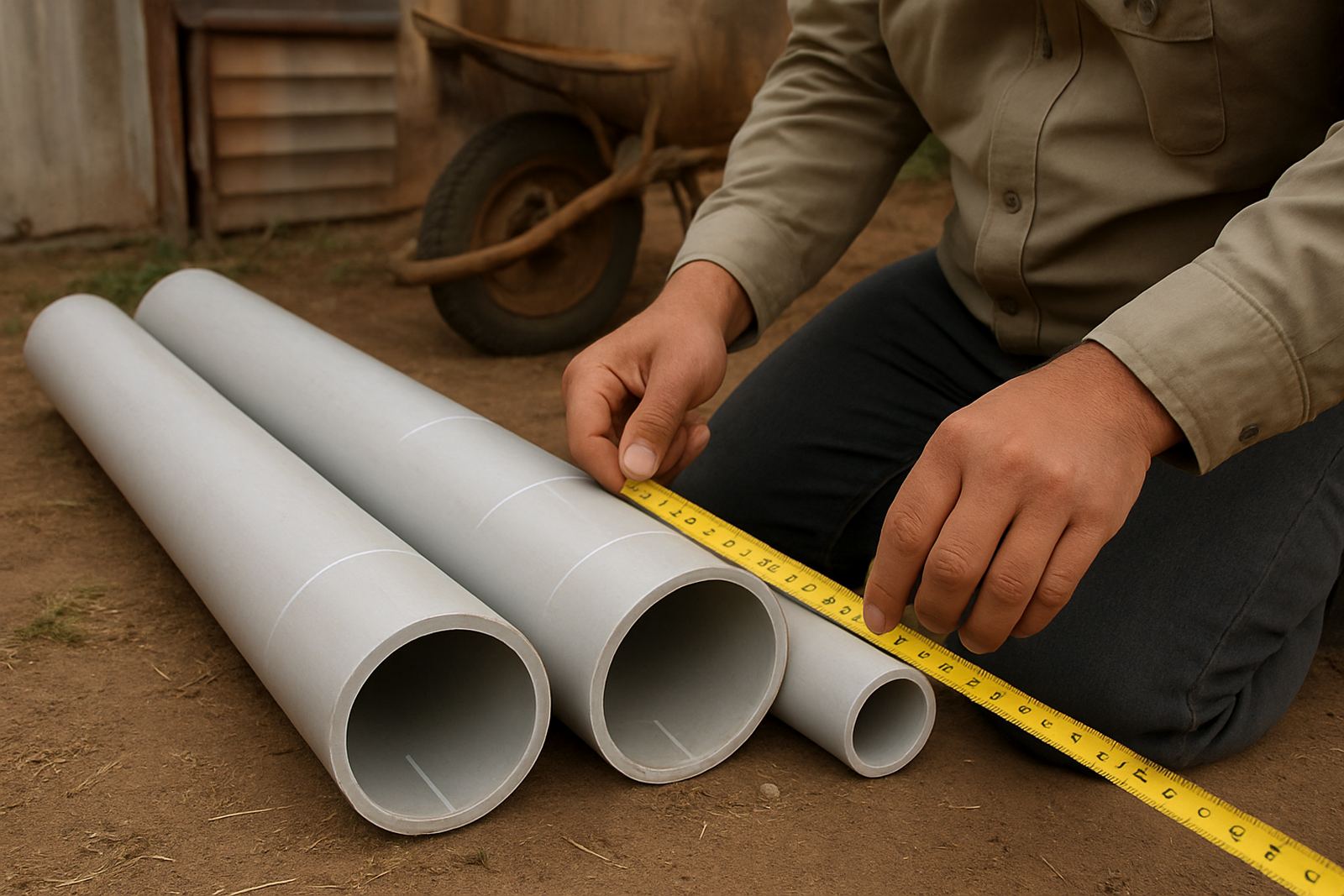
- Test the tape measure for smooth pull, clear markings, and a firm hook
- Look at markers to make sure they still write on damp or dusty surfaces
- Wipe away soil, glue residue, and grit before packing tools away
- Confirm that spare blades, batteries, or refills are already in the kit
Cleaning habits that stop unnecessary damage
Most tool damage in irrigation work comes from neglect rather than heavy use. A cutter left with pipe shavings on the blade will not stay sharp for long. A marking tool stored while dirty can clog or dry up. Even a simple steel tape left wet in the back of a bakkie can start rusting before the week is over.
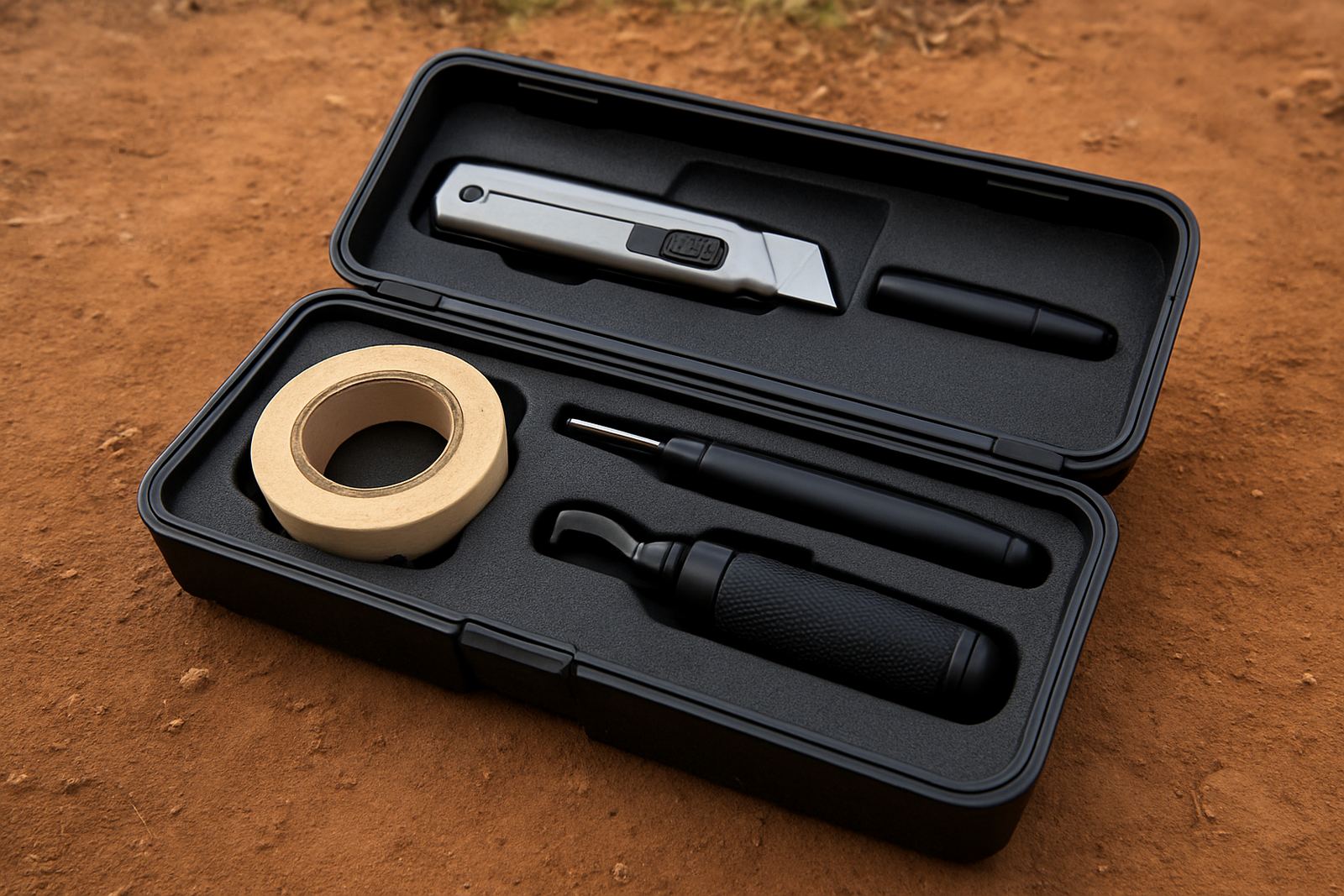
Cleaning does not need special products. A dry cloth, a small brush, and a habit of putting tools back in their case are enough for most day-to-day work. If tools have been used near fertiliser, damp soil, or muddy water, they should be wiped down properly and left dry before storage. This matters even more on sites where the team is working after load-shedding, because people often rush to finish before the light goes. Rush work and dirty tools are a bad mix.
Where possible, keep cutting tools separate from heavier metal items so they are not knocked around during transport. A marked storage box in the truck or trailer also helps the crew see quickly what is missing before leaving the yard next morning.
Matching the tool to the pipe and the site
Not every job needs the same tool setup. A farm line with long runs and repeated joins asks for different handling than a landscaping job around beds, paths, and tight corners. The right tool choice depends on pipe size, site access, and how often the crew will repeat the cut and mark cycle in a day.
For example, a contractor working outside Polokwane on a large irrigation layout may need cutting tools that stay comfortable over many hours, while a smaller team in town might care more about compact gear that fits into a lighter kit. That is why product selection and system matching matter. When the tool suits the pipe and the work pattern, the crew gets cleaner results with less strain.
- Use the correct cutter size for the pipe diameter
- Keep marking tools that show clearly on the pipe colour in use
- Choose measuring tools with readable markings for metres and centimetres
- Carry backup blades or refills for long shifts and remote jobs
- Keep a second set ready for contractor teams working in separate areas
How good tool care reduces waste on irrigation installs
Waste on irrigation jobs often starts with a small inaccuracy. If a pipe is marked wrong by even a few millimetres, the join can sit under stress. If the cut is rough, the fitting may need extra attention and the install takes longer. Over a full farm order, these small mistakes add up to wasted pipe, wasted fittings, and extra labour.
That is why many experienced teams keep a routine for checking tools during the day, not only at the start. If the crew notices a cutter is beginning to snag, they swap it out before the quality drops. If a marker stops showing clearly in the midday sun, they replace it straight away. This simple discipline is especially useful on larger projects where stock is being trucked across Limpopo and jobs need to stay on schedule.
In practice, better tool care is not about spending more. It is about avoiding small losses that come from poor cuts, wrong measurements, and repeated adjustments. That is money and time saved on every site.
A Polokwane example from the field
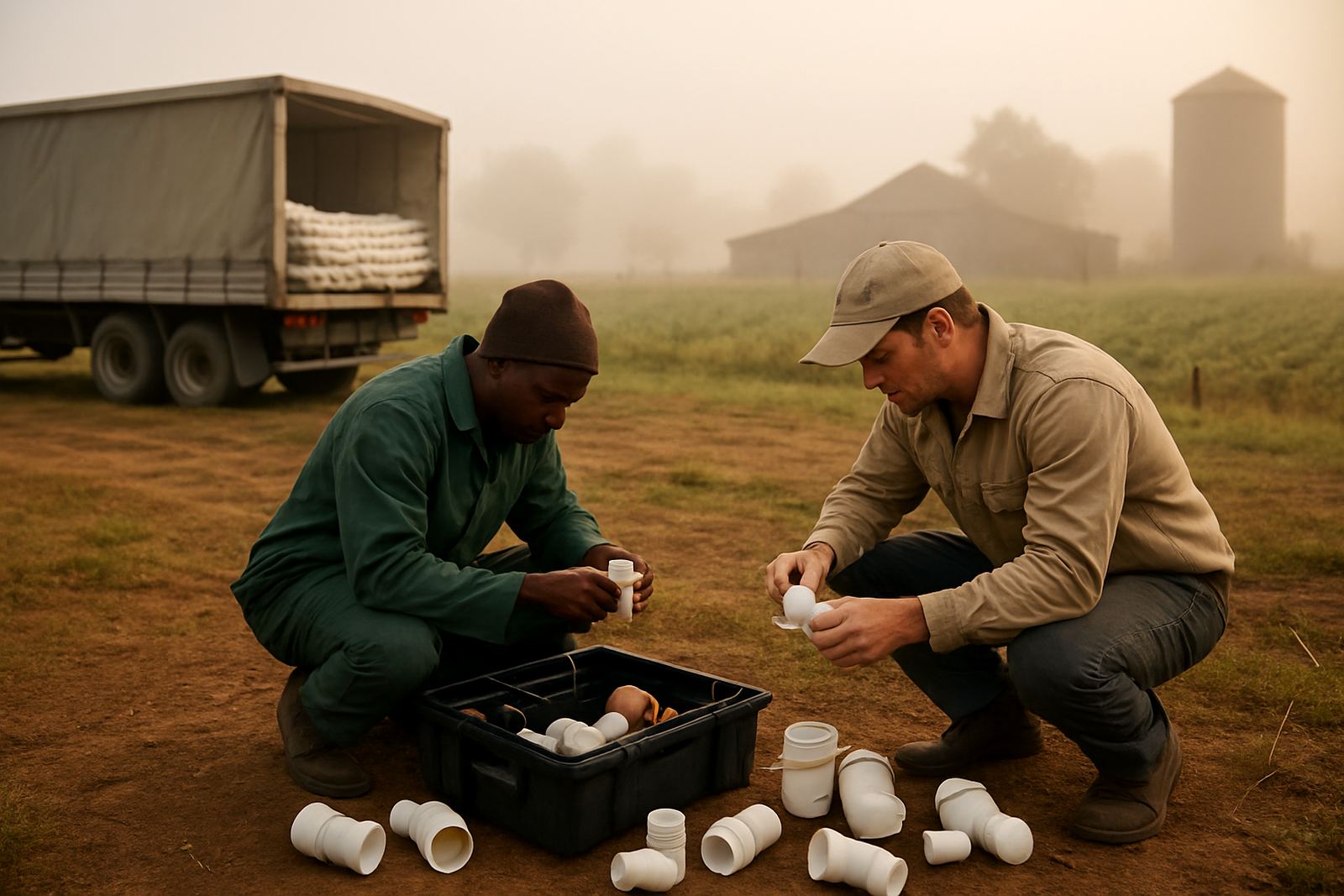
Consider a contractor starting early in Ladanna and heading out to a farm near Polokwane with a full day of irrigation work ahead. The team has pipe, fittings, and joiners loaded, but the real difference comes from how the tools were prepared the night before. The cutters are cleaned, the tape is checked, and the marker is still strong enough to show on dusty pipe.
By mid morning, the work is moving steadily because no one is stopping to find a replacement tool. There is no arguing over where the cut line should have been, and the joins are going in neatly. Later, when the sun is high and the crew is tired, the small comfort of a tool that works properly matters even more. That is the sort of day where preparation pays off.
For farms and contractors working across Limpopo, from Tzaneen deliveries to Thohoyandou coverage, that kind of readiness is not a luxury. It is part of doing the job properly.
Simple habits that keep the kit ready for tomorrow
Good tool care becomes easy once it is built into the day. A team that ends the shift with a clean and checked kit will start the next one faster. It also makes stock control easier, because missing items are noticed before they disappear into another vehicle or job box.
For repeat order support and contractor accounts, this discipline helps keep site planning steady. The crew knows what is usable, what needs replacing, and what must be reserved for the next delivery. That makes it easier to match stock to the work ahead, whether the next run is local in Polokwane or going out by courier to another province.
- Assign one person to do the final tool check each day
- Keep worn tools separate so they are not packed by mistake
- Store cutting gear dry and off the floor of the truck
- Record recurring faults so the same problem is not repeated
- Replace weak or damaged items before the next site call
When cutting and marking tools are ready, the whole irrigation team works better. The job stays accurate, the pace is steadier, and the site does not suffer from avoidable delays.