
Why cold mornings change the job
Early starts are common on farms and landscaping sites across Limpopo, especially when crews are trying to beat the heat later in the day. In cold air, PVC becomes less forgiving, solvent can thicken, and hands lose a bit of feel when measuring, cleaning and aligning fittings. That is where small mistakes creep in, like a pipe end not fully home or a joint being moved too soon.
On irrigation work, the aim is not just to make a joint that looks neat. It must hold under pressure, stay aligned along long runs, and cope with vibration, movement and everyday outdoor use. When temperatures dip, the process still works, but it rewards patience and cleaner habits.
Store pipe and fittings where they stay workable
Cold material is harder to handle. If pipe and fittings have spent the night in a truck tray or under a shade net in open air, they can be stiffer and more brittle at the point of jointing. Where possible, keep stock out of direct wind and off cold concrete, and bring only what you need to the work area.
A small warm-up period helps. Even a short time in the morning sun or a sheltered vehicle cab can make a difference before you start cutting and jointing. This is especially useful on larger orders where workers are opening packs of fittings one by one and moving between trenches, pump points and valve boxes.
- Keep solvent, primer and cleaning cloths in a sheltered bag or box.
- Do not leave open containers in the wind while you measure the next length.
- Check that pipe ends are dry before you start. Moisture and cold dont mix well at the joint.
- Separate fittings by size so the crew does not waste time hunting for the right elbow or tee.
Jointing habits that matter more in winter
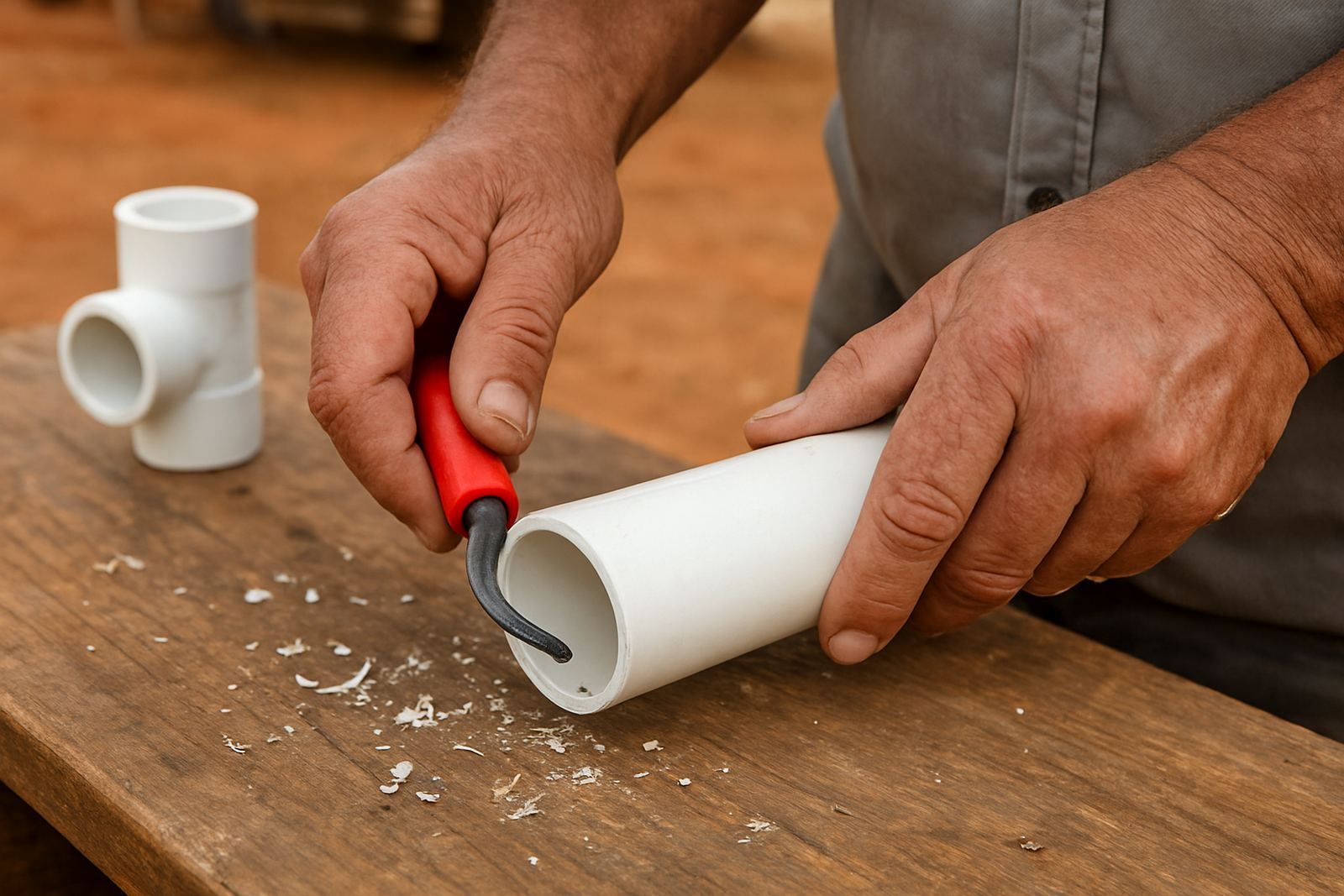
Cold weather asks for a bit more discipline in the jointing routine. Cut square, deburr properly and dry-fit before applying solvent. In colder conditions, a rough cut or a rushed push-fit can leave a tiny gap that only shows up later when the line is under pressure.
Apply solvent evenly and dont overdo it. Too little can leave a dry patch, too much can pool and weaken the bond. After pushing the pieces together, hold them steady for the full recommended set time. It is tempting to move on quickly, especially when the morning is busy, but a joint that twists before it grabs can spoil the whole section.
- Use the correct fitting for the pipe size and wall thickness.
- Wipe away dirt, dust and fine grit before applying solvent.
- Mark insertion depth if the crew is working fast or on repeated jointing.
- Allow extra handling time on very cold mornings, especially before pressure testing.
Pressure testing and first fill on a cold line
Cold conditions can also affect when you test the system. A line that has been joined in the shade and then filled too soon may reveal problems that are really just poor cure time. Give the joints enough time to set before bringing in pressure, then test in stages where possible.
For farms and contractors doing long irrigation runs, it helps to test section by section rather than flooding the whole line at once. That makes it easier to spot a leak, a loose cap or a fitting that was not seated fully. If a repair is needed, the crew can fix one area instead of draining the entire system. It saves water and time, which matters when a pump schedule is already tight.
A Limpopo example from an early farm start
A crew heading out from Ladanna to a maize farm outside Mokopane may leave before sunrise to get ahead of the wind and heat. On that sort of morning the pipe can feel harder, the hands are slower, and the solvent seems to take longer to grab. The team that plans for that does better than the team that tries to work exactly the same as on a warm noon day.
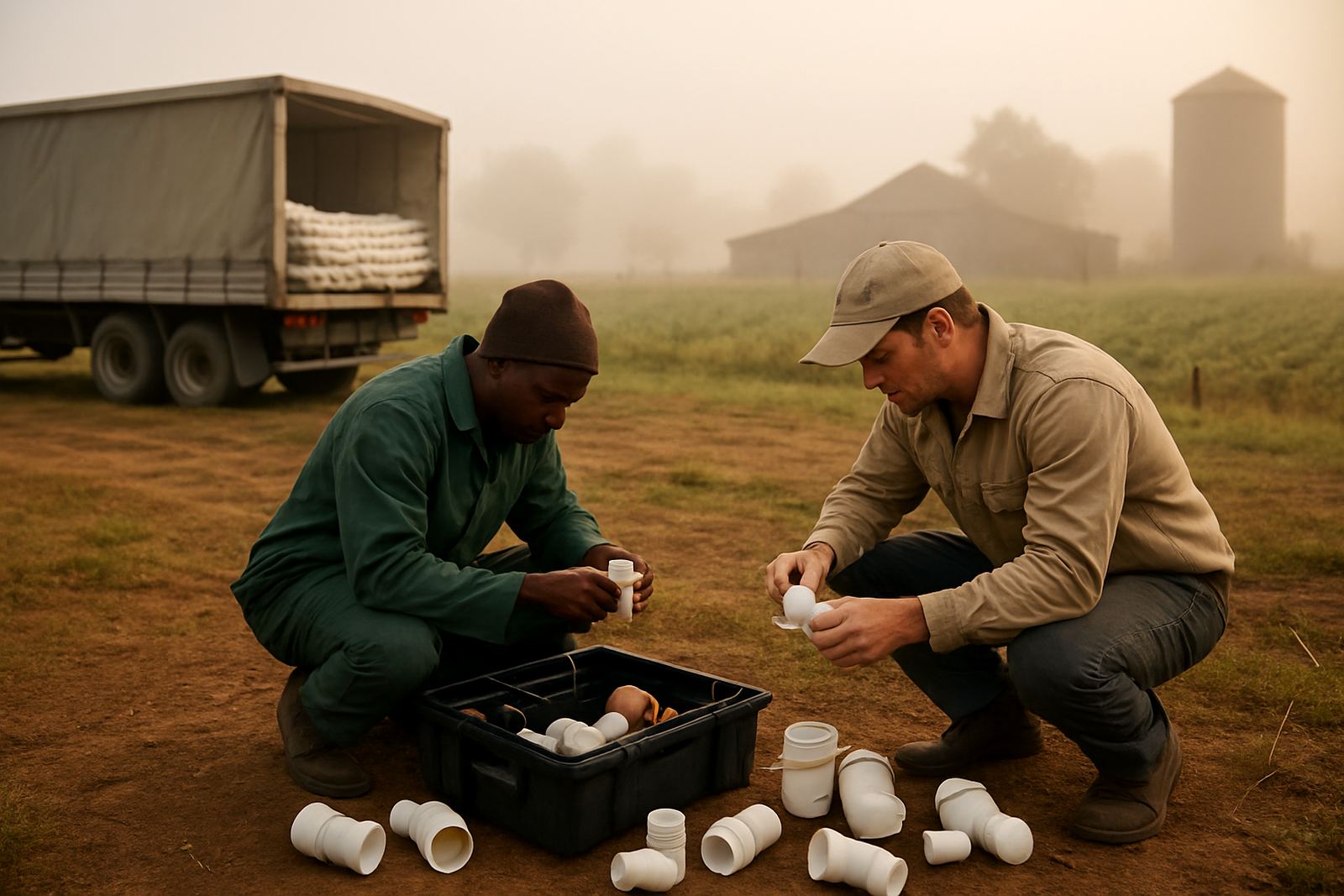
The practical fix is simple: stage the fittings near the work point, keep the solvent sealed until needed, and assign one person to cut while another prepares the next joint. That reduces delays and keeps the line straight. If there is a break for coffee or a stock check, the materials stay organised and the pipe ends are not lying in damp grass or dust. It sounds small, but on a long irrigation run it makes the difference between a tidy finish and a costly rework.
What to keep in the vehicle for cold-weather jobs
Contractors working across Limpopo often move between Polokwane, Tzaneen, Hoedspruit and further out to Lephalale or Thohoyandou in the same week. That means the vehicle becomes part workshop, part store room. A proper kit helps crews handle cold starts without hunting for basics at the site gate.
Keep a standard cold-weather kit in the bakkie or service vehicle so the first hour on site is not wasted.
- Clean cloths for wiping pipe ends and fittings.
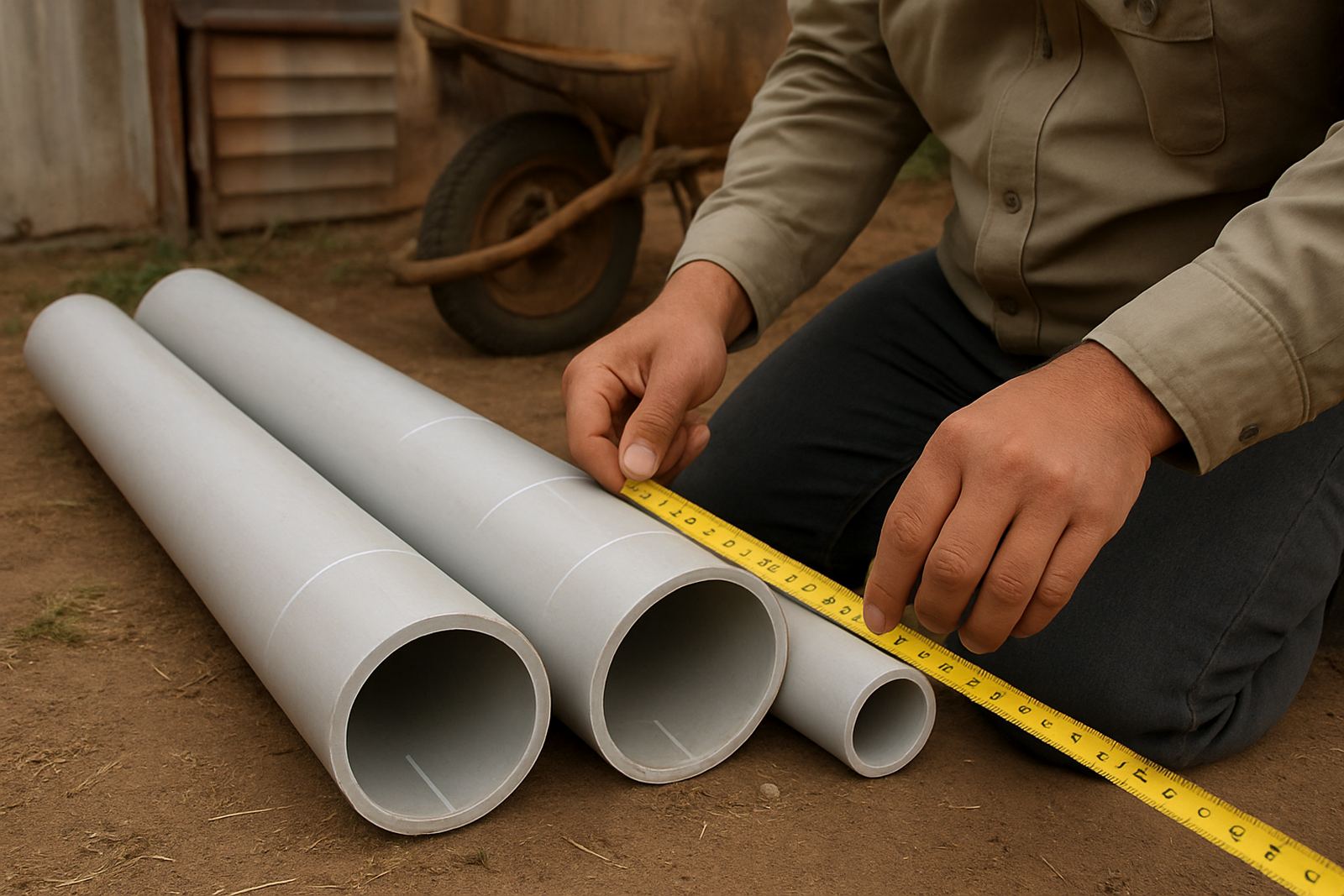
- Measuring tape, marker and a square for accurate cuts.
- Cutting tool suited to the pipe sizes on the job.
- Extra fittings in the common sizes used on irrigation lines.
- Seal-safe storage for solvent and cleaning items.
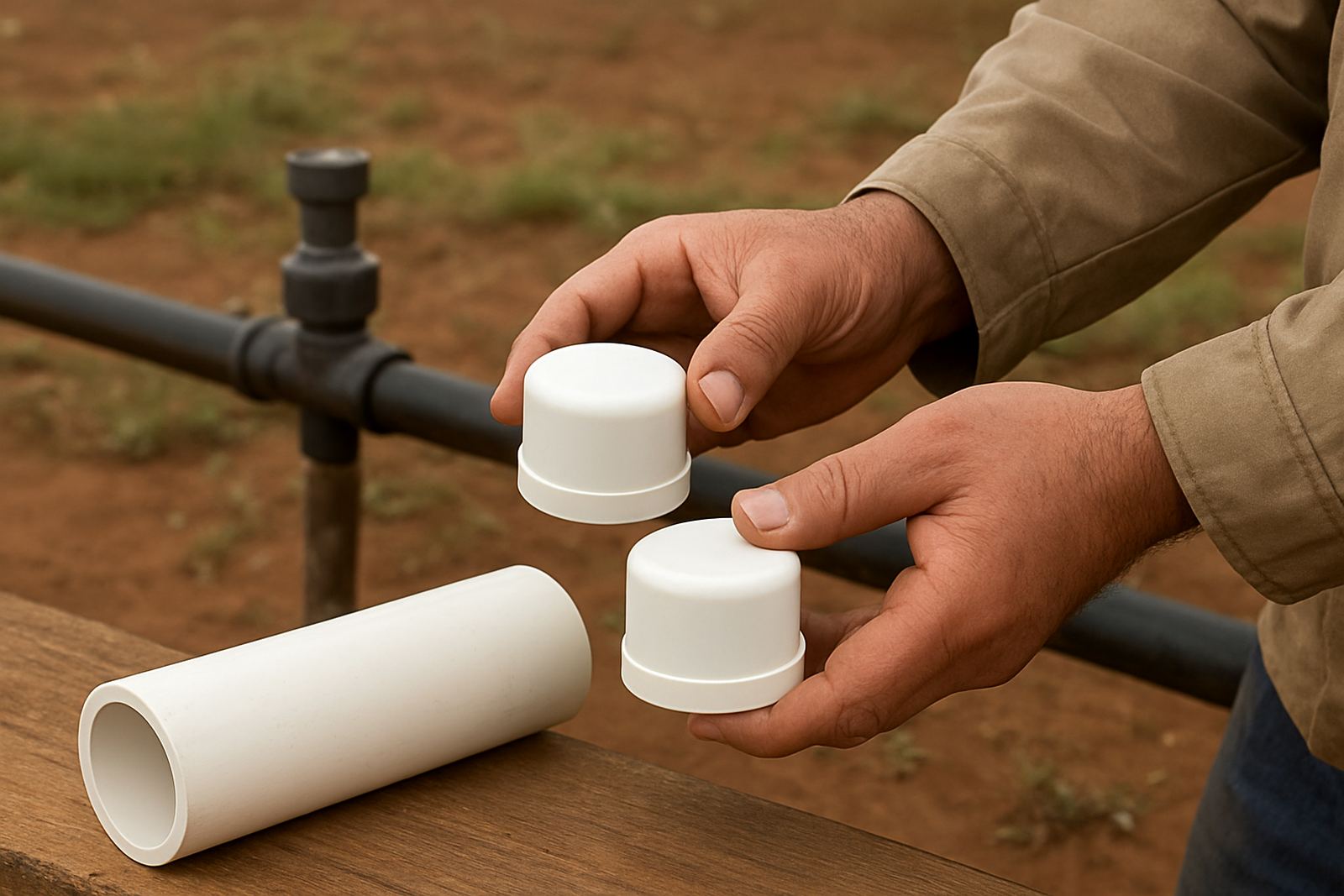
- Pressure-test gear and spare caps for sectional checks.
When stock is reserved ahead of time and quantities are checked properly, the crew can focus on the install instead of chasing missing elbows or reducers. That matters on early jobs where the weather changes fast and the working window is short.