Start With the Job, Not Just the Diameter
When you choose pipe size for irrigation, begin with the layout on the ground. A short garden line near a tank does not need the same pipe as a long run feeding several blocks on a farm. The bigger the demand, the longer the distance and the more outlets on the line, the more important pipe sizing becomes. A pipe that is too small may still carry water but it can lose pressure fast, which means uneven watering and extra strain on pumps.
For many irrigation jobs in Limpopo, the first questions are simple: How far must the water travel, how many sprinklers or drippers will run at once, and what pressure is available at the source? Those answers guide the size better than guesswork. A contractor planning a line in Polokwane will often look at the same material in a different way than a farmer setting up a block in Tzaneen, because the duty on the line is different.
It also helps to think about future growth. If a line will be extended later, sizing it with a little extra capacity can save time and fittings later on. That said, oversizing every line is not always the answer because larger pipe costs more and may be harder to support on site.
How Pipe Size Affects Flow and Pressure Loss
Pipe diameter has a direct effect on water flow. A wider pipe carries more water with less friction, so pressure loss is lower over the same distance. A smaller pipe may work well on a short run, but over 80 metres or 150 metres the loss can become noticeable, especially if there are bends, valves, tees and filters in the line. Every fitting adds resistance, so the line size must suit the full route, not just the straight section.
In practical terms, the wrong size can show up as sprinklers that do not throw evenly, drippers that underperform and pumps that run harder than they should. In areas where power supply is not always steady, that extra load is a problem because equipment is already working around load-shedding and stoppages. A sensible pipe size helps the system recover quickly when power returns.
- Short runs with low demand can often use smaller pipe, if pressure is stable.
- Longer runs usually need a larger diameter to keep losses down.
- More outlets on one line means more flow, so sizing must increase accordingly.
- Fittings, filters and valves all add resistance and should be included in the plan.
Match the Pipe Size to the Irrigation Layout
Different layouts need different thinking. A mainline from a tank or pump to the field usually carries the full system flow, so it is often larger than the submain or lateral lines. Once the water reaches the working blocks, the pipe can reduce in size where the demand is lower. That structure keeps the system practical and avoids waste.
For a simple block layout, a mainline may feed one or more submains, and each submain then feeds the laterals or take-offs. The flow on the mainline is highest, so that section deserves the most attention. If the mainline is too small, no amount of extra fittings later in the run will fix it. The line size should be checked against the pump delivery, the number of outlets, and the pressure required at the end point.
In coastal or humid areas, the pipe itself is not the only concern. Fixings, joints and exposure matter too, because outdoor systems face sun, moisture and rough handling. A correctly sized pipe with sound jointing gives a better chance of a long service life.
Common Mistakes That Waste Water and Money
Many sizing problems come from rushing the layout. A common mistake is copying the pipe size from another job without checking the actual flow needed. Another is adding more sprinklers later and expecting the original line to cope. A line that was fine for one block can become under-sized after the system is expanded. That is when pressure drops and the whole job starts underperforming.
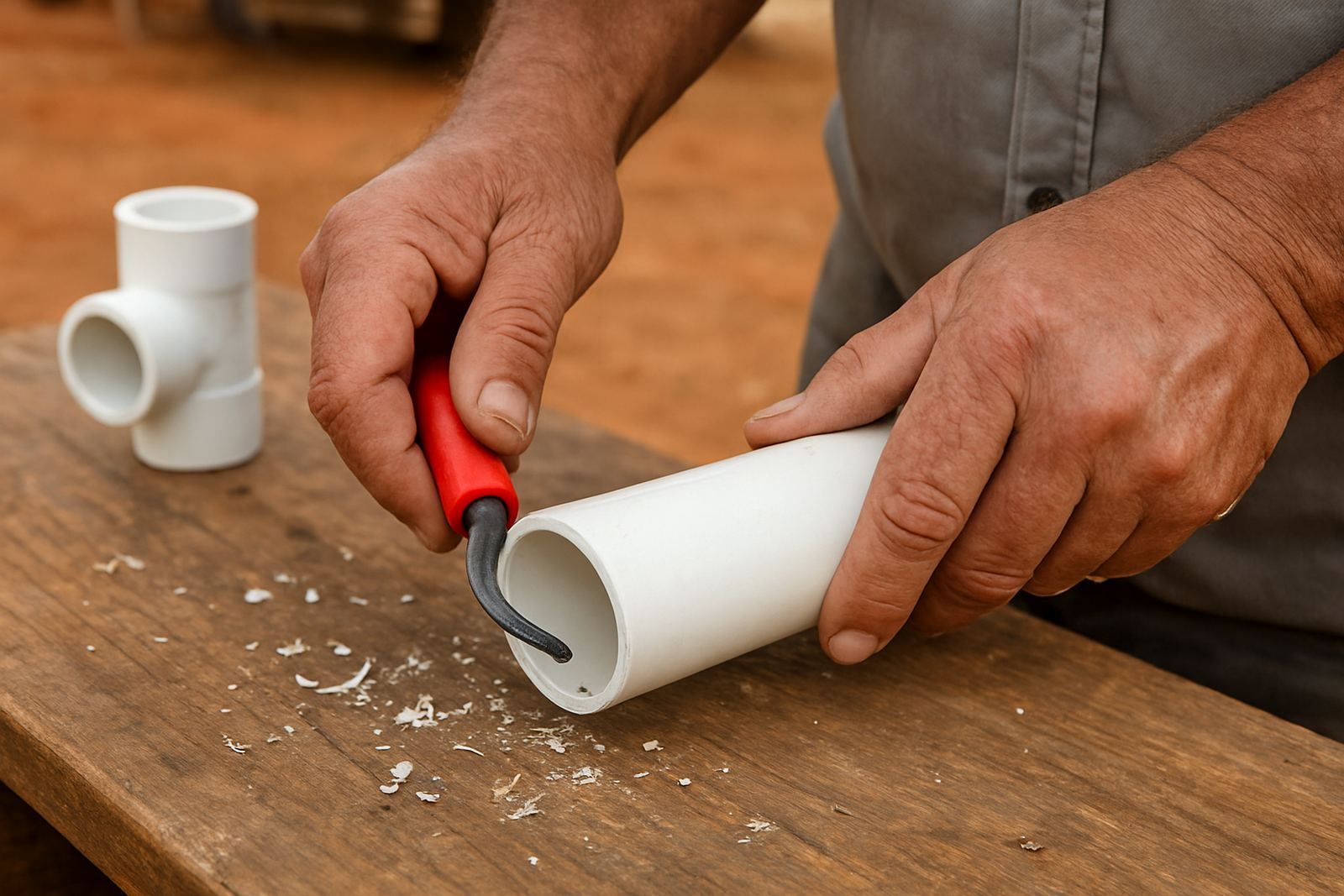
Another issue is ignoring the pump curve and the water source. If the pump cannot deliver the required flow at the needed pressure, the pipe size alone will not solve the problem. The full system has to work together. It is also worth checking joint quality, because a poorly made joint can restrict flow or create leak points that waste water over time.
- Do not size the line by eye only.
- Do not forget bends, valves and filters in the total run.
- Do not assume a larger pump will fix a small pipe.
- Do not leave out future extensions if the system will grow.
A Limpopo Example: Farm Block Near Ladanna
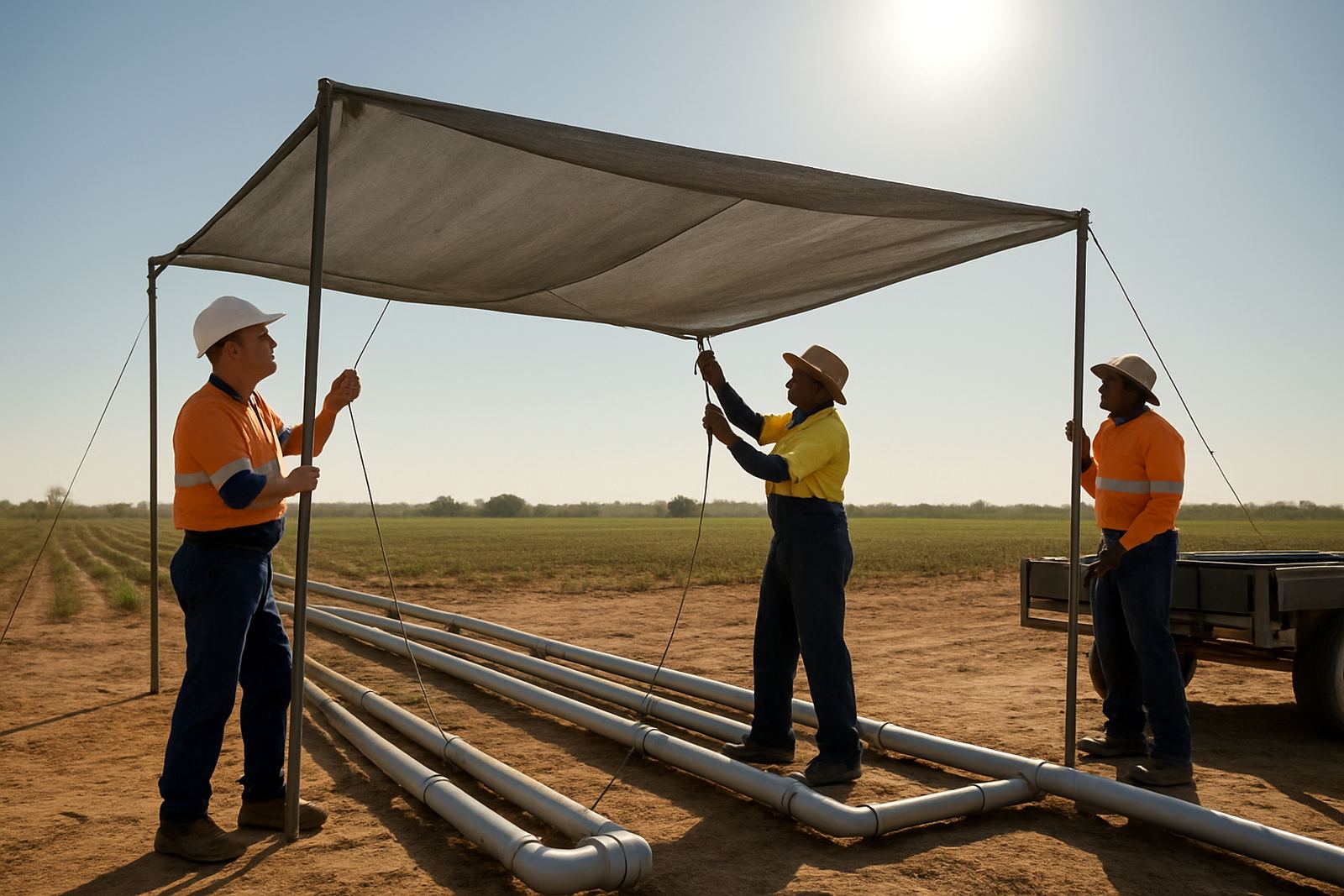
Say a farmer outside Polokwane needs to move water from a tank to a block of irrigation lines on the edge of a field. The route is longer than expected, with a few bends around equipment and a filter near the start. If the pipe is too small, the flow at the far end can drop enough to affect the crop. In a hot week, that is not a small issue. The system needs enough water at the right pressure, and it needs it when the pump is running and power is available.
In that kind of job, the sizing choice often comes down to balancing cost with performance. A slightly larger mainline may add to material cost, but it can reduce pressure loss and give better coverage. That is especially useful when the farm order includes repeat runs, or when the same line may later serve a second block. The point is to fit the pipe to the actual demand, not to force the whole site into one standard size.
For contractors working across Limpopo, it also helps to plan stock and delivery around the job date. If a line is sized correctly from the start, the rest of the installation moves faster and the installer spends less time making last minute changes on site.
Practical Checks Before You Place the Order
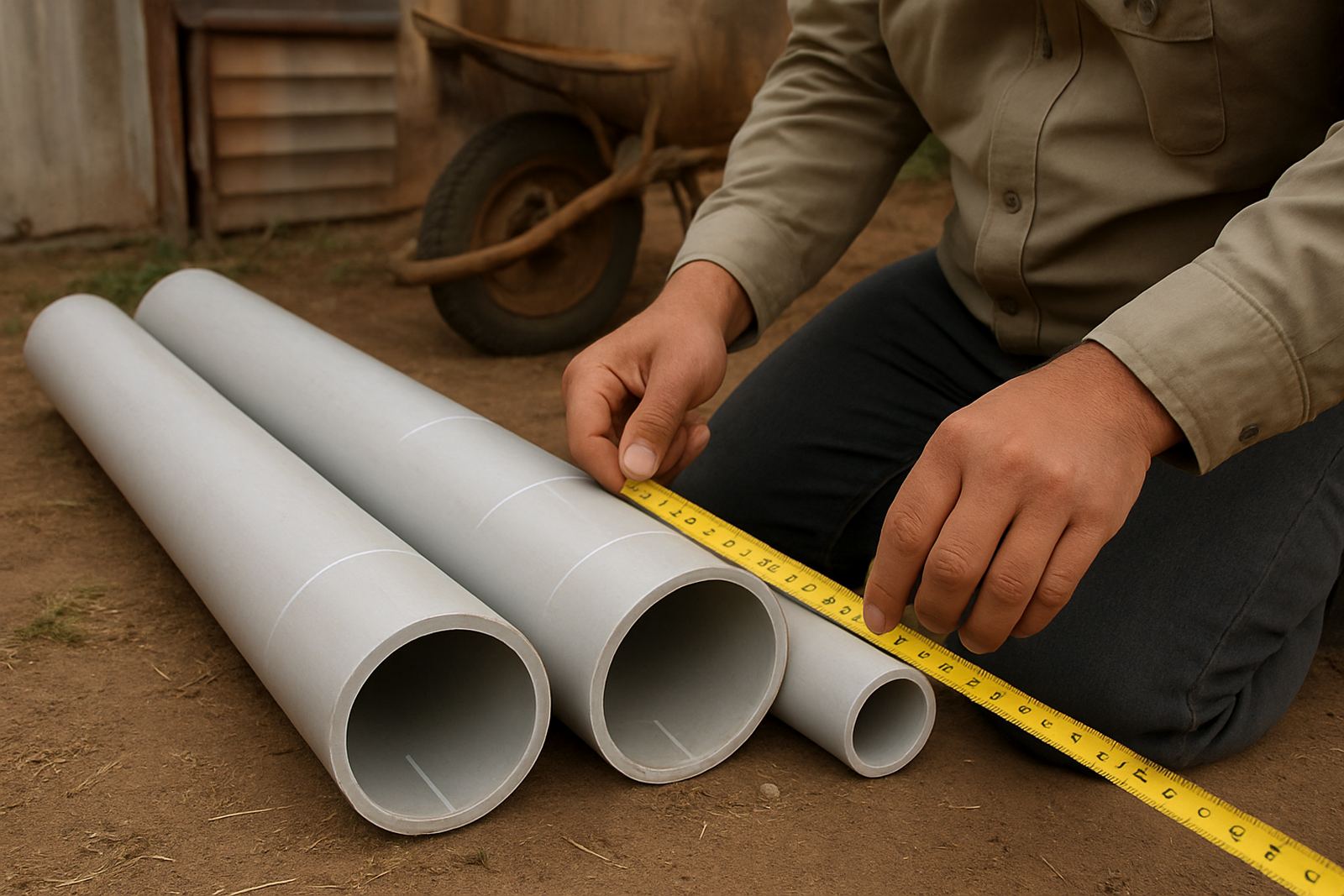
Before you choose a size, write down the basics: source pressure, expected flow, total length, number of outlets and the type of irrigation. Then check whether the line is a mainline, submain or lateral. That simple list usually shows where the pressure risk sits. If the run is long, or the fittings are many, it is often safer to step up a size rather than cut it fine.
It also helps to think about the installation conditions. Will the line sit in full sun, be moved regularly, or run through rough ground? Will it be exposed to municipal by-laws on water use or to farm operating limits that require careful scheduling? These details matter because a well sized pipe still needs to suit the way the site is used.
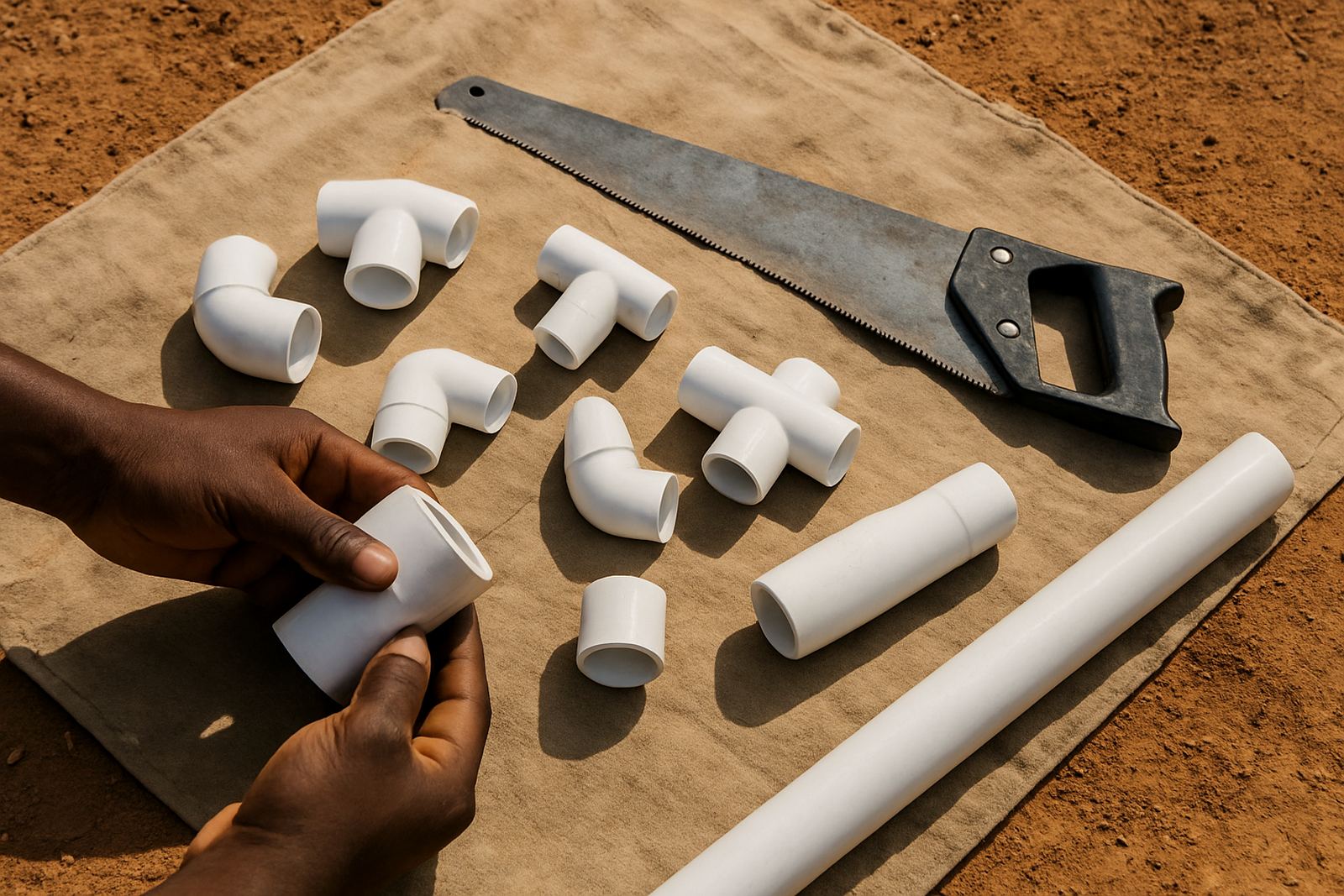
If you are comparing options, ask for a quantity check and jointing advice before you commit. That saves time and keeps the system more predictable from the first run.
- Measure the full route, not just the straight distance.
- Count every outlet, valve and filter.
- Check the pump and source pressure together.
- Allow for future expansion where practical.
Why Advice Matters on Irrigation Pipe Sizing
Pipe sizing is one of those decisions that looks simple until the system is running. Once water is moving, small errors in the line design show up very quickly. That is why practical advice matters. The right size supports even watering, protects the pump and keeps maintenance down. It also makes later troubleshooting easier because the system starts from a sound base.
At PVC Welders, the aim is to help farmers, landscapers and contractors choose fittings and tools that suit the real job on site. From Ladanna in Polokwane, stock is moved across Limpopo and sent nationwide by courier, so the right product can get where it needs to go without delay. If you are planning a new run or checking an existing one, a proper sizing discussion is worth more than guesswork and it can save a lot of trouble later.