Why midday heat changes PVC handling
On a Limpopo site in January, the pipe and fittings can sit in direct sun long before the first joint is made. That means the material warms up, surface moisture disappears faster, and the solvent can flash off before you have time to seat the joint properly. If the crew is working under load-shedding conditions as well, the pace can get rushed and small mistakes become costly.
Heat does not just make the job uncomfortable. It can change the way a fitting slides, how long you have to align the joint, and how much care you need around solvent application. It also makes storage more important, because a box left on a bakkie tray or in the back of a site room can get far hotter than the air temperature outside.
Keep stock shaded, sorted and ready to use
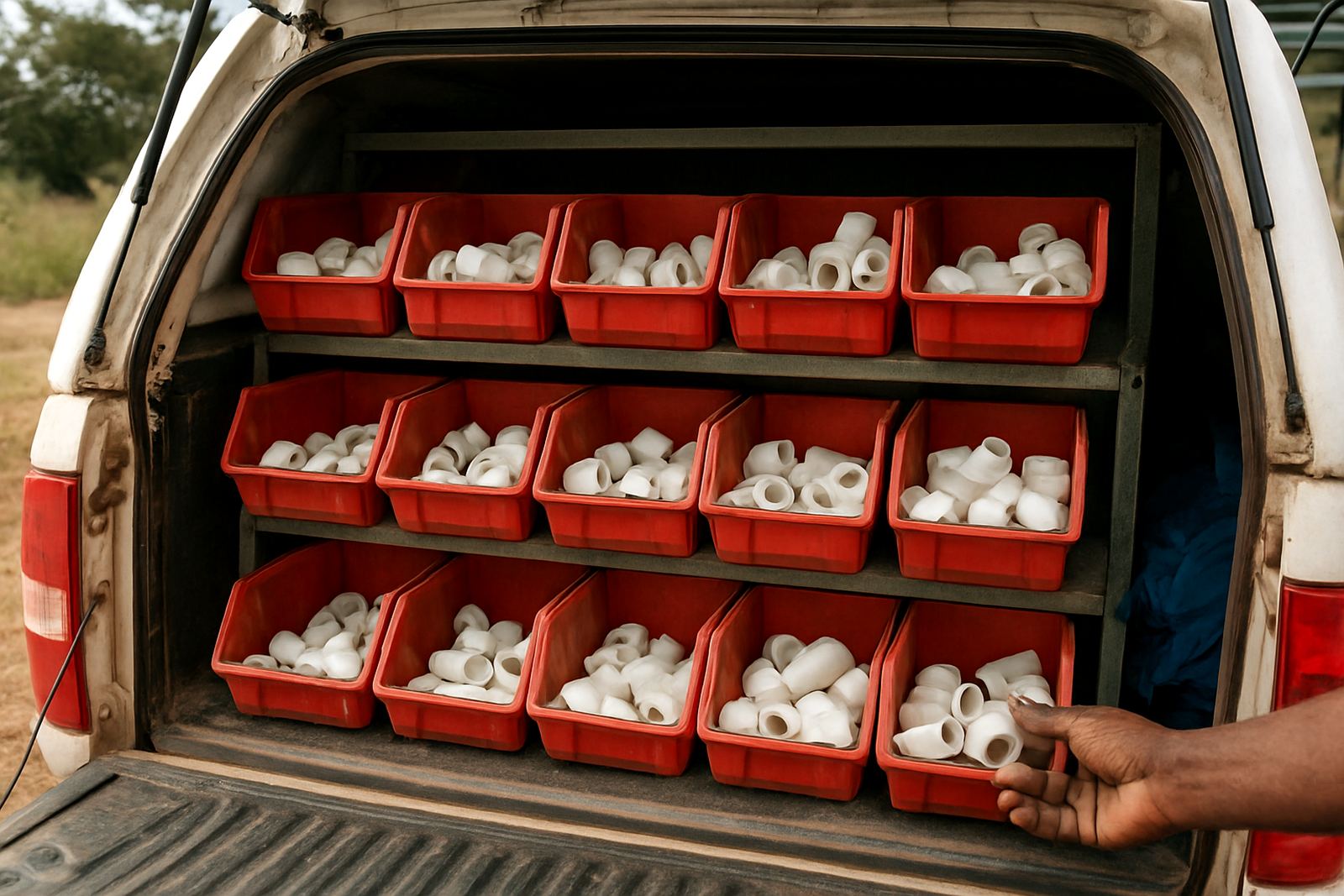
For irrigation contractors and farmers, the easiest way to protect PVC stock is to control where it sits before installation. Keep fittings and pipes off bare metal surfaces, away from direct sun, and clear of fertiliser bags, oil and sharp tools. In coastal or humid areas you also want clean dry storage so dust and damp do not cling to the parts.
- Store fittings in closed crates or boxes where possible.
- Keep solvent cements and primers out of direct heat and away from open flame.
- Stack pipe so it stays straight and does not bow in the sun.
- Open only the quantity needed for the section you are working on.
A tidy pick-up area also helps with quantity checks. If you are sending stock to Tzaneen, Hoedspruit or out toward Lephalale, it is worth checking counts before the truck leaves. A missed elbow or reducer in hot weather can delay the whole day and no one wants to wait for a replacement when the trench is already open.
Solvent welding needs a faster, cleaner rhythm
In hot weather, solvent welding needs discipline. Clean the pipe end and fitting socket properly, apply the right amount of primer and solvent, then join without delay. If the parts sit too long after preparation, the surface can dry before the bond is made. That is where trouble starts later, usually when the system is already under pressure.
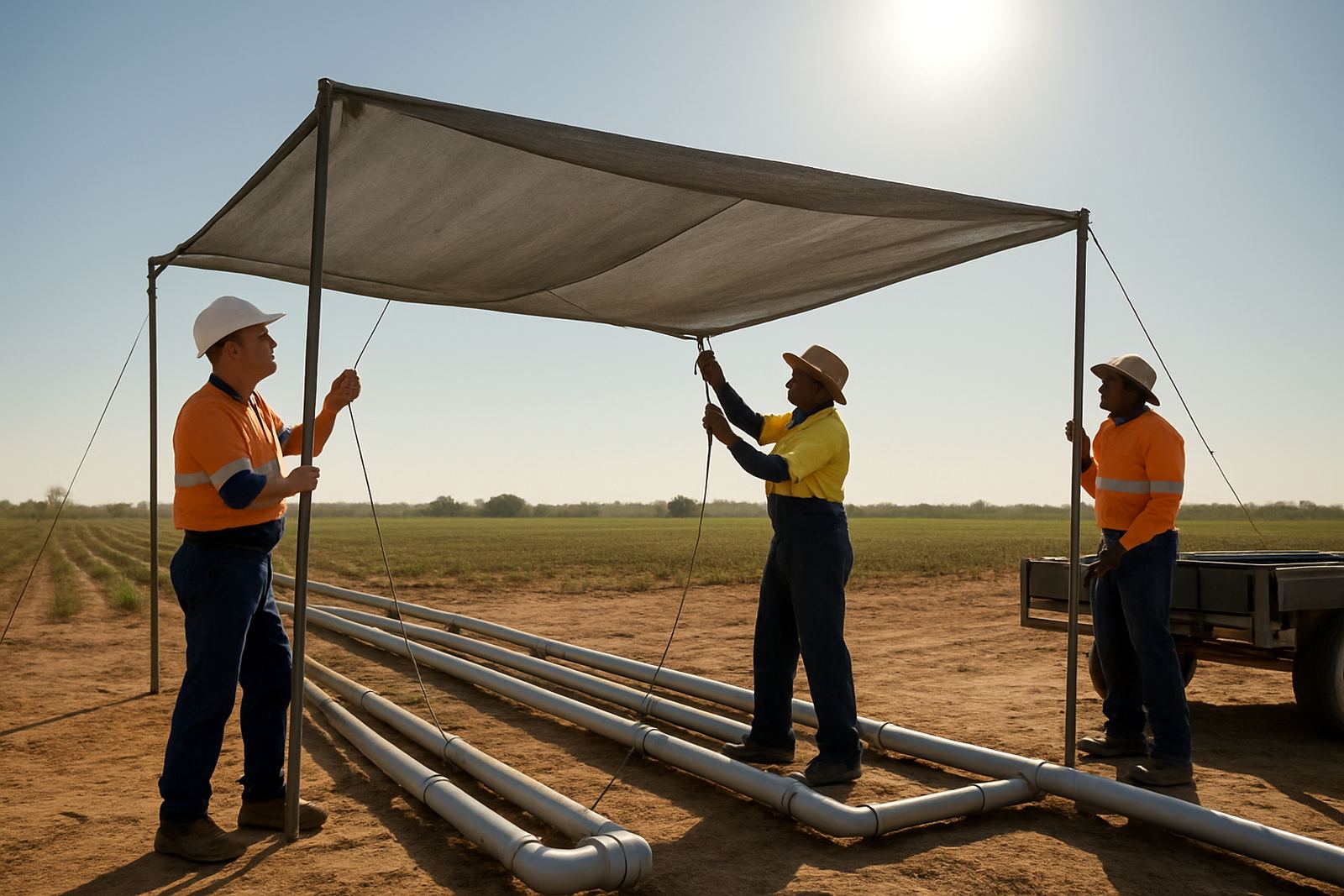
Work in smaller batches so the pipe is ready when the fitting is ready. Keep the joint area shaded if you can, and avoid touching prepared surfaces with dusty hands. On dusty farm roads near Polokwane, even a light breeze can carry grit into an open fitting in seconds, so cap or cover parts between steps.
- Dry-fit first so you know the angle before solvent is applied.
- Use even pressure when pushing the joint home.
- Hold the joint still long enough for the initial set.
- Wipe away excess solvent before it skins over.
Allow for expansion when the sun is at full strength
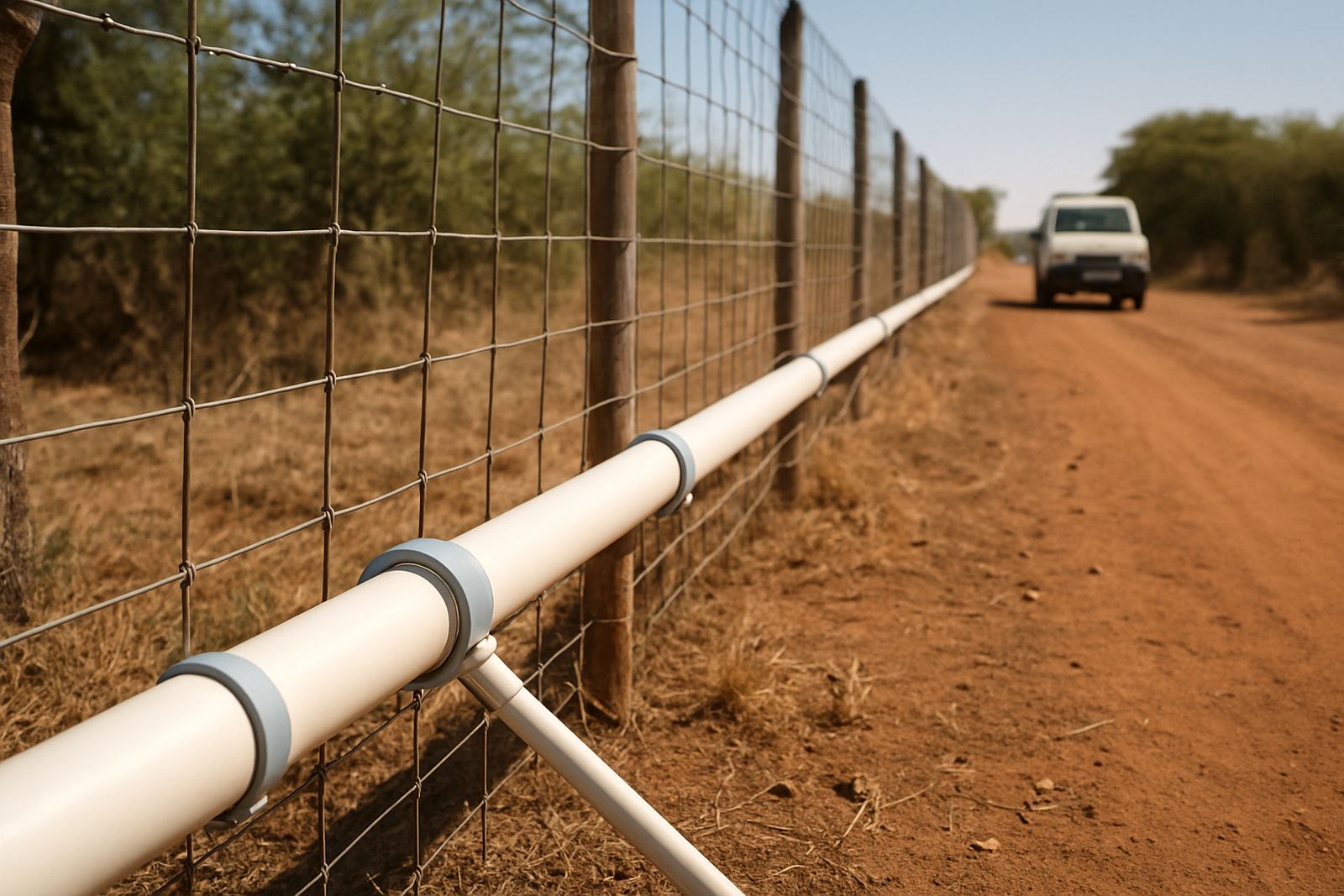
Pipe that is installed in high heat will move more during the day and contract again when the temperature drops at night. That movement is small on one length, but across a long irrigation run it can add stress to fittings, clamps and supports. If the line is fixed too tightly, the joints take the strain instead of the pipe.
That is why support spacing, anchor points and layout matter. Long exposed runs across a tomato block or nursery row need room to move without pulling against each other. A simple slight in the plan, like leaving one section too rigid, can show up later as a leaky joint or a noisy line when the pumps start up at dawn.
Plan installation around water demand and crew timing
In hot weather, the farm or landscape site is often under pressure to keep water moving. That means the installation team may have only a short window before irrigation must come back on. Good planning helps you avoid half-finished work in the midday sun and reduces the risk of cutting corners just to beat the clock.
For larger jobs, it helps to map the sequence before the first joint is made. Start with the longest runs, then move to branches, valves and fittings. If you are working with a contractor account, group the required items by section so the material is on hand before trenching begins. That saves time, and it helps when trucks are carrying stock across Limpopo from Ladanna to outlying areas where access roads can be rough.
- Stage the day’s fittings by line size and area.
- Keep a spare count for elbows, tees and couplers.
- Check that the crew has clean cloths and cutting tools ready.
- Plan breaks so the team does not rush at the hottest point of the day.
After the joint is made, protect the system from heat stress
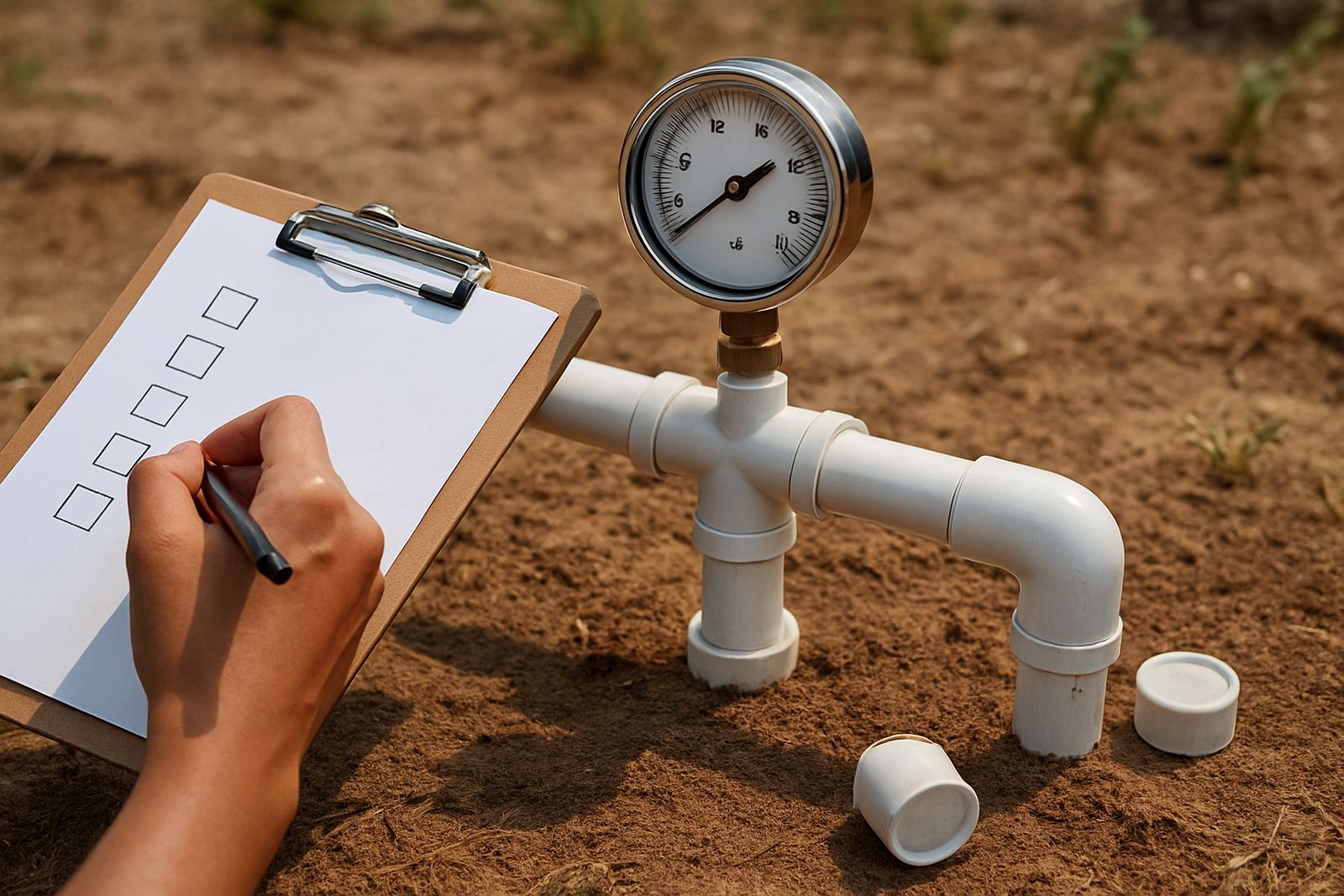
Once the installation is complete, the work is not over. Pressure test the line according to the job spec, and look for movement at the joints after the first warm cycle. If the system will run across open ground, inspect it again once the sun has been on it for a full day. Small seepage can be easier to spot before the trench is fully backfilled.
It also helps to brief the client on what to expect during the first few days. In summer, they may see slight changes in line position or hear air movement as the system settles. That is normal on some installs, but any drop in pressure or wet patch should be checked early. We have found that quick troubleshooting at this stage saves a lot of call-backs later, especially on farms where the irrigation schedule cannot wait.
Hot weather is part of life in Polokwane, Mokopane, Tzaneen and the wider Limpopo belt. The installers who handle PVC best are the ones who respect the heat, keep stock in order and do each joint with care, not speed. It sounds simple, but that is usually what keeps an irrigation system working properly through the season.