Why exposed pipe sections fail sooner
When a pipe is left in the open, it faces more than just sunlight. In a working yard or on a farm, exposed runs get stepped on, knocked by tools, rubbed by rollers and strained by movement in the soil. Even a good solvent-weld joint can be stressed if the line is hanging where it should not be. That is why pipe routing must be planned with daily use in mind, not only with the layout on paper.
On many irrigation sites in Limpopo, the danger is not one major impact, it is small knocks repeated over months. A section beside a loading point, along a service road or near a gatepost will wear faster than a buried line. In coastal or high-humidity areas the fittings also stay damp for longer, so dirt sticks, algae forms and inspections get missed. Protecting exposed pipe starts with seeing where the line is most likely to be hit.
- Keep clear of vehicle turning points and loading bays
- Lift pipe away from gates, corners and walking paths
- Use sleeves, clips or supports where movement is expected
- Allow access for inspection without forcing the pipe to bend
Choose the route before you choose the fitting
Many breakages happen because the route was decided after the pipework was already cut. A straighter, shorter line is not always the safest line. Sometimes it is better to take a pipe around a work zone, along a wall or behind a low barrier, even if that adds a few metres. The aim is to reduce accidental impact and give the line a chance to last through daily use and load-shedding related start-stop pumping changes.
For exposed runs, think about where people move, where machinery swings, and where cleaning takes place. A line over a walkway should be avoided unless it is properly supported and clearly visible. A line beside a borehole shed may be fine, but only if it is protected from knock damage and can be reached quickly for maintenance. The right routing choice often saves more money than replacing fittings after the first season.
- Use a route with fewer crossovers and fewer high-traffic points
- Avoid sharp changes of direction where pressure builds up
- Leave space for clamps, unions and future repairs
- Mark exposed sections so staff know where to be careful
Support matters as much as solvent-weld quality
Good solvent-weld joints are only part of the job. If a pipe is left unsupported, the joint carries extra weight and movement. Over time that can lead to hairline leaks or separation at the joint, especially where the line vibrates from pumps or gets pulled by hanging valves. Proper support keeps the pipe aligned and reduces stress on the socket.
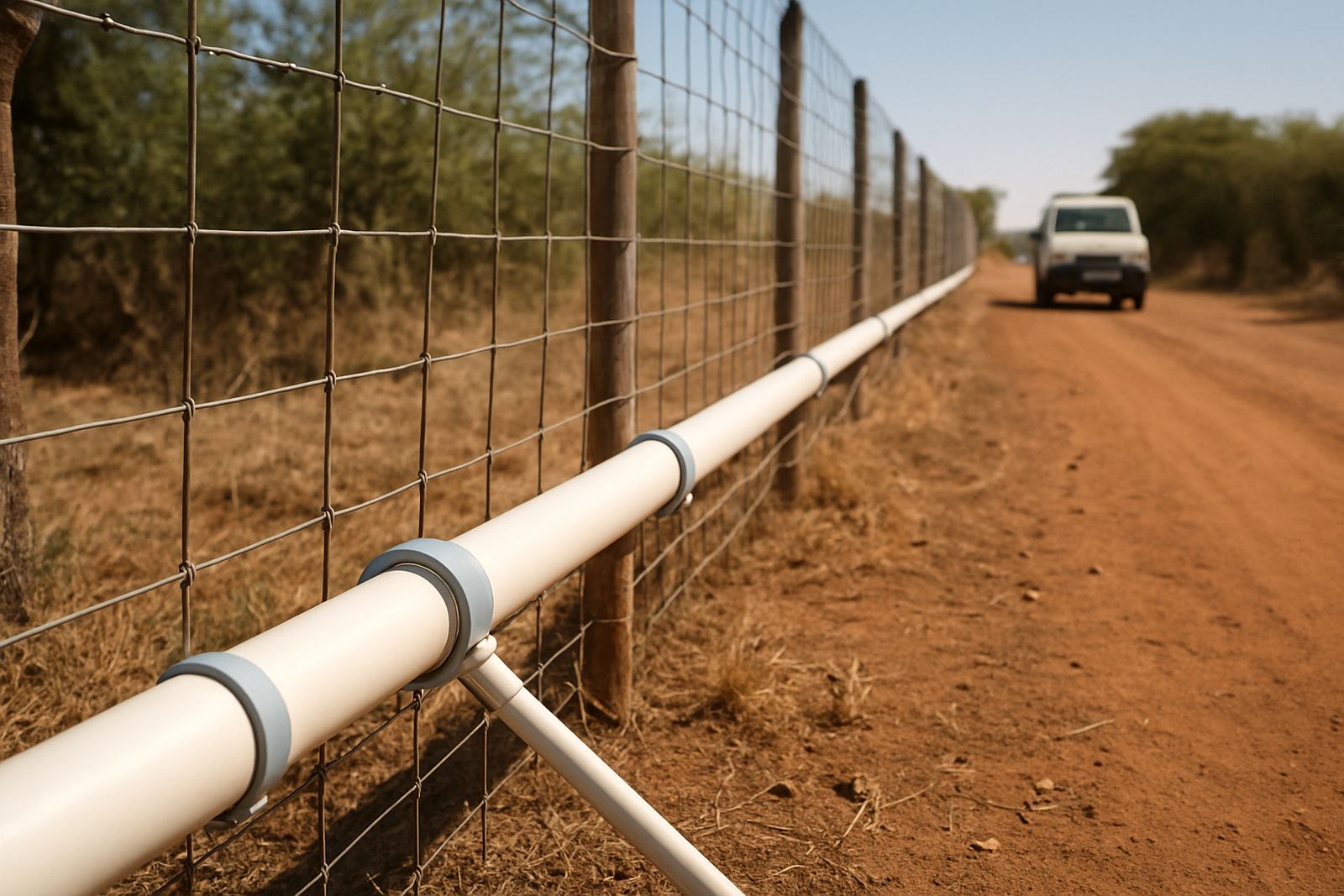
For exposed irrigation work, supports should match the pipe size and the way it is used. A light spray line needs different treatment to a main feed line. In farm yards around Polokwane and the wider Limpopo area, you often see lines exposed to dust, heat and sudden use during watering cycles. Brackets, saddles and clip spacing should be chosen carefully, not just fixed wherever there is a spare post.
- Support long horizontal runs at regular intervals
- Use proper clips rather than wire that cuts into the pipe
- Keep joints accessible for inspection and re-tightening where needed
- Do not let pipe hang from a fitting that was meant only for connection
Protecting pipes on farms, estates and construction sites
Different sites need different protection. On a farm, the biggest risk may be tractors, fertiliser bags or staff walking with tools. On an estate or landscaped site, the risk may be mowers, edging tools and public access. On a construction site, temporary pipework can be damaged by foot traffic, dust and shifting materials. The solution is always to match the route to the site use.
In and around Ladanna and Polokwane supply areas, we often see exposed pipework added during an expansion phase and then left unprotected once the project is running. That is where simple measures help. A low guard rail, a raised route along a wall, or a clear service corridor can make a big difference. When a line is easy to see and easy to reach, it is also easier to maintain.
- Use visible routing where staff and contractors work daily
- Keep stock and loose material away from pipe corridors
- Protect low runs near doors, gates and entrances
- Plan for temporary access during repairs or cleaning
Climate, UV and everyday wear in South African conditions
South African irrigation systems deal with strong sun, dust, wind and seasonal storms. In hotter inland areas, exposed pipe gets brittle faster if it is not shielded from direct UV exposure. In wetter regions, moisture and grime can hide small leaks until the damage is already done. Coastal humidity can also encourage slipping joints if the pipework is not installed cleanly and checked after the first few cycles.
Where exposed sections cannot be avoided, use practical protection that suits the site. Covers, shade, raised supports and careful jointing all help extend service life. It is not about overcomplicating the installation. It is about making sure the pipe can cope with real site conditions, not just the first day of use.
- Check exposed pipe after storms, high winds and heavy usage
- Watch for discolouration, cracking or rubbing marks
- Inspect joints near pumps and valves more often
- Replace damaged sections before a small issue becomes a shutdown
Planning a route that allows quick repairs later
A well-planned pipe route should not trap the installer or the owner later on. If a section bursts, the repair team needs room to cut, clean and rejoin without digging through tight corners or moving heavy equipment. That is why exposed pipe should be placed with future access in mind. A few extra minutes during planning can save hours during a repair.
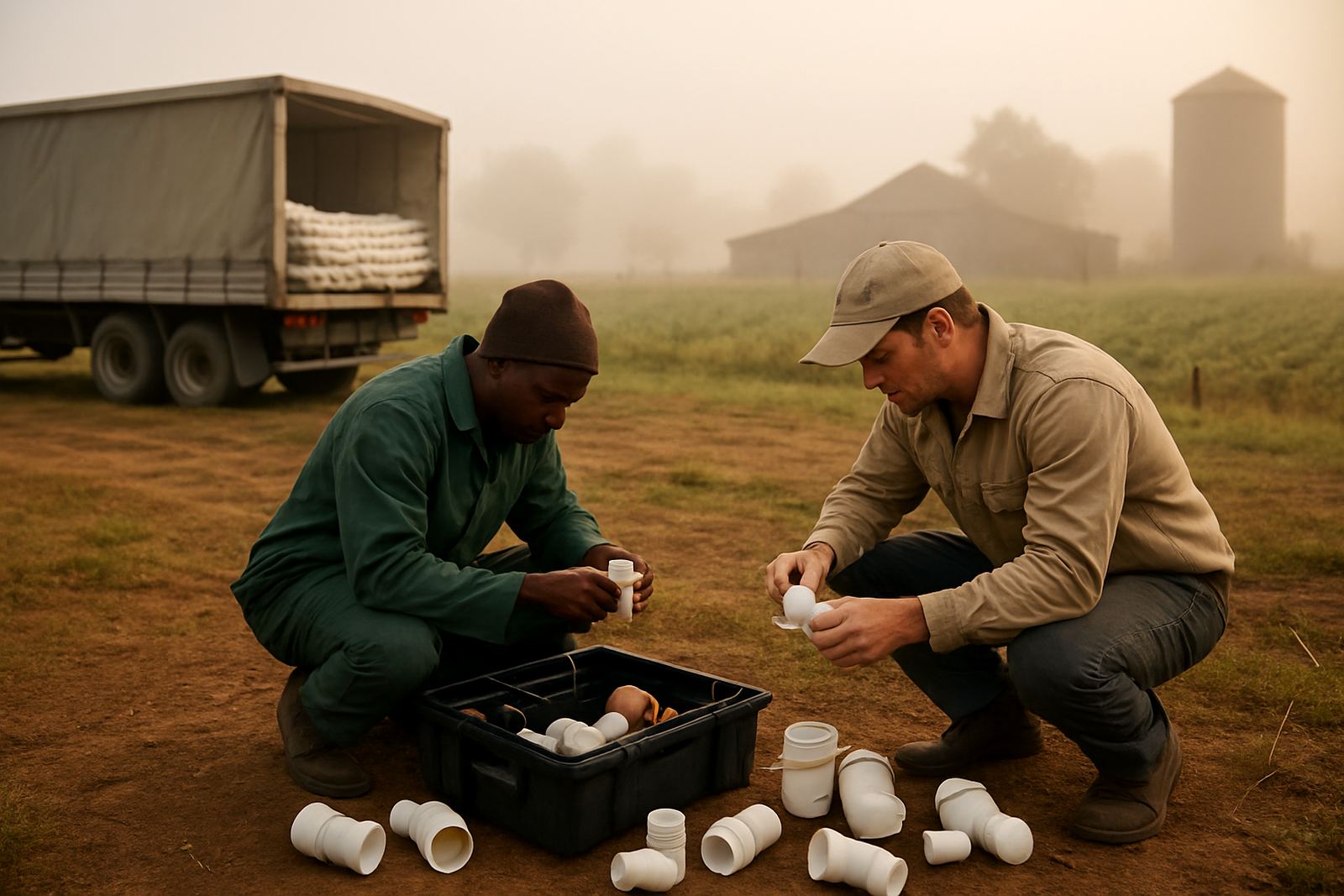
For contractors and farm managers, this is often the difference between a quick fix and a missed irrigation cycle. At PVC Welders in Ladanna, we see many order requests where the real issue is not only the fitting size, but where the line runs and how it will be protected. Product selection, quantity checks and jointing advice all become easier when the route is thought through before the first cut.
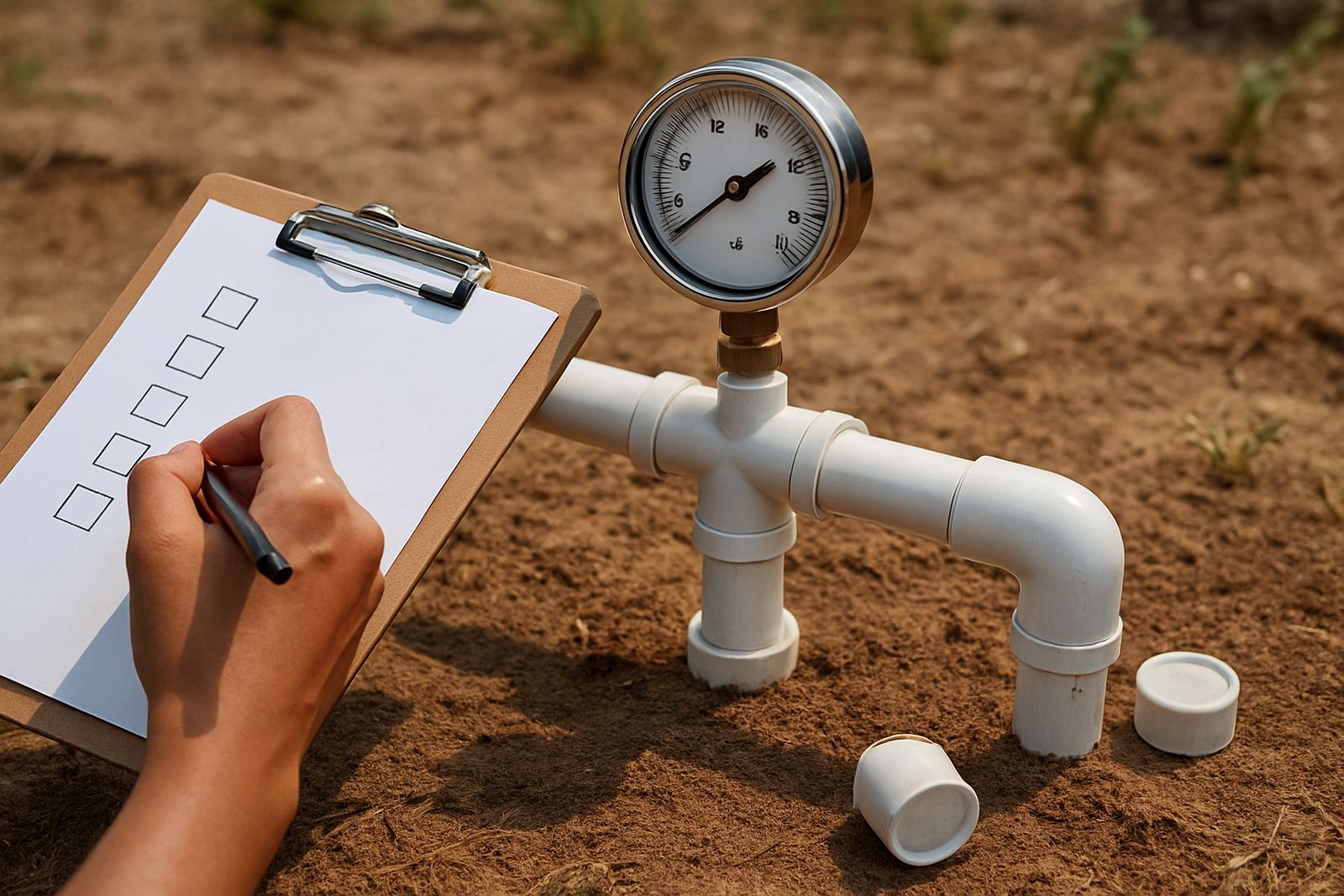
- Leave enough working space around unions and joints
- Plan shut-off points where sections may need isolation
- Keep spare fittings on hand for exposed areas
- Choose a route that allows a simple patch without major disruption
A practical example from a Limpopo irrigation run
Consider a vegetable producer outside Polokwane who needs a supply line from a pump to a block of overhead sprinklers. The shortest route crosses a service yard where bakkies turn, workers pass through and crates are stacked during harvest. That line may look neat on day one, but it will be vulnerable to impact. A better choice is to route the pipe along the edge of the yard, keep it on proper supports and bring it across only where it is fully visible and protected.
That change may add a small amount of pipe and a few extra fittings, but it lowers the chance of accidental damage. It also makes it easier to check the line after rain, during peak season or after a power interruption. For exposed sections, less risk and easier maintenance are usually worth far more than saving a metre or two.
If you are planning exposed irrigation work, the safest route is the one that fits the way the site actually operates. Think about movement, access, weather and repair space before you decide where the pipe should run.