
Why fitting stock control matters on irrigation jobs
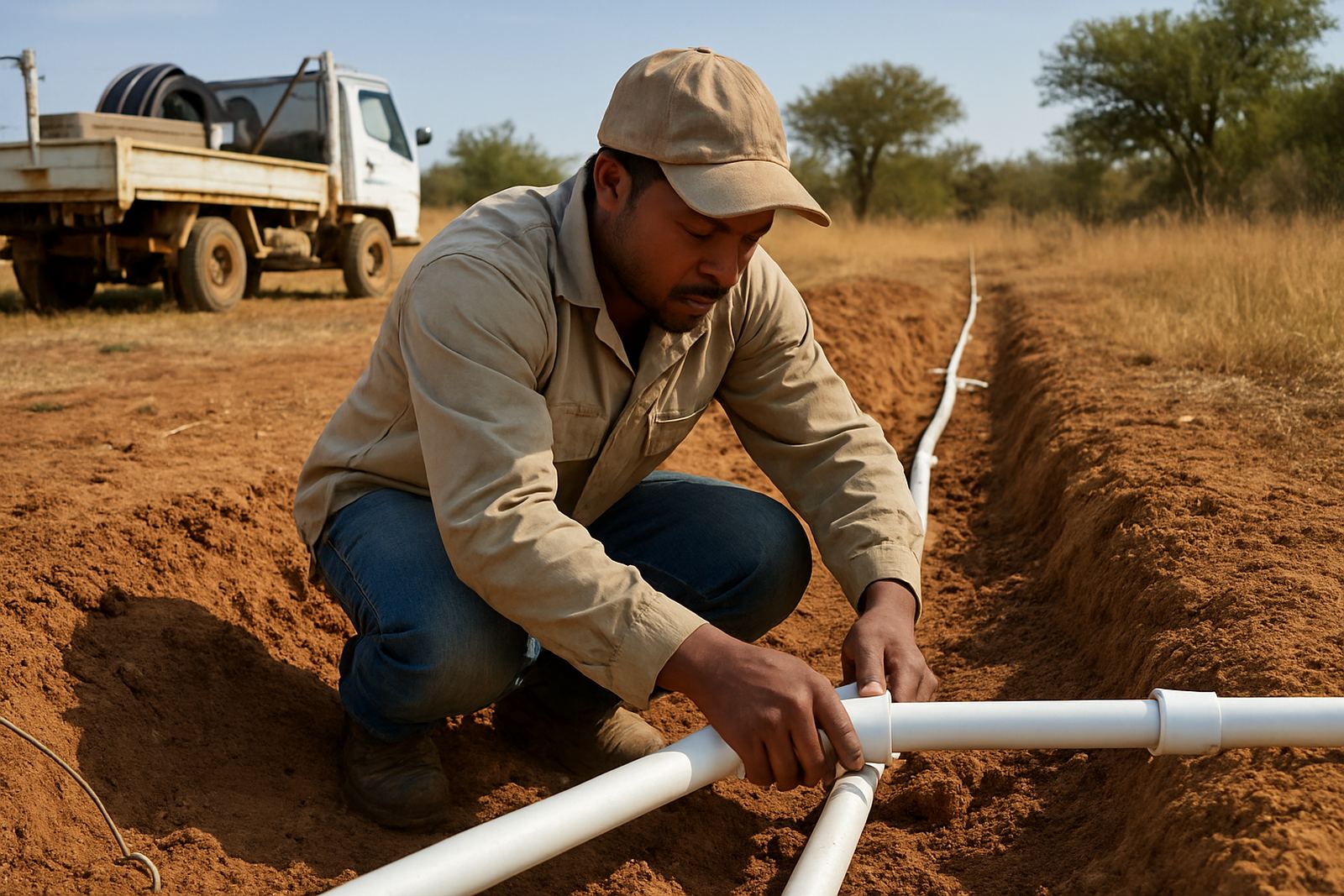
On an irrigation job, a missing elbow or coupling can stop the whole crew, even when the rest of the materials are already on site. That is why stock control is not just about counting boxes, it is about keeping the right fittings ready for the next trench, the next block of rows, or the next repair callout.
When stock is managed properly, the team knows what is in the store, what is already reserved, and what still needs to be ordered. It also reduces the risk of buying the same size twice, which happens often when different people are phoning in updates from the farm, the yard, and the field. A simple system can save time and rand straight away.
- Less downtime waiting for one missing part
- Fewer duplicate orders on active jobs
- Better planning for repeated pipe sizes and join sizes
- Cleaner records for contractor accounts and farm orders
Start with the fittings that move fastest
Not every fitting needs the same level of attention. The items that move fastest are usually the standard sizes used every week on irrigation installs and repairs. These are the pieces that disappear quickly when one contractor takes a few extras, or when a farm crew opens a pack and forgets to record it.
A practical stock list should focus on the fittings used most often in your area and on your type of work. In Limpopo, that often means keeping an eye on the common joint sizes, reducers, tees, elbows and end caps used on line extensions, pump connections and block changes. It helps to track what comes out of the store by size and by job, not only by total quantity.
- Keep a fast moving list for the most used sizes
- Separate fittings for new work from fittings set aside for repairs
- Record open packs immediately, not at the end of the week
- Check what is used on each farm, estate or contractor site
Use job cards and reserve stock before crews leave
One of the easiest ways to avoid shortages is to reserve fittings before the truck leaves the yard. When a crew is leaving for Hoedspruit, Tzaneen or a farm outside Polokwane, the job card should show exactly what is loaded, what is still pending, and what is held back for another site. That avoids the common problem of one crew borrowing from another job without anybody writing it down.
Job cards do not have to be fancy. A printed sheet, a clipboard, or even a simple store list can work well if it is used every time. The important part is that the person who collects the stock signs for it and the store team updates the count straight away. If the job changes on site, the update must be recorded before the day ends, otherwise the numbers will drift and the next order will be wrong.
- Reserve fittings by job, not only by branch or truck
- Mark what is issued, what is returned, and what is damaged
- Keep separate counts for planned installs and emergency repairs
- Update records before the next load goes out
Store fittings by size, type and pipe class
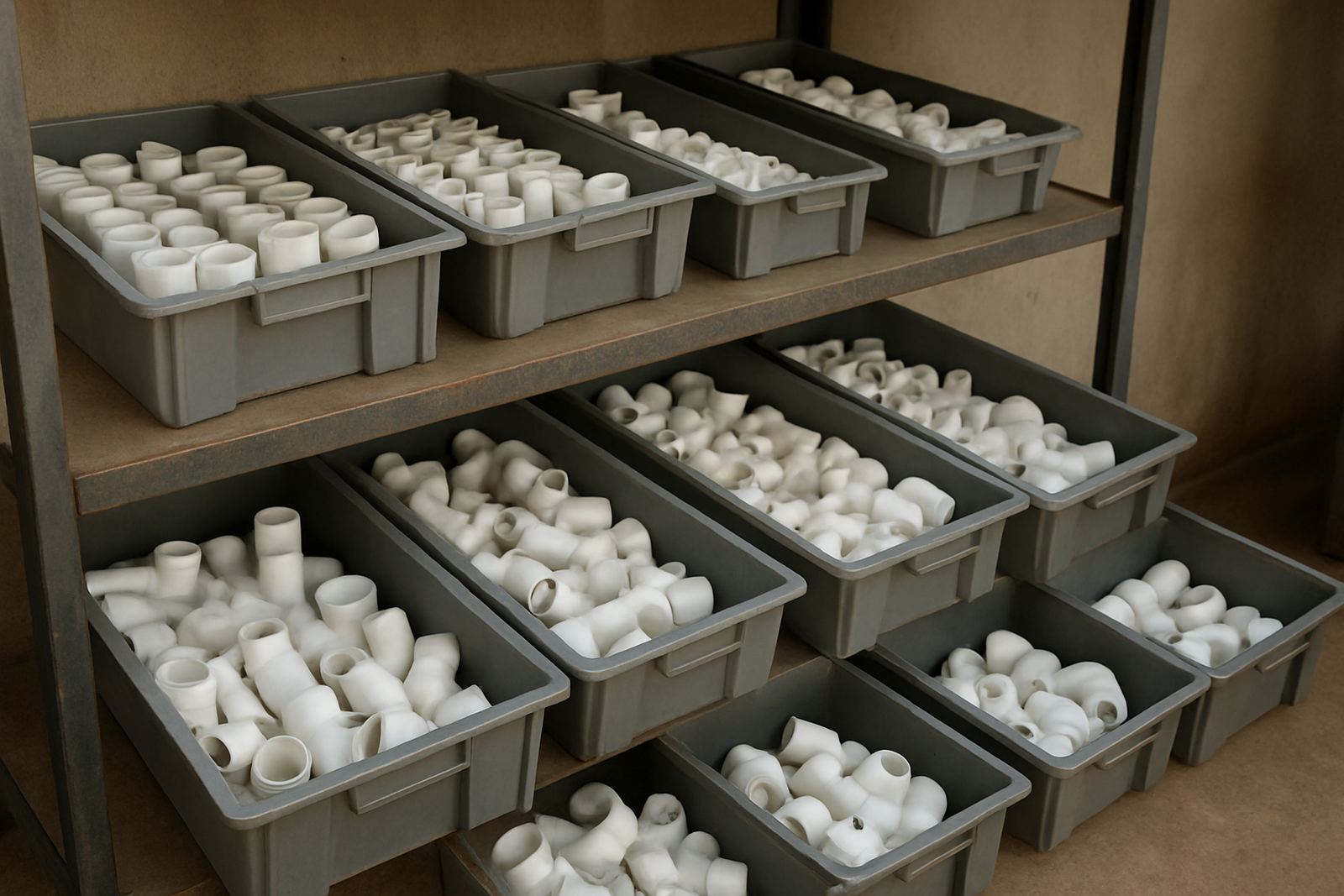
Good storage makes stock control much easier. Fittings should be grouped in a way that matches how the team actually works, so the right item can be found quickly under pressure. Sorting by size is the first step, but it also helps to separate solvent-weld fittings from other connection types, and to keep pressure-rated items apart from lighter duty pieces.
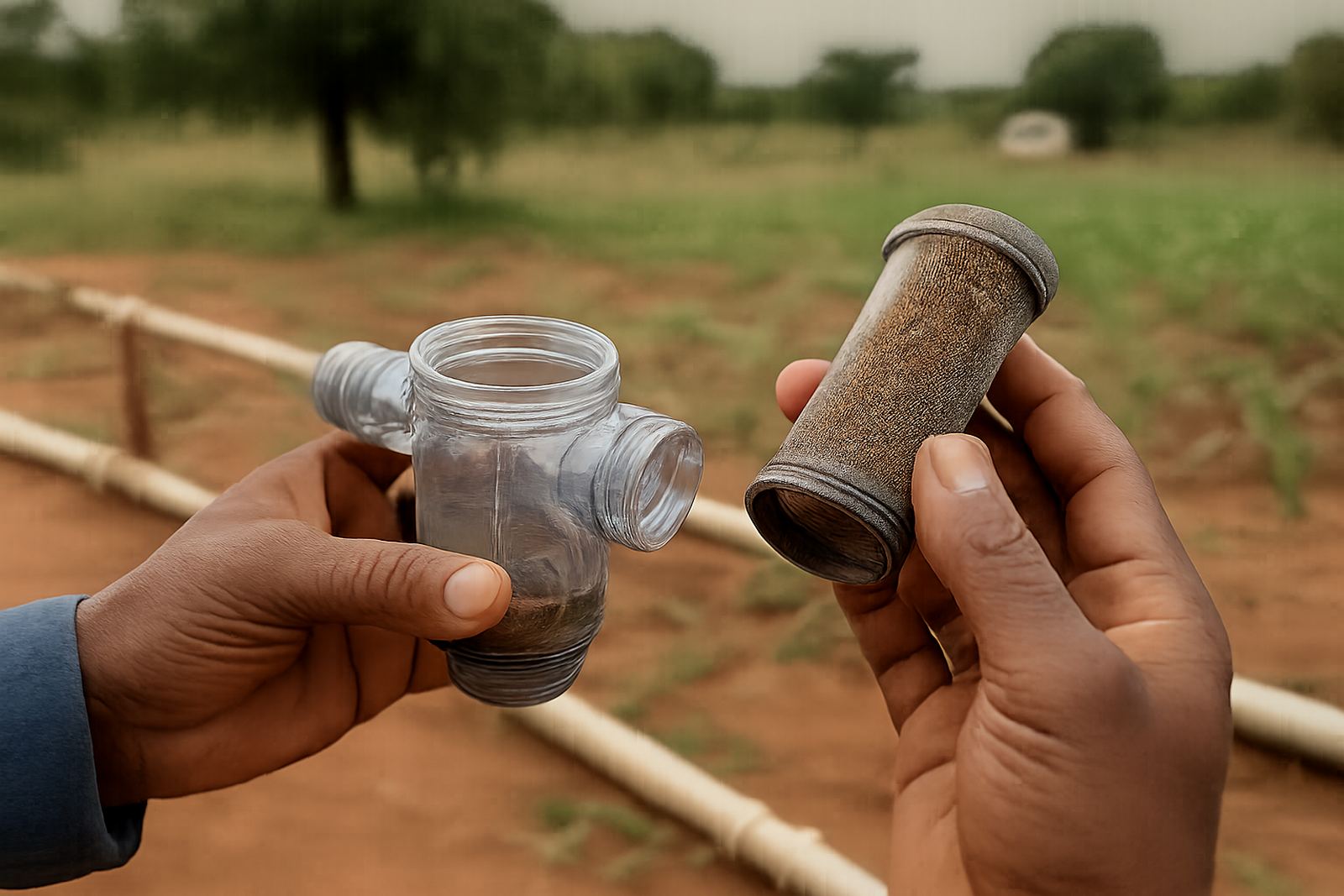
In hot sheds and on dusty farms, loose storage can lead to damaged threads, bent packing, and fittings getting mixed up. Clear tubs, labelled shelves and a simple bin system make a big difference. If coastal humidity is affecting stored items in other parts of the country, sealing and dry storage become even more important. In the Limpopo heat, sunlight and dust can still do enough damage if stock is left open. A bit of order saves a lot of trouble later.
- Label shelves by size and fitting type
- Keep solvent-weld parts in dry, shaded storage
- Separate repair stock from new installation stock
- Use clear bins so shortages show up faster
Check for waste, breakage and wrong issue patterns
If the same fitting keeps running short, the reason is not always a buying problem. Sometimes the issue is breakage during transport, sometimes it is poor handling, and sometimes it is a wrong issue from the store. Looking at the pattern helps you fix the real cause instead of just ordering more stock.
It is worth reviewing what gets returned from site and what comes back damaged. A fitting that is cracked, dirty, or glued by mistake should be recorded separately so it does not disappear into normal stock. Small losses add up quickly on active irrigation projects, especially when several crews are working at once and nobody is checking the bin after each collection.
- Track breakage separately from normal usage
- Record wrong issues and swap-outs
- Check returned stock before putting it back on the shelf
- Look for repeat losses on the same job or truck
A Polokwane example: one missing size can slow the whole block
Take a typical irrigation run out of Ladanna, Polokwane. A contractor leaves with enough pipe for the day, but one small fitting size was not counted properly. The crew reaches the site, starts laying out the line, then stops because the joiner needed for the last section is not in the crate. The team has to wait while another vehicle is sent out, and that adds fuel, time and frustration.
Now compare that with a store that keeps a running count, reserves stock by job, and checks the packing list before dispatch. The same crew leaves with what they need, the site keeps moving, and the next order is based on real usage rather than guesswork. It is a simple habit, but on busy jobs it makes a real difference to output and to the mood on site.
- Count stock before dispatch, not after the job has started
- Keep a separate list for emergency top-ups
- Use the previous job’s usage to plan the next load
- Review shortages weekly, not only when a complaint comes in
Keep the system simple enough to use every day
The best stock control system is the one the team will actually follow. If it takes too long, people stop using it and the numbers drift. A short checklist, a clear shelf plan, and a habit of recording every issue can do more than a complicated register that nobody opens. Consistency matters more than clever wording or a big spreadsheet.
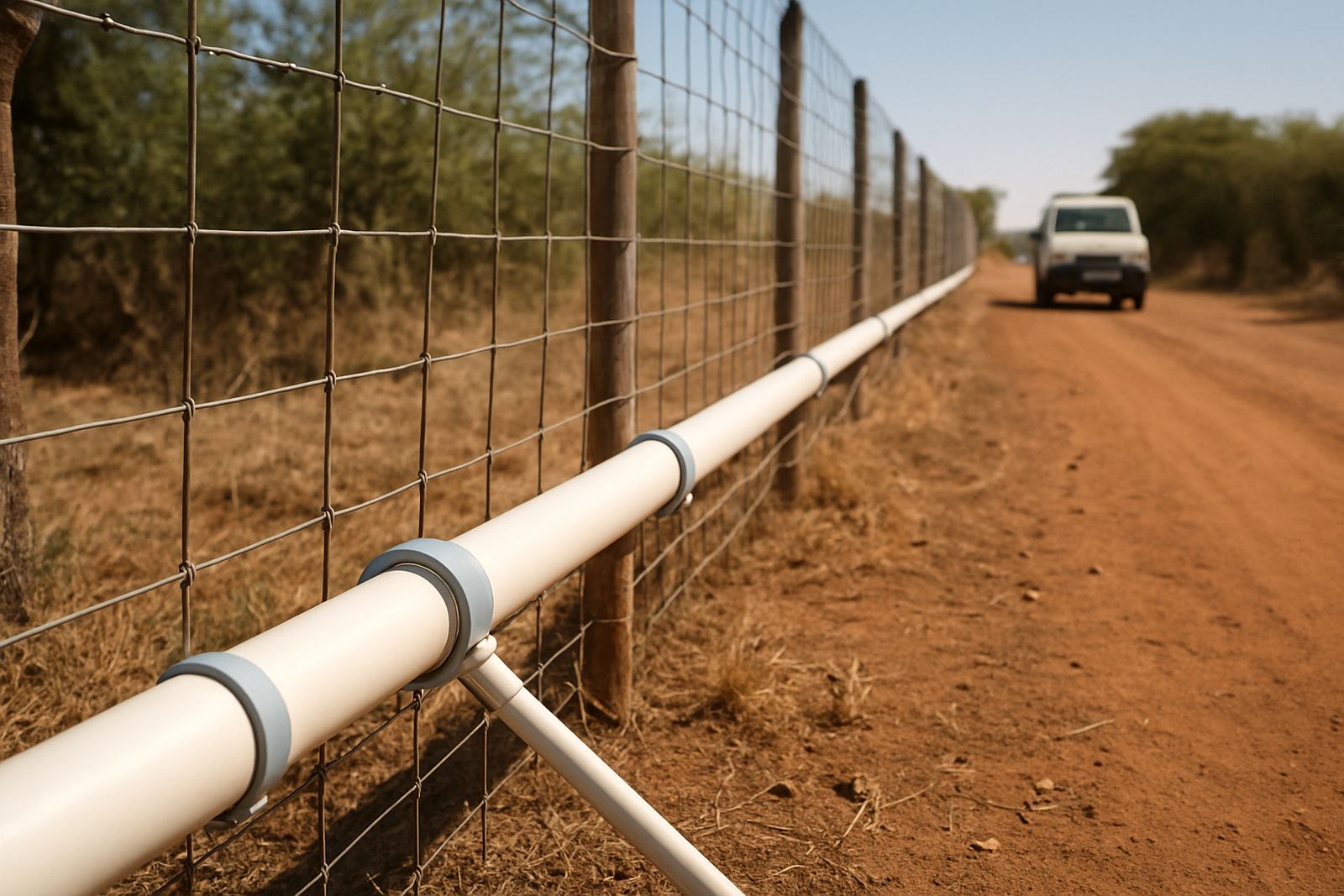
For irrigation work across Limpopo and beyond, the goal is to keep fittings moving without waste. That means knowing what is on hand, what is reserved, and what needs to be couriered or delivered next. When the store, the sales team and the site crew all work from the same count, shortages drop and repeat orders become easier to manage. That saves time for everyone, and keeps the job on track.
- Use one stock count that everyone trusts
- Review fast moving fittings every week
- Match stock levels to actual job demand
- Keep the process simple enough for daily use