
Why repair couplings matter on active irrigation lines
A damaged section of pipe does not always mean a long shutdown. In many irrigation systems, a repair coupling lets you remove only the failed part and reconnect the line with minimal interruption. That matters on farms where water schedules are fixed, and on landscaped sites where dry patches can show quickly.
The practical value is speed. A worker can cut out the damaged length, fit the coupling and restore flow without waiting for a full pipe replacement order. In Limpopo, where heat and long runs of exposed pipe can strain a system, that kind of turnaround can make a real difference.
Repair couplings are especially useful when the break is in a straight section of line and the remaining pipe is still sound. If the pipe has softened, split repeatedly or the surrounding joints are failing, then the better move may be a longer section replacement. That decision comes down to inspection, pressure and the condition of the pipe ends.
Match the coupling to the pipe and pressure rating
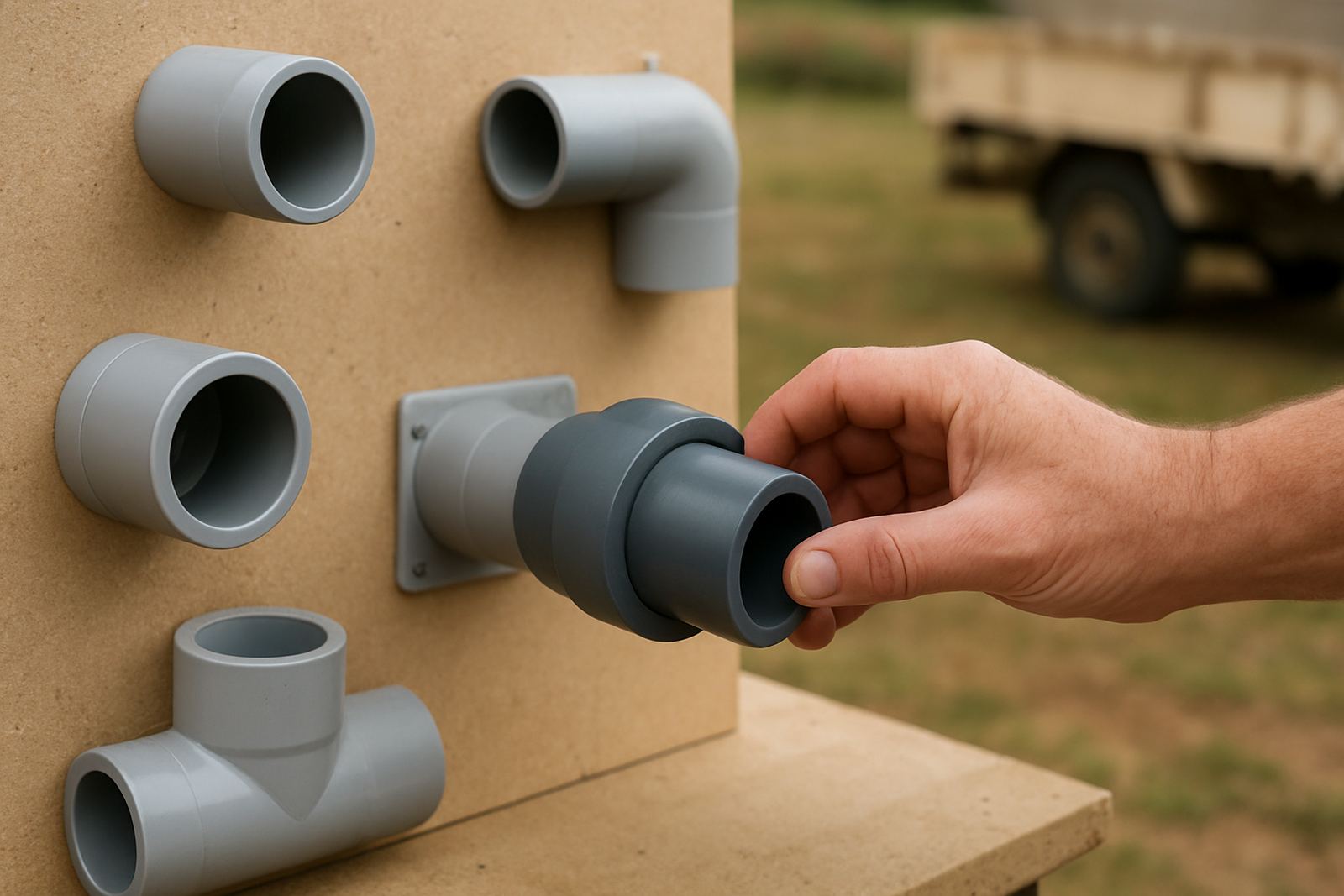
Choosing the wrong size is the most common cause of a poor repair. The outside diameter of the pipe must match the fitting exactly, and the wall thickness should suit the working pressure of the system. A tight fit is not enough if the pipe type and pressure class are wrong.
For irrigation work, it helps to check three things before ordering: the pipe size, the system pressure and whether the line is buried or above ground. Sun exposure, vehicle movement and soil settlement all affect how long a repair will last. On a hot day in Ladanna or out near Hoedspruit, pipe can expand slightly, so a loose match can become a leak later.
- Confirm the pipe diameter in millimetres before selecting the coupling
- Check whether the line carries low pressure or higher pressure irrigation water
- Make sure the fitting material is suitable for outdoor UV exposure
- Allow for clean, square cuts on both sides of the damaged section
If the pipe is old, brittle or out of round, do not force a standard coupling onto it. It may seal for a short while, but the joint can slip or split under pressure. In those cases, a more suitable repair method or a short pipe replacement may be safer.
Solid repairs depend on the pipe ends, not just the fitting
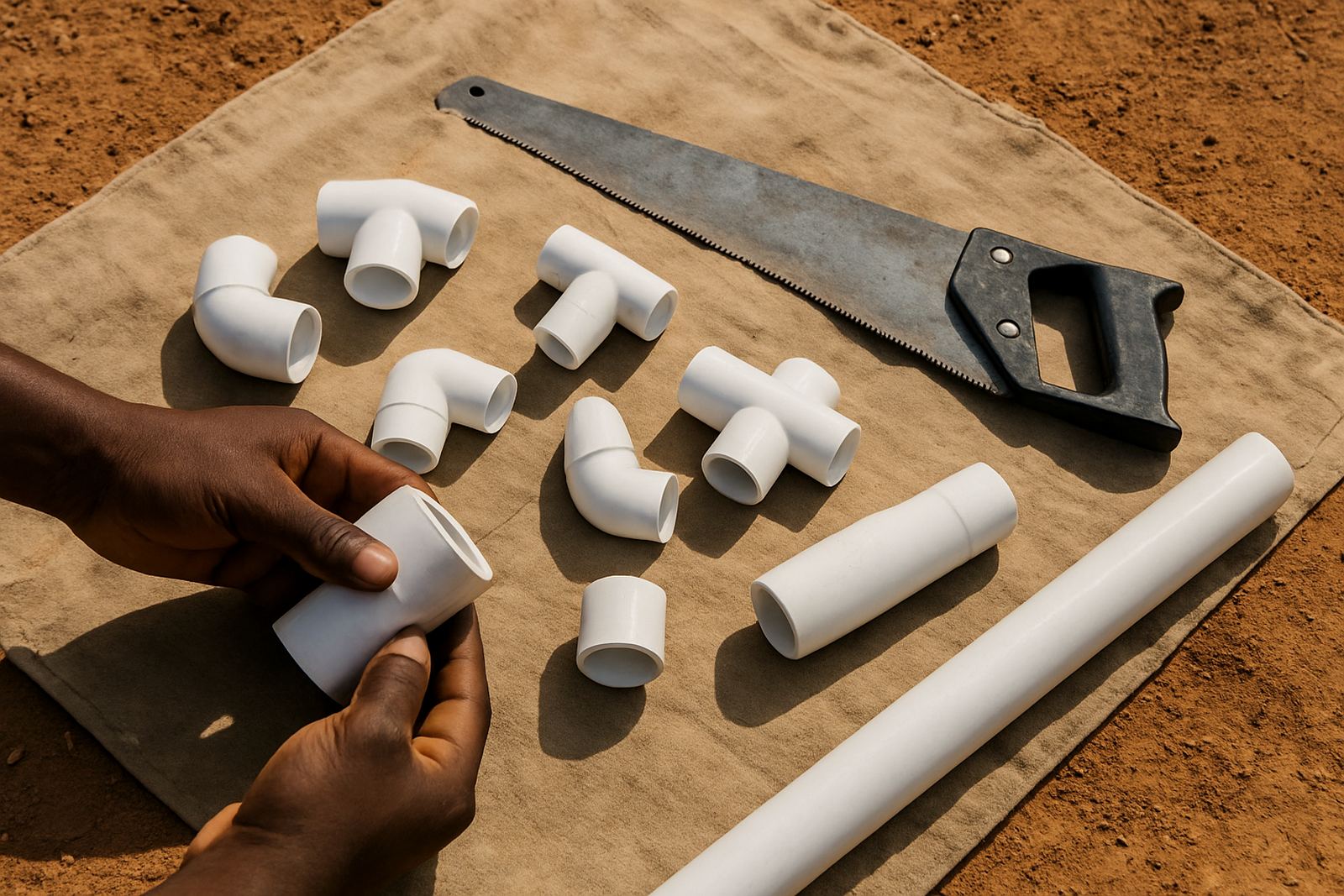
A repair coupling only performs as well as the preparation around it. The pipe ends must be clean, cut square and free from burrs, mud and oily residue. A rag and a proper pipe cutter or saw with a clean blade can save a lot of trouble later.
Before joining, check that the pipe has not cracked further back from the visible damage. A split that runs past the cut line will keep opening under pressure. Trim back until you reach sound material, even if that means a slightly longer repair than first planned.
For solvent-weld work, use the correct cleaner and jointing method for the pipe type, then allow proper curing time before pressurising the line. In warm weather people often rush this step, but early pressure can weaken the bond. On a site with load-shedding and stop-start pumping, plan the repair so the line stays undisturbed while the joint sets.
When a repair coupling is the right call and when it is not
Repair couplings work best where damage is local and the rest of the line is still reliable. They are a practical choice for accidental cuts, a cracked short section, or a straight pipe run that has been damaged by equipment, digging or settling ground.
They are less suitable where there are multiple faults close together, severe misalignment or badly worn pipe. If the line has already been patched several times, replacing a longer section often gives a better result and fewer call-backs.
- Use a repair coupling for a single damaged section in otherwise sound pipe
- Choose replacement if the pipe is brittle, warped or heavily UV damaged
- Consider a longer repair if the break is near a joint or bend
- Do not rely on a quick fix where pressure surges are common
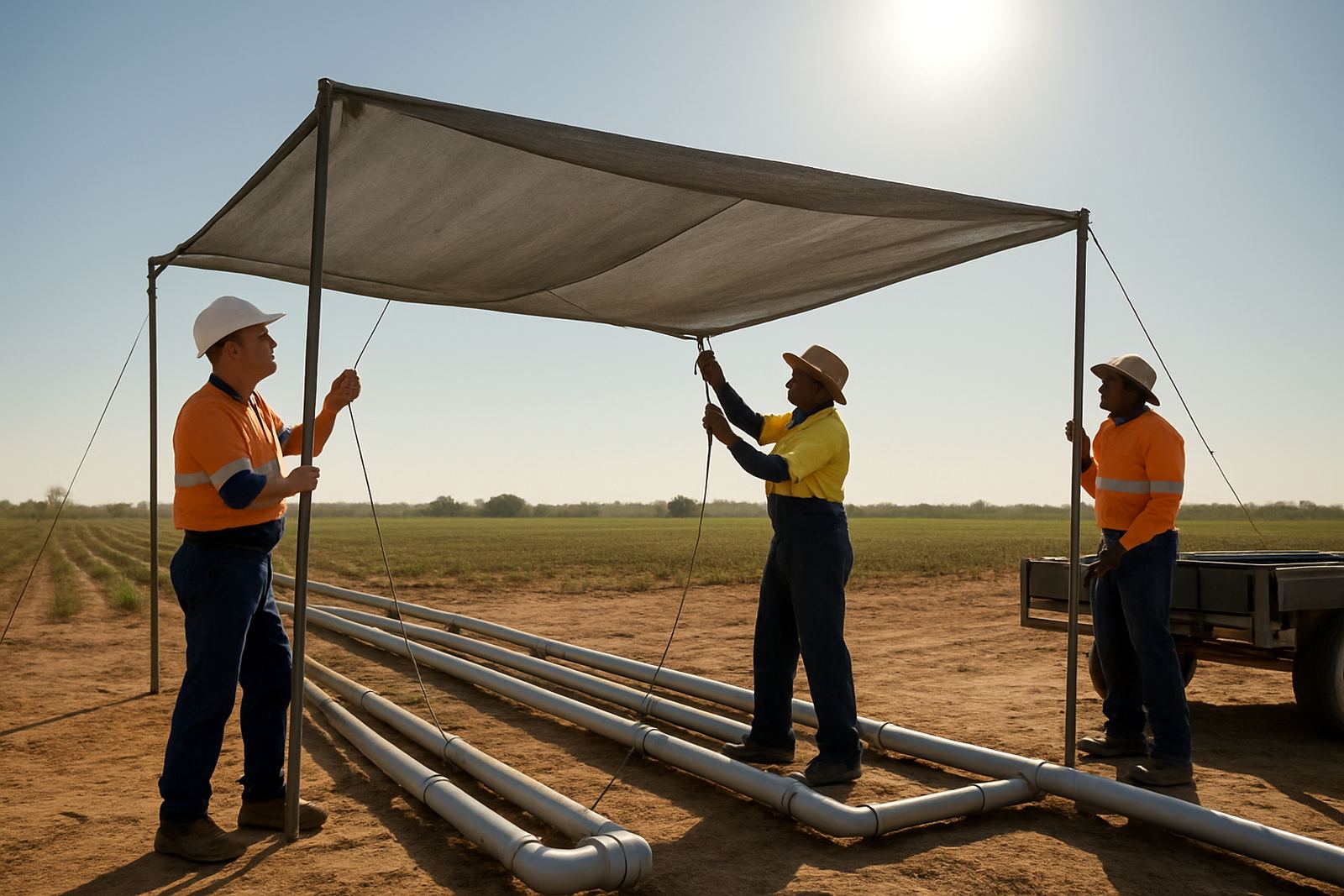
On farms around Polokwane and Mokopane, one damaged spot can stop an entire block if it sits on a main feed line. In that case, having the right coupling on hand helps a contractor get the section back in service before crops or lawns start to suffer.
How local conditions in Limpopo affect the repair choice
Limpopo conditions are hard on outdoor pipework. Strong sun, dust, seasonal storms and shifting ground can all shorten the life of a weak joint. In coastal areas humidity can be a factor too, while inland dust and heat often put more stress on exposed fittings. A repair coupling needs to do more than join two ends, it must stay sealed through those changes.
For buried lines, soil movement after rain can pull on the pipe. For exposed lines on farms or estates, UV and heat can make older PVC brittle over time. That is why a neat repair with the right jointing method matters so much. A fitting that looks fine on day one can fail later if the pipe ends were not properly prepared.
When planning repairs across larger sites, it helps to keep a small stock of the common sizes used on the property. That reduces delays when a section fails after hours or during busy irrigation cycles. For contractors working across Tzaneen, Lephalale or Thohoyandou, planned stock control usually saves more time than emergency buying.
A practical checklist before you order or fit one
Before you place an order or open the toolbox, take a few minutes to confirm the basics. It is quicker than discovering on site that the coupling is the wrong size or the damaged pipe needs more than a simple splice.
- Measure the pipe carefully and confirm the exact size
- Inspect the damaged area for hidden cracks or soft sections
- Check the pressure rating and intended use of the line
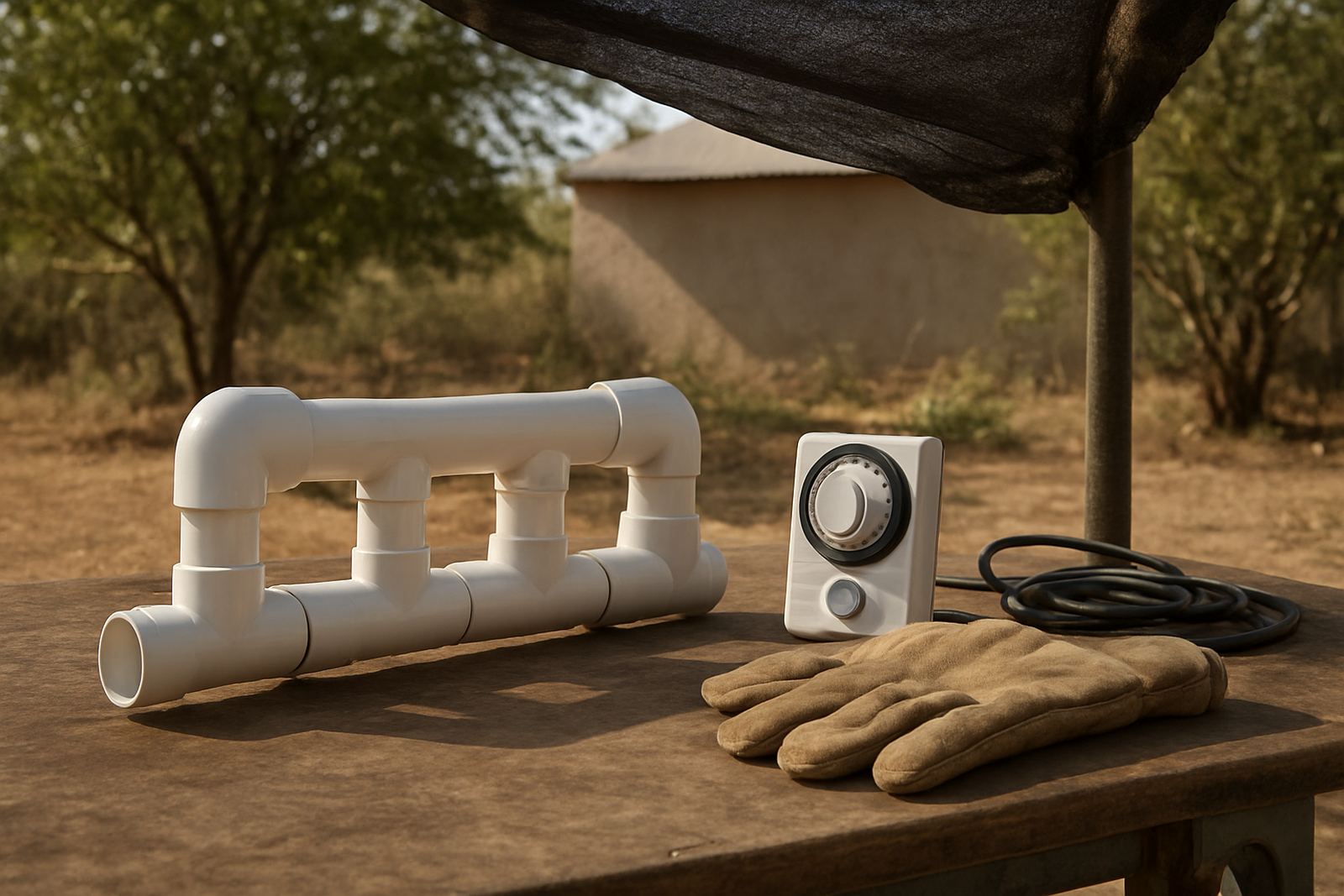
- Make sure you have the correct cutting and jointing tools
- Plan for curing time and avoid immediate pressure testing
- Keep spare fittings ready for repeat repairs on the same system
A clean repair is about preparation as much as the coupling itself. If the site is large, it also helps to reserve stock ahead of time so the right parts are available when a break happens. That is especially useful for farms, landscapers and contractors who cannot afford long delays between repair and restart.
A simple example from a farm line near Polokwane
A common case is a main irrigation line that gets nicked by a blade or tractor tyre. The damage is usually confined to a short section, maybe less than a metre, but the line may carry water to a whole block. In that situation a repair coupling can be the fastest way to restore flow without disturbing the rest of the system.
The process is straightforward: isolate the line, cut out the damaged section, clean the ends, fit the coupling and allow it to set properly before reopening the valve. If the pipe ends are sound, the repair can last well if pressure remains within range and the installation is neat.
For a contractor on a tight schedule, that kind of fix keeps the job moving. For the farm, it means less water loss and less stress on the crop. It is a small fitting with a big job, and when chosen correctly it can hold up against the same outdoor conditions that caused the damage in the first place.