
Why cure time matters on irrigation jobs
When a solvent-weld joint is made, the fitting and pipe need time for the solvent to soften the surfaces and form a proper bond. It is not just about “feels dry” at the touch. The joint must be left long enough to gain strength before handling, filling, pressure testing, or putting the line back into service.
On farm and landscape work, cure time matters because irrigation lines are often buried, clipped to frames, or laid out over long distances where a failure means extra labour and lost water. A joint that is rushed can leak later, pull apart under pressure, or fail when the line heats up during a hot Polokwane afternoon. That is money down the drain and extra call-backs for contractors.
Think of cure time as part of the installation, not a delay after it. The fitting may look finished in minutes but the bond is still developing underneath. If you move too soon, especially on larger diameters, you can disturb that bond before it has properly set.
What changes the cure time in real conditions
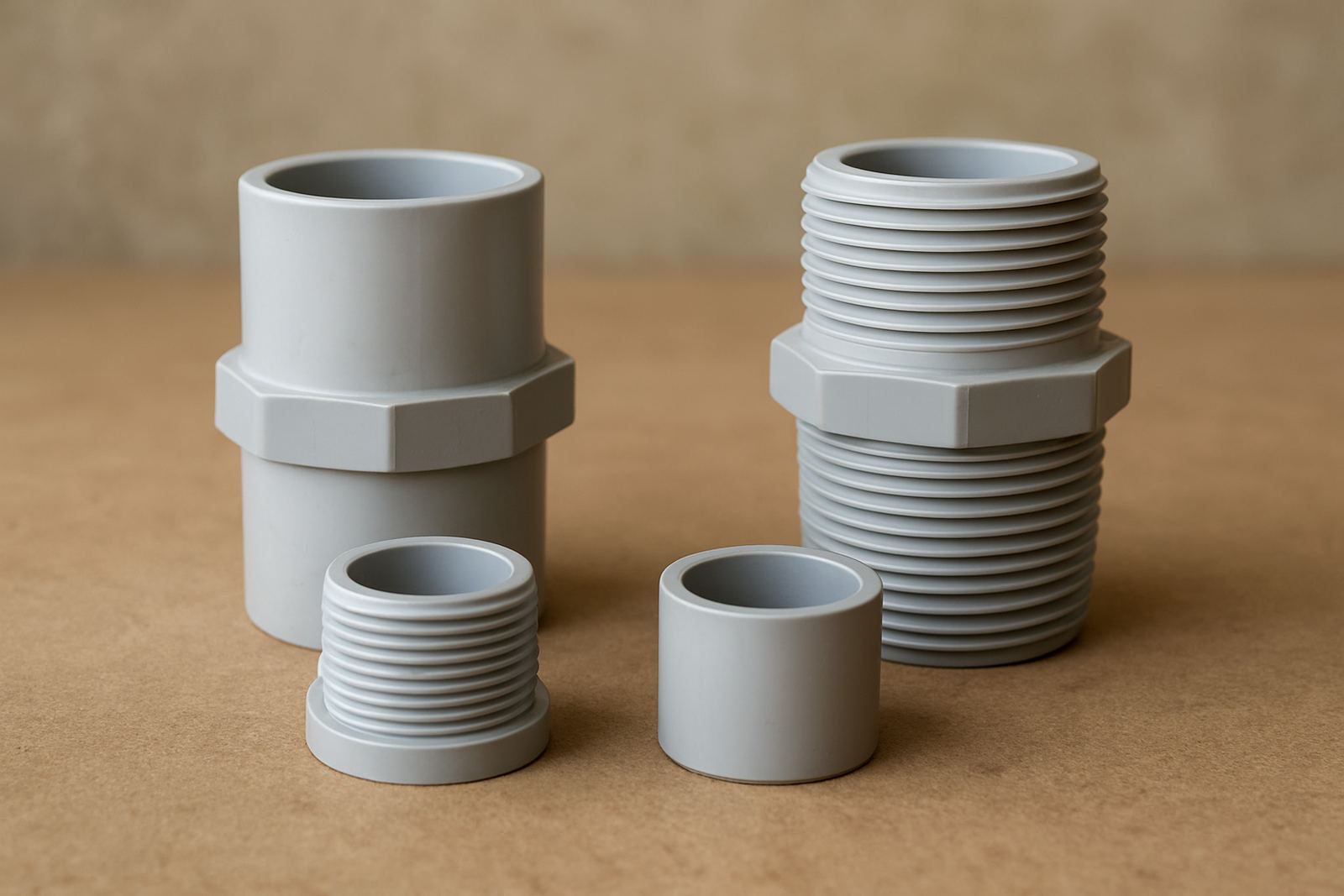
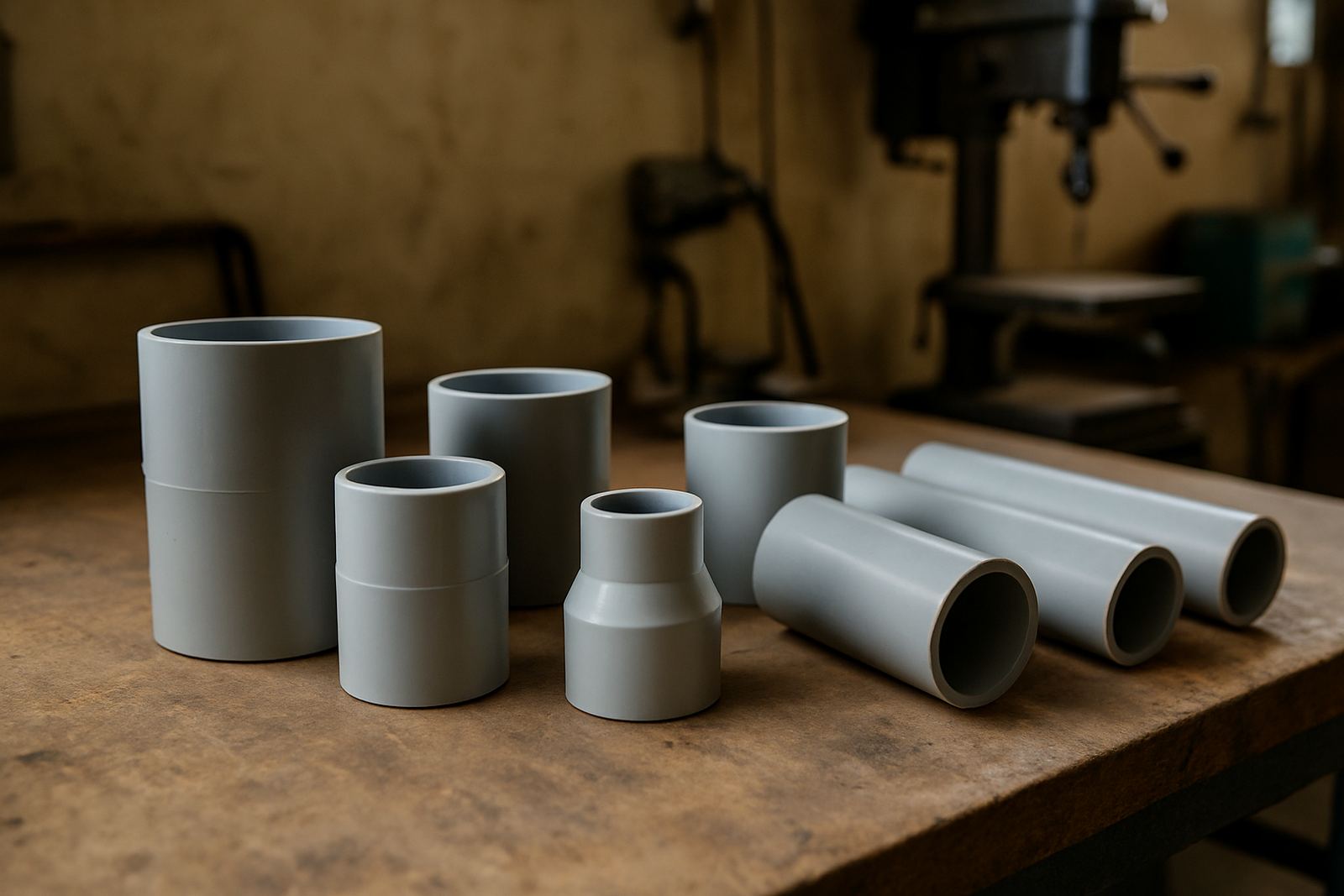
There is no single cure time that suits every site. Temperature, pipe size, humidity and the amount of solvent used all affect how quickly a joint becomes ready for service. In the Limpopo heat, the outside of a joint can seem ready faster than the inside has actually cured. In cooler or humid weather, it can take longer than people expect.
- Pipe diameter: Bigger sizes usually need more time before testing or loading.
- Ambient temperature: Hot weather speeds up surface drying but does not replace proper cure.
- Humidity: Coastal or wet weather can slow drying and extend safe handling time.
- Joint fit: A loose or poorly prepared joint needs more care and may not bond properly at all.
- Solvent amount: Too much can leave a soft joint longer, too little can weaken the bond.
For irrigation contractors working from Ladanna to Tzaneen or out toward Hoedspruit, the same product may behave differently from one job to the next. Shade, wind and time of day all play a part, so it helps to plan each section with the site conditions in mind.
Handling the line before full cure
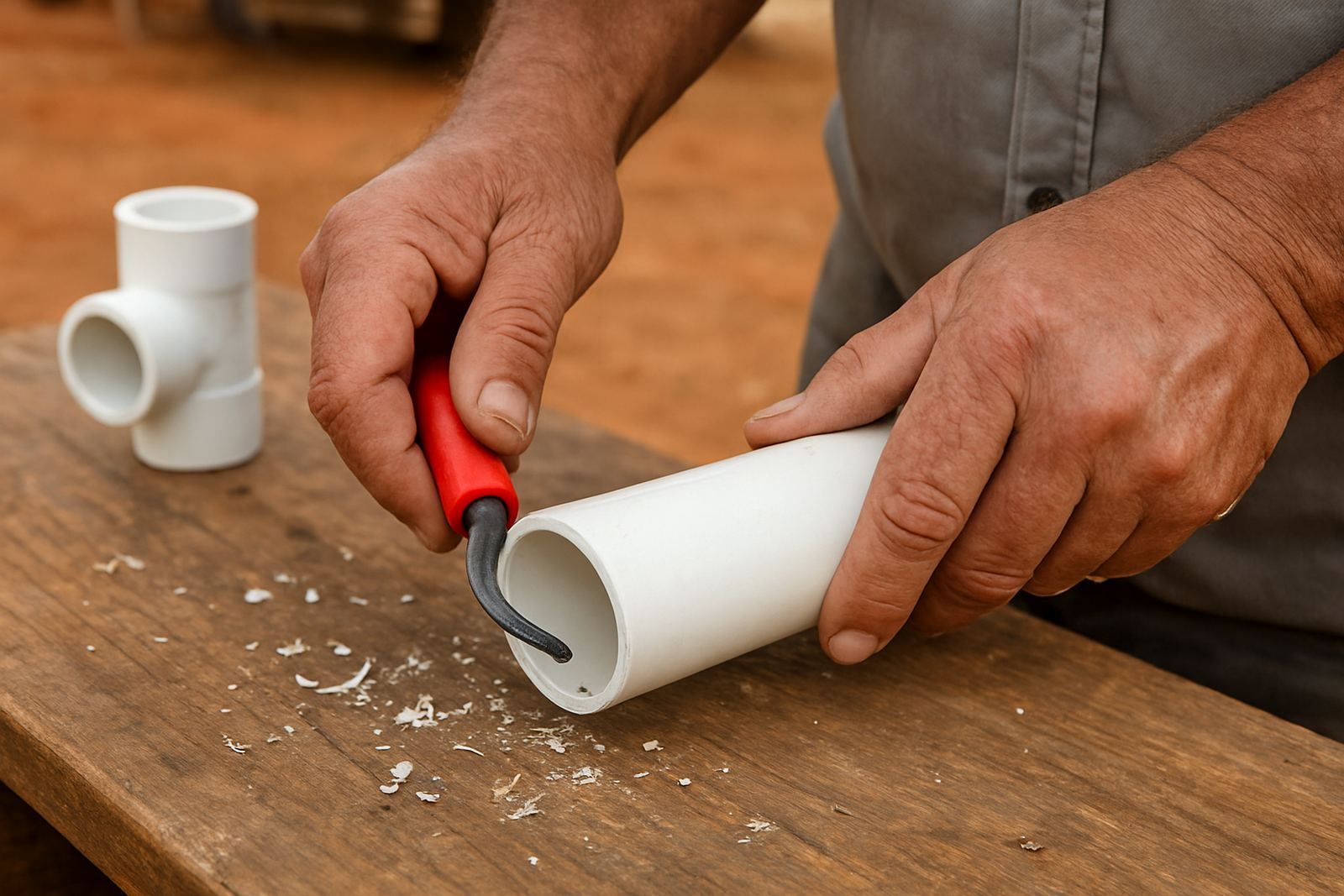
Freshly joined pipe needs gentle treatment. It should be aligned, held in place and left alone until the bond has had time to settle. Moving or twisting the pipe during early cure can break the seal or create a weak area that only shows up once pressure is applied.
Here is the practical rule: if the joint is carrying any load, weight or bending force, give it extra time. That includes long runs hung on clamps, vertical risers, pump room pipework and lines that will be covered soon after installation. If the pipe has to be moved, do it carefully and only after the initial set has taken hold.
- Keep the line supported so the joint is not carrying the full weight of the pipe.
- Avoid backfilling too early on buried runs.
- Do not clamp or strap tight across a joint before it has cured.
- Leave newly joined pipe out of direct strain from valves, bends or heavy fittings.
Many site issues start when someone wants to “just nudge it into place”. That small movement can be enough to spoil the bond, even if the outside looks neat.
Pressure testing without causing avoidable damage
Testing too soon is one of the most common causes of joint failure on irrigation work. A line that has not had enough time to cure may pass a quick visual check, then fail as soon as pressure comes up. The result is water loss, wet trenches and a second round of repairs that could have been avoided.
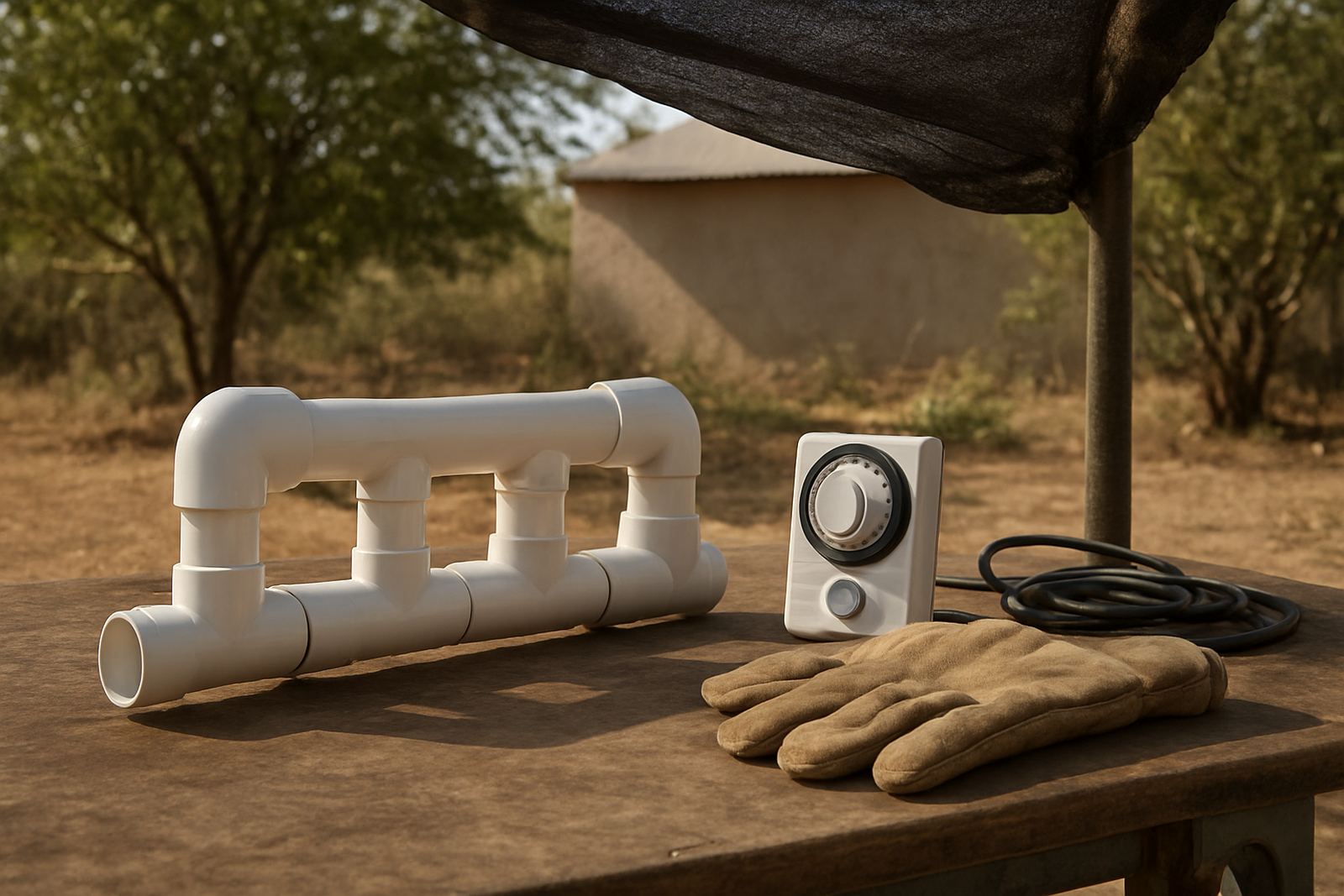
Before testing, make sure the full run has had the required cure time for the pipe size and site conditions. If the line was assembled in cool morning air and then tested in afternoon heat, allow a bit more time rather than less. The pressure rise should also be steady, not sudden. A controlled test helps you see real faults instead of stressing a half cured joint.
- Test in stages where possible, especially on long farm systems.
- Watch for drips at every joint before increasing pressure further.
- Allow time after the test before leaving the line fully loaded.
- If a section is buried, inspect and confirm before covering it in full.
On a citrus block near Tzaneen, for example, a contractor may be tempted to close the trench the same afternoon. If the line is only partly cured and the soil is packed down too soon, any fault becomes harder to find later and the repair takes longer.
How to plan return to service on farms and estates
Return to service should be part of the job plan from the start. That means matching the cure time to the site schedule, the number of joints, and the pressure demands of the system. A small domestic line and a mainline feeding several hectares should not be treated the same way.
For farmers and landscapers, this planning step saves a lot of trouble. If irrigation is needed by a set time, work backwards from the deadline and allow enough curing before filling. When there is no room to delay, it is better to split the job into sections than to rush the whole system and risk a failure later.
Good planning also helps with load-shedding and pump timing. If the power comes back at the wrong moment, the system should not be switched on just because the pump is available. The joints must still be ready. That simple discipline avoids a return call when the site is already busy.
- Build cure time into the installation schedule, not after it.
- Separate high-pressure runs from lower-risk sections where possible.
- Keep a record of when each section was joined so testing is timed properly.
- On contractor jobs, brief the crew so no one opens valves early.
Practical guidance for Limpopo weather and daily site pressure
In Limpopo, the conditions can change quickly across a single day. Morning coolness, midday heat and dusty afternoon wind all affect how a joint behaves. In places like Ladanna, Polokwane and the surrounding delivery areas, a fitting that looked ready at 10am may still need more time before it is safe to pressurise.
That is why local experience matters. The best approach is to use the product instructions, then adjust for the site conditions. Keep the pipe clean, make straight cuts, dry-fit before joining and avoid unnecessary movement while the joint is curing. If you are unsure, give the line more time rather than less. It is easier to wait an extra hour than to dig up a failed section later.
PVC Welders works with farmers, landscapers and contractors who need practical support on product selection, stock reserving, quantity checks and jointing advice. The aim is simple: get the right fittings to the right job, and make sure the installation lasts.
When cure time is respected, the system goes back into service with fewer surprises. That means cleaner testing, better pressure performance and less chance of a call-back after the trench is closed.