
Where couplers fit into an irrigation line
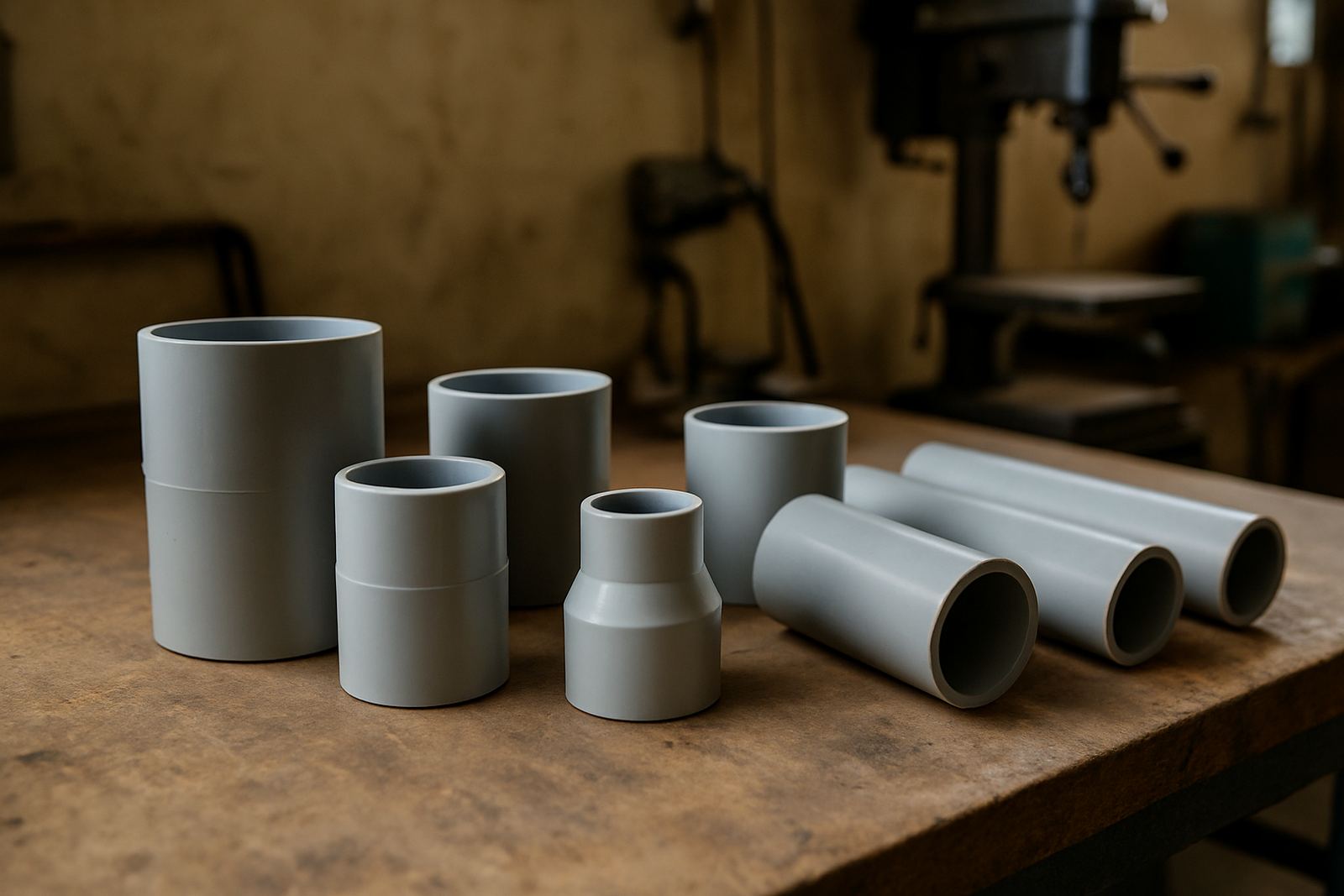
In irrigation work, a coupler is used to join two lengths of pipe so the line can continue without interruption. An equal coupler joins pipe of the same diameter, while a reducing coupler joins two different sizes. That sounds basic, but on the ground it decides how tidy the line sits, how easy it is to install, and whether pressure stays where it should.
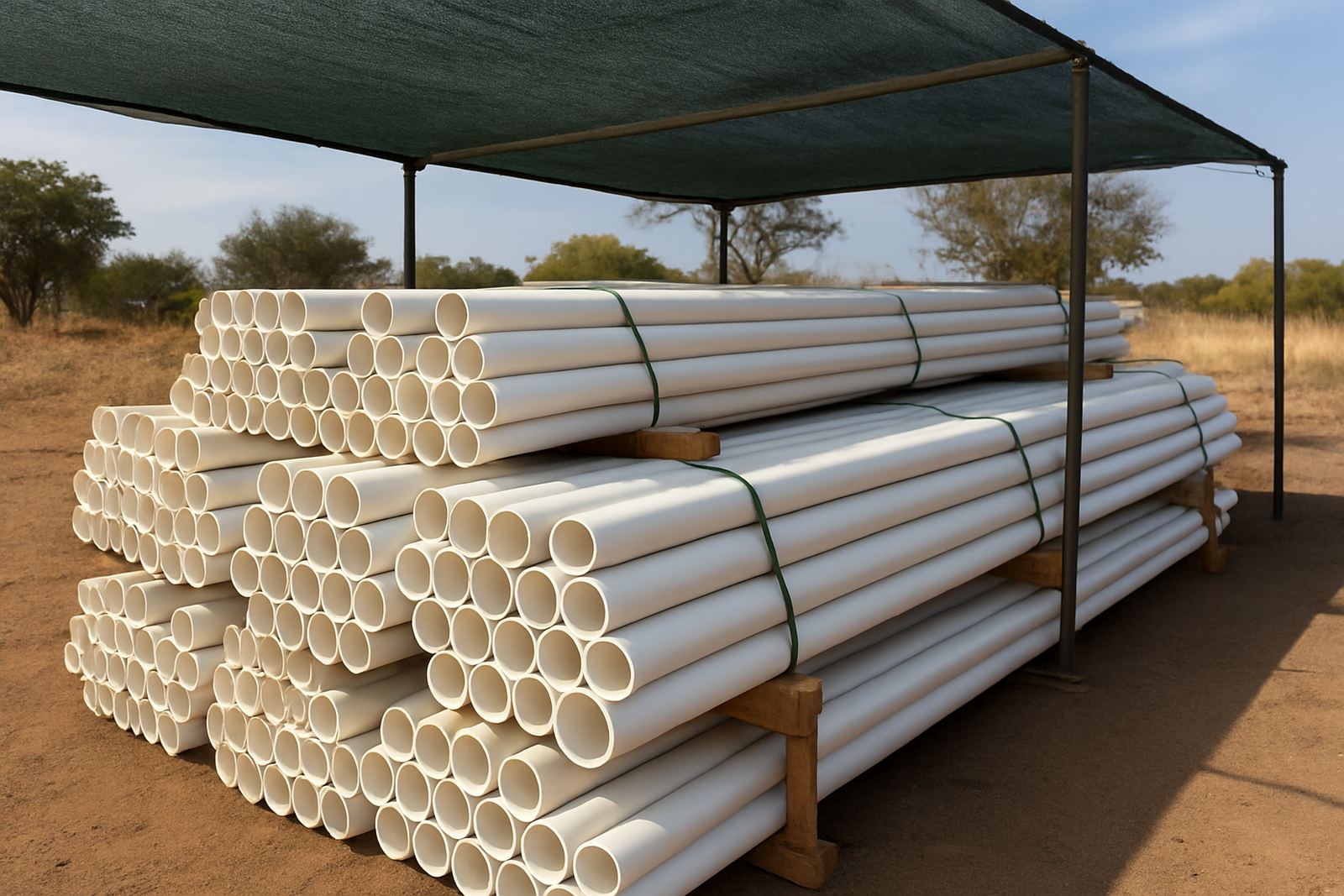
Farmers and contractors in Limpopo often use couplers when laying new mainlines, extending existing runs, or replacing damaged sections after vehicle movement, trench work or tree root pressure. On borehole-fed systems and pump lines, the join must be straight and properly prepared, because any misalignment can cause stress later. In hot areas around Polokwane and the lowveld, sunlight and heat also punish poor joints, so the fitting choice matters just as much as the pipe size.
- Equal couplers are best where the pipe size stays the same all the way through.
- Reducing couplers are used where a main line steps down to a smaller branch line or outlet run.
- Couplers are common in repairs, extensions and system changes where existing pipe must be kept in service.
Equal couplers for straight runs and fast repairs
Equal couplers are the everyday option in many irrigation layouts. They are used when the same pipe size needs to be joined end to end, such as along a row crop line, a garden header, or a long supply run from the pump to the field. When installed correctly, they help keep the bore consistent through the line, which supports even water delivery.
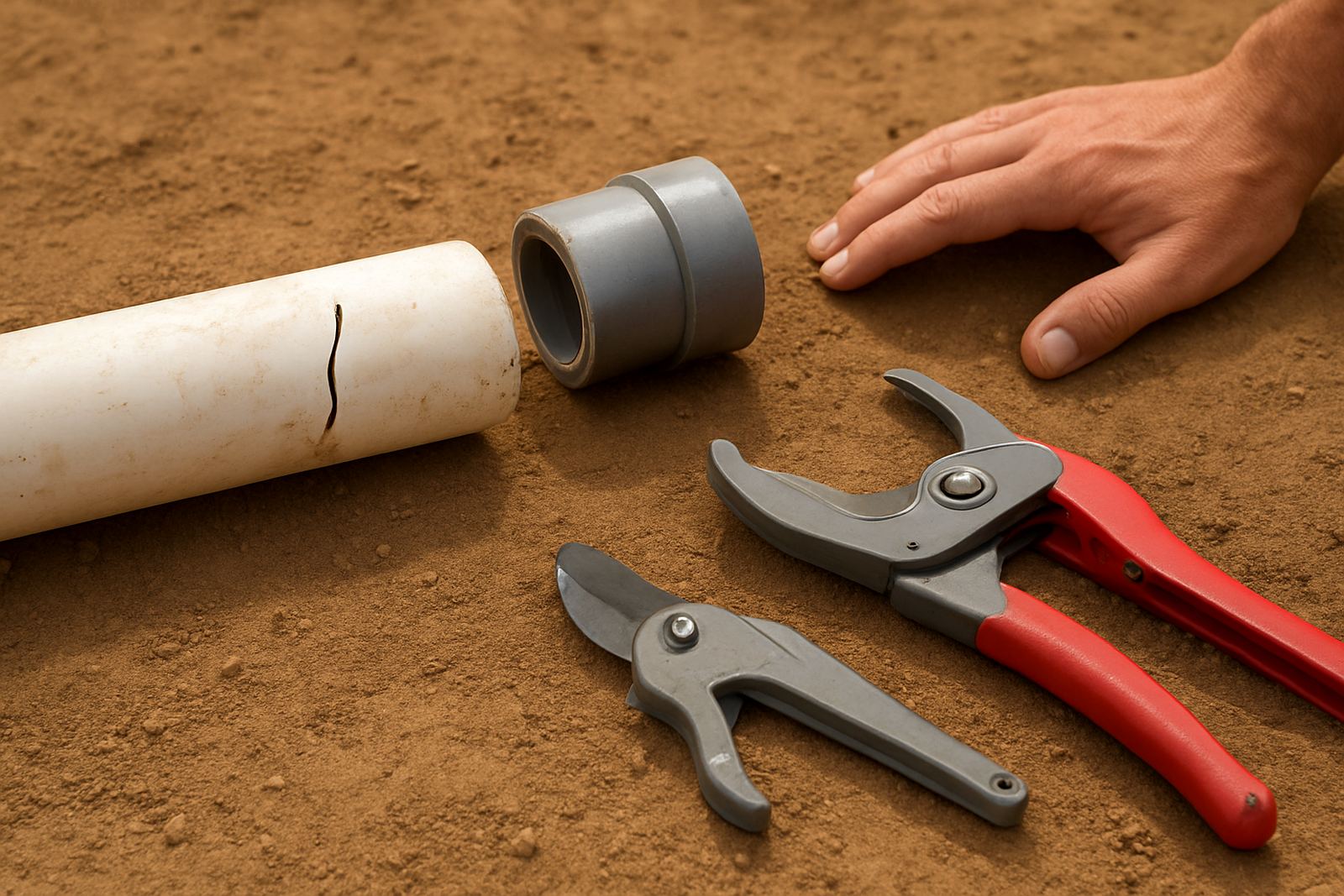
They are also the first choice for repairs. If a section gets cracked by a spade, a tractor tyre, or a dropped load, the damaged part can be cut out and replaced with a new length joined by couplers. This is a practical fix for farms that cannot afford a long shutdown, especially during peak watering periods and load-shedding windows when pumping time is already tight.
On contractor jobs, equal couplers are useful where pipe lengths must be worked around gates, boundary walls or service corridors. The fitting keeps the line neat and lets the crew complete the run without changing the pipe size or adding unnecessary joints.
Reducing couplers for system changes and pressure control
Reducing couplers come into play when the irrigation layout changes from one pipe size to another. That often happens at the point where a main line feeds smaller branches, or where a larger supply pipe has to connect to a smaller distribution line. Instead of forcing a makeshift join, the reducing coupler gives a proper transition.
In practice, this helps when a farm expands section by section. A manager may start with a larger feeder line from the pump, then move into smaller lines serving different blocks, tunnels or orchard rows. The reducing coupler makes that step clean and allows the installer to work with what is already on site rather than replacing more pipe than needed. It also helps keep pressure drop under control when the line is designed properly.
- Use reducing couplers where line sizes change between mainline and branch line.
- Use them when altering older systems that were installed in stages over time.
- Keep size changes planned, not improvised, so the system remains predictable in use.
Common job sites around Limpopo where couplers earn their keep
Around Polokwane, couplers are used in a wide range of irrigation jobs. On vegetable farms near Ladanna, they are fitted into main supply runs and bed lines. In Tzaneen and Hoedspruit, they are used on orchard irrigation where long pipe lengths must pass around contours, pump stations and block changes. In Lephalale and Mokopane, they are often part of repair work on lines exposed to dust, heat and heavy equipment.
Thohoyandou coverage tends to include mixed work too, from smallholder irrigation to larger schemes where stock needs to be matched carefully. For contractors, the practical issue is not just fitting the coupler, but making sure the right quantity and size are on hand before the team leaves the yard. A missing reducing size can hold up a whole day’s work, and that delay costs more than the fitting itself.
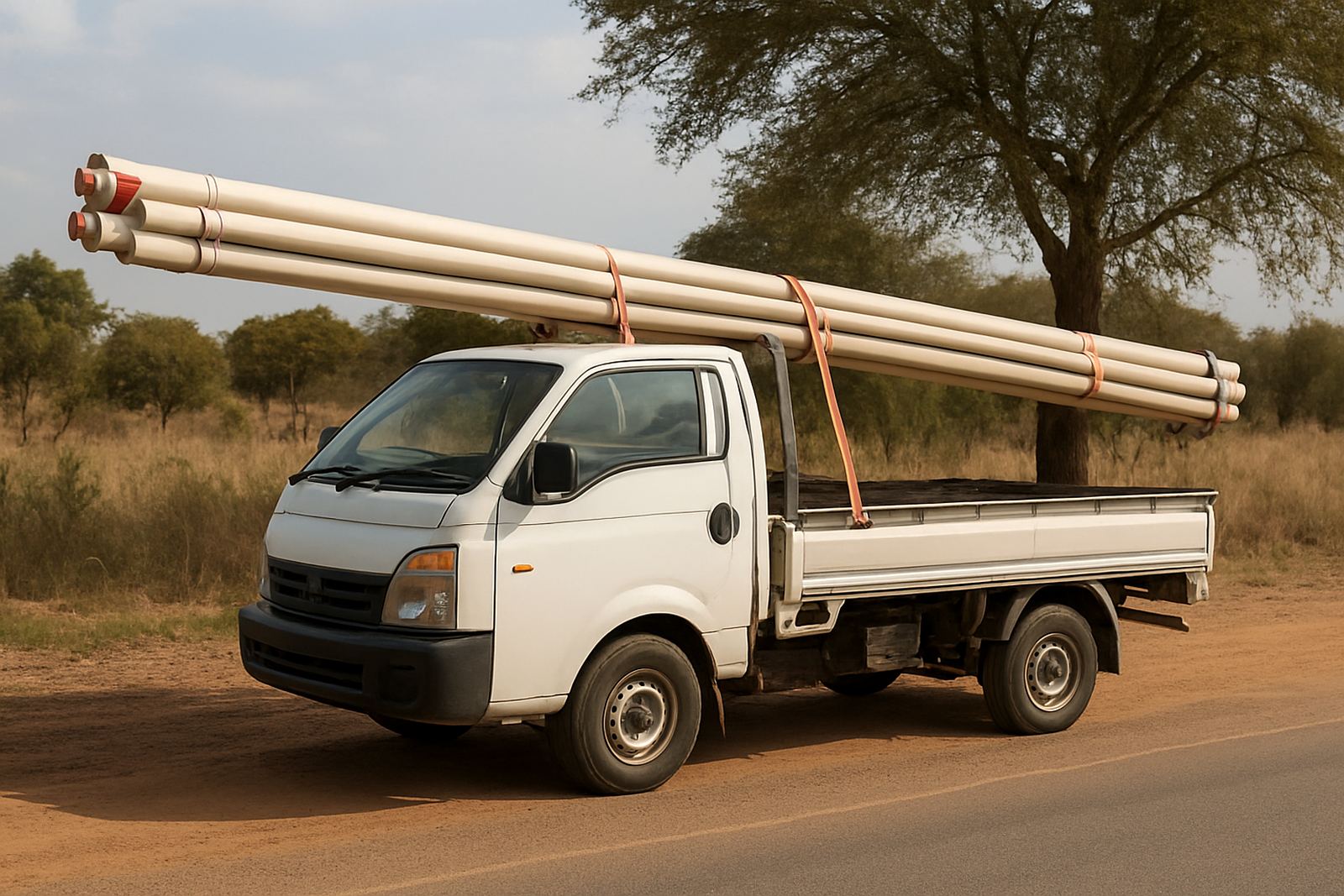
Where stock is trucked across Limpopo, order planning matters. The better the coupler count is checked before dispatch, the less likely the crew is to stop mid job looking for one more joint.
What to check before you choose a coupler
Before selecting a coupler, check the pipe diameter, wall thickness, and the way the pipe is being used. A line that sits under constant pressure needs careful matching. A line that is opened and closed often, or exposed to repeated movement, needs a joint that is sized and prepared correctly from the start.
It is also worth checking the soil and exposure conditions. In coastal humidity, a fitting may face more moisture over time, while inland sun and heat can be the bigger challenge. On farms, a coupler may need to cope with vibration near pumps or occasional flex in shallow runs. Good preparation is what keeps a simple join from becoming a weak point.
- Measure the pipe size on site, do not guess from memory.
- Check whether the line is a main feed, branch line or repair section.
- Plan for the right number of joins so the job is not held up halfway through.
- Use proper jointing advice when working on older pipework or mixed installations.
How couplers support contractors and repeat farm orders
Contractors and farm managers often come back to the same coupler sizes because irrigation layouts tend to repeat across blocks, sheds and boundary runs. That makes stock reserving and repeat order support especially useful when the same sizes are needed on different sites. Keeping a record of the common pipe sizes on a farm saves time on future jobs and reduces waste from buying the wrong mix.
For teams working under pressure, couplers are also one of the easiest fittings to overlook until the job is already underway. A good stock plan includes the most common equal sizes, the reducing sizes used for transitions, and a few extras for repairs. With practical advice, it becomes much simpler to match the fitting to the line and keep the system moving.
At PVC Welders in Ladanna, Polokwane, that kind of product matching is part of the service. The aim is straightforward: help the client get the right coupler for the line, the pressure and the job, whether the order is going into a farm yard nearby or couriered further afield.
The simple fitting that saves time later
Couplers are small fittings, but they affect the whole irrigation layout. Equal couplers keep same-size pipe runs neat and easy to repair, while reducing couplers make size changes possible without a messy workaround. When they are chosen properly, the line installs faster, the join holds better, and maintenance is less disruptive later on.
That is why the common uses are worth getting right from the start. Whether it is a new orchard block, a repaired mainline, or a branch line added to an existing farm system, the right coupler keeps the work practical and the water where it needs to go.