Why a reducing bush is the better answer for mixed pipe sizes
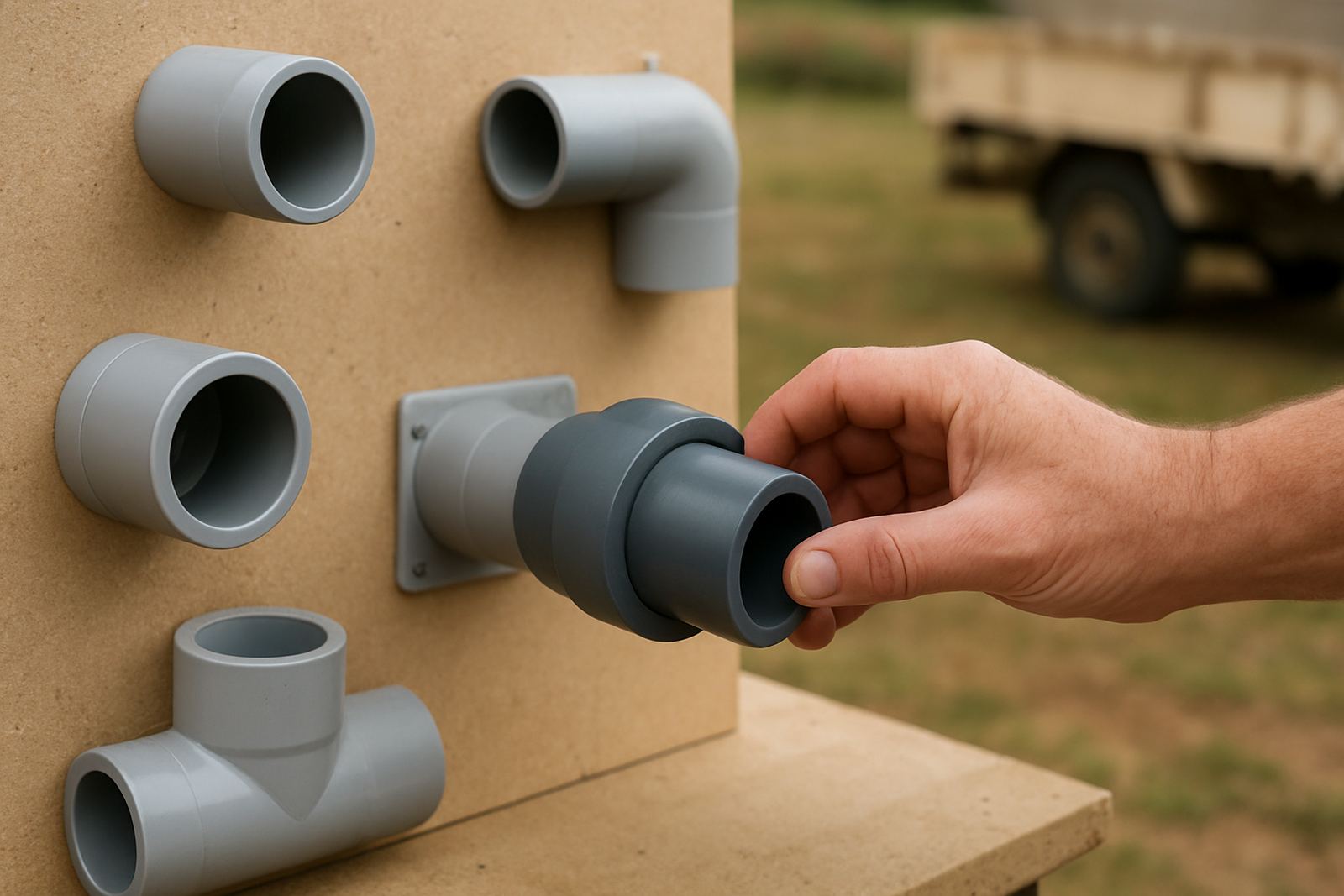
In irrigation systems, size changes happen all the time. A mainline may run in one diameter, then branch off to a smaller feeder line, or a pump outlet may not match the pipe size you are joining. A reducing bush gives you a controlled step-down inside the socket, so the change in size happens cleanly rather than with a loose, makeshift arrangement.
This matters because irrigation pipework is exposed to sun, vibration, pressure changes and regular handling. When the fit is right from the start, the joint is more likely to stay true, seal properly and cope with outdoor use. On farms around Polokwane and further out into Limpopo, that can mean fewer call-backs after a line has been laid in the heat and put under pressure by a tired borehole pump.
Where reducing bushes are commonly used on irrigation jobs
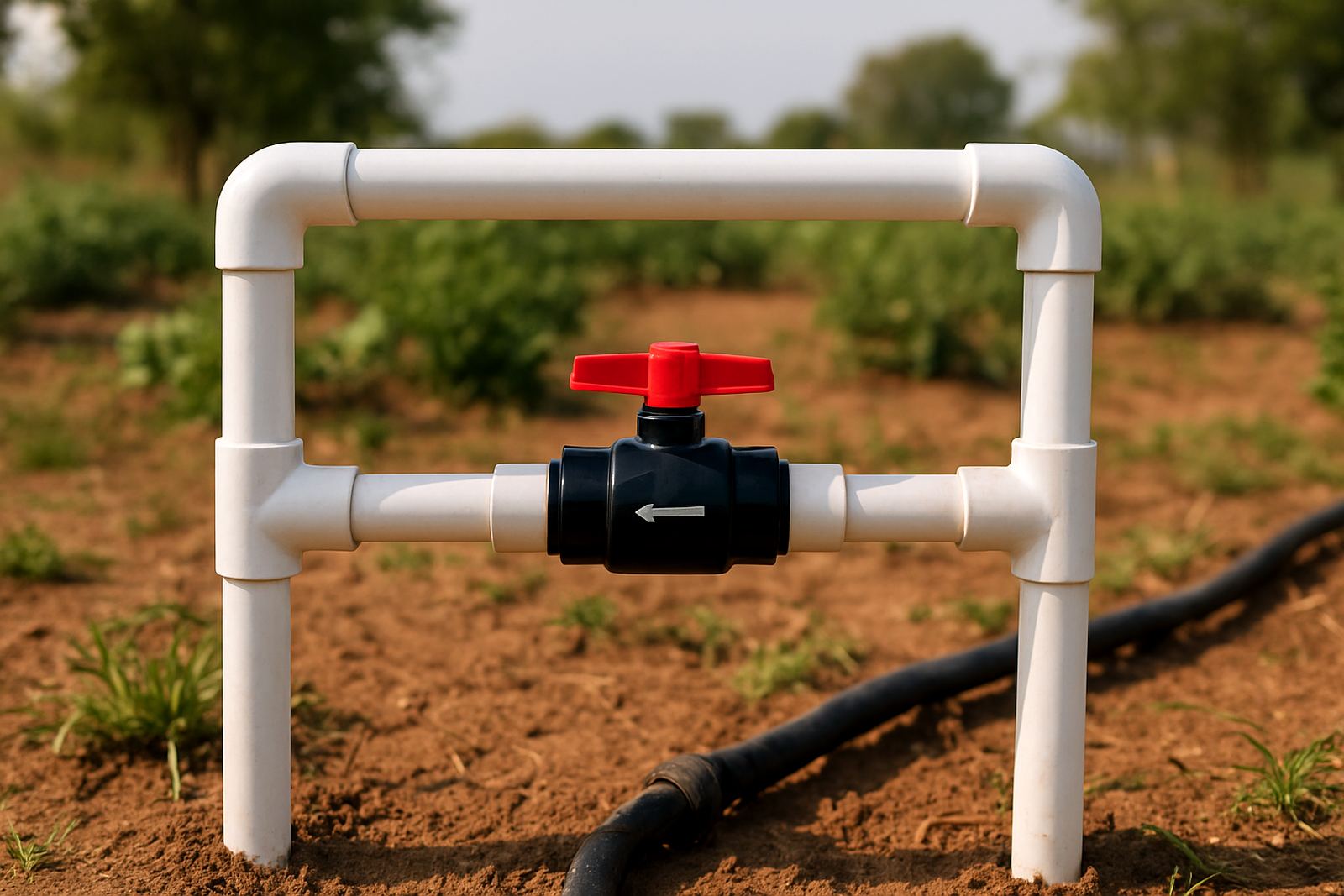
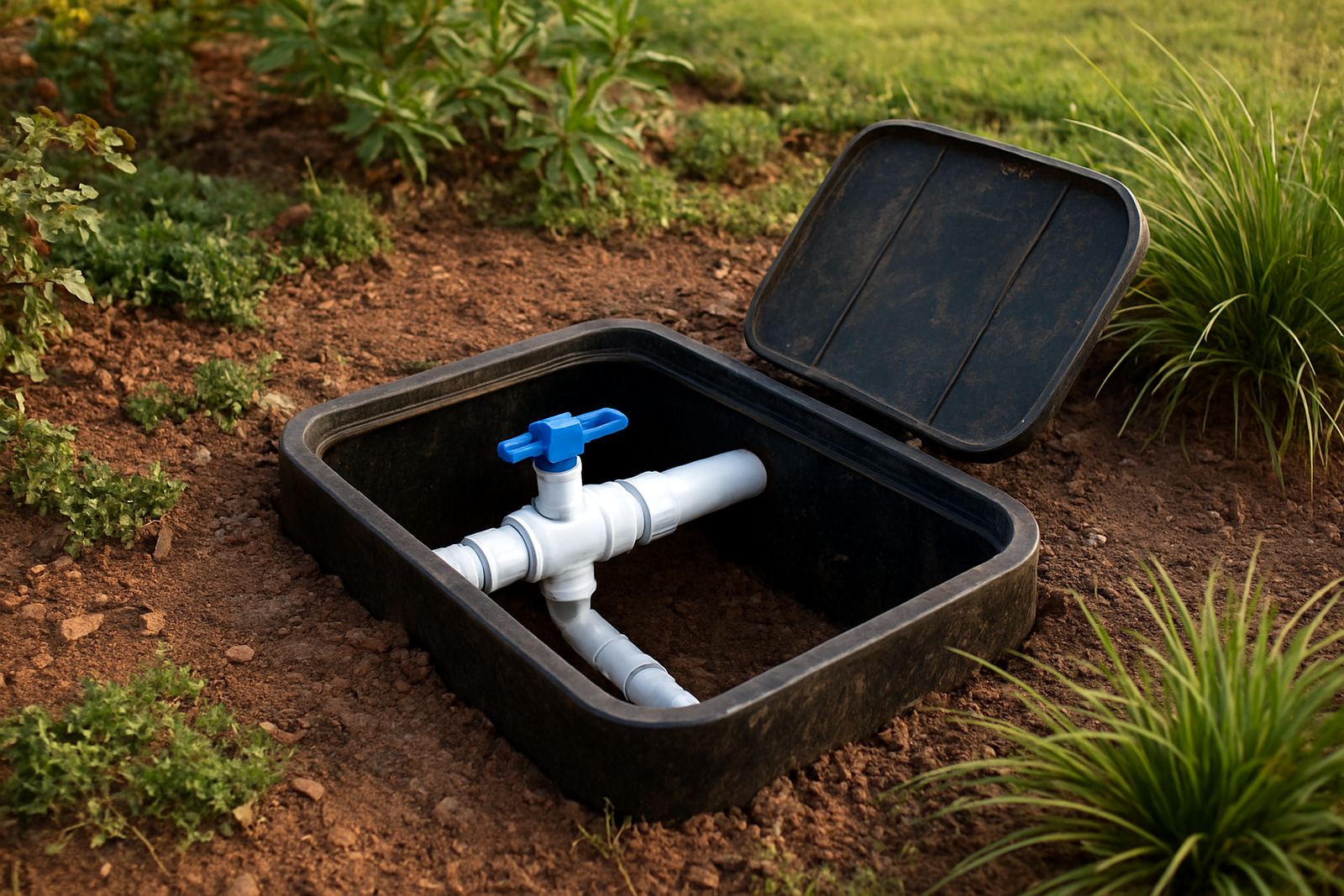
Reducing bushes are useful anywhere the system needs a smaller outlet, adaptor point or branch connection. They are not there to solve a bad layout, but to make a planned size change practical and tidy. Contractors often use them in pump rooms, along distribution lines and at valve assemblies where different components do not share the same socket size.
- Step-downs from a larger header line to a smaller branch line
- Connections where fittings and pipe sizes do not match exactly
- Valve and filter assemblies that need a smaller outlet size
- Repairs where a replaced section differs from the existing line
- Farm watering systems that need neat control points for smaller zones
For example, a citrus farm outside Tzaneen may run a larger main line to move water across the block, then reduce down to smaller lines feeding each irrigation zone. That step-down needs to be controlled, not forced, especially where the system will be opened and closed often.
Choosing the right bush size for the job
The most important step is matching the socket and pipe sizes correctly. A reducing bush should fit fully into the parent fitting and then accept the smaller pipe size without strain. If the bush is too tight, the joint can be difficult to assemble. If it is too loose, you may end up with poor alignment or unnecessary movement while the glue is curing.
Before you reserve stock or start solvent welding, check the actual pipe outside diameter and the socket size on the fitting. Do not rely on rough estimates, especially when older systems have been repaired over time. Field work around Lephalale often turns up mixed pipe runs where one section was replaced years back and the sizes are no longer consistent. A quick measurement saves a lot of grief later.
- Confirm the larger socket size first
- Confirm the smaller pipe or fitting size second
- Check whether the system uses pressure pipe or low-pressure irrigation lines
- Make sure the bush is intended for solvent-weld use
- Keep a record of repeat sizes for future maintenance orders
How to get a sound solvent-weld joint
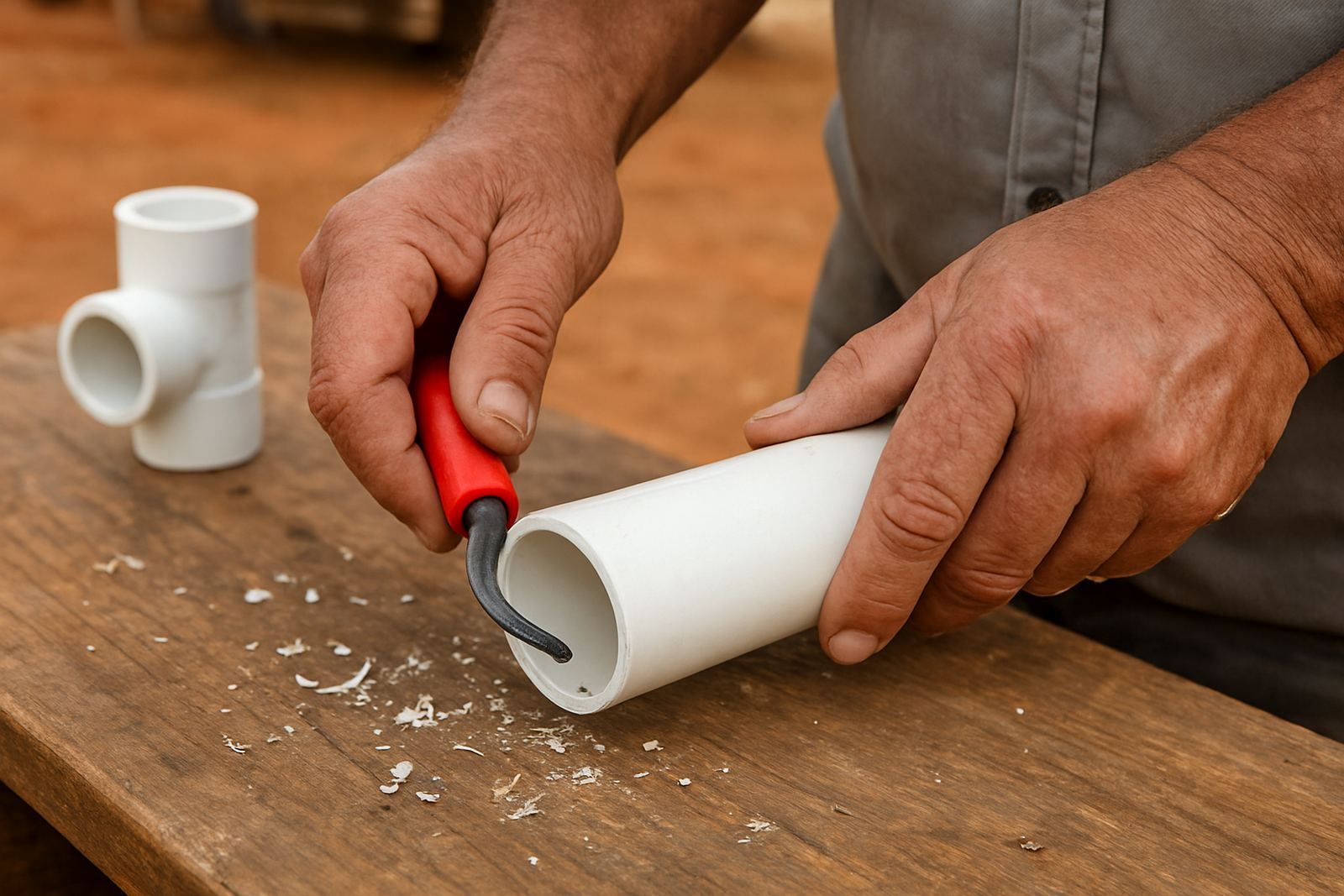
A reducing bush only does its job if the joint is prepared properly. Clean surfaces, correct application of solvent cement and enough insertion depth all matter. In dusty conditions, or on windy sites near open land, it is easy for grit to get onto the pipe end. That grit can weaken the bond if it is not wiped off before assembly.
Work methodically. Dry-fit the components first so you know the order of assembly. Mark the insertion depth with a pencil line. Then apply the solvent evenly, push the parts together in one motion and hold them steady for the recommended time. If the joint is twisted after insertion, you can disturb the bond. It sounds simple but on site, especially when the sun is beating down, people rush and later regret it.
- Clean the pipe end and socket before bonding
- Use the correct solvent for irrigation fittings
- Push fully home without repeated twisting
- Allow proper curing time before pressure testing
- Protect fresh joints from dust and movement
What goes wrong when the step-down is improvised
Some installers try to force together sizes that do not belong together, or they use a stack of extra fittings where one proper reducing bush would do the job better. That can create unnecessary restriction, uneven stress and more places for leaks to start. In a pressure line, every extra joint is another point that needs careful handling.
Badly managed step-downs can also make later maintenance harder. If the line needs to be opened for a repair, a messy fitting arrangement can take longer to strip out and replace. That is why it helps to plan the reduction before the pipe is cut. It keeps the joint neat, and makes future maintenance easier. On larger agricultural systems, a cleaner layout also helps the next technician understand what was done.
There is also the matter of flow. A correct reduction is one thing, but an abrupt or poorly chosen transition can affect performance at the outlet. If a block in Thohoyandou is already running long pipe runs, poor sizing choices can make balancing the system harder than it needs to be.
Practical ordering tips for contractors and farms in Limpopo
For farms, landscapers and contractors, reducing bushes are worth ordering with the rest of the fittings plan. That way you are not leaving a job half done because one odd size is missing. Stock planning is especially useful where deliveries must travel between Ladanna, Mokopane, Tzaneen, Hoedspruit or further out, because a forgotten bush can hold up the whole installation.
When you are planning repeat work, keep note of the sizes used most often on your sites. That helps with stock reserving and quantity checks before the job starts. If you are running multiple zones or working across several farms, a simple size list saves time and avoids extra courier costs. It is also sensible to keep a few spare reducing bushes in the vehicle for emergency repairs after hours or during load-shedding changes that interrupt planned pumping times.
- List the mainline and branch sizes before ordering
- Keep spare bushes for common repair sizes
- Match each bush to the intended solvent-weld fitting
- Separate stock for new installs and maintenance jobs
- Check delivery timing if the site is in a remote area
A cleaner step-down means fewer call-backs
Reducing bushes are small parts, but they do an important job in irrigation systems. They make size changes predictable, support tidy jointing and help keep the system practical to service later. When the fit is right, the whole line feels better planned from the pump house to the last outlet.
If you are setting up a new line or repairing an old one, it pays to choose the reduction properly instead of forcing the sizes together. That is usually where trouble starts. A well-chosen bush does not draw attention to itself. It simply lets the water move where it should, through a joint that is ready for outdoor use and the everyday wear of farm work.