
Why Isolation Points Belong in the First Design
Every irrigation line should be planned with maintenance in mind, not only with water flow in mind. An isolation valve gives you a clean way to shut off one part of the system while the rest stays operational, which is a real help on farms where a stopped pump or a burst line can set back the day.
On vegetable blocks, orchards, nurseries and sports fields, staged shutdowns are often the difference between a quick fix and a full disruption. In Polokwane and across Limpopo, where many systems run long hours and the weather can swing from dry heat to heavy summer storms, a good isolation layout helps you manage repairs without wasting water or overworking staff.
- Separate main zones from sub-zones so only one section is taken offline.
- Place valves where crews can reach them without digging through planted rows.
- Keep isolation points close to pumps, filters, manifolds and long feeder runs.
- Allow for future expansion, because many systems grow in stages.
Where Isolation Valves Usually Pay Off Most
There are a few places where isolation valves are worth installing every time. The first is at the pump discharge, so the pump and downstream line can be worked on safely. The second is before and after filters, especially where sand, grit or algae build up under pressure. The third is at branch points, because that is where you usually want to narrow a fault to one section only.
In a citrus block near Tzaneen, for example, an installer might isolate each main row header and the filter bank separately. That way, if one valve or joint needs attention, the crew can keep the rest of the block watering. It sounds simple, but it saves hours. It also makes fault finding much easier, since pressure loss can be traced section by section instead of across the whole network.
- Pump outlet and pump house line.
- Filter inlet and filter outlet.
- Main header before each irrigation block.
- Long feeder lines that cross roads, servitudes or open ground.
How to Match the Valve Position to the Work Pattern
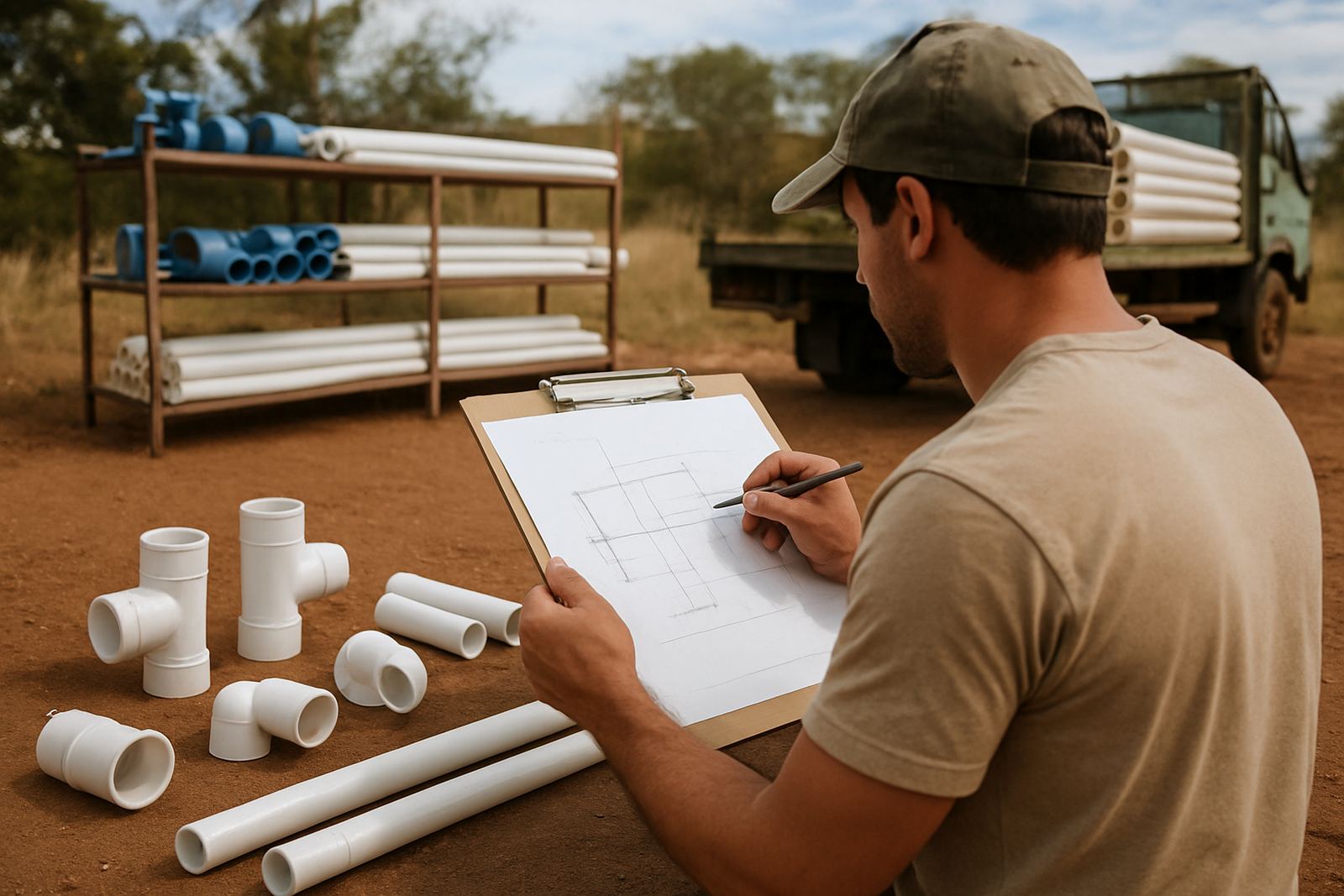
Not every site needs the same spacing of isolation points. A farm that irrigates in long shifts may only need valves at the main headers and filter stations. A nursery with frequent layout changes may need more control points so sections can be swapped or repaired without disturbing the whole block. The trick is to map the way water is actually used, then decide where shutdowns are most likely.
Think about who will use the system too. If contractors or farm teams need to do quick repairs before sunrise, the valve should be easy to reach, clearly marked, and protected from accidental damage. In some yards, a valve can be buried too deep or placed behind a wall of pipes and fittings, and that turns a simple job into a long one. A little planning here goes a long way, honestly.
- Mark valves clearly so staff know which section each one controls.
- Keep access clear for tools, replacement fittings and inspection.
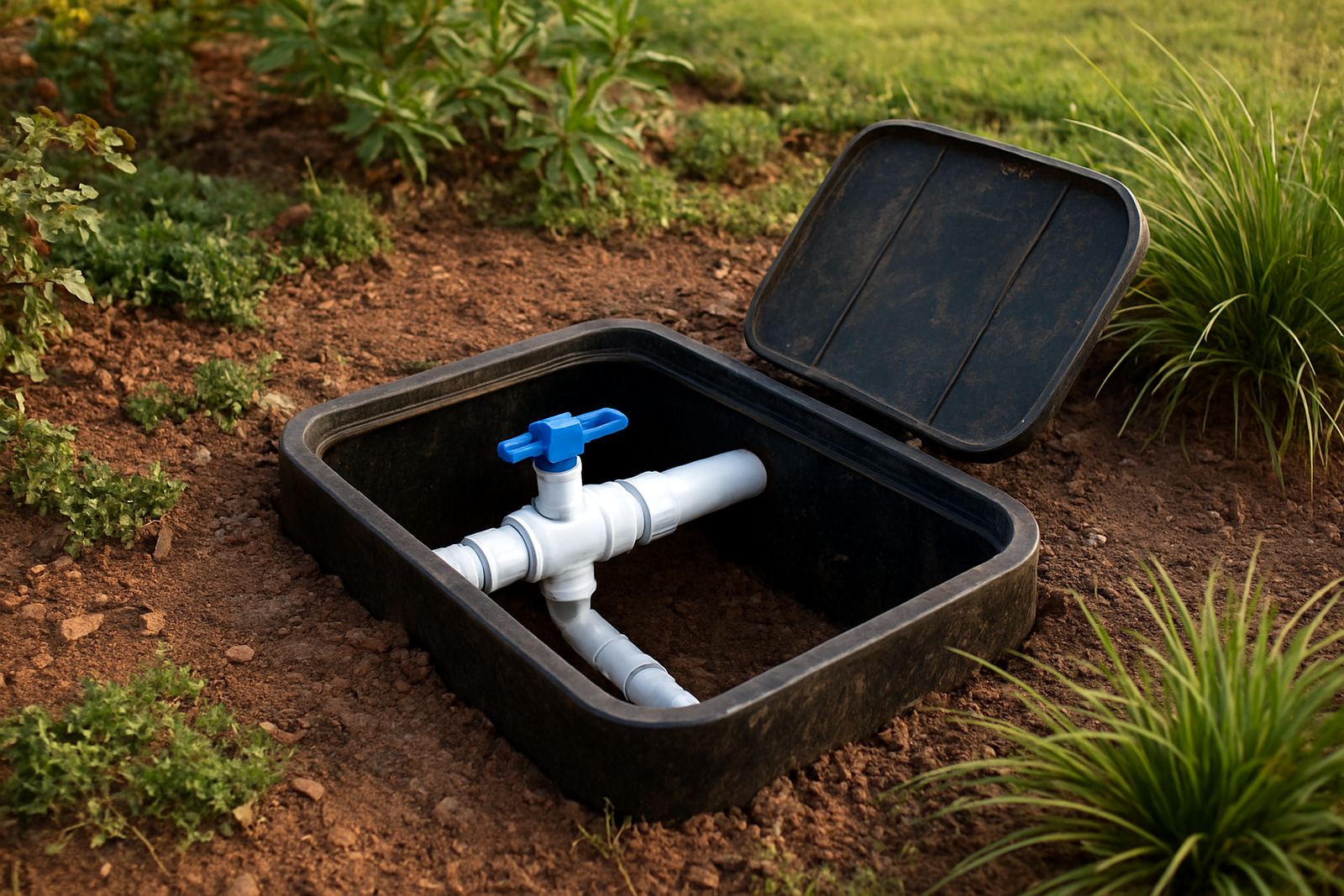
- Use valve boxes or covers where soil movement and traffic are likely.
- Plan for night repairs and load-shedding, when work often happens in shorter windows.
What Happens When Isolation Points Are Missing
Without proper isolation, one cracked fitting can empty a much larger part of the system than necessary. That means more water loss, more pressure drop, and more time spent shutting down pumps or draining lines. On larger farms, it can also mean staff waiting for the whole system to come back online when only one block actually needed attention.
Missing isolation points can also make scheduled maintenance harder. Cleaning filters, replacing a valve, or checking a buried joint becomes a bigger task if the whole line must be stopped. In coastal areas, where humidity and soil conditions can speed up wear on exposed parts, this kind of delay can turn a small issue into repeat damage. Fewer shutdown points usually means less strain on the line and less panic on the day.
Practical Fitting Choices That Support Easy Shutdowns
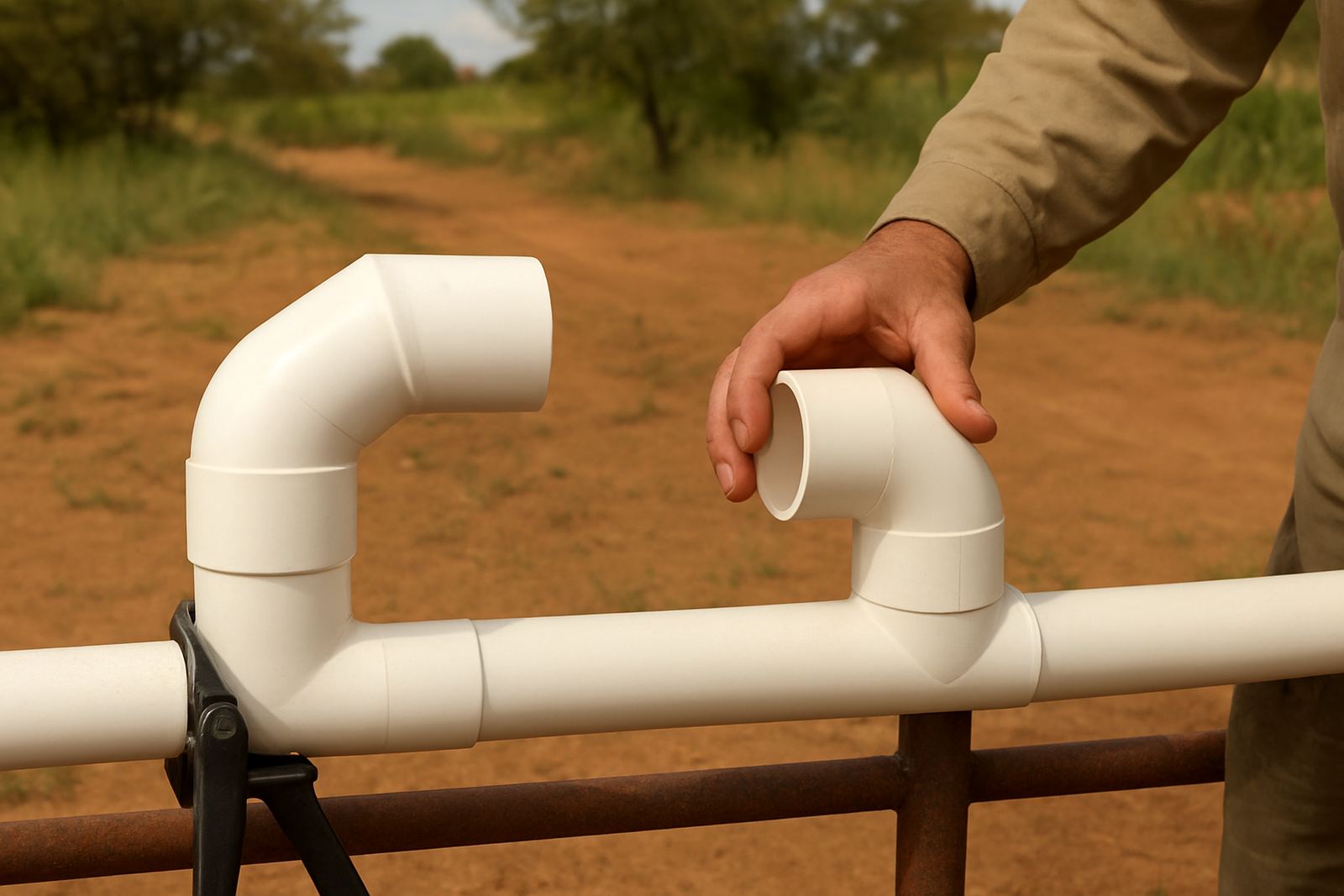
The fitting itself matters as much as the valve position. Solvent-weld joints should be clean, well aligned and allowed proper set time before pressure is applied. If the line is under strain, the valve body can twist slightly and create future leaks. Good support, straight pipe runs and enough working room around each isolation point all help the system stay serviceable.
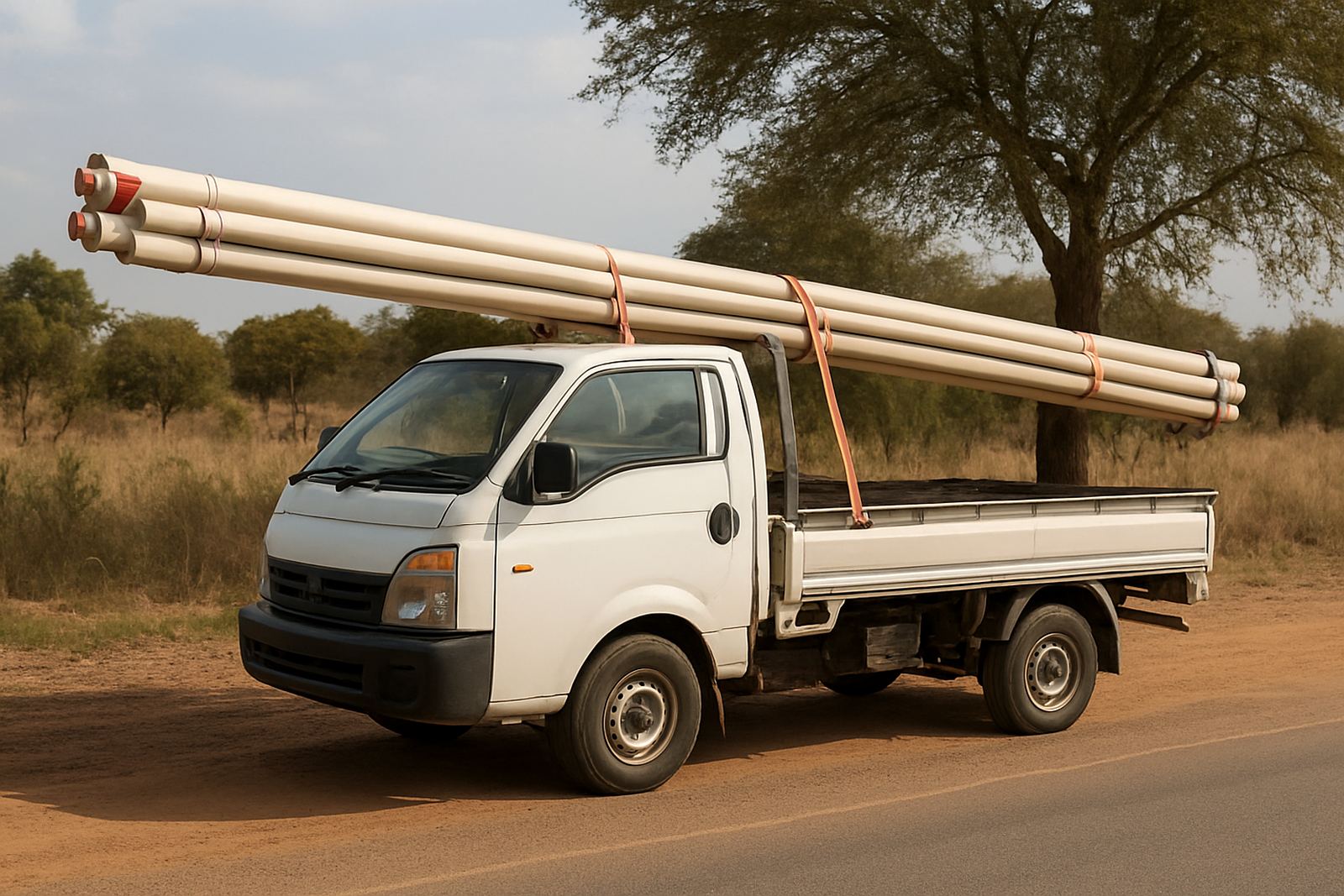
For crews working in the field, it is also worth keeping spare couplers, elbows, adapters and cutting tools with the job stock. That way, once a section is isolated, the repair can be completed without waiting for another trip. On busy irrigation schedules, that can make the difference between finishing the job before sunset or dragging it into the next day.
- Check that the valve is rated for the line size and working pressure.
- Leave enough straight pipe for future replacement.
- Use supports so the valve is not carrying pipe weight on its own.
- Keep spare repair fittings close to the site, especially on large properties.
A Limpopo Example of Better Staged Repairs
A mixed-use property outside Polokwane had a main line feeding blocks of trees, shade cloth beds and a small production area. The original layout had only one shutoff point near the pump, which meant any repair stopped the whole site. After the line was divided into clearer sections, the team could isolate the problem block and keep the rest running while they fixed a leaking joint. It cut downtime and made routine checks much less disruptive.
That sort of result is common when isolation points are planned early. The site does not need more valves everywhere, it needs valves in the right places. Once that is sorted, maintenance becomes more orderly, water losses are easier to control, and the system is less dependent on perfect timing. For farms around Ladanna, Mokopane, Tzaneen and beyond, that kind of control is worth a lot.
Choosing Valves and Advice Before You Order
If you are planning new irrigation work or revising an old layout, it helps to check the full system before placing an order. Pipe size, pressure, crop type, soil movement and the way crews access the land all affect where isolation points should sit. A quick product check can save a costly reposition later on.
PVC Welders supplies irrigation fittings and tools for farmers, landscapers and contractors across Limpopo and nationwide. From stock reserving and quantity checks to jointing advice, repeat orders and troubleshooting support, the right setup is easier to build when the sections are matched properly from the start.