Start With the Water Source And the Real Route
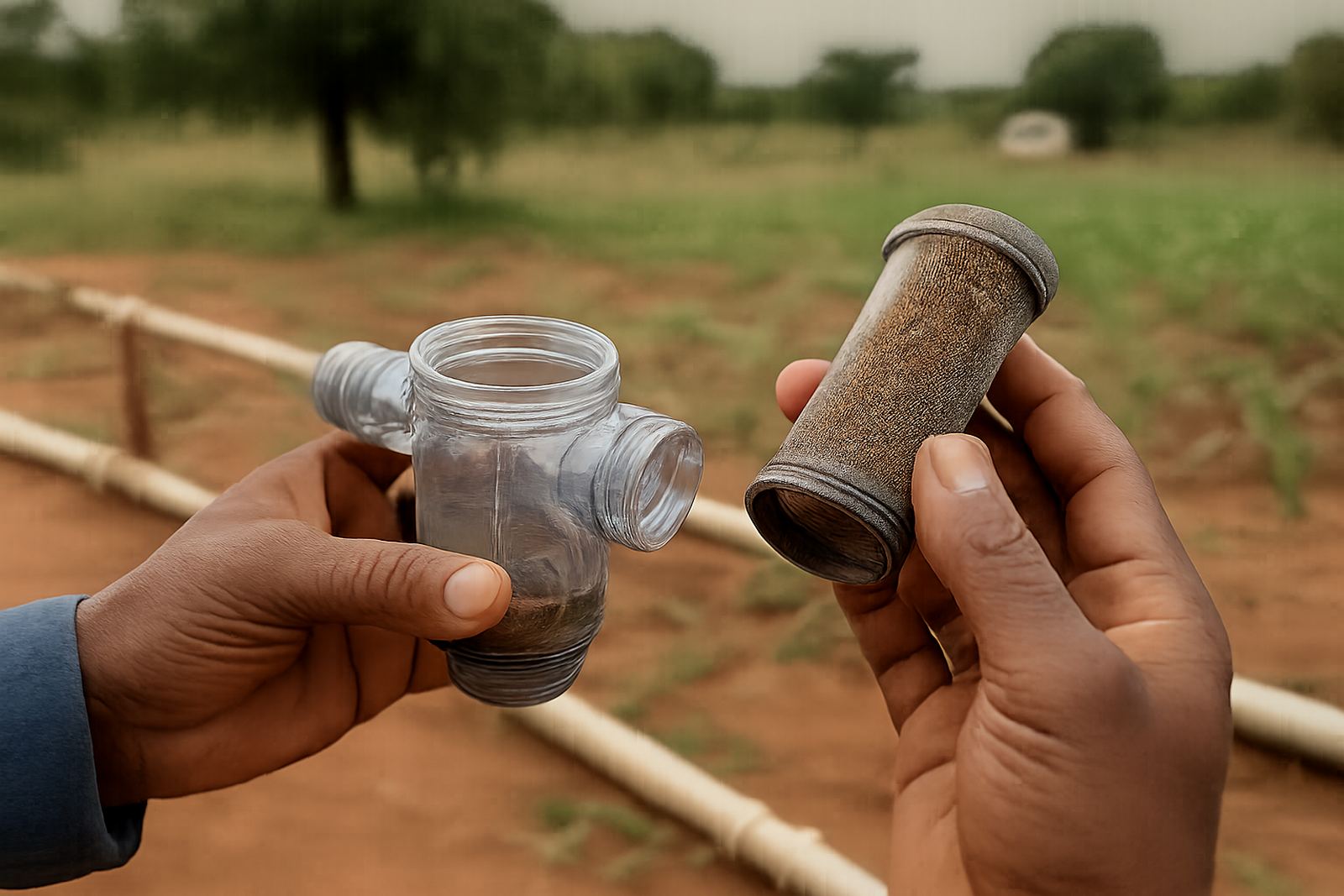
Before you cut a single pipe, walk the site from the water source to the last point that needs water. A branch line should suit the ground, not fight it. On a farm outside Polokwane, that may mean following contour lines, working around roads, dipping pans, fences and workshop yards instead of forcing a straight run that needs extra elbows and joins.
Look at where the pressure is coming from, where it needs to go and what can damage the line later. Sun exposure, vehicle crossings, livestock, rocky ground and low spots all matter. In Limpopo heat, a short route with fewer fittings usually lasts better than a longer one that looks tidy on paper but is awkward in the field.
Match Pipe Size to Flow Before You Split the Line
Branch lines fail when the pipe size is chosen after the layout is already fixed. If the main line is moving a decent volume, then every split must be planned so the smaller lines still carry enough flow for the sprinklers or drip zones they feed. Too many changes in size can choke the system and create pressure differences between zones.
As a rule, plan the branch line around the demand of the zone, not just the distance. A shorter run with heavy demand may need a different fitting layout from a longer run feeding lighter sections. This is where proper product selection saves money, because the right size pipe and matching fittings often remove the need for extra reducers and patchwork changes later.
- Check the flow needed at each zone before choosing fittings.
- Keep size changes to a minimum where possible.
- Allow for future expansion if more rows or beds may be added.
- Use the same sizing logic from the valve point to the last outlet.
Use Fittings to Solve Problems, Not Create More of Them
Every extra elbow, tee or coupling adds cost and another possible weak point. That does not mean fittings should be avoided, only that they should be used with purpose. On a branch line, the main job of each fitting is to change direction, split flow or join sections neatly without stressing the pipe. If you can keep the run straight, do it. If you cannot, choose the fitting that keeps flow conditions sensible.
In practice, this means thinking through the route before making cuts. A well placed tee can serve two beds cleanly, while a series of short bends may leave the line under strain and harder to service. In dusty inland areas, and even more so near the coast where humidity can work into joints, careful jointing matters. A poor joint may hold today and start giving trouble after the first hot cold cycle, which is never nice when the crop is already in place.
- Keep branch take-offs at sensible angles where possible.
- Use unions where future maintenance is likely.
- Avoid forcing pipe into position to make a fitting line up.
- Leave enough working space around each joint for future repairs.
Plan for Pressure Differences Across Long Plots
Long branch lines across uneven land can water one section properly and underfeed the next. That is a common issue in and around places like Tzaneen, Hoedspruit and Lephalale where sites may rise and fall over a fair distance. If the first zone takes too much pressure, the last one may perform poorly even though the same pump is doing the work.
The answer is not always a bigger pump. Often it is a better branch layout. Shorter branches, separate zones and cleaner routing can make the system easier to balance. If the site has a long main run with several offshoots, think about where each branch should start so the water reaches the far end with enough pressure. That kind of planning reduces complaints later and helps the whole system run steadier when demand changes through the season.
Reserve Stock and Check Quantities Before the Trenching Starts
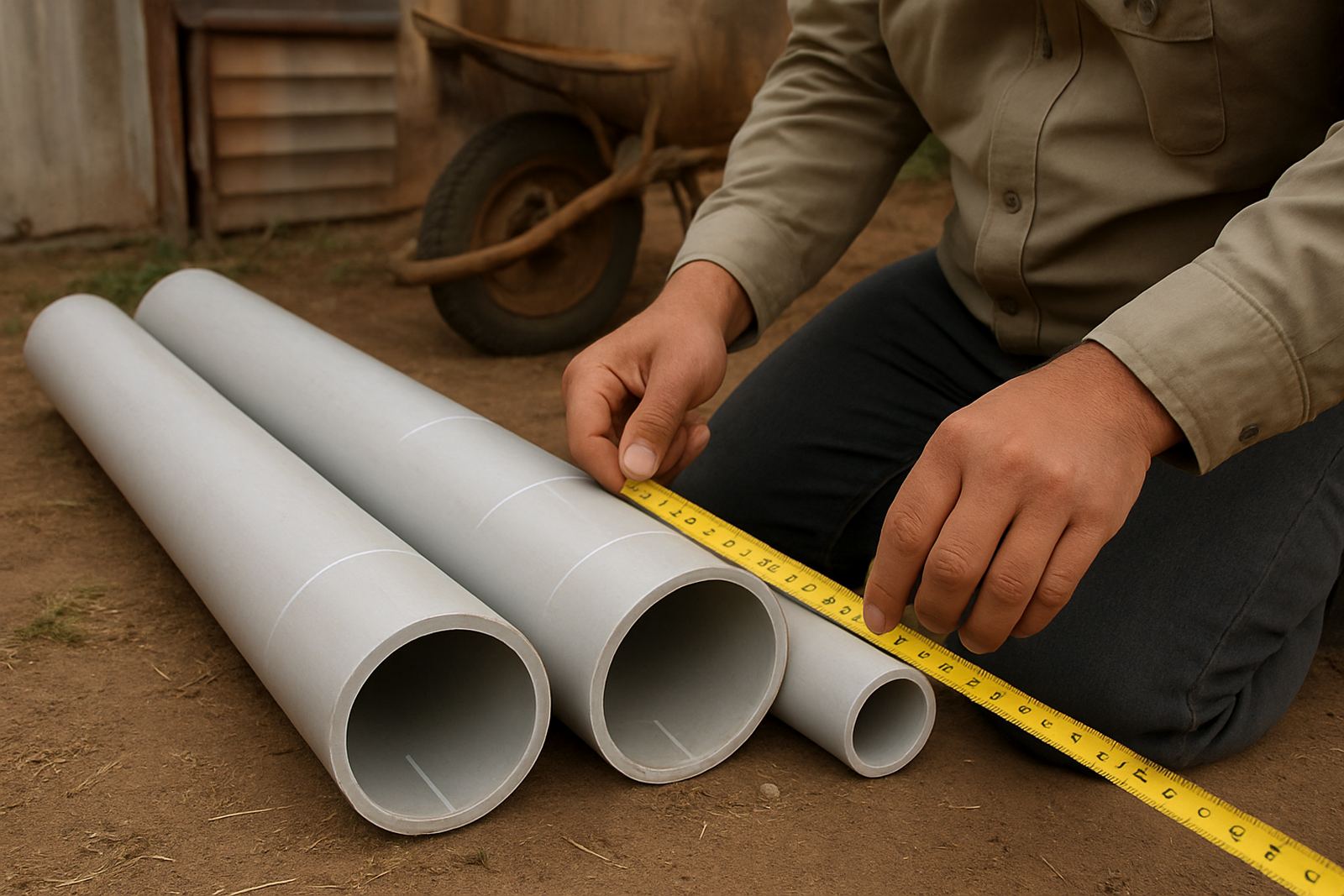
Once trenching begins, delays become expensive. A missing tee or a wrong size coupling can stop a crew for half a day while everyone waits. That is why quantity checks matter before the team starts digging. Count every branch fitting, clamp, joiner, valve connection and end cap, then allow a small reserve for breakage or last minute changes. It sounds basic, but it saves money on labour and travel.
For contractors working across Limpopo, it also helps to separate the order by area. A farm in Mokopane may need a different load from a school project in Thohoyandou or a landscaping run in Polokwane. If the stock is already set aside and checked, the crew can load once and get on with the job. No one wants to send a truck back for a single fitting because the branch count was not checked properly.
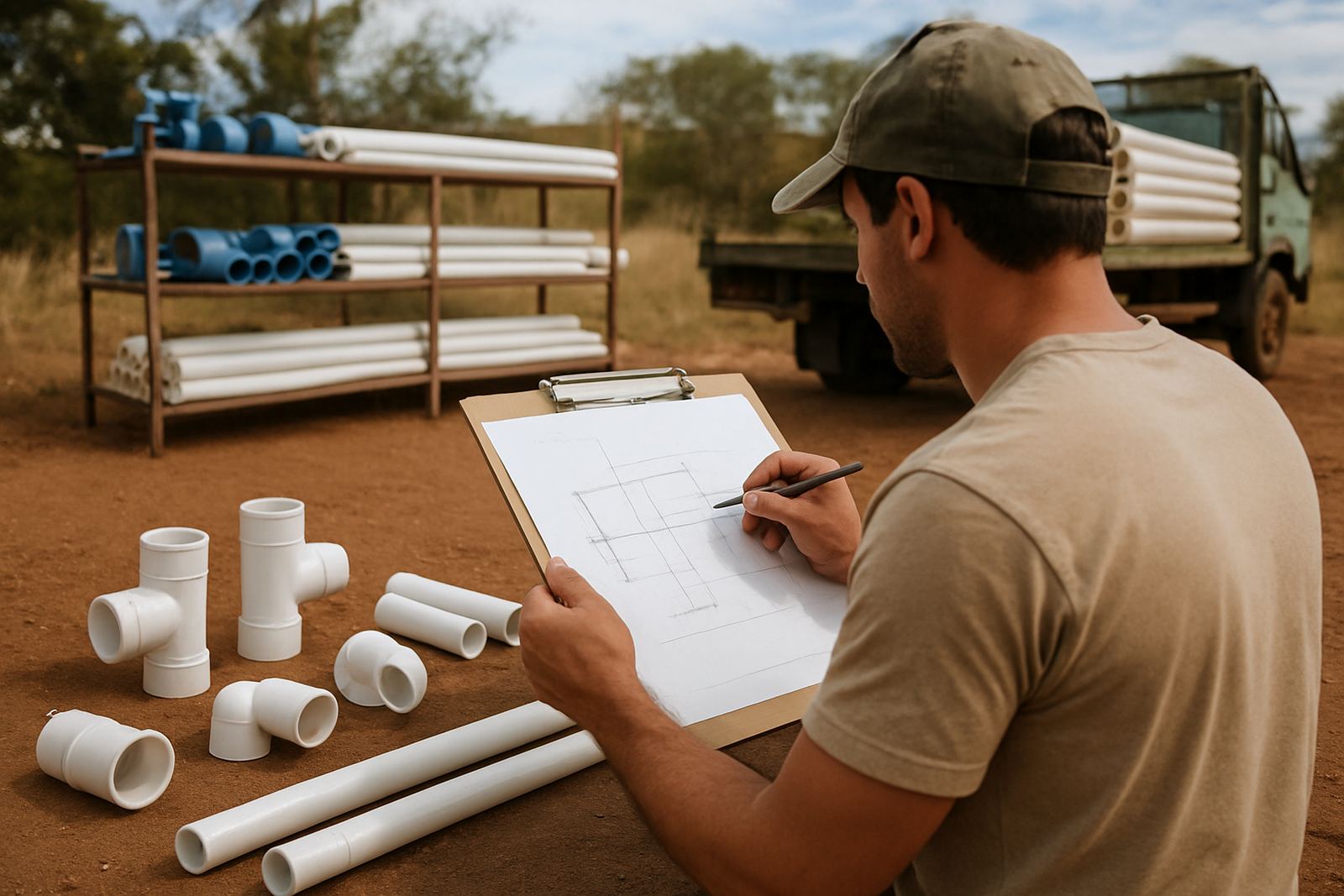
- Count fittings against the actual layout drawing or site sketch.
- Keep spare solvent, cleaning materials and the correct tools on hand.
- Set aside extra fittings for repairs and adjustments.
- Confirm the branch list before the trenches are closed.
Jointing and Testing Make the Difference Between Neat and Reliable
A clean branch layout is not useful if the joints are rushed. Solvent-weld work needs clean ends, proper preparation and enough curing time before pressure testing. If the line is pressurised too early, the joint may fail at the weakest point and the fault can be hard to trace once the trench is covered. That is why jointing advice and troubleshooting support are worth taking seriously.
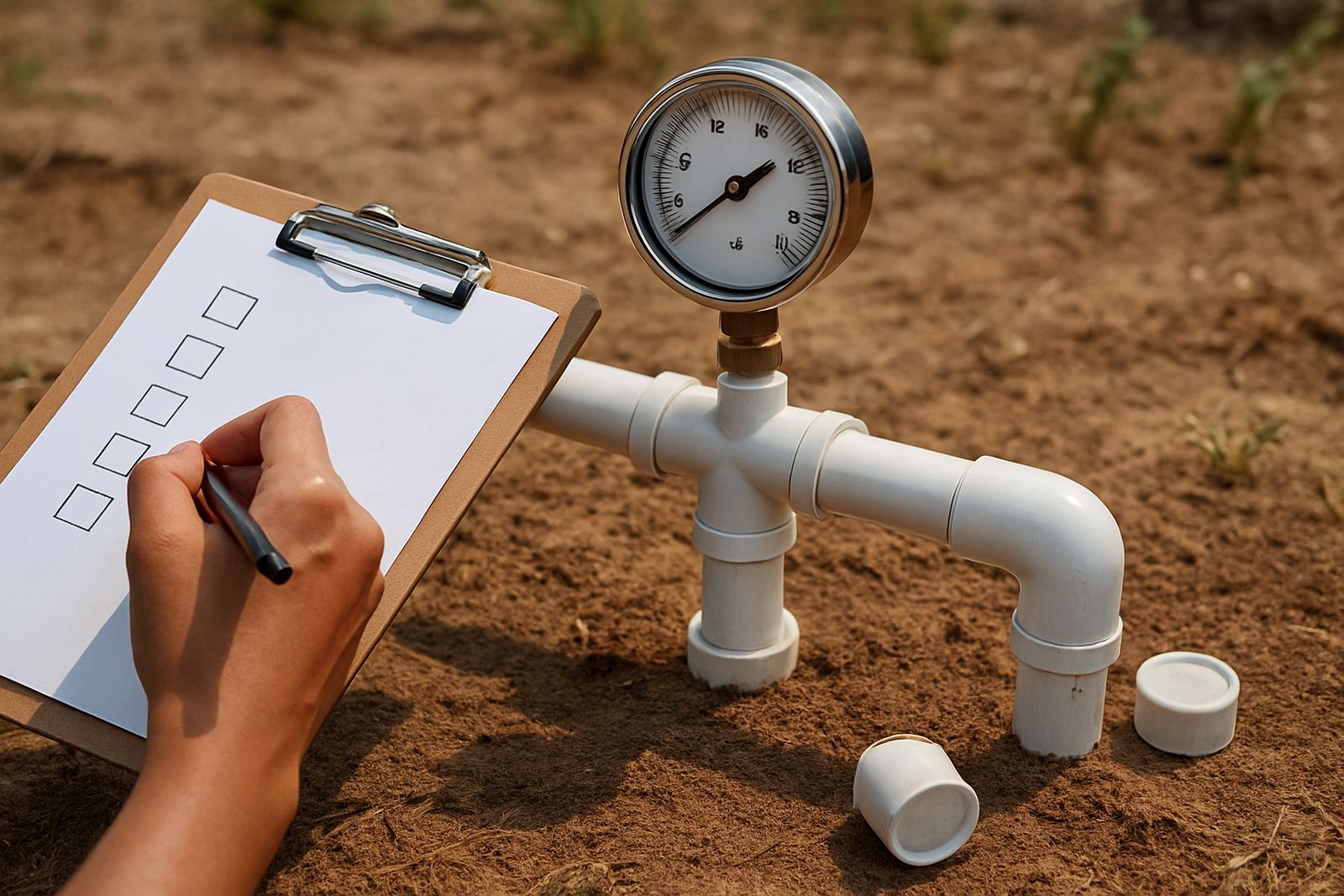
After assembly, test each branch before moving on to the next section. Watch for drips at the take-off, joins that weep under pressure and areas where a pipe has been twisted to fit. This stage is where you catch the small issues that become big ones later. A careful test today can prevent a repair next week when water use is at its highest and the schedule is already full.
A Simple Limpopo Example: Less Guesswork, Fewer Returns
A contractor working outside Polokwane once had a branch layout that looked simple at first glance, but the site had a slight slope, a service yard crossing and two crop blocks with different water needs. The first plan used too many fittings and left the far block underfed. After the route was rethought, the branch lines were shortened, the take-offs were moved and the fitting count came down. The result was easier installation, better flow balance and less time spent correcting awkward joins. It was not fancy, just better planning.
That is the point of branch line planning. It helps you avoid awkward routing and unnecessary fittings while making the whole system easier to maintain later. Whether the order is for a small irrigated garden or a large farm run, the best outcome usually comes from matching the pipework to the site, not forcing the site to suit the pipework.
For supply, reserving stock, courier dispatch or contractor account support, the practical route is to match the parts to the plan before work starts. That way the branch line does its job from day one, with less waste and fewer call-backs.