
Why a Non Return Valve Matters in Irrigation
A non return valve allows water to pass forward through the line and stops it from running back the other way when pressure drops. In irrigation, that simple action helps protect pumps, keeps prime in place, and reduces the chance of dirty water moving back into clean sections of the system.
On a farm line or landscape system, backflow can happen when a pump stops, when a line is drained for maintenance, or when there is a sudden pressure change. If the pipework is long, uneven, or full of elevation changes, the risk is even higher. That is why these valves are used on many practical installations, not just on large commercial sites.
Where Backflow Control Usually Fits
The exact position depends on the layout, but non return valves are often fitted close to pumps, after filters, or on lines feeding different irrigation zones. They are also used where water may drain back from a higher point into a lower one. In some cases, more than one valve is needed if the system has several branches or a long rising main.
- Near a pump discharge line to help keep prime
- After filtration where pressure loss must be managed
- On vertical runs where water can fall back quickly
- On separate zones that should not equalise pressure
- On tank fill or transfer lines where reverse flow can cause trouble
For contractors, the key is not just fitting a valve anywhere it will physically go. It must be placed where it can work with the system pressure and still be easy to inspect later.
Choosing the Right Type for the Job
Non return valves are not all the same. Some are designed for light duty garden use, while others are made for heavier irrigation work, frequent cycling, and rough outdoor conditions. The right choice depends on pipe size, flow rate, operating pressure, and the quality of water moving through the line.
For irrigation around Polokwane, Ladanna, and the surrounding Limpopo areas, heat and dusty conditions can put fittings under steady strain. Along the Lowveld and in coastal humidity further afield, fittings also have to cope with moisture and corrosion around nearby hardware. A good match matters becuase an undersized valve can chatter, restrict flow, or wear out too soon.
- Check pipe size and connection type before ordering
- Match the valve to the working pressure of the system
- Consider debris in borehole or dam water
- Use materials suited to outdoor exposure
- Think about maintenance access before final installation
Signs the Valve Is Not Working Properly
When a non return valve starts to fail, the symptoms usually show up in the system, not in the fitting itself. A pump may lose prime overnight, pressure may drop when a zone stops, or water may drain back into a tank or line after shutdown. In more serious cases, contamination risk increases because water can move in the wrong direction.
Common issues include a stuck flap, worn seal, debris caught inside, or a valve installed the wrong way around. Some sites also run into trouble because the valve is too small for the flow, so it never closes cleanly. That can create noise, vibration, and slow damage to surrounding fittings.
- Pump loses prime after being switched off
- Water hammer or knocking sound in the line
- Backflow into the tank or feed line
- Uneven pressure between zones
- Visible leaks around the valve body or joints
A Local Example from a Limpopo Irrigation Line
A practical example comes from a mixed crop farm outside Polokwane where a pump line fed several blocks over a rising slope. The team was dealing with regular loss of prime after load-shedding interruptions, and the restart time was becoming a problem. A correctly placed non return valve near the pump, plus proper line support, helped keep water in place so the system could recover faster after power returned.
That sort of setup is common across Limpopo where irrigation lines may run a fair distance between water source and crop blocks. In those conditions, a small fitting can save a lot of time and wasted water, especially when the line is switched on and off several times a day. It also reduces wear on the pump, which is worth attention on any busy farm.
Fitting Tips That Save Trouble Later
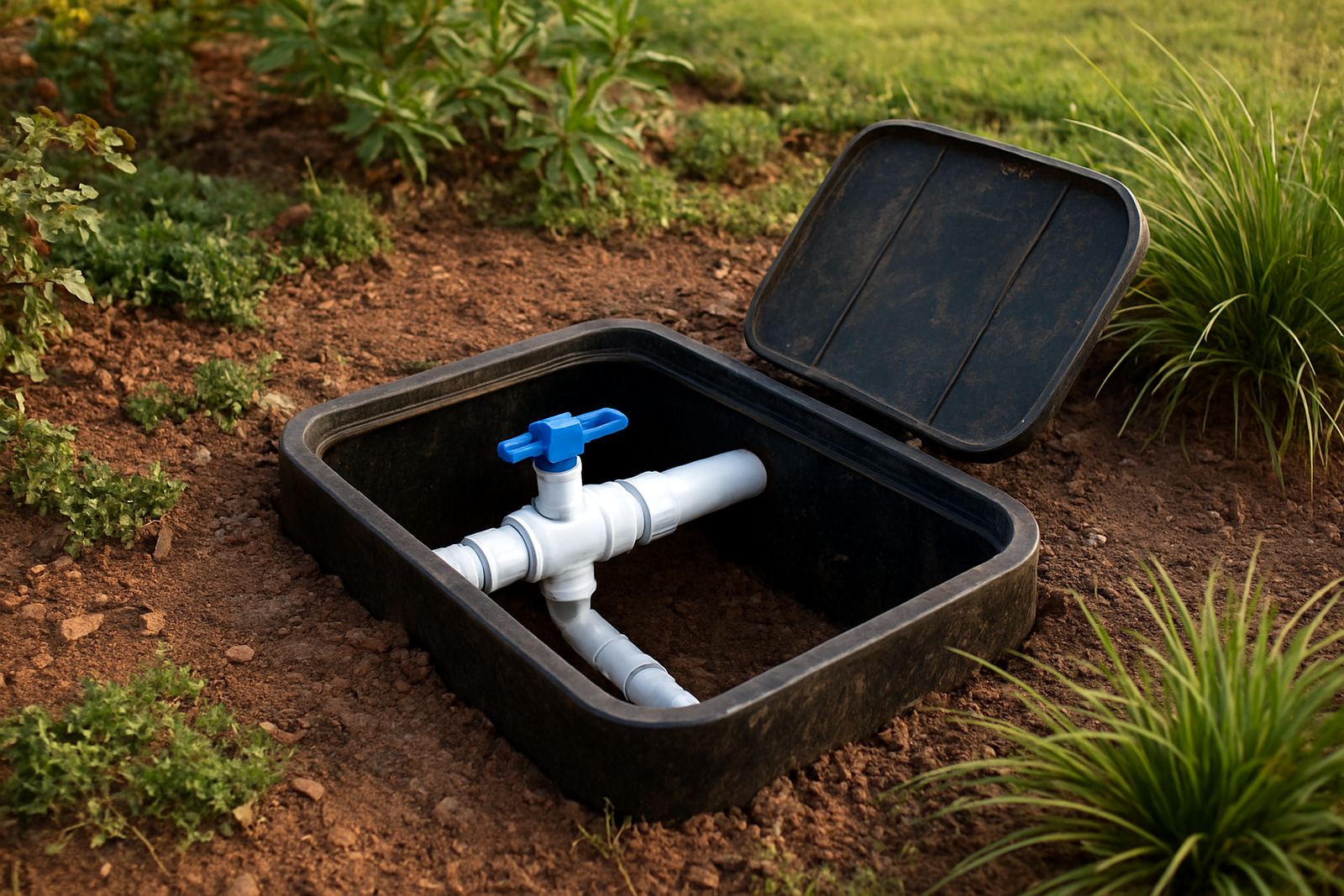
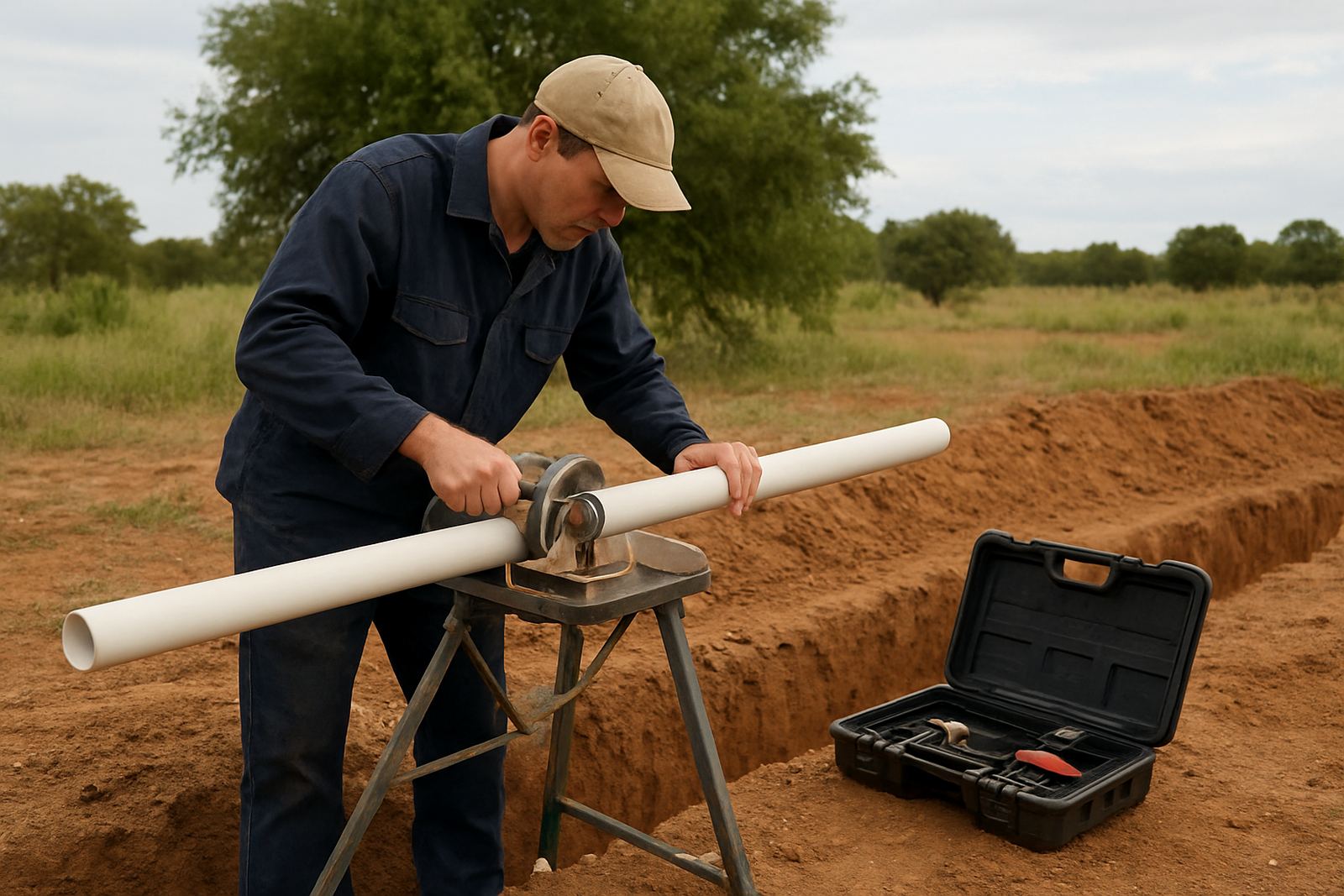
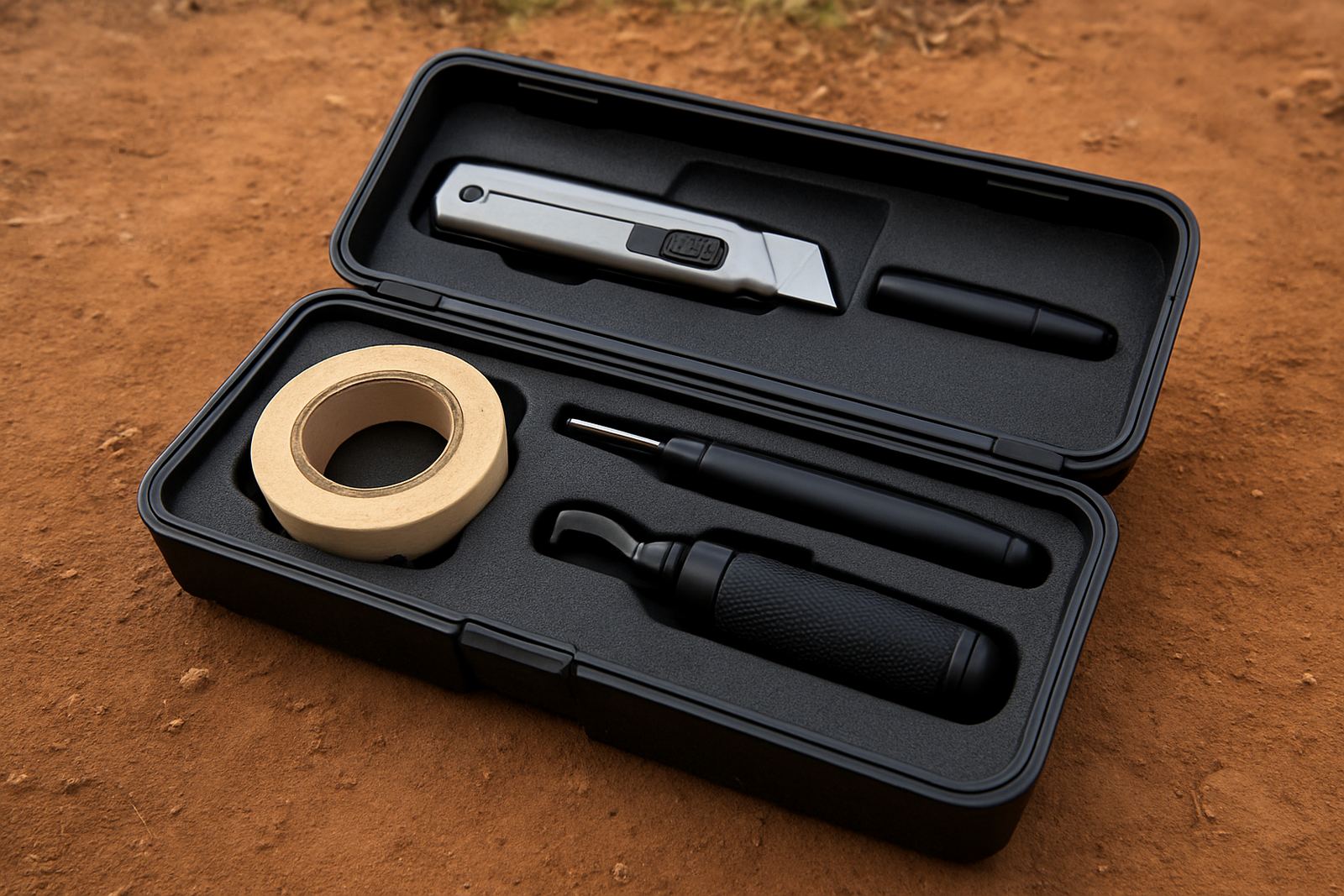
Good installation matters as much as the valve itself. The line should be cleaned before fitting, solvent-weld joints must be done properly, and the valve should be installed in the correct flow direction. If the system is buried or placed in a tight valve box, make sure there is enough access for future inspection and replacement.
It also helps to think about service life from the start. A valve that cannot be reached without digging up a section of pipe becomes a problem later. For contractors and farmers managing repeated orders or expansion work, keeping a few common sizes on hand can save time when a replacement is needed quickly.
- Clean pipe ends before solvent-weld assembly
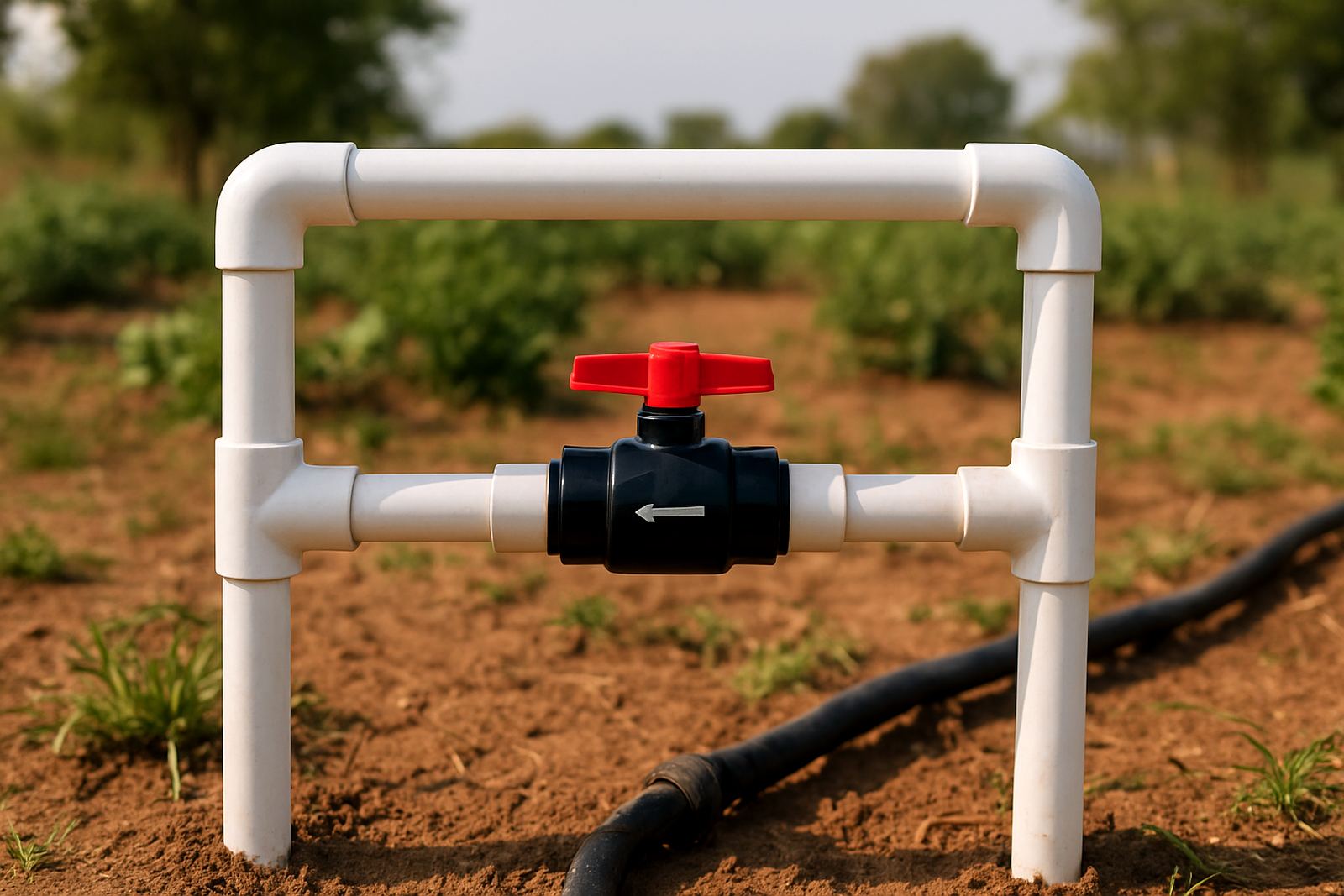
- Respect the flow arrow or marked direction
- Allow space for inspection and removal
- Support the pipe so the fitting is not carrying extra weight
- Use the same size and pressure class as the rest of the line
Choosing Stock for Farms, Contractors and Resellers
For irrigation work, the best approach is to match the fitting to the job rather than buying by guesswork. A contractor planning a new line, or a farmer replacing a worn section, needs the right size, the right pressure rating, and a valve that can handle real outdoor use. That is especially important on systems that run daily, carry sediment, or are exposed to sun and weather all year.
PVC Welders supplies solvent-weld fittings and tools for irrigation systems, with stock moving from Ladanna in Polokwane across Limpopo and couriered nationwide. If you need help choosing a non return valve for a pump line, transfer line, or multi-zone irrigation setup, the enquiry form on the contact page is the best way to send through the details. A clear pipe size, flow direction, and working pressure make it easier to match the right part the first time.