Why a planned extension beats a rushed add-on
Many irrigation systems start with a clean layout for one block, then the farm grows, the crop mix changes or a new contour needs water. If the original line was not planned with expansion in mind, the next stage often means cutting into live pipe, adding extra joints and making do with whatever fittings are on hand. That can work for a while, but it usually costs more in labour and leaves more points where a leak can start.
A planned farm line expansion gives you a better base from day one. You can allow for future branch points, choose fitting sizes that suit the likely flow increase, and keep the route tidy enough for later maintenance. On mixed farms around Polokwane and further out towards Tzaneen or Mokopane, that kind of forward planning saves a lot of backtracking when the second or third block comes online.
Start with the farm map, not the shopping list
Before buying more fittings, it helps to look at the whole line and not only the section that needs water now. Think about where the source sits, how far the line already runs, where pressure drops, and whether the next expansion will be uphill, downhill or across rough ground. A line that works well on paper can behave very differently once it runs past orchards, windbreaks or cattle paths.
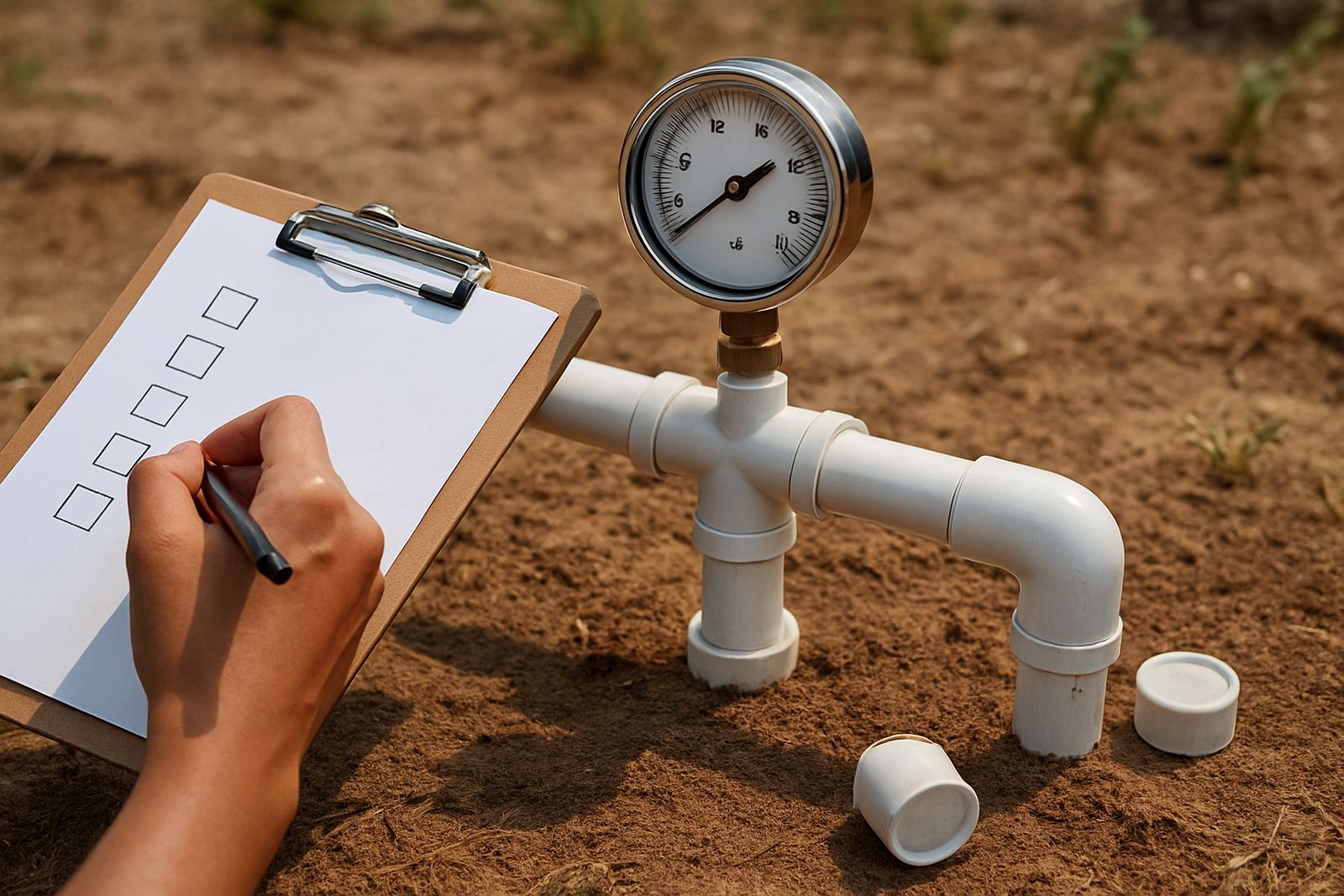
In practice, a good extension plan should answer a few basic questions:
- How much extra length will the line need, in metres?
- Will the added block need the same flow as the first one, or more?
- Are there low points where air or sediment may collect?
- Will the line need to be isolated later for servicing?
- Is the route exposed to sun, vehicle movement or accidental knocks?
Once those points are clear, the fitting choice gets much easier. It also helps with stock reserving, especially when a farm has deadlines around planting or a contractor has a narrow installation window.
Choose fittings that leave room for the next stage
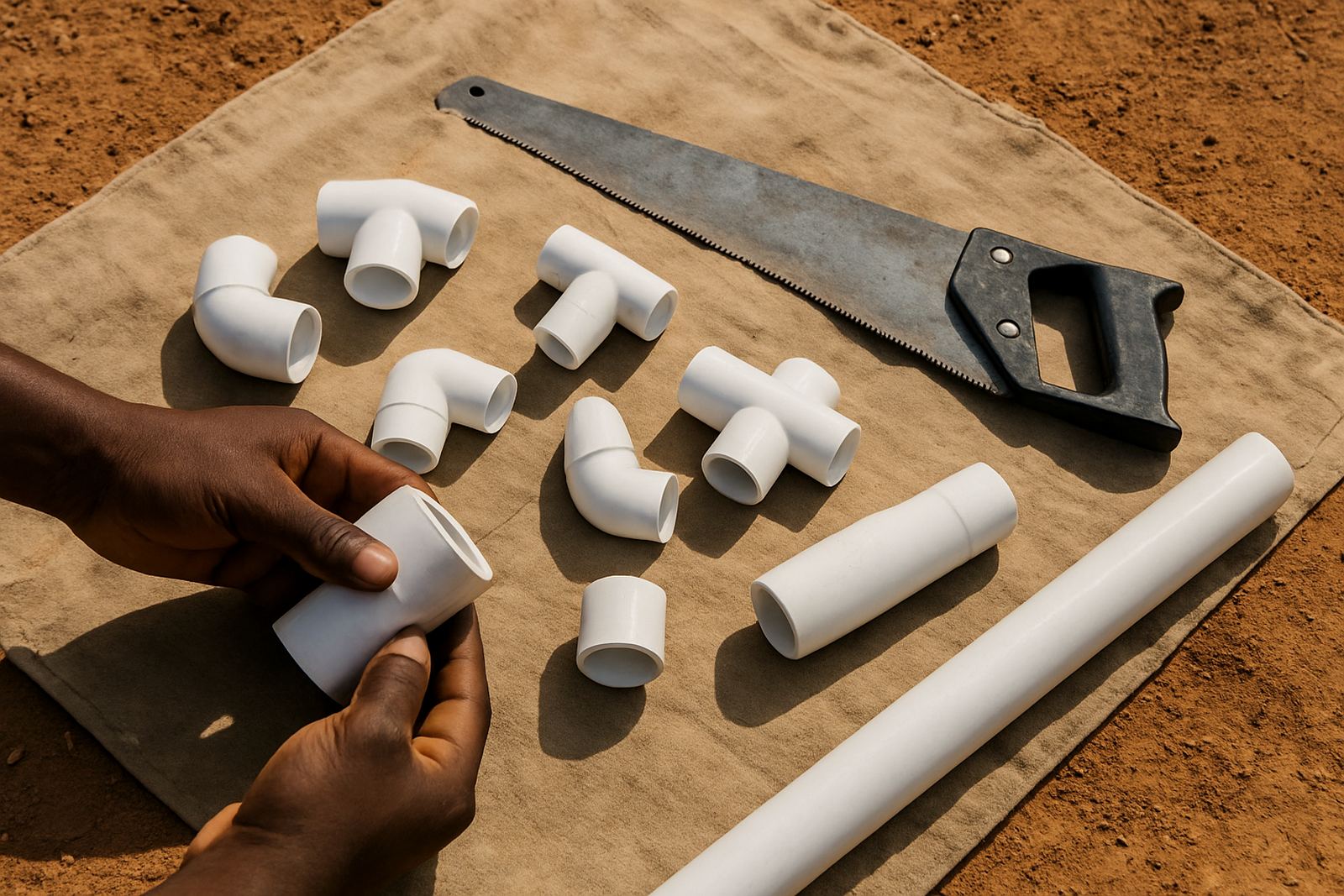
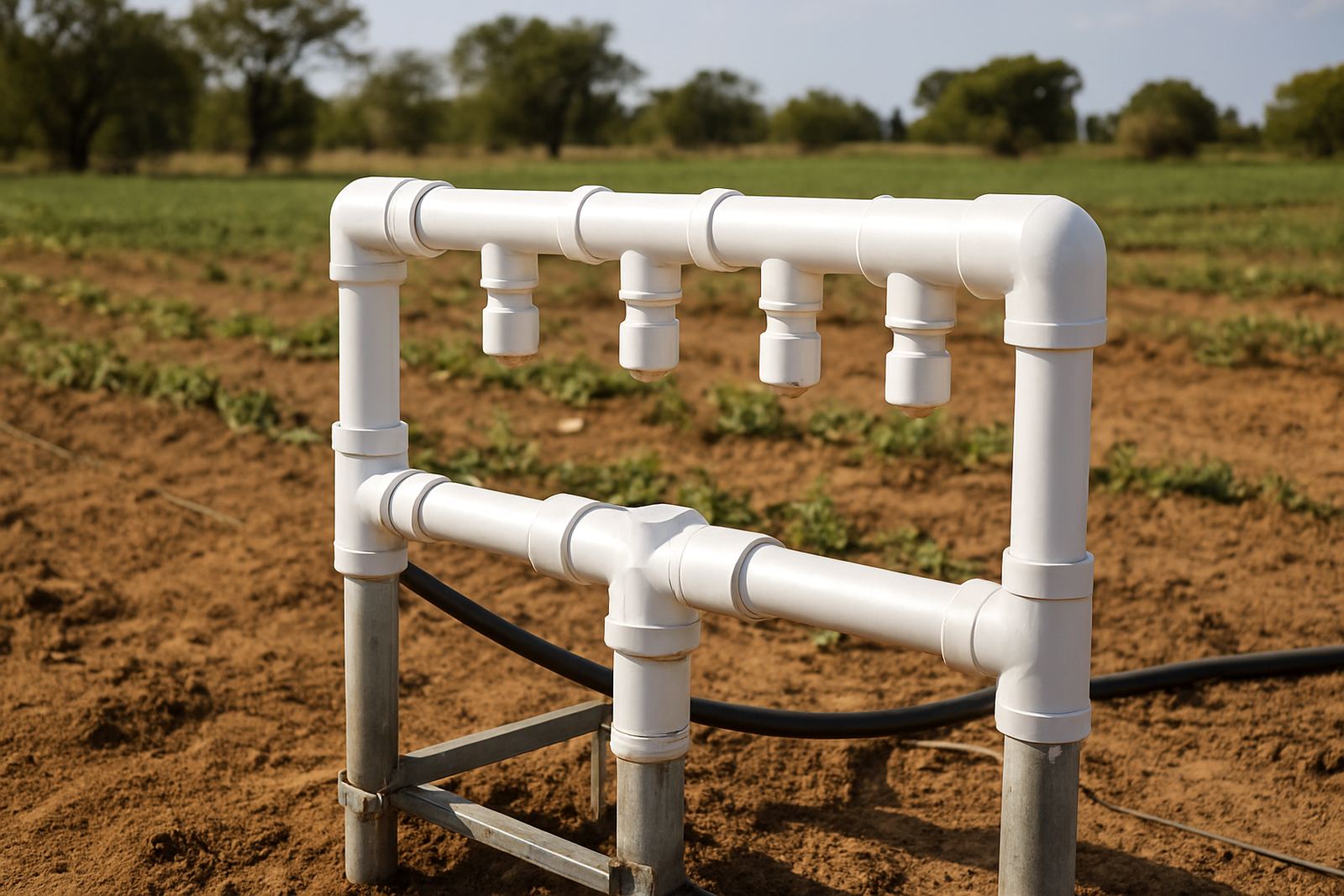
For farm line expansions, the small parts matter as much as the pipe itself. A solvent-weld system only performs properly when the pipe, fitting size and joining method are all matched correctly. If the jointing is rushed or the fitting is undersized for the task, the system may hold for a short period but struggle once pressure rises or the line runs for longer hours.
It is worth keeping a few practical items in mind when planning the next stage:
- Use the correct pipe diameter for the planned flow, not only the current flow.
- Allow for take-offs, end caps and inspection points where future branches may start.
- Keep extra couplers and elbows on site for repair work, not just the main install.
- Use matching solvent-weld fittings so the joint is neat and secure.
- Where the line may be extended again, leave a clean tie-in point instead of sealing every end permanently.
On larger farms, that little bit of planning can save an entire day later. It also reduces the chance of having to rework a finished section because the next block was never considered, which is a nuisance nobody wants during peak season.
Think about Limpopo conditions before you bury the line
In Limpopo, irrigation lines have to handle strong sun, dusty shoulders, temperature changes and the odd heavy rain that turns access routes into a mess. On top of that, some areas deal with load-shedding, which can affect pumping schedules and create pressure swings when the system starts and stops. If a line extension is planned without those realities in mind, the result can be a system that looks fine but becomes awkward to run.
Where the line passes through rocky ground or across an open edge, use protection and support that suit the site. Where there is coastal-style humidity on the far eastern side of the province or in wetter pockets, check that stored fittings and tools are kept clean and dry before use. It sounds basic, but a dusty or contaminated joint can cause trouble later. Good farm practice is simple: keep the route accessible, keep the fittings organised and don’t bury a problem because it is quicker on the day.
A practical example from a Polokwane mixed farm
A mixed farm outside Polokwane started with one irrigation line feeding an established block. The owner later added another section after a new crop rotation plan came in. Instead of starting from scratch, the team reviewed the old route, checked the pressure requirements and mapped where a future branch could be added without disturbing the first block. That meant the extension could be done with fewer fittings, less trenching and no need to reopen the earlier section.
The main saving was not only materials. The farm kept its schedule, the contractor could plan labour properly and the system was ready for the next season without long delays. That is the real value of planning ahead. You are not only buying pipe and fittings, you are buying certainty for the next phase. On farms, certainty is worth money because a missed irrigation cycle can affect crop timing, not just convenience.
Keep spares, records and advice close at hand
Good extension work does not stop once the line is installed. Keep a short record of what was used, where the tie-in points are and which sections are meant for later expansion. That record helps when a second contractor arrives months later, or when a farm manager needs to explain the layout to a new team member. It also makes repeat orders faster, which matters when a system is growing in stages.
Useful items to keep on hand for ongoing farm work include:
- Spare couplers, reducers and end caps
- Solvent and applicators suited to the pipe size
- Clean cloths for prep and jointing
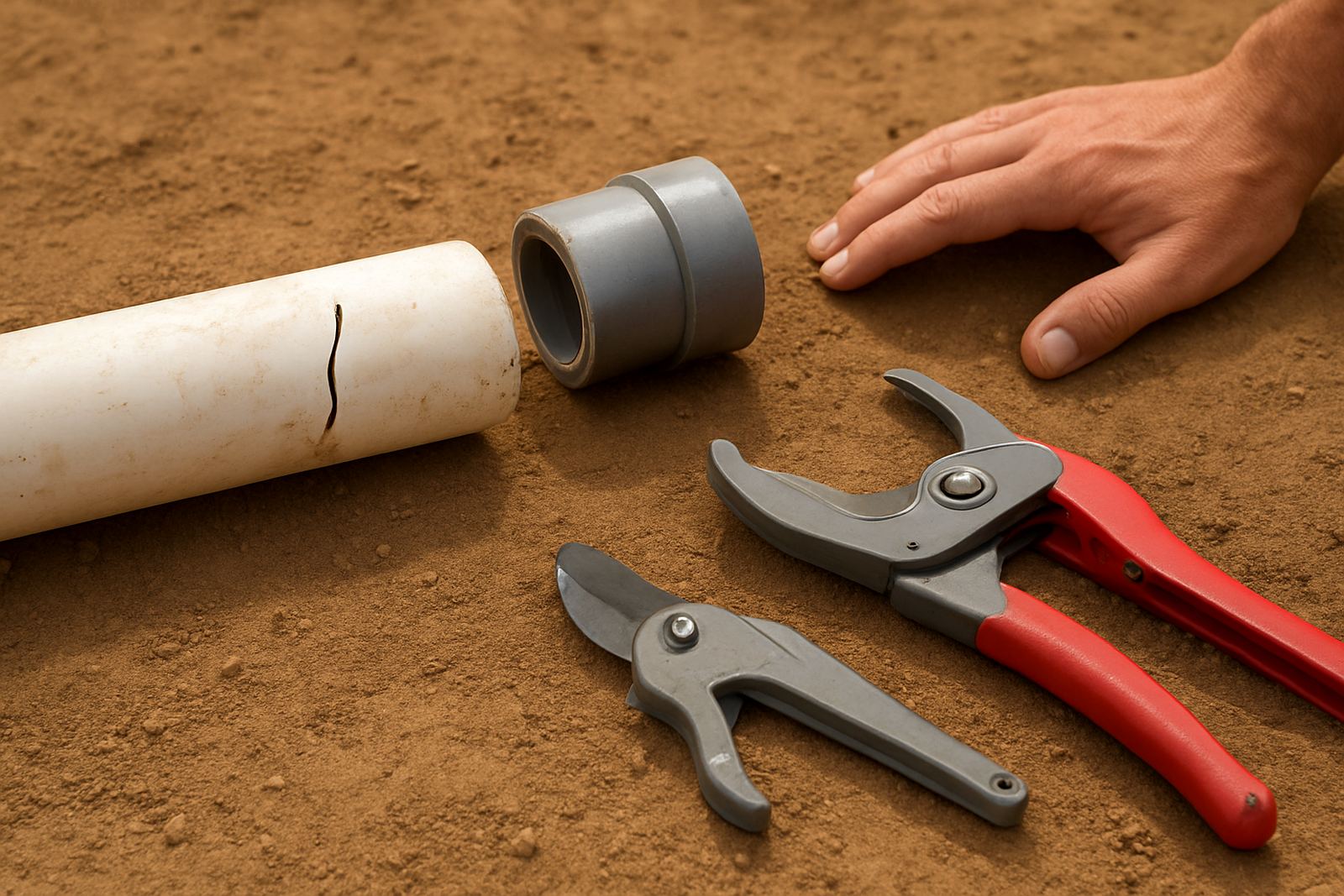
- Replacement tools for cutting and aligning pipe
- A simple layout sketch with measurements and branch points
If something does not line up during the next stage, proper jointing advice can prevent a small issue from becoming a bigger repair. That is especially helpful for contractor accounts and farm order planning where several blocks may be upgraded over a few months.
Planning ahead keeps the water moving
Farm line expansions work best when they are treated as part of the system, not as a patch-up job. A clear route, the right fitting sizes and enough thought for future blocks can save labour, reduce waste and make later servicing easier. It also keeps the farm ready for changes in crop area, irrigation demand or seasonal pressure.
For growers, contractors and landscapers working across Limpopo, a well-planned extension means less downtime and fewer surprises. If the next stage is already likely, plan it now while the trench is open, the measurements are fresh and the stock list can still be matched properly.