
Why a square cut changes the whole joint
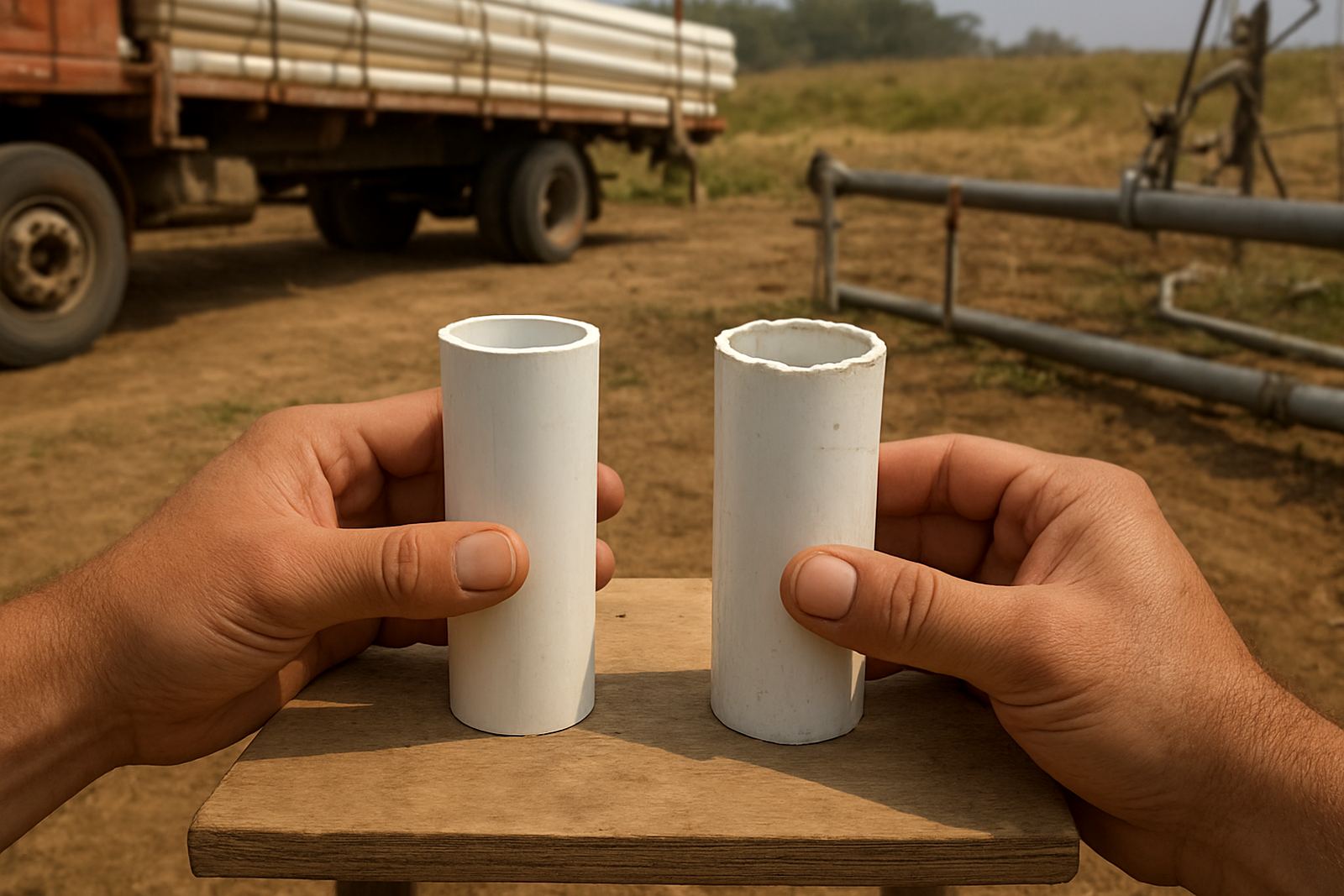
When a pipe end is cut square, the fitting can sit evenly around the full circumference. That matters on irrigation runs where pressure, vibration and sunlight all put strain on the line. A crooked end leaves gaps on one side and an over-tight spot on the other, so the solvent has to work harder to bridge the mistake.
In practical terms, a straight cut helps the pipe and fitting meet face to face. The joint becomes easier to align, easier to assemble and more reliable once the solvent has cured. It also makes life simpler for the installer because there is less trimming, less force needed and fewer call-backs later on.
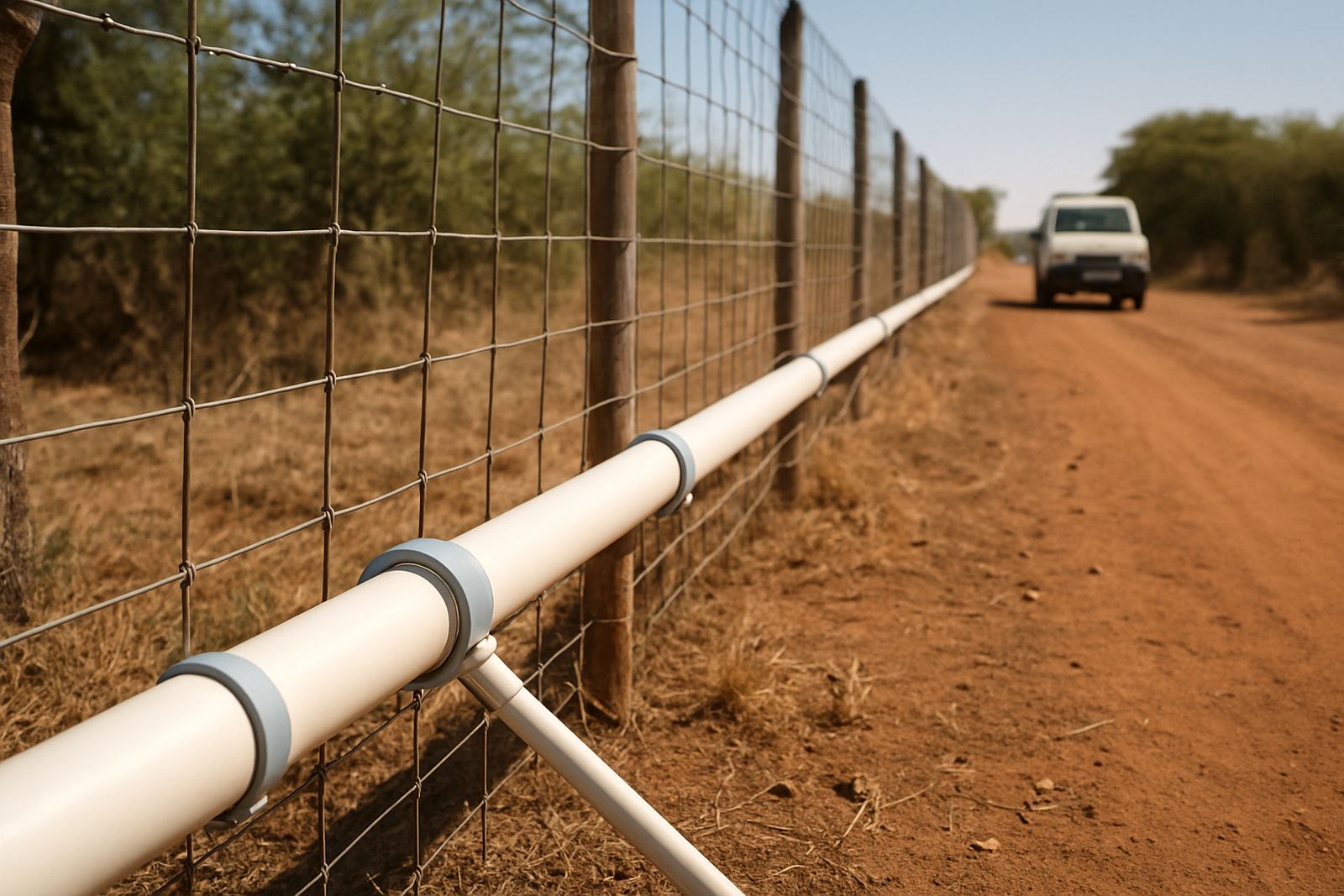
For farmers and contractors in Limpopo, that extra care pays off in the long run. A small error at the cutting stage can become a weak point after a few hot afternoons, a pump start-up or a bit of movement in the trench. It is the kind of detail that seems minor at first, but turns into a problem when water starts escaping from a line that should have held.
What goes wrong when cuts are uneven
Uneven cuts cause more trouble than most people expect. The pipe may still enter the fitting, but it can sit at an angle, scrape the socket or push solvent to one side. That can lead to poor contact between the pipe wall and the fitting socket, which is exactly where a strong bond is needed.
We see the same problems on small garden systems and larger farm lines. A rushed cut often means the pipe end is crushed, flared or rough. In a hot, dry area around Polokwane, that sort of fitting often loosens sooner than it should. Coastal humidity is not the issue here, but dust, heat and rough handling still affect the job site and the final joint.
- Gaps between the pipe and fitting socket
- Twisted joints that are hard to align
- Extra stress at the point where the solvent cures
- Leaks that show up only after the line is pressurised
- More waste from cutting and re-cutting pipe sections
Once a system is under pressure, a bad cut can turn into a drip, a weep or a complete pull-out. That means more labour, more material and more downtime, especially when irrigation has to keep running through a busy season.
The right way to cut PVC pipe on site
A proper cut starts with measuring carefully and marking the pipe clearly. Use a straight guide where possible and keep the tool steady so the blade does not wander. A fine-tooth saw or suitable cutting tool gives a cleaner edge than a rough, forced cut. If the end is left angled, file it back before assembly.
After cutting, the pipe end should be checked for burrs and any loose shavings should be removed. A quick dry fit helps confirm that the length is correct and the joint lines up as intended. If the pipe is too long, do not force it into place because that can stress the fitting before the solvent has even gone on.
- Measure twice before making the first cut
- Keep the cut square to the pipe centre line
- Remove burrs and loose swarf before assembly
- Dry fit the parts before applying solvent
- Check that the pipe can enter the fitting without twisting
This is where good habits matter. A clean cut is quicker to work with, and it gives the solvent a better surface to bond to. Even on a simple repair, that small bit of discipline can mean the difference between a tight joint and a leaky one.
How cleaner cuts improve solvent-weld performance
Solvent welding depends on surface contact, timing and fit. If the pipe end is square and smooth, the solvent can soften the mating surfaces evenly and draw them together properly. That gives a better bond than a joint that has to make up for a bad angle or rough edge.
It is also easier to keep a straight cut aligned during assembly. The fitter can push the pipe in with less side pressure, which helps avoid smearing the solvent away from the joint area. On long irrigation lines, where every joint needs to behave the same way, that consistency matters a lot.
We advise contractors to treat the cut as part of the joint, not a separate step. If the end is chipped, crushed or out of square, fix it before the solvent comes out. Once the joint is made, there is no neat second chance. That is why careful preparation is such a big part of a clean, lasting installation.
A Polokwane example from a busy irrigation run
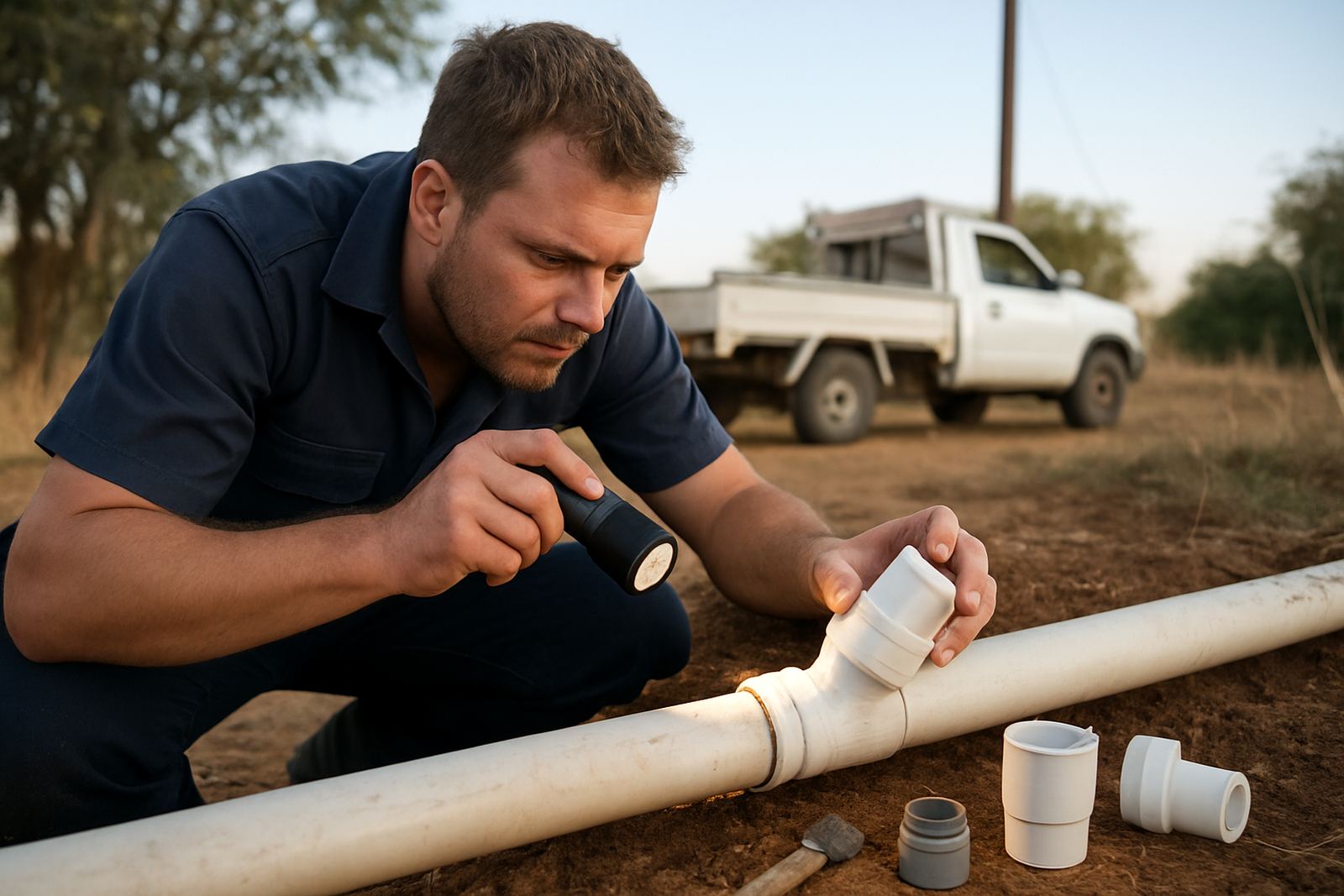
A contractor collecting material from Ladanna for a farm outside Polokwane once had a line of fittings ready for a quick pump room tie-in. The trench was open, the crew was waiting and the job had to be finished before the next water cycle. One section of pipe had been cut slightly off square, and at first it looked close enough to use.
Instead, the end was re-cut properly. That took only a few minutes, but it saved the team from fighting the joint during assembly. The fitting sat straighter, the solvent spread more evenly and the line was tested without any immediate seepage. On a job like that, a few minutes of care can save a full return trip later.
For farms around Mokopane, Tzaneen or Hoedspruit, that kind of thinking helps keep irrigation moving. When stock is being trucked across Limpopo or couriered farther afield, the work on site still has to be done right the first time. A straight cut is a simple step, but it supports the whole system.
Good cutting habits save time, material and trouble
Square cuts are part of a larger pattern of careful installation. They help with fit-up, speed up assembly and improve the chance of a strong joint. On a small domestic line or a larger contractor order, the same rule applies: if the end is right, the rest of the job is easier.
That is especially useful where work has to be planned around load-shedding, weather windows and labour availability. Nobody wants to waste daylight redoing a joint that should have been right the first time. Good preparation also makes repeat orders easier, because the team learns what lengths, fittings and tools give the best results.
- Less rework on site
- Better alignment at the socket
- Stronger, more dependable joints
- Cleaner pressure testing after installation
- Lower risk of call-backs after the line is live
At PVC Welders, we work with farmers, landscapers and contractors who need practical advice, the right fittings and tools, and support that matches the job at hand. If you are planning a new run, a repair or a bulk order, start with the cut. It is a small detail, but it carries a lot of weight.