Start With the Number of Joints, Not the Pipe Length
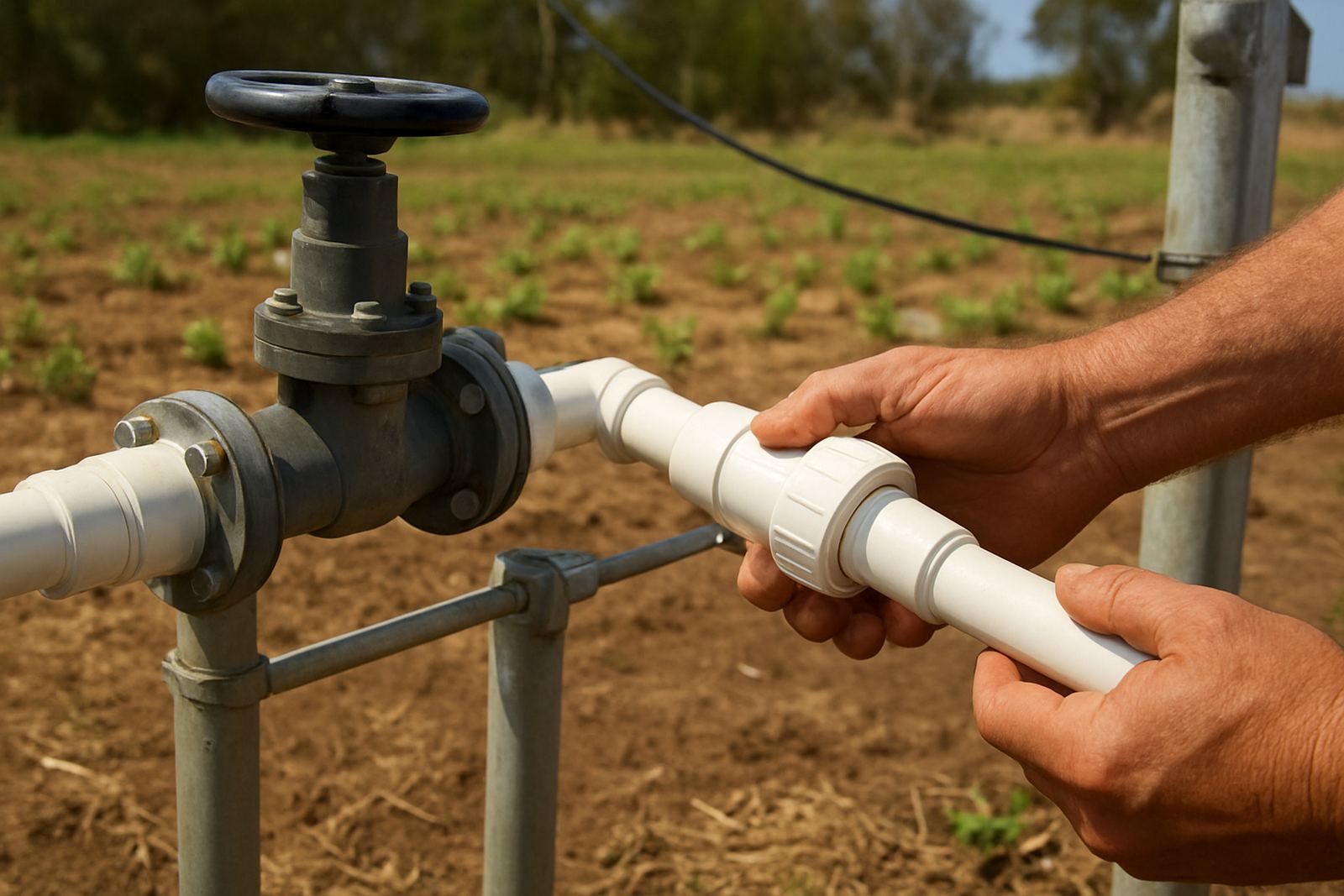
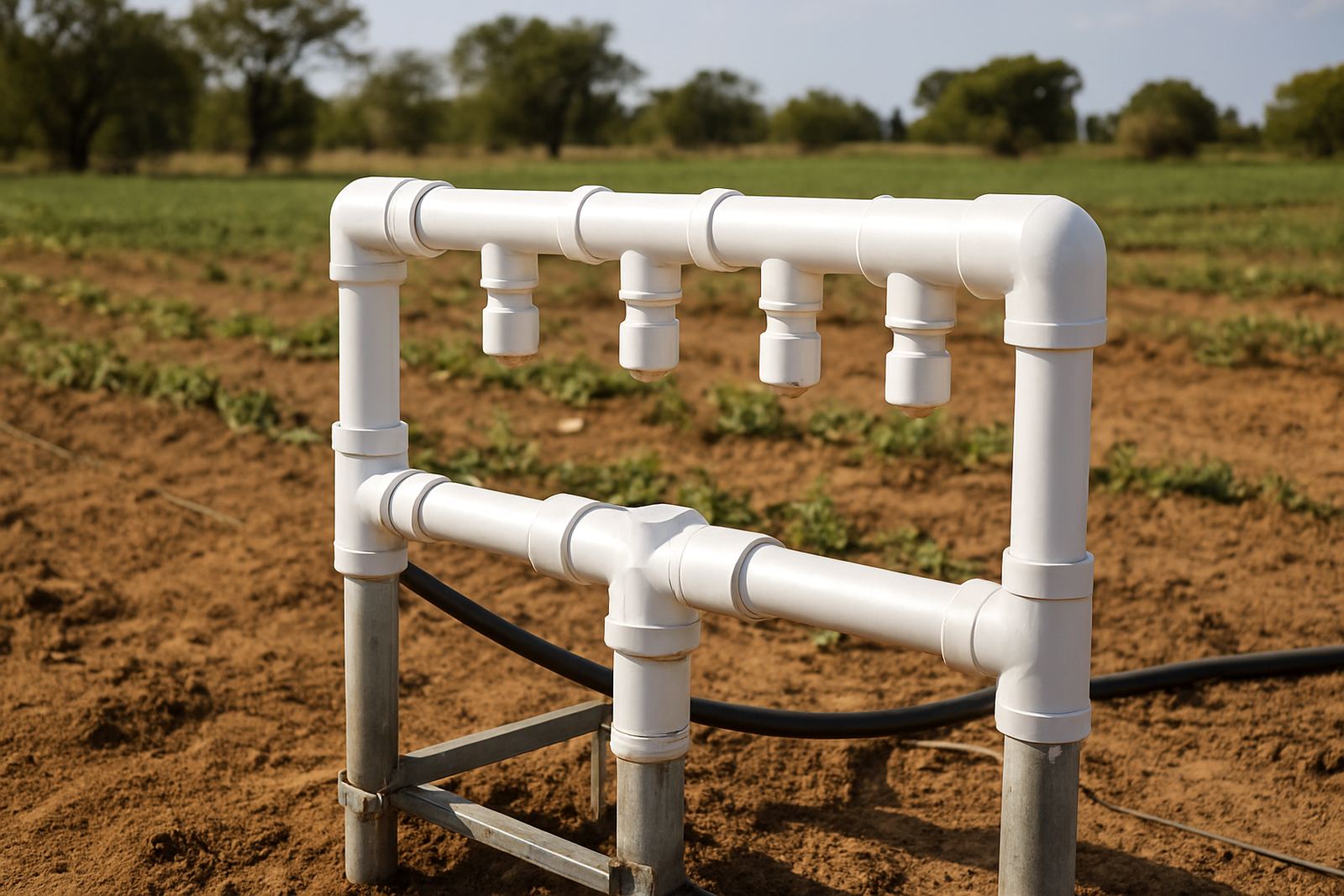
The cleanest way to estimate solvent use is to count every socket joint in the job. A 20 metre run with a few fittings can use less solvent than a shorter line with tees, elbows, valves and repairs scattered through the layout. For irrigation work, the fitting count matters more than the pipe length alone.
As a simple rule, ask how many solvent-weld joints will be made, then add a small allowance for test fits, wipe-downs and a few repeats. On site, some installers use more than planned because a joint gets cleaned twice or a fitting is redone after a dry fit was pushed too hard.
- Count elbows, tees, couplers, reducers and valves
- Add allowance for mistakes, rework and crew handovers
- Keep extra cleaner aside for dirty or dusty pipe ends
Match the Quantity to Pipe Size and Fitting Type
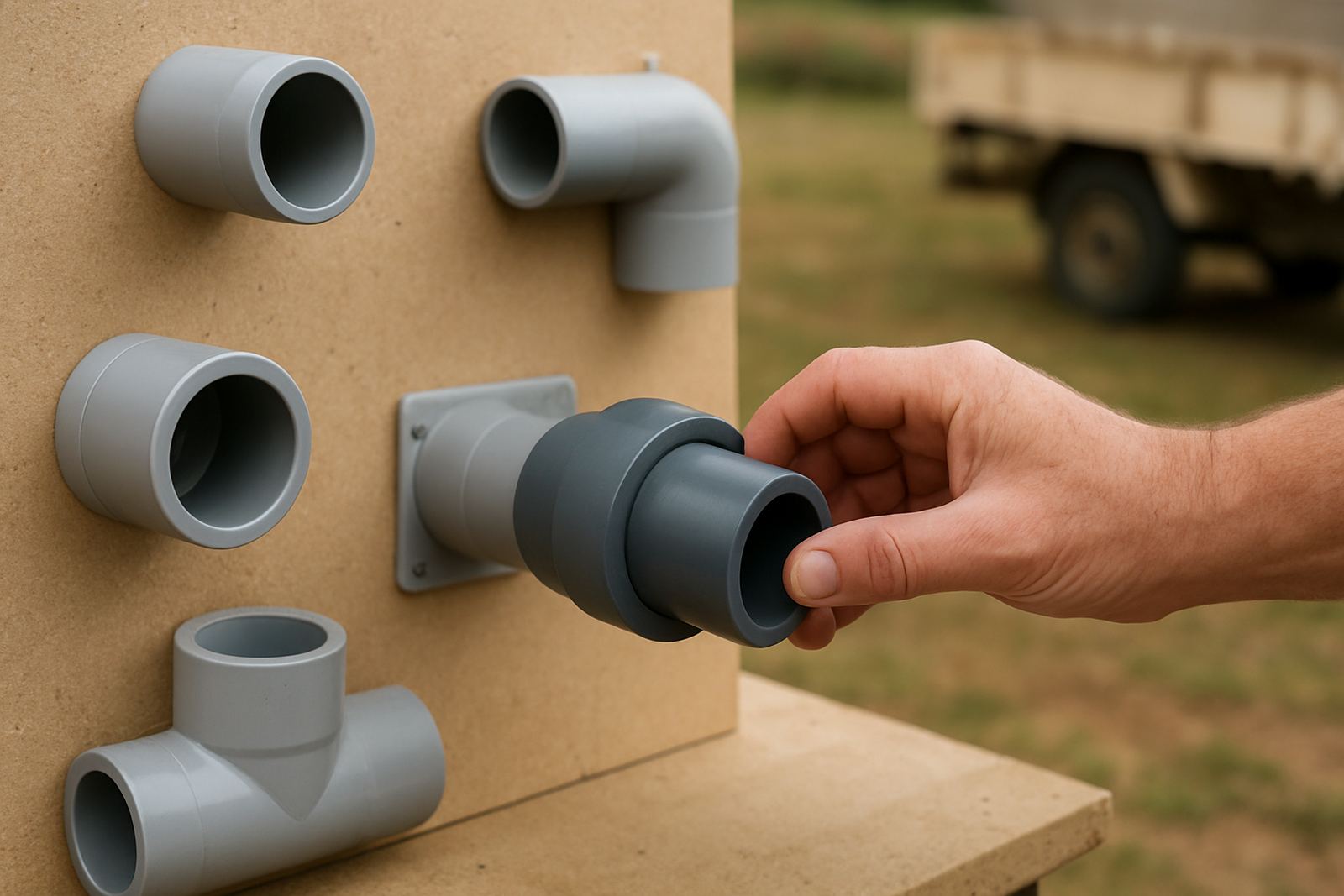
Solvent use changes with pipe diameter. Small irrigation lines may take only a light coating, while larger diameter fittings need more coverage to wet the full socket properly. Do not guess the same quantity for 20 mm, 25 mm and 50 mm work. The joint surface area changes fast, and so does the amount of cleaner needed before the weld.
Thicker fittings and deep sockets often take more preparation. If the line is going into a pump room or a commercial block, factor in valves, adaptors and threaded transitions too. Those parts are often where waste happens because the installer keeps opening and closing lids, or cleans more than once in dusty conditions.
- Small bore lines use less solvent per joint
- Larger sockets need more careful coverage
- Threaded adaptors still need proper cleaning around the socket
Allow for Limpopo Heat, Dust and Wind
In Polokwane and across Limpopo, site conditions can change solvent use more than people expect. On a hot day the solvent flashes off faster, so crews sometimes reapply because the first coat sits too long. On windy farms, dust settles on open fittings and the cleaner gets used more heavily just to get the joint ready. Near coastal deliveries the issue is less heat and more humidity, but the result is similar: parts need proper wiping and a bit more care.
For outdoor irrigation work, plan for weather as well as product count. If the crew is working in full sun or moving between bays, keep the solvent closed when not in use and do not leave the cleaner tin open on the trailer. That saves product and keeps the jointing consistency better through the day.
- Heat shortens working time
- Dust increases cleaning needs
- Wind can waste open tins quickly
Use a Simple Site Formula Before the Truck Leaves
A practical estimate can be made before delivery. Take the number of joints, multiply by the average use per joint, then add a reserve for waste and repairs. Many contractors keep a small site buffer so they do not stop work for one extra fitting. That buffer is especially useful when the order is going to a farm outside town and the next supply run is hours away.
For example, a block layout in Tzaneen might need enough material for mainline runs, branch lines and a few changes after the layout is pegged. The first count may show 80 joints, but after changes it can become 95. In that case, ordering only for 80 is tight. A safer plan is to load for the final count plus a reserve, rather than hoping the site stays exactly as drawn.
- Final joint count
- Average use per joint
- Reserve for rework and field adjustments
Keep Cleaner Separate From Solvent in Your Order
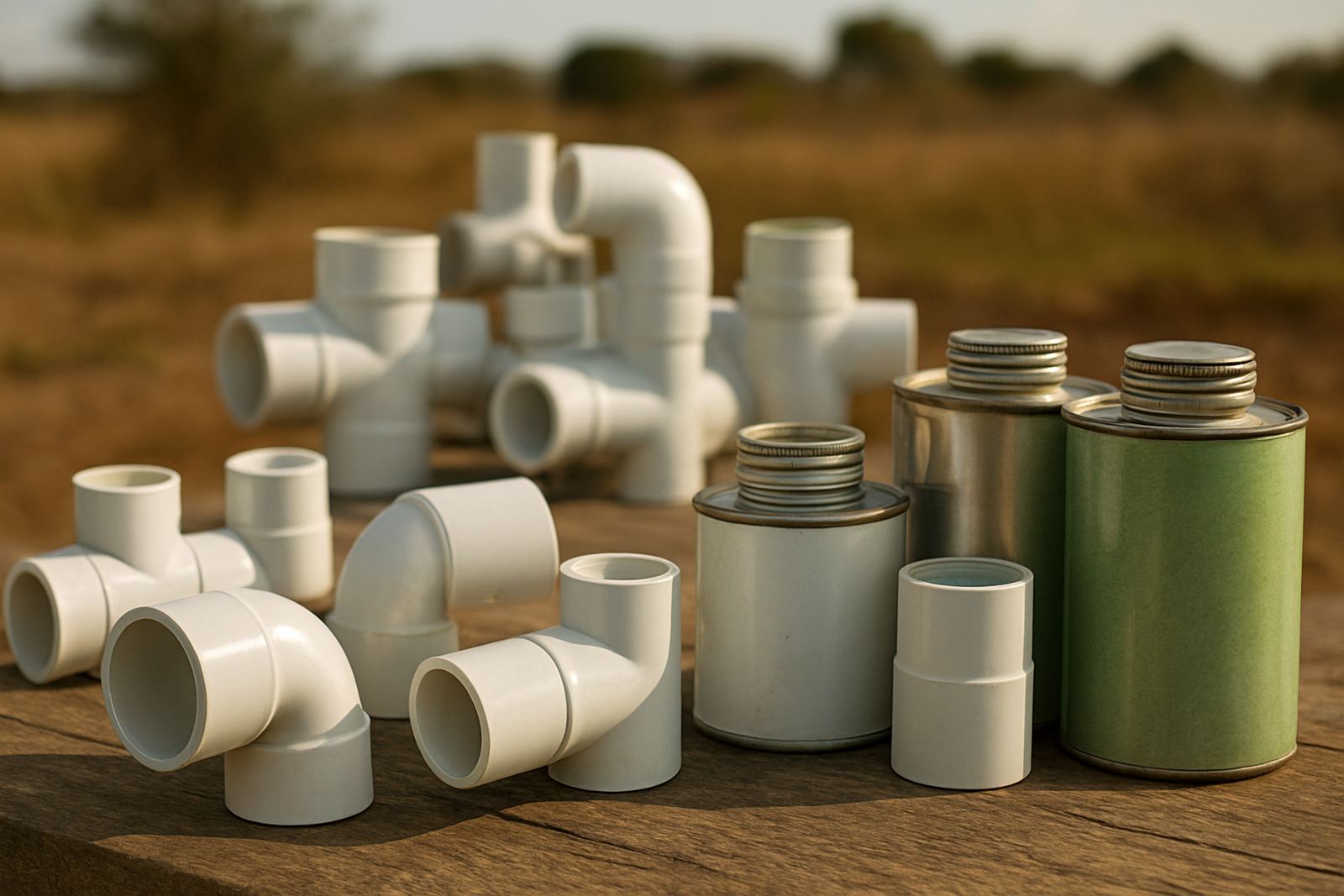
Cleaner and solvent are not the same thing and should be planned separately. Cleaner is often used on more surfaces than the weld itself, especially when pipe ends are dusty or storage conditions were rough. Solvent, on the other hand, is needed for the actual jointing step. If the team is working through multiple lines in one day, cleaner can run out before solvent does, or the other way round.
A good ordering habit is to note which jobs are prep-heavy and which are straightforward. A new installation on clean stock needs less cleaner. A repair job on an old irrigation line, with soil on every end and some sun damage, needs more of both. That difference can save a second trip and a lot of waiting around on site.
- New work usually needs less cleaner
- Repairs often need extra cleaning material
- Separate the two items on the order sheet
Plan for Contractor Teams and Repeat Work
When several crews are working from one delivery, solvent use can climb quickly because each team has its own pace and wastage. One fitter may use a careful brush and measured coats, while another may apply too much and still ask for extra by midday. If you are running repeat orders for farm maintenance, it helps to record what was actually used on the last job instead of relying on memory.
Our team often sees orders from contractors and farmers who want stock ready for the next run through Polokwane, Mokopane or Hoedspruit. That is where repeat-order notes help. If the same line keeps taking 15 percent more than expected, the next order should reflect that rather than the original estimate. It is a small adjustment, but it keeps the store room and the site both better supplied.
- Track actual use after each job
- Adjust the next order by crew behaviour
- Keep a reserve for maintenance call-outs