
Why the trench matters before the first pipe goes in
When a mainline is buried neatly, the whole irrigation run becomes simpler to manage. Pipe lies where it should, joints sit clear of rocks and the installer can check alignment without fighting bends in the trench. That saves time during installation and later on when a section needs to be opened for repair or extension.
In Limpopo, trenching conditions can change quickly from hard, dry ground in winter to heavier soils after summer rain. On some plots around Polokwane and Mokopane, the top layer cuts cleanly but the subsoil holds stones and hard pans. If the trench is rushed, the pipe ends up carrying point loads from sharp stones or sitting unevenly, which can stress solvent-weld joints over time.
A good trench is not only about depth. It is about keeping the line straight, maintaining a steady grade where needed and giving the pipe a bed that supports it evenly. That matters whether the line is feeding a small nursery block or a longer farm mainline that runs past several valves and take-offs.
Set the line out first and keep the trench straight
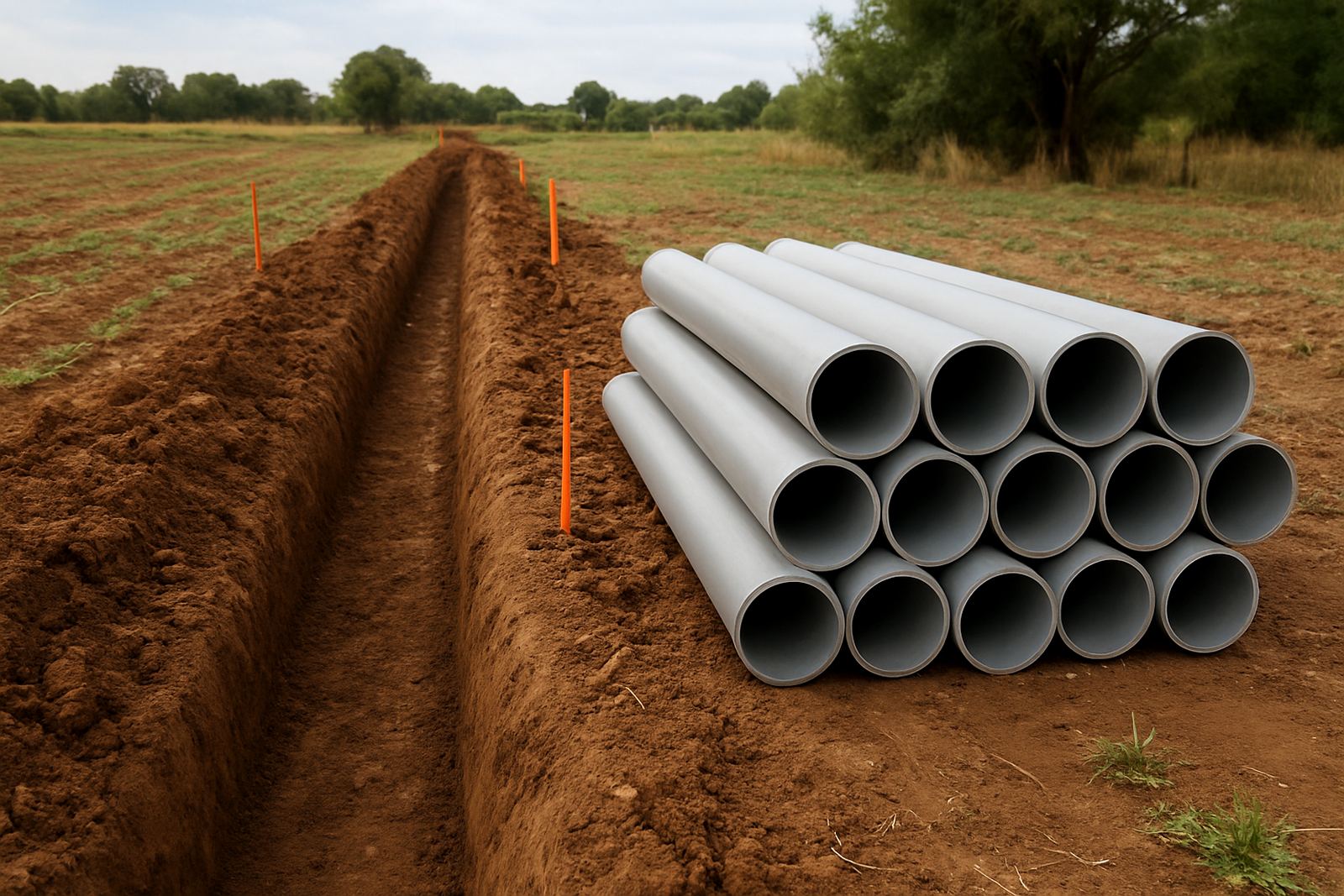
Before digging, mark the route clearly. String lines, spray paint or pegs help keep the trench on course and reduce unnecessary bends. A straight run is easier to backfill properly, and it also keeps fittings accessible when you need to inspect a joint or add a branch later.
Where the route crosses driveways, roads or hard working areas, plan the crossing properly instead of forcing a shallow path. In contractor work, a small change at the planning stage can prevent repeated digging after the first pressure test. That is especially useful on farms where tractor movement and delivery trucks pass the same route daily.
- Keep the route as direct as possible without ignoring existing services or tree roots.
- Allow enough working space for safe jointing and inspection.
- Mark valve boxes, turns and tie-in points before excavation starts.
- Leave access points where future maintenance is likely.
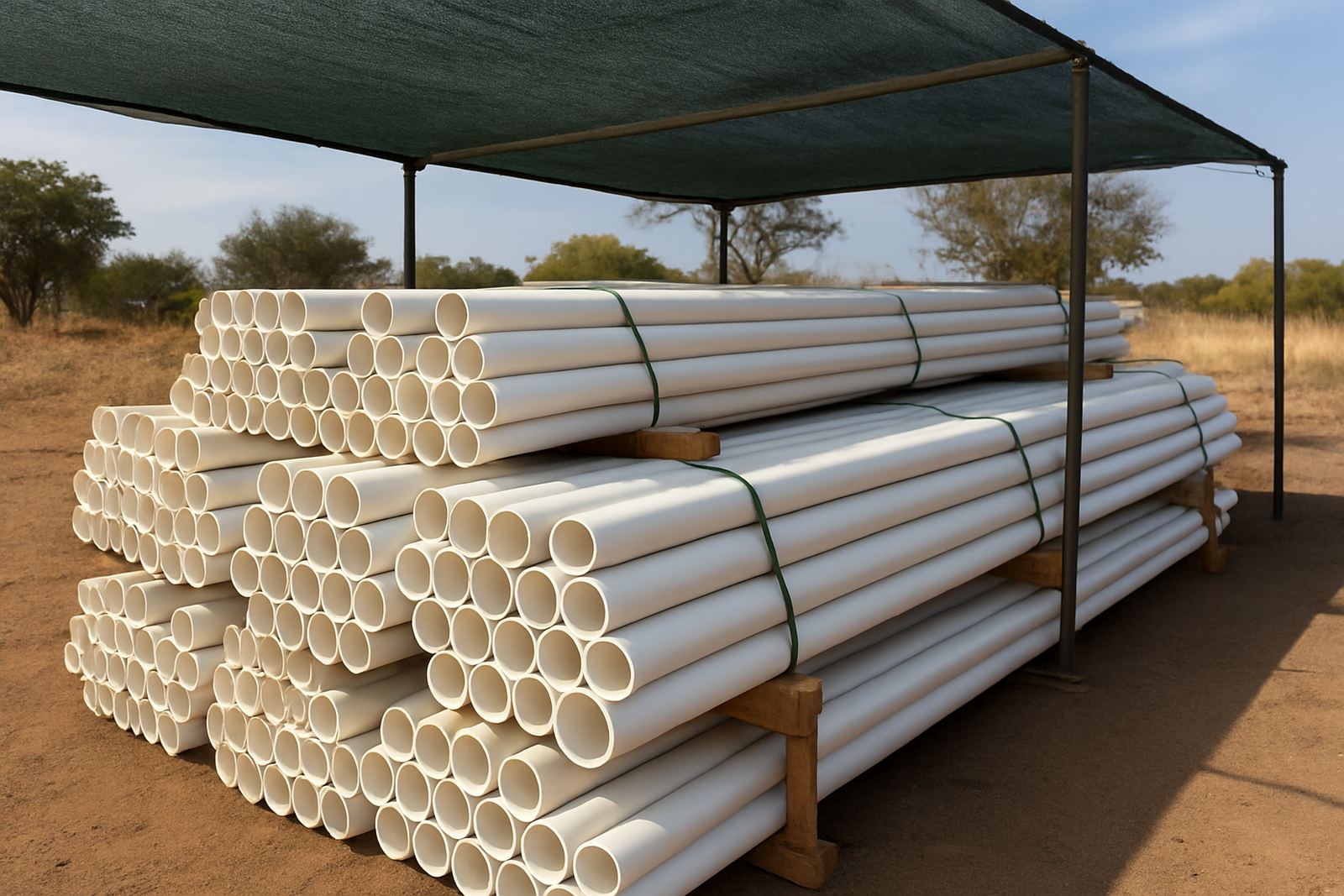
A straight line also helps with stock control and ordering. If the route is clearly measured, it is easier to check the exact lengths, fittings and joint counts before materials leave the yard.
Bedding that protects the pipe from the bottom up
Once the trench is open, clean out loose rocks, clods and sharp debris from the bottom. A smooth trench floor reduces the chance of damage when the pipe is lowered in. In many irrigation installs, a thin layer of selected soil or sand is enough to form a bedding that supports the pipe evenly. The aim is not to pack the trench hard under the pipe, but to give it a consistent base.
If the ground is coarse or full of angular stone, take extra care around joints. Solvent-weld fittings perform best when they are supported properly and not left hanging across a void. If a joint must bridge a small uneven section, correct the bedding rather than relying on backfill to do the job later. It is a small step, but it prevents movement when the line is pressurised.
On coastal jobs, humidity and shifting soils can also affect how the trench settles after rainfall. In those cases, good bedding and careful backfill are even more important because the pipe may see minor movement before the soil settles fully. The less movement around the joint, the better the long term result.
Depth, cover and access for the real working life of the line
Depth should be chosen for the site conditions, the type of traffic above the line and the level of protection needed from heat, sunlight and physical damage. In areas where machinery crosses the route, deeper cover is usually a better choice than trying to save a little digging time. A line buried too shallow can be damaged during cultivation, grading or routine farm movement.
At the same time, the trench should not be so deep that future access becomes a problem. If a mainline has several joints, a handful of turns or a planned expansion point, the trench should still allow those areas to be opened later without unnecessary excavation. Good planning means balancing protection with maintenance access.
- Protect the pipe from traffic, tools and settlement.
- Keep valve and joint points visible on the as-built plan.
- Do not bury fittings so deep that repairs become a full re-dig.
- Allow for future additions if the system may expand later.
In practical terms, that means the trench must suit the site, not just the pipe. A nursery block in Tzaneen may need a different approach from a broad-acre irrigation run outside Lephalale.
Jointing in the trench without rushing the fit
Solvent-weld work needs time, clean surfaces and a proper fit. Trenching that is too narrow or uneven makes jointing harder because the pipe cannot be aligned cleanly. Give yourself enough space to dry-fit, mark insertion depth and hold the joint steady before the solvent is applied.
Keep the trench sides neat near each joint location so the fitter can work without loose soil falling back into the socket. That matters when the weather is hot and the solvent flashes off quickly. A hurried joint in a messy trench is where trouble starts, especially on long runs where pressure testing comes after many metres have already been laid.
Good trenching also helps troubleshooting later. If a section needs attention, tidy bedding and straight alignment make it easier to identify whether the issue is a fitting, a nicked pipe or movement from settlement. It saves time on site and keeps the repair focused.
Backfill, compaction and the final check before the water is on
Backfilling should start carefully so the pipe is supported before the trench is fully closed. Place selected material around the pipe first, then compact in layers where needed. Throwing large clods straight back into the trench can create voids, and voids lead to movement. Once the pipe is covered enough to protect it, the remaining fill can be returned in stages.
Before the line is closed completely, check the route one last time for alignment, exposed fittings and any low spots where water might collect. If the trench crosses an area that will be finished with paving, gravel or a machine track, make sure the final levels suit the surface above it. This is where a careful contractor saves the client from future digging and complaints.
For a farm near Polokwane, a tidy mainline trench can mean the difference between a neat seasonal install and repeated call-backs after the first crop cycle. Contractors working across Limpopo know that the ground is not always kind, so the safer approach is to build the line on a stable base and close it properly the first time.
Getting the right fittings and advice for the trench plan
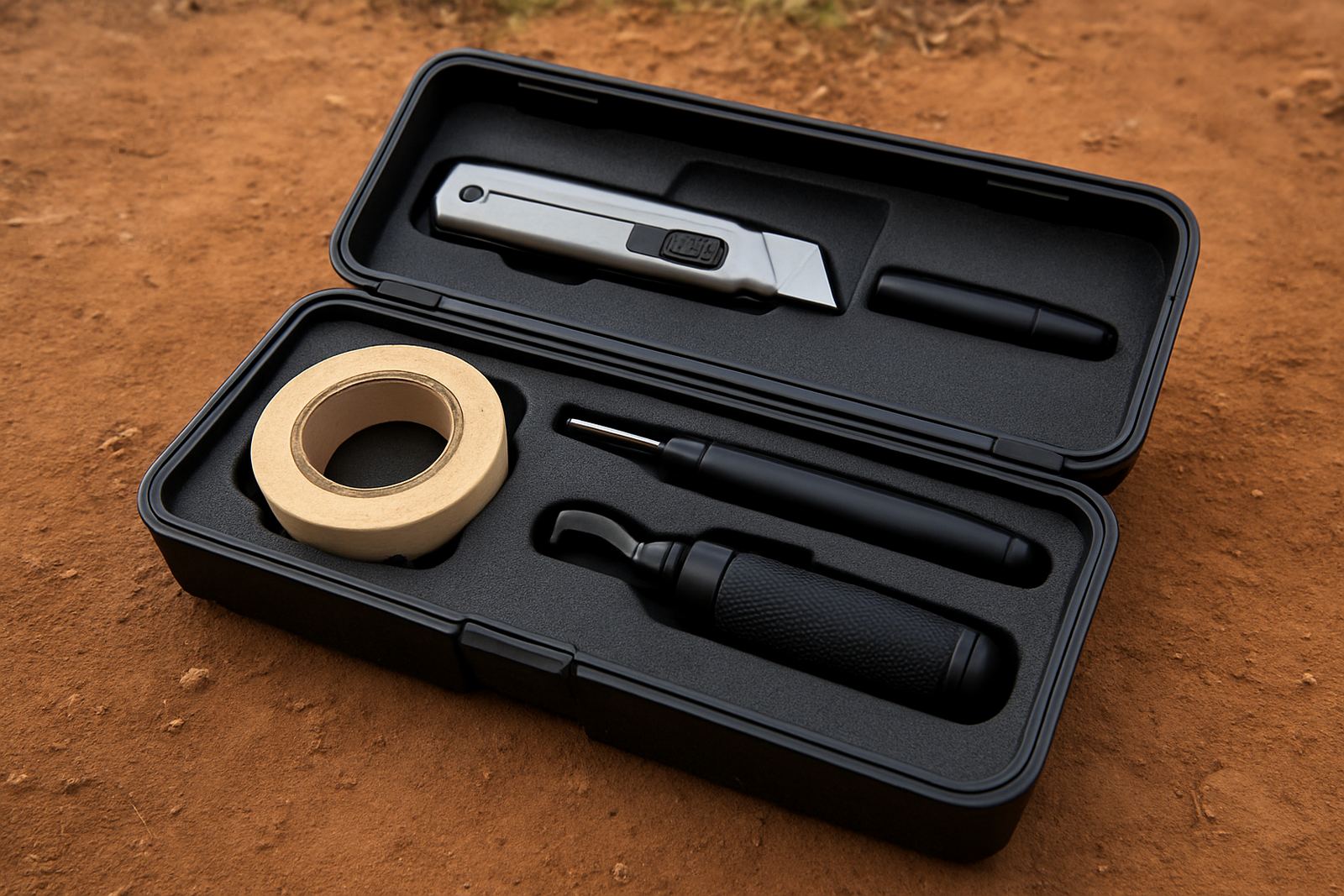
Trenching works best when the materials list matches the route. That includes the correct pipe sizes, solvent-weld fittings, joiners, bends, reducers and the tools needed for clean assembly. If the mainline has long straight sections, multiple take-offs or several service points, it helps to plan the whole sequence before digging starts.
PVC Welders supports irrigation projects from Ladanna in Polokwane with stock sent across Limpopo and couriered nationwide. Our team can assist with product selection, system matching, stock reserving, quantity checks, jointing advice, troubleshooting help and repeat order support. That is useful when a contractor needs to keep a trench crew moving and does not have time to guess on fittings halfway through the job.
Whether the work is in Hoedspruit, Thohoyandou, Tzaneen or further afield, the principle is the same: a clean trench makes the pipe easier to lay, easier to protect and easier to service later. If the ground is prepared properly, the rest of the job gets simpler.