
What a union joint does in an irrigation line
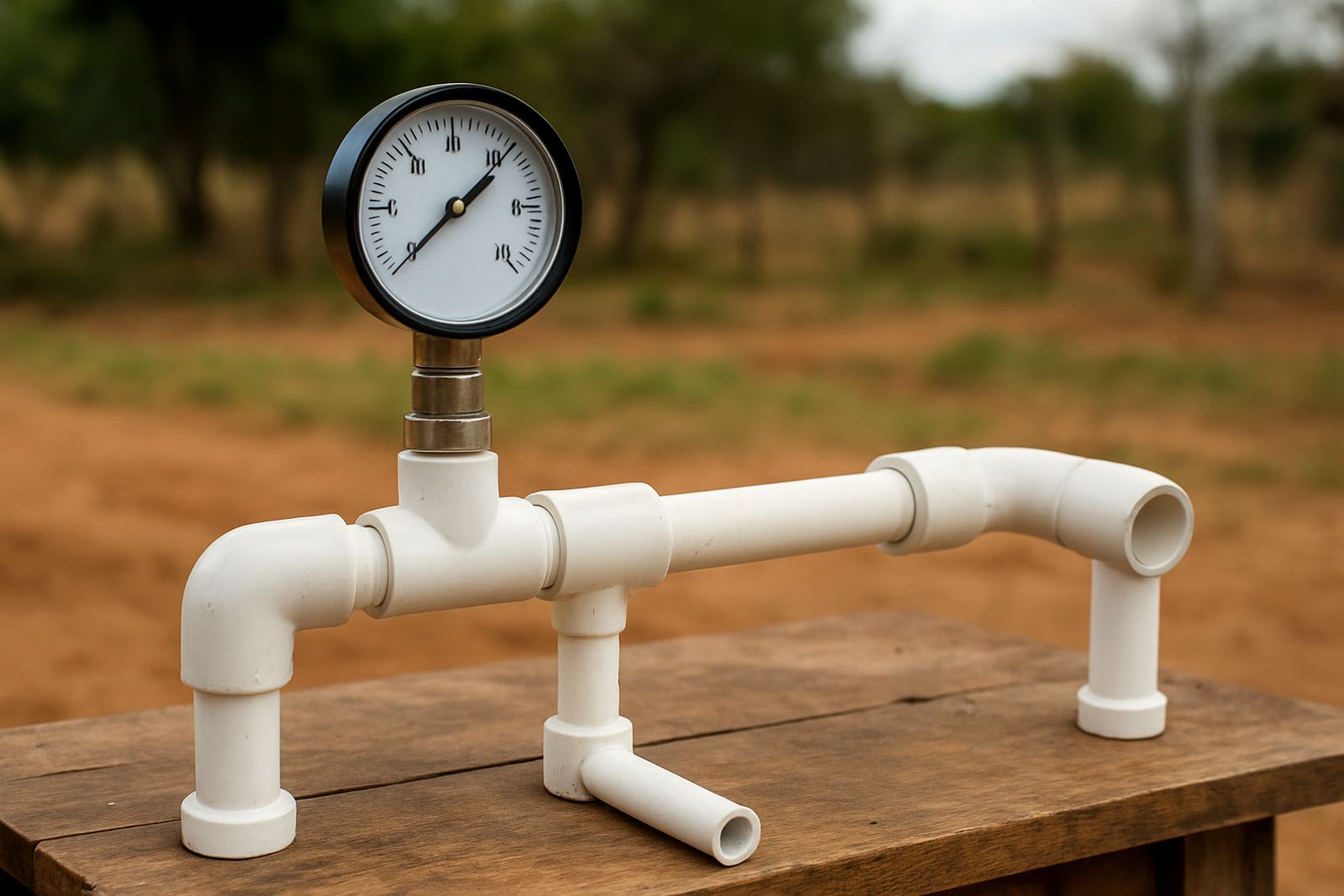
A union joint is a solvent-weld fitting designed to join two lengths of PVC pipe while still allowing the line to be taken apart later. It is commonly fitted at serviceable points such as pump outlets, filter bays, valve manifolds and long runs where future maintenance is likely. On irrigation jobs this saves time, reduces pipe wastage and makes fault finding much easier.
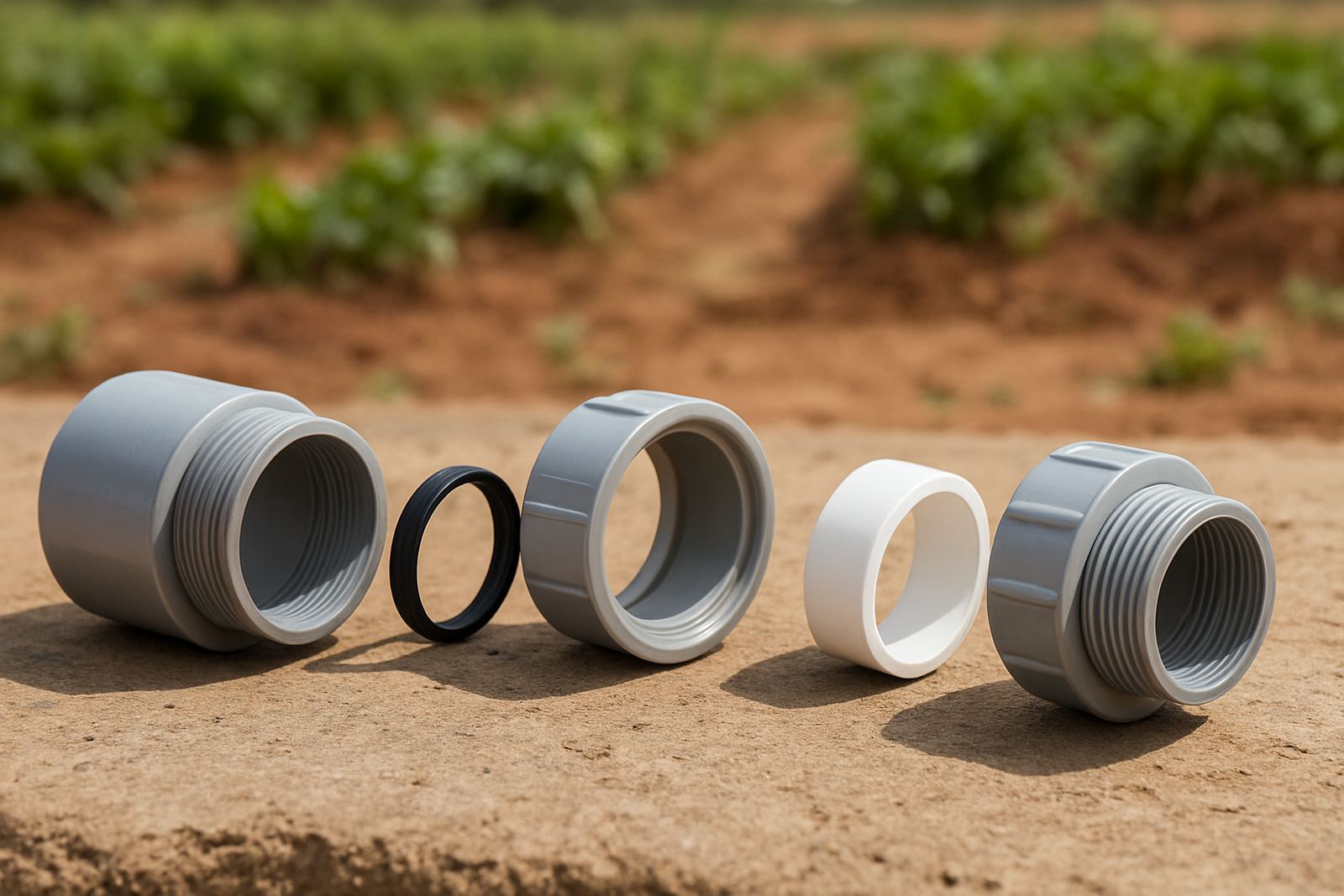
In practice, the fitting has three main parts: two ends that bond to the pipe, and a centre section that screws together to clamp the joint closed. When properly assembled, it gives a tight seal for pressurised water lines. When the system needs attention, the centre can be loosened and the line opened up without disturbing the rest of the run. That matters on farms and landscaping sites where downtime costs money.
Union joints are especially useful on lines that carry clean water, fertiliser mix or treated water through irrigation systems. They are not made for frequent rough handling, so the installer should position them where they can be reached easily and protected from knocks. A buried union without an access point is asking for trouble.
Sizes, styles and pressure choices
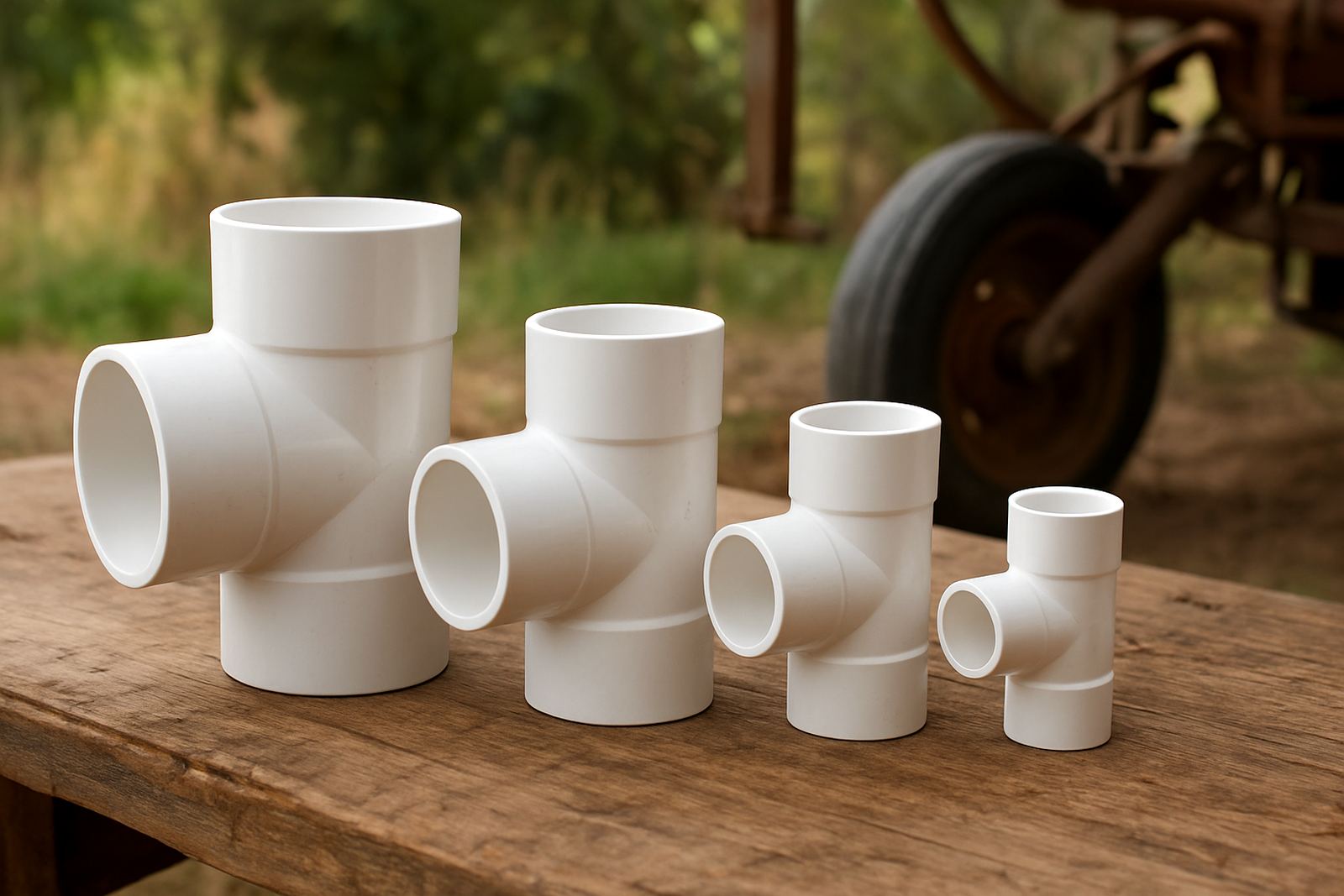
Union joints are supplied in a range of common metric sizes to suit irrigation pipe work. The most used sizes are 20 mm, 25 mm, 32 mm, 40 mm, 50 mm and 63 mm, with larger sizes available for heavier lines depending on the application. Selection should always match the pipe outside diameter, the pressure class of the line and the thread style required on the end connections.
Some union joints are plain socket type on both sides, while others combine a socket on one end with a threaded connection on the other. That makes them useful where a fitting needs to connect into valves, filters, tanks or adaptors. For higher pressure systems, choose a fitting with the right pressure rating for the line. A union on a low pressure garden line is not the same as one used on a farm main line carrying a pump discharge.
As a rule, the bigger the pipe and the more pressure in the system, the more careful you need to be with alignment. A union joint should meet squarely. If the pipe is pulling sideways, the thread can bind and the seal can weep. That small mistake shows up later, usually at the worst time.
- Common sizes: 20 mm, 25 mm, 32 mm, 40 mm, 50 mm, 63 mm
- End options: socket to socket or socket to thread combinations
- Use with matching pressure class pipe and compatible solvent-weld fittings
Where union joints suit best
Union joints suit irrigation layouts where future access is important. On farms, that includes pump stations, filter assemblies, chemical dosing points, fertigation skids, mainline risers and washdown points. In landscaping, they are useful around boreholes, reticulation chambers, control valves and areas where seasonal adjustments may be needed. Contractors also use them on temporary or staged installations where the line may be altered later.
In Limpopo, where heat, dust and hard working water systems are common, it helps to place union joints where maintenance can be done quickly. In coastal or humid areas, good access matters too because fittings can be affected by grime, condensation and long term sun exposure. A union joint is not there for show, it is there to make the line practical to live with.
They are a smart choice on sites where pumps are switched off during load-shedding and then restarted, because a service point may need checking after a pressure drop or air lock. They are also handy where a municipal rule or site specification requires isolatable sections for inspection. If a line has to be opened, flushed or modified now and again, a union makes that work far less messy.
- Pump outlets and suction or discharge assemblies
- Filter banks and fertiliser injection points
- Mainline repair sections and control valve areas
How to install it properly
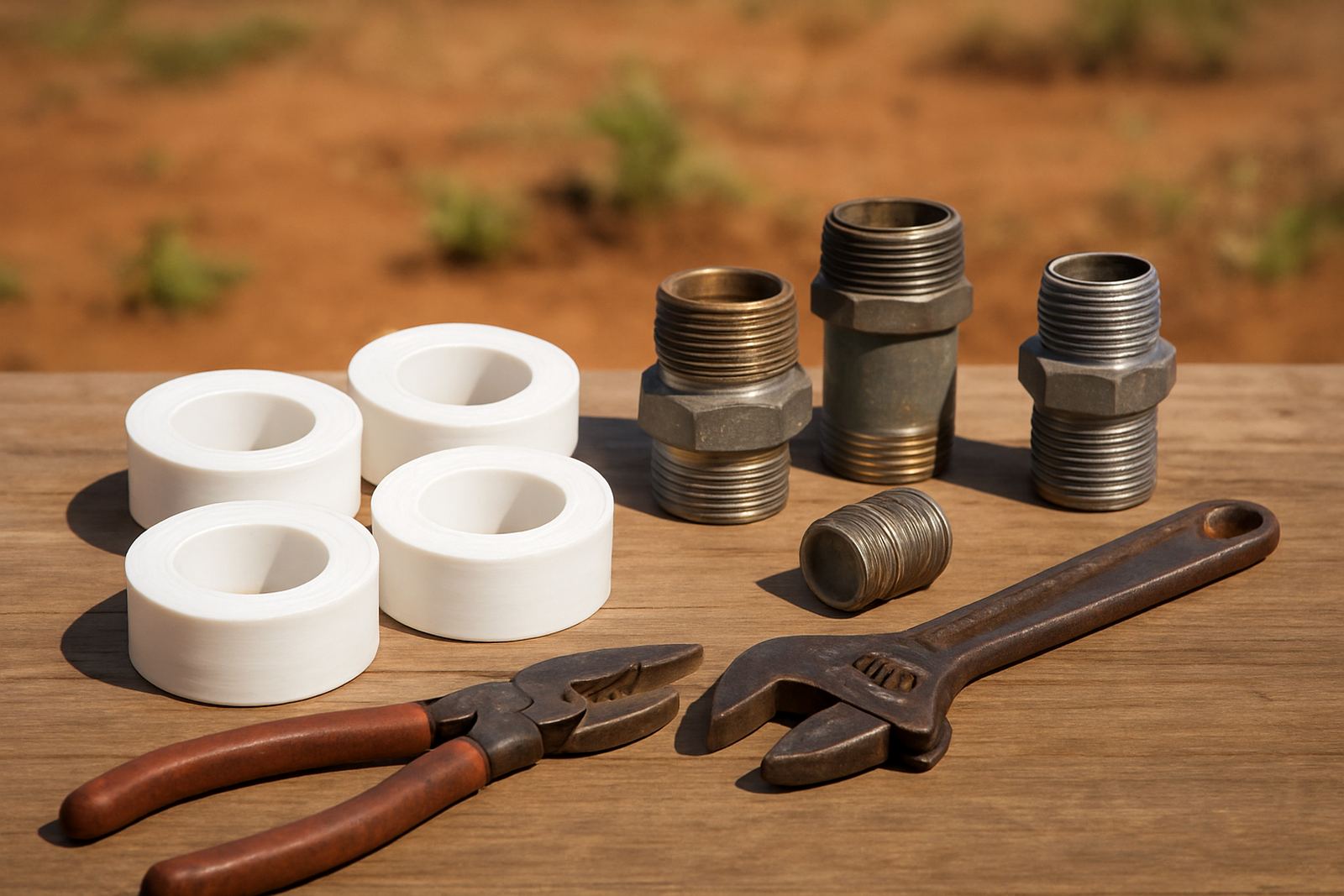
Union joints are solvent-weld fittings, so the bonded ends must be installed on clean, dry pipe with the correct primer and solvent cement for PVC pressure pipe. Measure the insertion depth, mark the pipe, then prepare the surfaces before assembly. Push the pipe fully home and hold it steady long enough for the joint to grab. The union nut and seal section must then be tightened by hand to the correct snug fit, without forcing it thight with tools unless the maker’s instructions specifically allow that.
Before installation, check that the pipe is straight and fully supported. A union joint should not be used to correct a bad line angle or to pull two misaligned pipes together. That is where leaks start. If the line is long or exposed to strong sun, allow for pipe movement and use proper clips or supports so the union does not carry stress from the rest of the run.
No power or gas is needed for the fitting itself. The work is done with standard solvent-weld tools and normal pipe prep gear. On bigger lines, one installer should hold the pipe steady while another closes the union. On pressurised irrigation systems, always test slowly after installation and check for weeping around the threads, seals and socket joints before bringing the line fully into service.
Care, servicing and long term use
A well fitted union joint should be checked during routine irrigation maintenance, especially after the first pressure test, after pump changes and at the start of each season. Look for signs of weeping, cracked nut sections, damaged seals or thread wear. If a union is opened regularly, clean the sealing faces before reassembly and make sure grit is not trapped inside. Even a small grain of sand can stop a seal from seating properly.
Do not overtighten the union nut. That can flatten the seal, damage the threads and make the fitting hard to open later. In areas with strong sun, use good pipe support and where possible shade the fitting or cover exposed runs. UV and heat can shorten the life of the surrounding pipe work if the system is left hanging. For farms and contractor installations, a simple service log helps track which lines need attention after repairs or crop changes.
If a union has been sitting unused for a long time, inspect it before opening the line. Parts that have sat with pressure and heat for months can seize slightly, so steady hand pressure is best. If the seal looks tired, replace it rather than trying to force another season out of it. That small part often decides whether the job holds or leaks.
What to confirm when placing an order
Before ordering a union joint, confirm the pipe size in millimetres, the pressure class of the line and whether you need a socket-to-socket or socket-to-thread configuration. It also helps to know where the fitting will be installed, because a pump room, filter bay or open field line may need a different approach to access and support. If the system carries fertiliser or treated water, tell us that as well so the fitting choice matches the duty.
For larger farm jobs, quantity checks are worth doing before the truck leaves Ladanna. A missing union can hold up a whole run if the crew is already on site. If you are ordering repeats for the same layout, keep a note of the exact sizes used on the line, the number of service points and whether any adaptors were required. That makes future top-ups much quicker.
PVC Welders supplies irrigation fittings from Polokwane, with stock trucked across Limpopo and couriered nationwide. Our team can help with product selection, stock reserving, jointing advice and repeat order support through the enquiry form on our contact page. If you are matching a union to an existing line, send the pipe size and a clear description of the installation so we can check the fit first time.
- Pipe diameter in mm
- Pressure class or working pressure
- Socket or threaded end requirement
- Duty type: clean water, fertiliser mix or treated water
- Quantity needed and site location
Key facts
| Product type | PVC solvent-weld union joint for irrigation pipe work |
|---|---|
| Common sizes | 20 mm, 25 mm, 32 mm, 40 mm, 50 mm, 63 mm |
| Connection styles | Socket to socket or socket to thread, depending on model |
| Installation method | Solvent-weld ends with hand-tightened union closure |
| Power or gas needed | None, standard pipe prep and solvent-weld tools only |
| Best use | Serviceable points in irrigation systems where future disconnection is needed |