What a pressure gauge does on an irrigation line
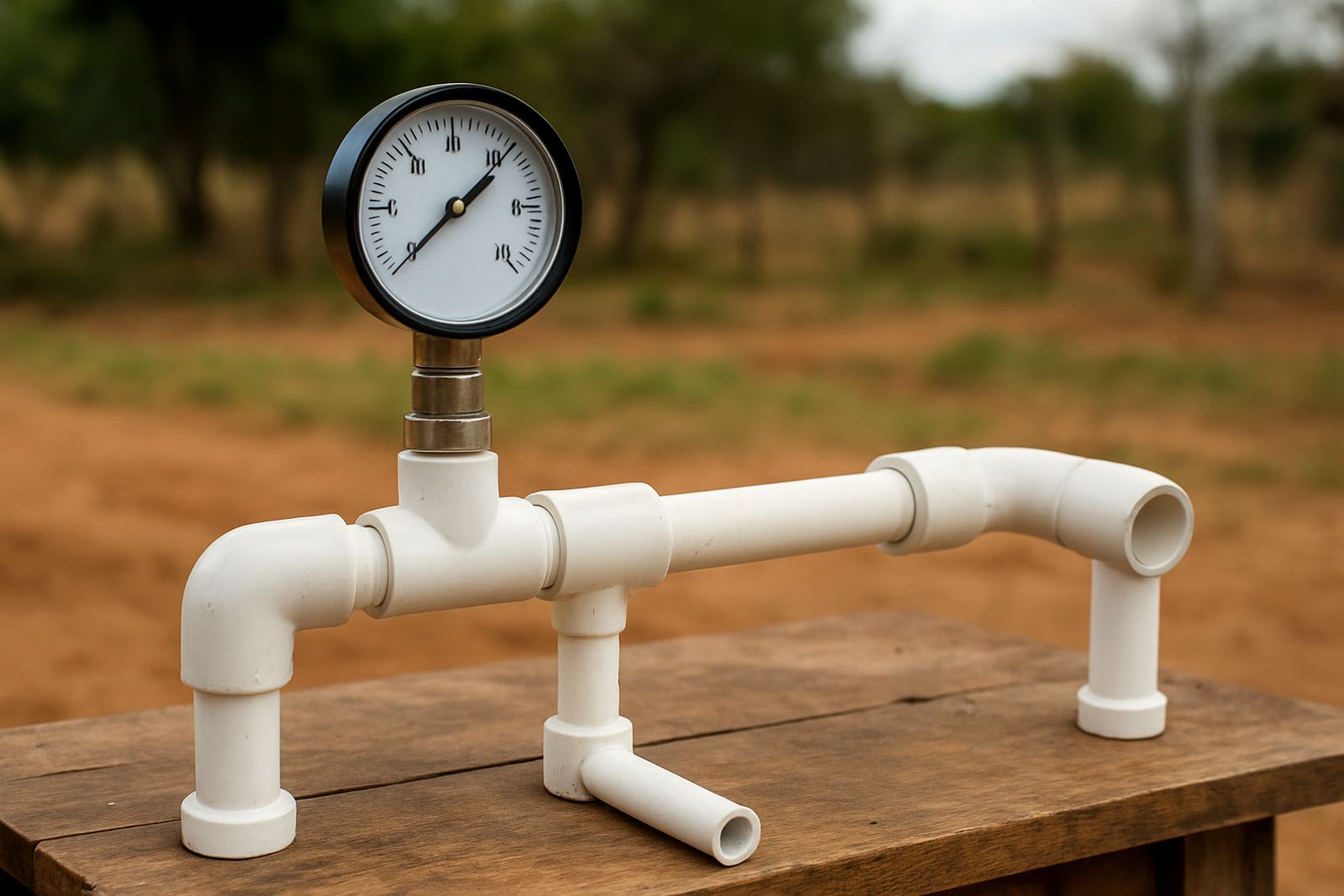
A pressure gauge gives a visible reading of pressure inside the line, usually in bar or kPa, so you can see what is happening while a system is being filled, tested or adjusted. On irrigation work that matters because a pump can be running fine at the source but the field side may still be underfeeding, overpressurised or restricted by a blockage, a closed valve or a poor joint.
For farmers, landscapers and contractors, the gauge is one of the first tools to pull out when a line is not behaving as expected. It helps with start-up checks, routine inspections and fault finding after repair work. In hot inland conditions, and also along the coast where fittings work in humidity and salt air, pressure readings can help show when a line is under extra strain.
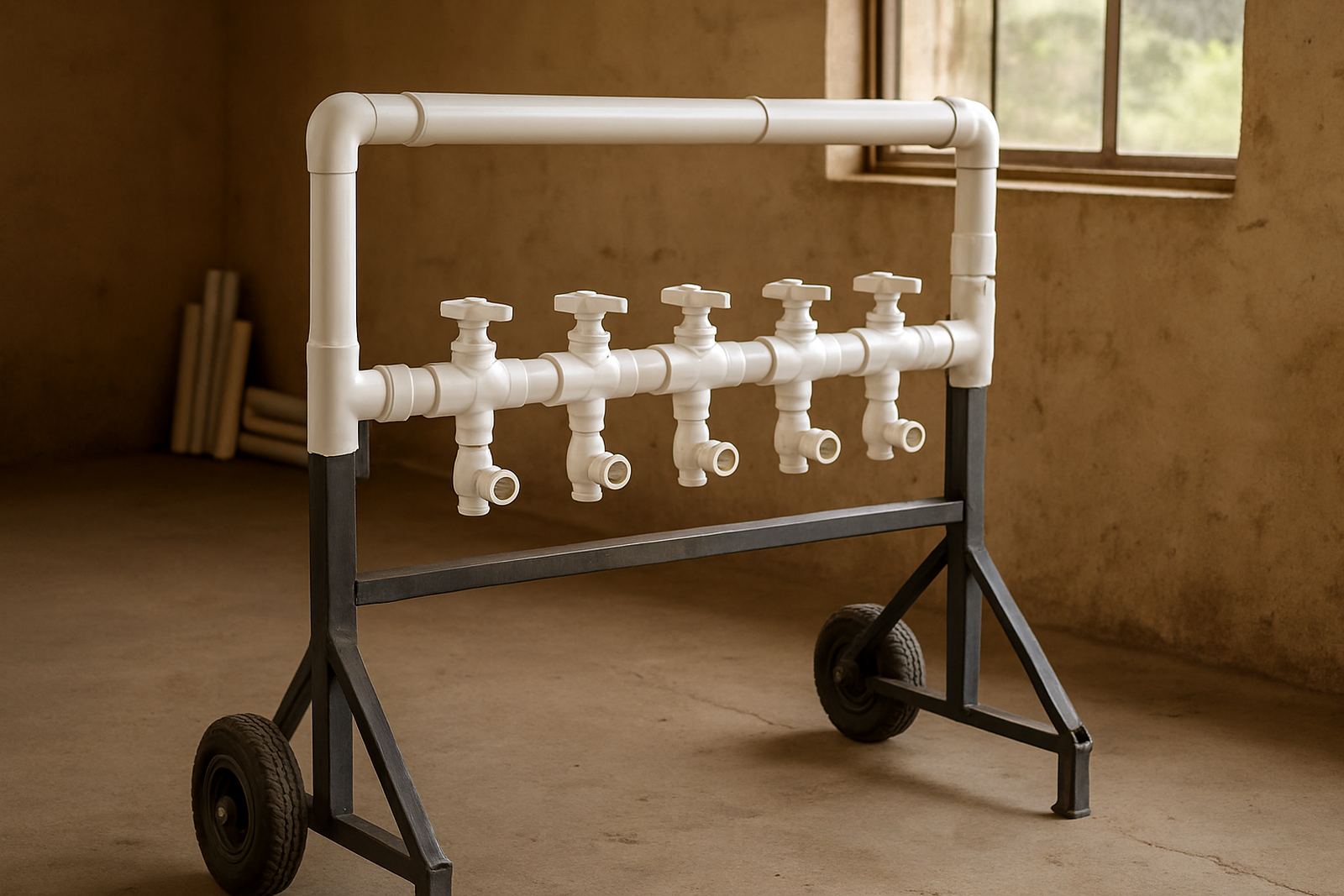
These gauges are used with irrigation pipework, pump outlets, filters, manifolds and testing points. They are practical for new installations and for regular maintenance on existing systems that need to keep running through load-shedding, dry spells and busy planting windows.
Sizes, ranges and connection options
Pressure gauges are available in a few common sizes and ranges so they can match the type of work being done. The right choice depends on whether you are checking low-pressure drip lines, medium-pressure sprinkler circuits or a pump line that needs wider operating room.
- Common dial sizes: 40 mm, 50 mm, 63 mm and 100 mm
- Typical ranges: 0 to 4 bar, 0 to 6 bar, 0 to 10 bar and 0 to 16 bar
- Connection sizes: 1/4 inch, 1/2 inch and selected adapter options
- Mounting styles: bottom mount, back mount and panel-style fitment
- Display units: bar and kPa, depending on the model
A smaller dial suits compact installations where space is tight, while a larger dial is easier to read at a glance on a pump house wall or testing board. A narrower range gives better reading detail for low-pressure systems, while a wider range is safer for higher-pressure pump lines and rougher field conditions. If the gauge needle will sit near the top of the scale during normal working pressure, it is usually the wrong range.
Where this gauge suits best on irrigation work
This product suits irrigation systems that need regular checking during installation, flushing, balancing and seasonal service. It is useful on drip systems, micro-sprays, sprinkler lines, filtration outlets and pump test points. Contractors often keep a few on hand for commissioning new sites, while farm teams use them for ongoing pressure checks after repairs or valve changes.
It also helps where a line runs over a long distance or across uneven land. Pressure can drop between the pump and the farthest point, especially on larger farms around Limpopo where runs may stretch across orchards, tunnels, vegetable blocks or landscaped grounds. A gauge makes that drop visible so the system can be adjusted properly instead of guessed at.
- Testing new pipe runs before backfilling or final fixing
- Checking filter pressure before and after cleaning
- Balancing sprinklers on separate zones
- Monitoring pump output during start-up and service work
- Helping with troubleshooting after a leak, blockage or valve issue
For work in municipalities or managed properties, a clear pressure reading also helps support sensible water use. It is easier to show that a line is set correctly when there is a proper gauge reading rather than relying on feel alone.
Installation basics and what the gauge needs to work
A pressure gauge does not need power or gas. It is a mechanical measuring tool, so it works from the pressure in the line itself. That makes it useful in remote areas, on temporary sites and during load-shedding when electrical testing gear may be out of action. A gauge can stay in service without batteries or a power supply, which is practical for day-to-day irrigation work.
Installation is usually straightforward, but the gauge must be fitted correctly to avoid leaks or damage. It should be tightened into a suitable threaded port or adapter and sealed properly. On active lines, the gauge should be fitted where the pressure can be read safely and without standing in the spray zone. If the system sees vibration from a pump, a dampened or well-supported mounting point can help reduce wear.
It is important to make sure the selected gauge can handle the line pressure. If the system is likely to spike during start-up or if a pump can surge under certain conditions, choose a model with a suitable safety margin. On irrigation lines that are opened and closed often, a gauge should also be positioned where it can be checked quickly without disturbing the rest of the installation.
Care, servicing and how to keep readings reliable
A pressure gauge should stay clear and easy to read. Dust, fertiliser residue and mud can build up on the face, so wipe it with a soft cloth and keep the lens free from scratches. If the needle starts jumping badly, sitting off zero, or moving sluggishly, the gauge may need replacement or closer inspection.
In outdoor use, the body and fittings can take a fair bit of punishment from sun, rain and handling. Coastal humidity can also work on metal parts over time, so it helps to protect the gauge from constant spray and unnecessary knocks. If a line is being pressure-tested often, remove and store the gauge properly when not in use. That simple step can extend service life quite a bit.
- Check the zero position before and after use
- Keep threads clean and undamaged
- Avoid overtightening during installation
- Protect from impact during transport and storage
- Replace gauges that show cracked lenses or erratic movement
For contractors and farm crews, it makes sense to keep a spare unit in the tool box or workshop. That way testing does not stop because one gauge has gone out of range or taken a knock on site. A clean, accurate gauge saves time and helps with better decision making.
What to check before you place an order
Before ordering, check the pressure range needed for the system, the dial size you prefer, and the thread size on the fitting point. A gauge that is too small is hard to read from a distance, while one with the wrong connection will slow down installation and may need extra adapters. It is also worth checking whether you want bottom or back mount, especially if the gauge must fit into a panel or be read from the front of a pump assembly.
Think about where it will be used. A farm line that sees dust, vibration and regular movement may need a different setup from a fixed landscape installation. If the gauge will be used for repeat order work across several sites, it helps to keep the same size and range throughout the job so readings are easier to compare.
We also recommend checking the type of work being done. Pressure testing, balancing and routine monitoring do not always need the same range. If you are unsure, send through the system details with your enquiry so the right option can be matched to the job. That is especially useful for contractors planning multiple installations, or for farms ordering in quantity for different blocks.
When you place an order, include the required quantity, connection size, pressure range and any mounting preference. If you need help comparing options for a pump house, filtration area or field line, we can assist with product selection, quantity checks and repeat order support.
Key facts
| Product type | Mechanical pressure gauge for irrigation testing and monitoring |
|---|---|
| Common ranges | 0 to 4 bar, 0 to 6 bar, 0 to 10 bar, 0 to 16 bar |
| Dial sizes | 40 mm, 50 mm, 63 mm, 100 mm |
| Connection sizes | 1/4 inch, 1/2 inch and selected adapters |
| Mounting options | Bottom mount, back mount, panel fitment |
| Power or gas needs | None, mechanical operation only |