What a Flange Adaptor Does in an Irrigation Line
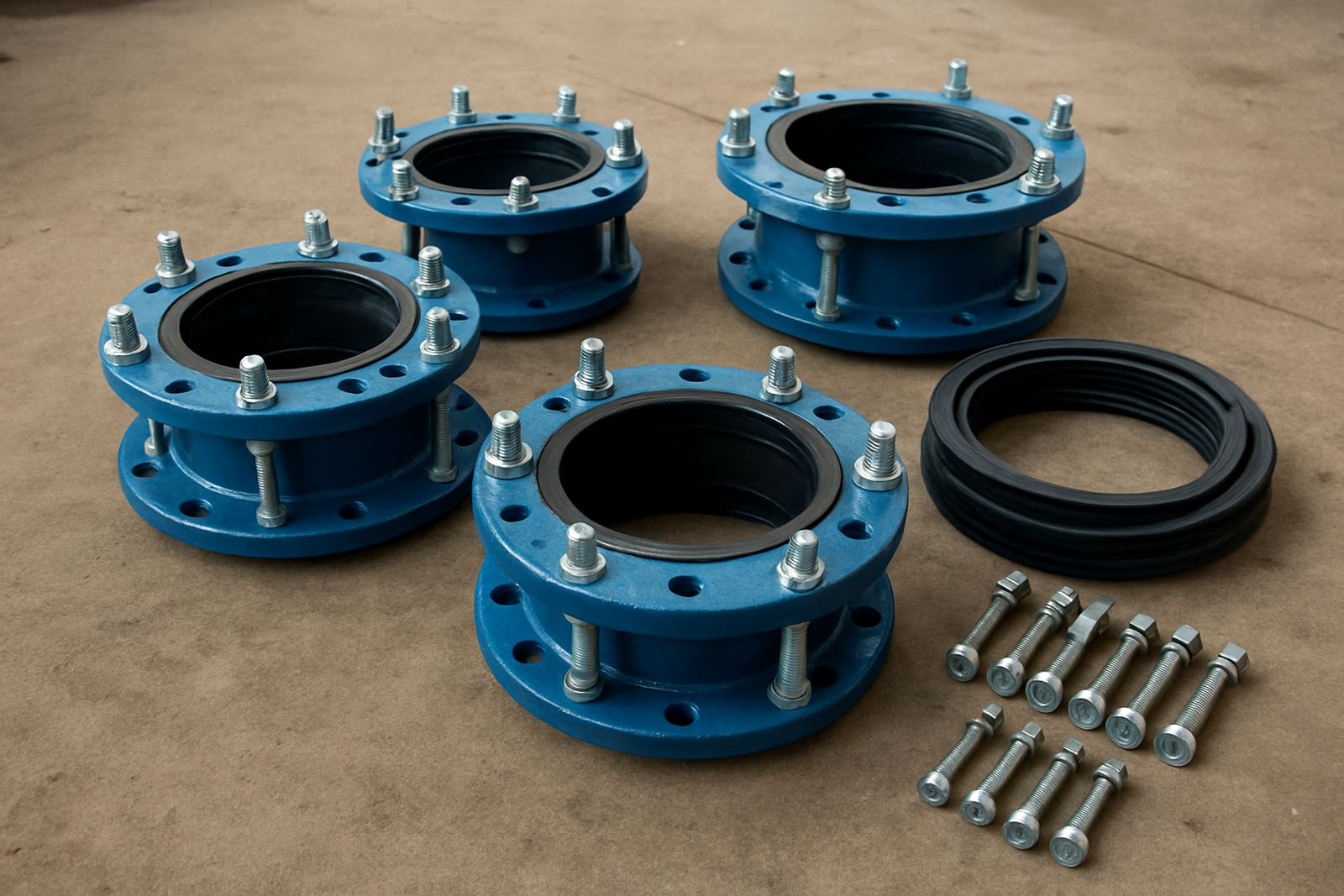
A flange adaptor gives you a practical way to move from a solvent-weld PVC pipe run to a flanged connection point. In plain terms, it turns a glued pipe end into a bolted joint that can connect to equipment, valve assemblies, filters, manifolds and other plant where a normal socket fit is not enough.
For irrigation work, this matters because the adaptor gives the installer a clean, secure changeover point that can handle regular opening and closing, plus the vibration and movement that come with pump stations and long field runs. On properties where sections are isolated for maintenance, a flange joint also makes it easier to remove a valve or repair section without cutting back too much pipe.
These fittings are commonly used where a PVC line meets steel equipment, bulk valves or a tank outlet. The adaptor is made for outdoor service, so it has to cope with UV exposure, heat, dust and the odd knock from tools or foot traffic. In coastal areas, it is also helpful where salty air and moisture can shorten the life of lesser fittings.
Sizes and Options for Local Irrigation Setups
Flange adaptors are available in a range of common metric sizes to suit irrigation systems across South Africa. The right size depends on your pipe diameter and the flange pattern on the equipment you are joining to. Matching the bolt circle and face style is just as important as matching the pipe size.
Typical options include 50 mm, 63 mm, 75 mm, 90 mm and 110 mm connections, with larger sizes available for main lines and pump house work. Some jobs need a socket style adaptor, while others call for a plain-end fitting that is solvent welded to the pipe and then bolted to the mating flange. In the wrong size, even a small mismatch can cause leaking, stress on the joint, or poor alignment during installation.
- Metric pipe sizes for common irrigation lines
- Flat face connection for bolted assemblies
- Suitable for valve sections, pump outlets and tank connections
- Works with standard solvent-weld irrigation pipework
Where Flange Adaptors Suit Best
These fittings suit farms, estates, sports grounds, nurseries and contractor installs where irrigation systems need strong connections and simple servicing. They are useful in pump houses, filter banks, header lines, booster setups and at points where a line changes from buried pipe to above-ground equipment.
They are also a good choice where system pressure changes often or where the line must be opened for cleaning. If you are running water across a large property in Limpopo, for example, a flange adaptor can help keep the line practical to service when a section needs replacement, without disturbing the rest of the irrigaton network.
For contractors, flange adaptors save time on site because they provide a repeatable connection point. That helps when you are working to municipal schedules, coordinating deliveries between Polokwane and surrounding areas, or planning installations around load-shedding and limited pump windows.
- Farm irrigation mains
- Landscape and estate irrigation
- Pump and valve assemblies
- Tank outlets and filter connections
Installation, Alignment and Power Considerations
Installation starts with a clean cut, proper pipe preparation and correct solvent welding. The pipe end must be square and free from dirt, grease and moisture. If the joint is rushed, the bond can weaken, especially on hot days when solvent evaporates quickly or in dusty conditions common on site.
Once the adaptor is glued, align it carefully with the mating flange before tightening the bolts. The face should sit evenly, with the gasket or sealing surface correctly placed. Do not pull the pipes into position with the bolts. That can twist the joint and create a leak point later on.
These fittings do not need gas or electrical power to function, but the system they connect to may depend on a pump, controller or pressure source. During load-shedding, it is worth checking that the installation allows for easy isolation and restart. If you are using powered pumping equipment, leave enough access around the flange area for maintenance and safe shut-off.
- Use the correct solvent cement and primer where required
- Check bolt torque evenly across the flange
- Allow proper curing time before pressurising
- Leave access for future maintenance and inspection
Care, Servicing and Long-Term Use
Flange adaptors need little day-to-day servicing, but they should be inspected from time to time. Look for signs of seepage, loose bolts, surface cracking or white stress marks around the pipe end. A quick check after the first pressure test is useful, then again after a few days of operation and after heavy rainfall or a pump restart.
If the system is used on a dusty farm road or near fertiliser handling areas, wipe the joint area clean so you can see any early problems. In hotter regions, excess sun can age exposed pipework, so shade and proper support brackets help protect the fitting. In coastal humidity, check metal bolts and mating hardware more often, since corrosion can affect the seal over time.
When a flange needs to be opened, loosen the bolts evenly and avoid prying against the pipe. If the gasket is damaged, replace it rather than reusing a flattened seal. That small step can prevent repeated call-backs and keeps the line reliable through the season.
What to Check Before You Order
Before placing an order, confirm the exact pipe size, the flange size and the connection type on the equipment you are joining. Measure the outside diameter if you are unsure, and note whether the mating face is flat, raised or part of an existing valve body. This helps avoid delays and returns.
You should also check the working pressure of the line, the number of bolt holes, the bolt spacing and whether you need matching hardware or a gasket. If the adaptor is going into a high-flow section, ask for advice on the best size to reduce restriction and protect pressure over long distances.
For projects across Limpopo, quantity checks matter as well. A farm order may need spare fittings for repairs, and a contractor may want a small buffer stock for unexpected changes on site. If you are unsure, send through the details on the enquiry form and request product matching before dispatch so the right item arrives first time.
- Pipe size and connection pattern
- Operating pressure and line purpose
- Bolt count and flange face type
- Whether you need gasket and hardware support
Key facts
| Product type | PVC solvent-weld flange adaptor |
|---|---|
| Common sizes | 50 mm, 63 mm, 75 mm, 90 mm, 110 mm |
| Use case | Joining PVC pipe to flanged equipment or valve sections |
| Material | Durable PVC for outdoor irrigation service |
| Installation | Solvent weld to pipe, then bolt to matching flange |
| Typical application | Farm mains, pump houses, valve banks, tank outlets |