
What a male adaptor does in an irrigation line
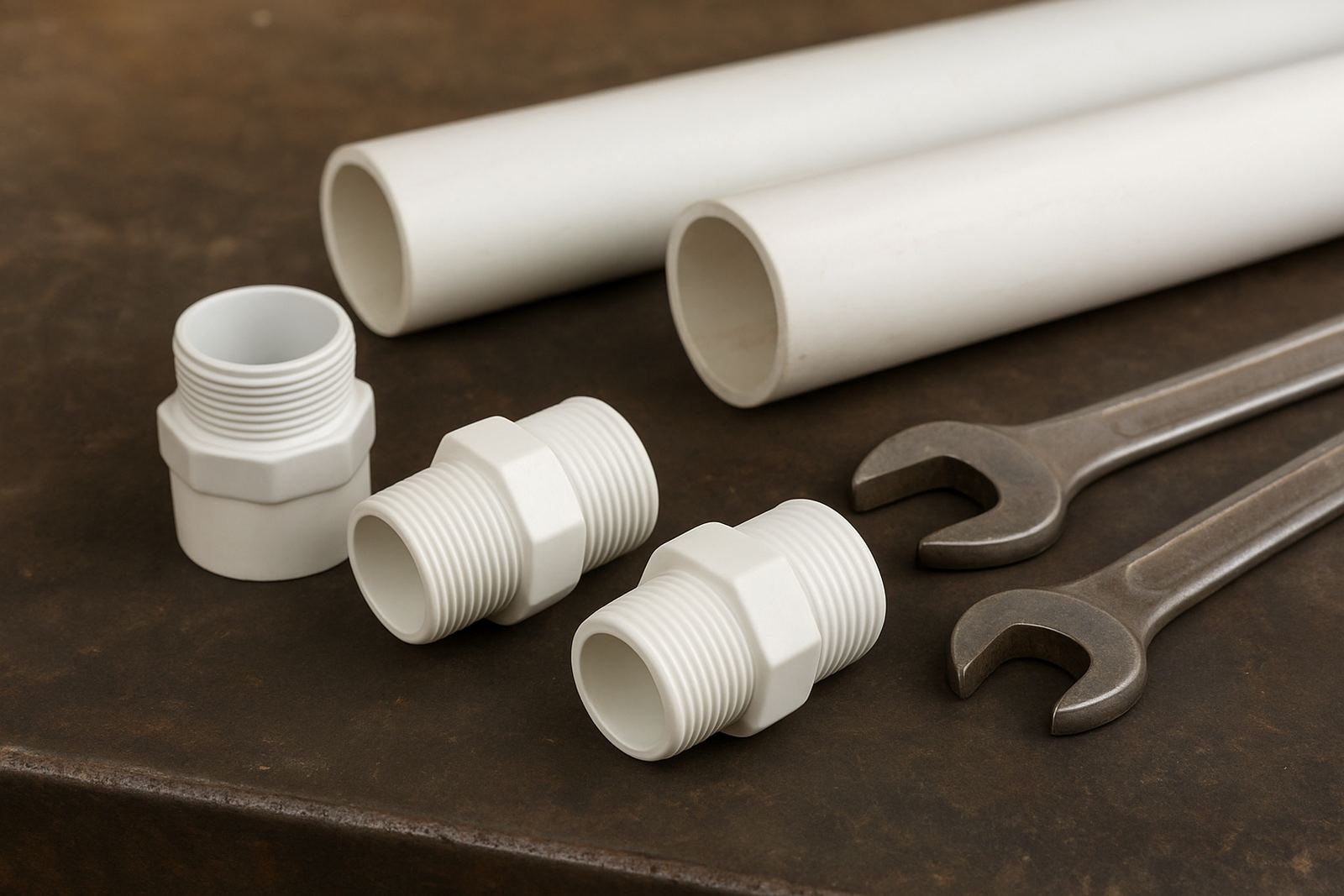
A male adaptor is used where one side of the connection is solvent-weld and the other side needs an external thread. In practical terms, it lets you link PVC pipe or fittings to valves, filters, pumps, manifolds, tanks, taps and other threaded components used on irrigation systems. The solvent side is glued into the pipe run, while the threaded side screws into the mating female fitting, making it a handy transition piece on both fixed and portable layouts.
For farms, estates and landscaping crews, this fitting is especially useful where equipment changes from one section to the next, or where a branch line needs to be removed for servicing. Because it is a common joiner in water systems, the fit needs to be neat and square. If the adaptor is forced in at an angle, the thread can cross and the seal will suffer. In dusty field conditions and under direct sun, that kind of poor connection will show up quickly.
These fittings are made for irrigation water lines, not for gas or high heat applications. They are also not a substitute for proper pressure-rated fittings where the line is carrying water under working pressure. Select the right size and thread type from the start, and you save time later on site.
Available sizes, thread options and fitting styles
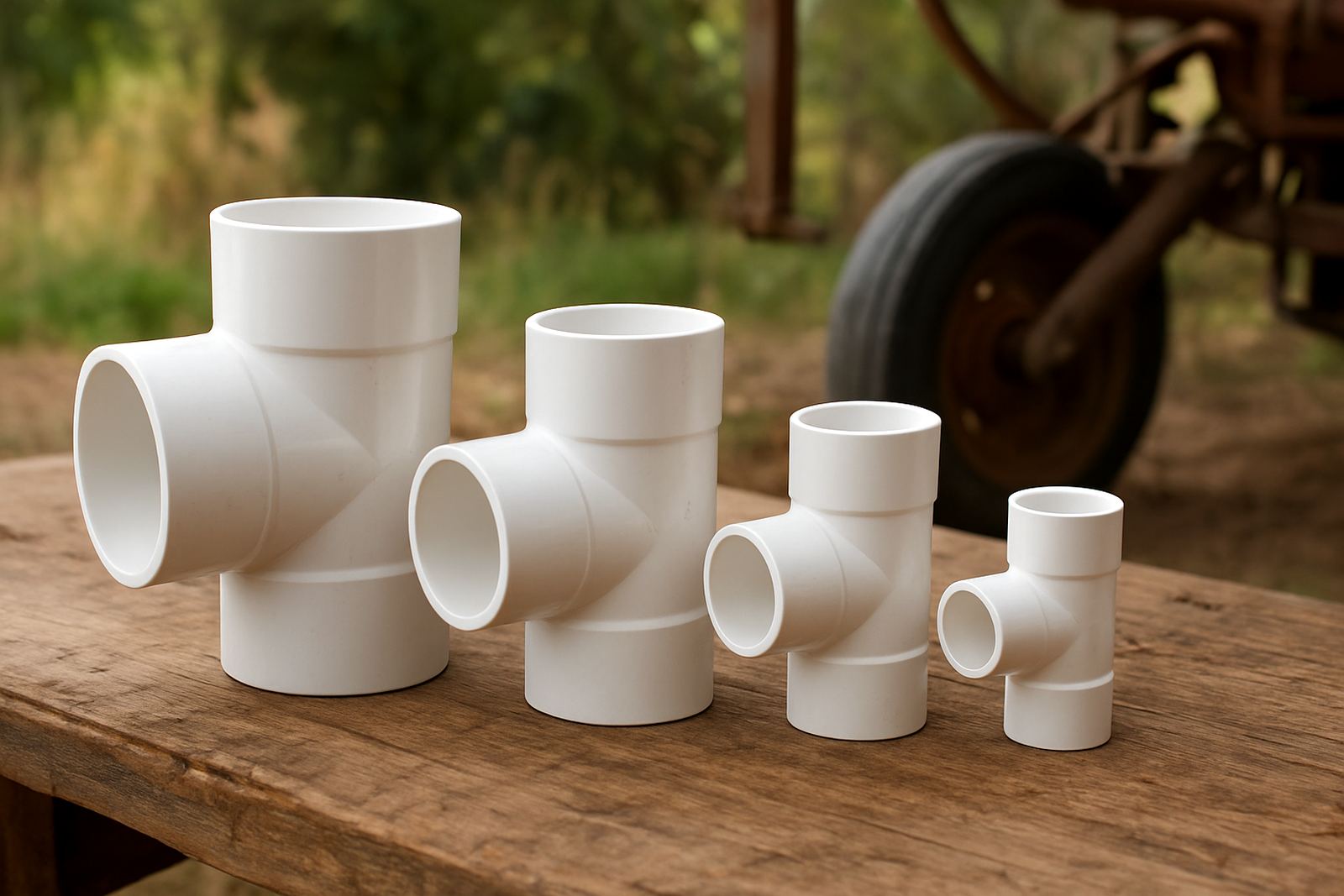
Male adaptors are supplied in common irrigation sizes so they can suit domestic, agricultural and commercial layouts. The most used sizes are 20 mm, 25 mm, 32 mm, 40 mm, 50 mm and 63 mm solvent-weld ends, paired with matching threaded ends. The threaded side is typically used with standard irrigation fittings, so it is important to confirm the exact thread size before ordering. A small mismatch can stop a whole section from being connected properly, especially when you are working off an existing line with mixed parts.
- Solvent-weld spigot end for PVC pipe connections
- Threaded male end for female threaded fittings
- Pressure-rated body suitable for irrigation systems
- Compact form for tight valve boxes and manifold spaces
- Options that suit repair work, new installs and extensions
For site work around Polokwane, Ladanna and the wider Limpopo region, contractors often keep a spread of sizes in the truck because one field line can call for more than one adaptor size. On farms with multiple blocks, you may have a mainline in one size and a smaller branch line feeding a sector valve, so stock planning matters. A little extra on hand saves a return trip when the job is already 40 km from base.
Where a male adaptor works best on site
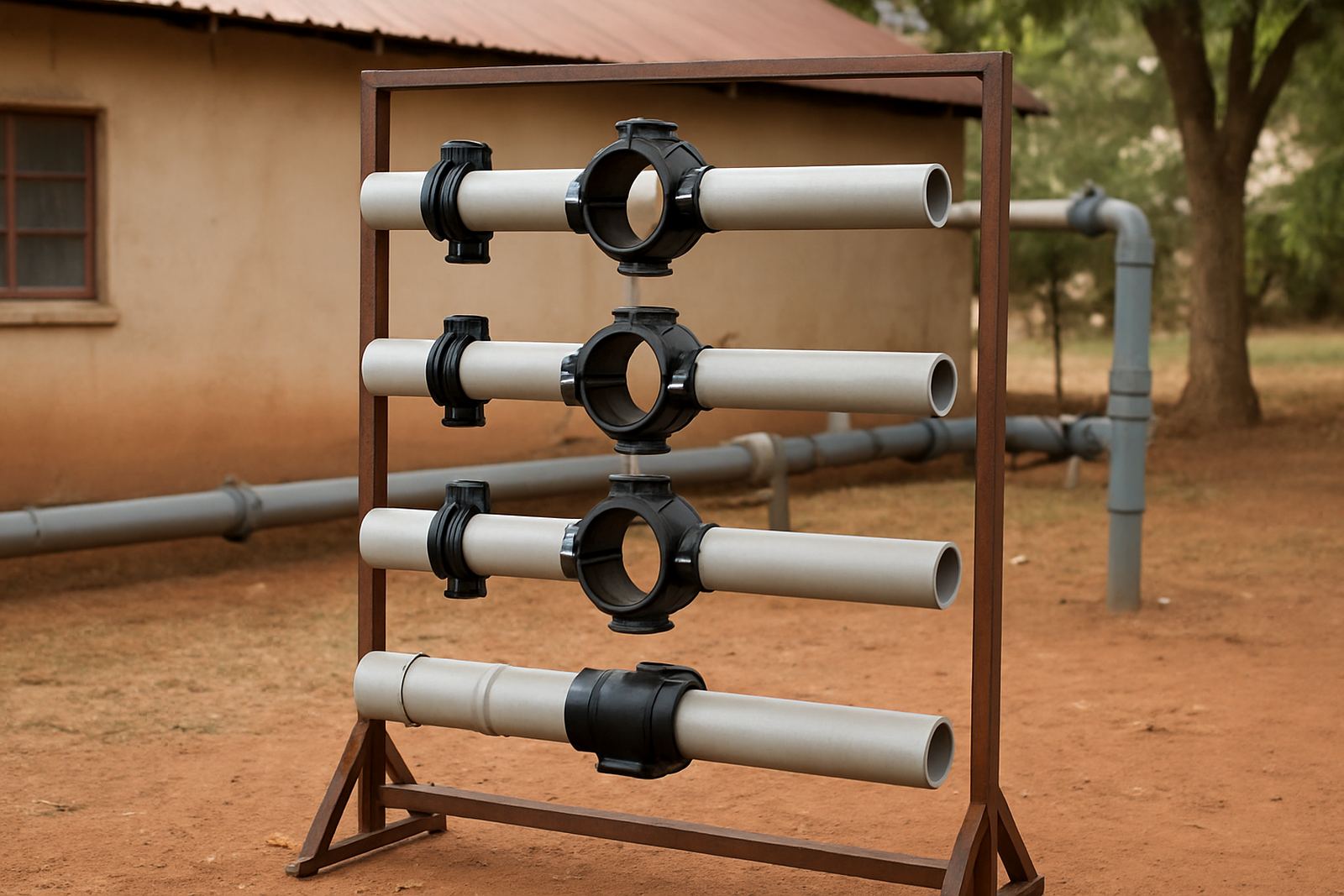
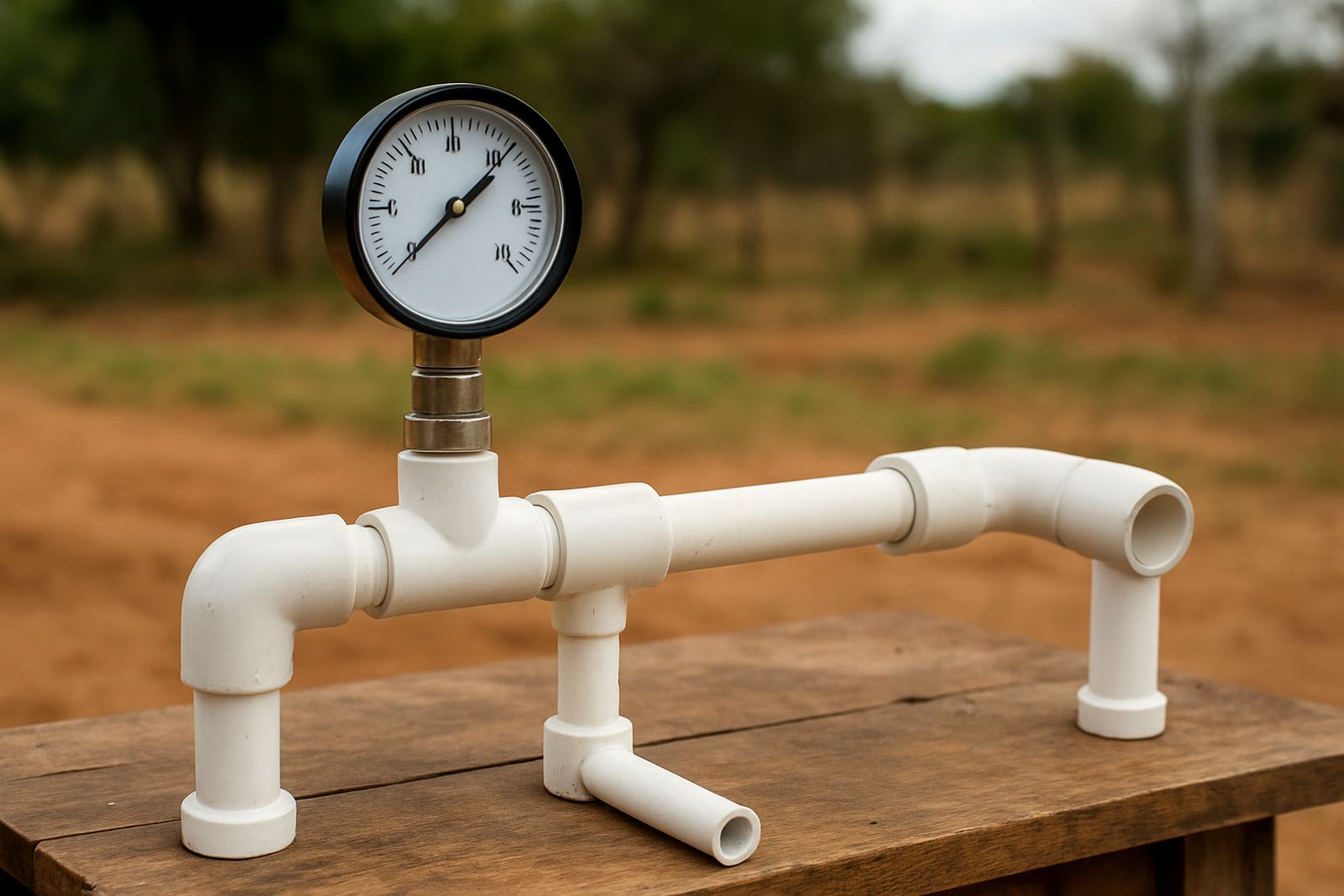
This fitting is suited to any irrigation assembly that needs a transition between glued PVC and threaded components. You will see it used on pump connections, pressure gauges, filters, control valves, tank outlets, risers, repair couplings and manifold assemblies. It is also useful when replacing an old part that has a threaded outlet and you need to tie it into a fresh section of pipe without changing the full setup.
Male adaptors are common in permanent irrigation lines because they allow components to be removed for cleaning or servicing. That matters in areas with sediment in the water, borehole supply, or systems that run through dusty conditions where screens and filters need regular attention. On coastal installations, or where humidity is high, a correct fitting with a proper seal helps reduce wear and loose joins over time.
They also suit contractor work where speed and consistency are important. If you are building in stages, or matching new pipe to older equipment, the adaptor gives you a tidy transition point. It is small, but it keeps the line organised and easier to maintain.
How to install it properly
Installation starts with checking that both ends match the job. The solvent-weld side must match the pipe size exactly, and the threaded side must match the female fitting it will enter. Cut the pipe cleanly, remove burrs, and make sure the end is dry and dust-free before applying solvent cement. A rough cut or dirt on the pipe can affect the bond, especially in hot weather when the cement flashes off more quickly.
When tightening the threaded side, use the correct sealing method for the thread type and do not overtighten. Hand-tight plus a controlled final turn is usually better than forcing it hard with a tool. Excess force can split the female fitting or distort the thread, and that becomes a problem when the line is pressurised. In irrigation work, a fitting that is too tight is sometimes worse than one that is slightly under tension.
- Check pipe diameter and thread size before you start
- Dry-fit the connection first, then glue once aligned
- Allow solvent joints to cure before pressurising the line
- Support the pipe so weight is not hanging on the adaptor
- Test for leaks at low pressure before full operation
If the system is being installed during load-shedding windows or in a hurry between watering cycles, keep the sequence organised so there is no rush at the jointing stage. Good prep saves rework. A neat fitting now is easier to service later.
Care, servicing and long-term use
A male adaptor needs very little maintenance once it is installed, but the surrounding system still deserves regular checks. Look for drips at the thread, signs of stress at the solvent side, and movement where the pipe may be pulling under pressure. On vibration-heavy setups or where pumps cycle often, fittings can loosen over time if the line is not properly supported.
During routine servicing, inspect the adaptor for surface wear, cracking, or UV damage if it is exposed above ground. Long sun exposure can shorten the life of any plastic fitting if it is not protected. If the system is running in a dusty environment, rinse the area around the joint before opening it so grit does not enter the line. A blocked thread or dirty seal face can cause leaks after a repair that looked fine on the day.
If a fitting has been removed more than once, check the threads carefully before reusing it. Damaged threads might still screw in, but they will not hold under pressure as they should. In irrigation, small issues often start with a join that was treated as if it were just another piece of plastic. It isn’t, because it is doing sealing work every time the line runs.
What to check before you place an order
Before ordering male adaptors, confirm the exact pipe size, the thread type, and how many units you need for the full run. If you are matching older equipment, check whether the female side is BSP or another standard used on your system. It also helps to note whether the fitting will be buried, left exposed, or housed inside a valve box, because that affects how much support and protection the connection needs.
- Pipe diameter in millimetres
- Thread size and thread type
- Working pressure of the line
- Whether the fitting is for new work or a repair
- Exposure to sun, dust, moisture, or chemical dosing
- Quantity needed for the full block or section
For contractors and growers ordering from Limpopo to the rest of South Africa, it is worth sending the full list at once instead of buying pieces one by one. That makes quantity checks easier and helps keep the right fittings together in the same order. If you are planning a larger irrigation job, ask for stock reserving so the sizes you need are ready when the work starts.
Key facts
| Product type | PVC solvent-weld male adaptor for irrigation systems |
|---|---|
| Connection ends | Solvent-weld spigot to threaded male end |
| Common sizes | 20 mm, 25 mm, 32 mm, 40 mm, 50 mm, 63 mm |
| Use case | Transition between PVC pipe and female threaded fittings |
| Installation method | Solvent cement on pipe side, threaded sealing on female side |
| Typical use locations | Pumps, filters, valves, manifolds, tanks and repair work |