What a marking pen does on an irrigation job
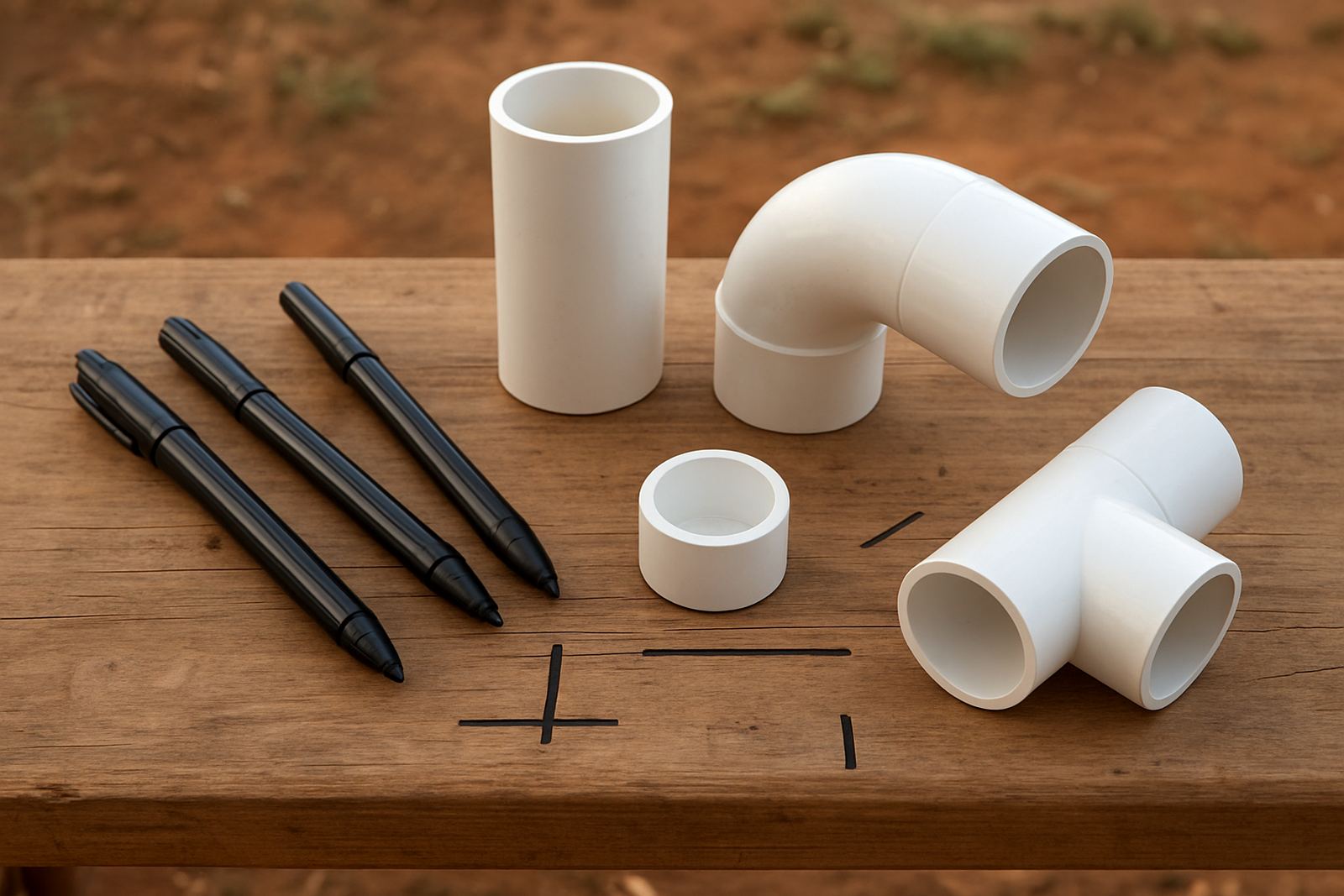
A marking pen is a simple but important tool for any PVC pipe job. It is used to mark insertion depth on pipe ends, show cut points, tag valve lines and keep sections identified during assembly. On irrigation work, that matters because a small marking error can lead to poor joint depth, wasted fittings or a line that does not sit straight once the system is pressurised.
For farmers, landscapers and contractors, a permanent marking pen gives you a clear line on wet, dusty or slightly oily pipe surfaces. It is practical for poly and PVC work, and it helps when teams are working across a long trench run or on a pump layout where every joint must be repeated the same way. If you are doing repairs in the heat or under load-shedding time pressure, a quick mark is often the difference between a clean install and a rework.
These pens are made for site use, not office use. The ink is meant to stay visible long enough for installation, sorting and checking, even when the pipe is handled outdoors. The point is to keep work accurate and consistent, especially when more than one person is working on the same line.
Sizes, tip styles and colour options
Marking pens are usually supplied as single units or in packs, depending on how many crews you need to equip. Common options include fine tip and medium tip styles. Fine tips suit exact insertion marks and small write-on labels, while medium tips are better when you want a bolder line that is easier to see from a standing position.
- Fine tip for depth marks, fitting positions and small notes
- Medium tip for line marking on larger diameter pipe
- Permanent ink for outdoor irrigation use
- Quick-dry formula for handling soon after marking
- Black, blue or red options depending on visibility and job sorting
Some crews prefer one colour for cut marks and another for joint depth or inspection notes. That keeps the layout easy to read when you return to a trench after a lunch break or the next day. On bigger jobs, colour coding also helps when different pipe sizes are stored together on site.
If you are ordering for a contractor team, it is usually best to keep a few spare pens in each vehicle, because caps get lost and pens get shared. A pen that writes clearly and dries fast can save a lot of faffing about on a long day.
Where this pen suits best
This product suits irrigation fitting, pipe cutting, maintenance and system assembly in almost any outdoor setting. It is useful on farms, nursery installations, estates, municipal work, landscaping projects and contractor runs where pipe needs to be measured, marked and joined accurately.
It is especially handy in places where the weather is not kind to tools. In Limpopo heat, ink that dries too slowly can smudge. Near coastal areas, humidity can also affect handling, so a fast-drying permanent pen is a better choice than a general writing pen. On dusty sites, a bold mark helps you keep track of cut lengths and fitting positions even if the pipe is moved around before installation.
For irrigation systems, the marking pen is commonly used alongside solvent-weld fittings, cutters, tape measures and deburring tools. It works for:
- Insertion depth marks on pipe ends before gluing
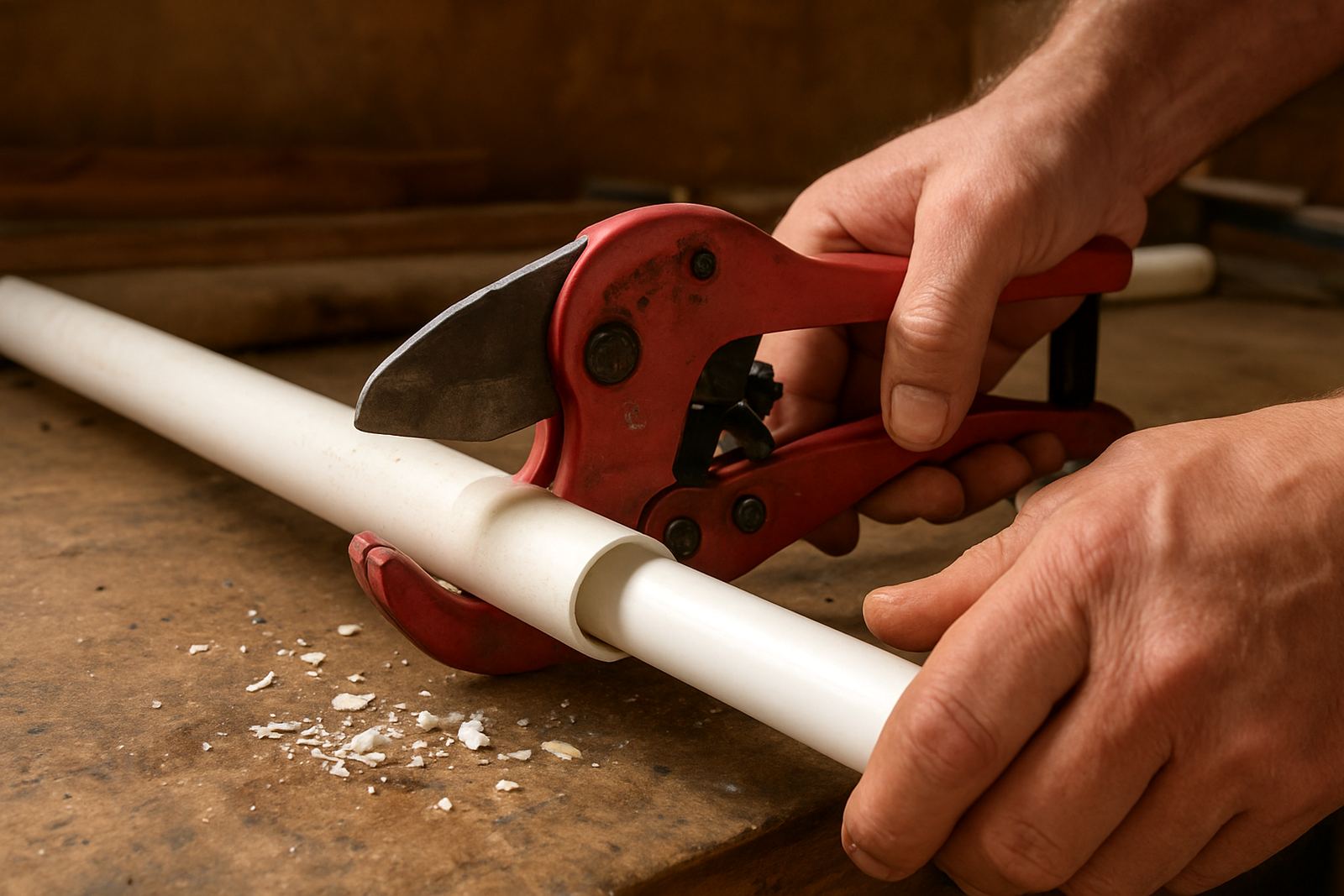
- Cut references when measuring multiple identical lengths
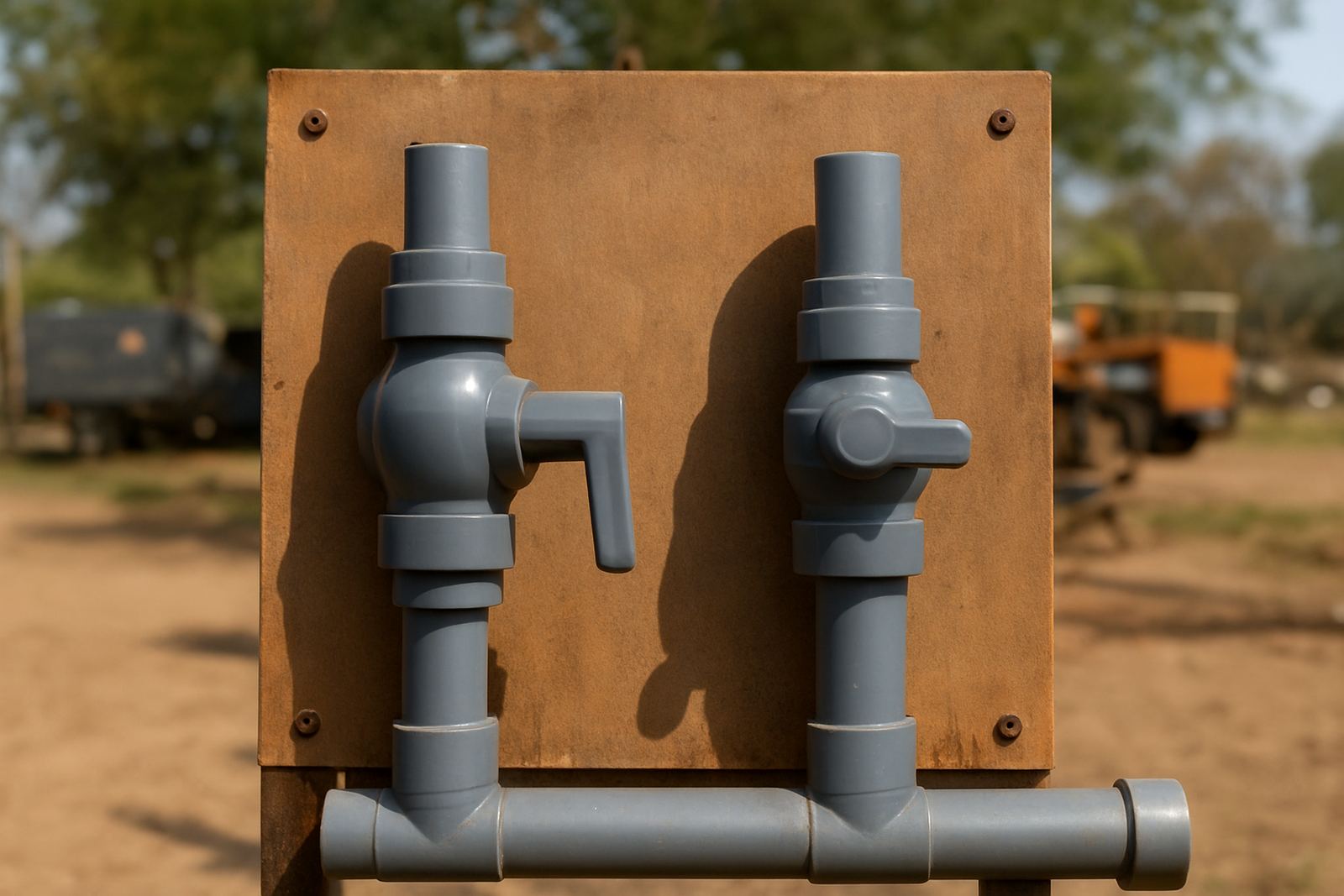
- Valve and branch identification during layout
- Repair notes on existing lines
- Batch sorting for contractor stock and farm order planning
It is also useful when a job is split across more than one crew. A clear mark keeps the next person on site from guessing where a joint should sit. That saves time and reduces mistakes.
Installation use and site conditions
A marking pen does not need any power or gas, so it is one of the easiest tools to carry to site. There is no charging, no fuel, and no warm-up time. You just open the cap and mark the pipe. That makes it useful during load-shedding, on remote farm runs and on properties where there is no reliable electricity in the work area.
For the best result, make sure the pipe surface is reasonably clean and dry before marking. Dust, mud and condensation can reduce the clarity of the line. If the pipe is damp, wipe it first if possible, then mark and allow the ink a moment to set. On smooth pipe, a light pressure is usually enough. Pressing too hard can make the line too thick, which is not ideal when you need an exact insertion mark.
Use the pen at the stage of work that suits your process. Some teams mark every pipe before cutting, while others cut first and then mark insertion depth before gluing. Either way works, as long as the method is consistent. For contractors, consistency matters because it helps everyone on the team follow the same standard. It also makes it easier to check work at the end of the day, which is worth doing on any irrigation install.
Care, storage and servicing on the job
Marking pens need very little servicing, but a bit of care will make them last longer. Always replace the cap properly after use so the nib does not dry out. Keep the pen out of direct sun when possible, especially in a bakkie cab or tool crate, because heat can shorten ink life. On dusty jobs, store it in a pouch or closed box rather than loose in the tray.
If the pen stops writing well, check the nib for dust or dried residue. Wipe it gently if needed and test it on a scrap piece of pipe before deciding it is finished. Some pens can recover after a short pause if the cap was not fully sealed. If the ink has faded or the tip is damaged, replace it rather than trying to push through a long job with weak marks.
For teams handling repeat order support and stock reserving, it helps to keep pens grouped with cutters, measuring tools and jointing supplies. That way the team does not arrive on site without a marker, which happens more often than it should.
- Keep the cap on after each use
- Store away from direct heat and sunlight
- Keep nibs clean and free of grit
- Check the mark on a sample pipe first
- Replace pens that have dried out or lost point shape
What to check when ordering the right pen
When placing an order, check the tip size, ink colour, drying speed and whether the pen is intended for indoor or outdoor work. For irrigation use, you want a permanent pen with clear visibility on PVC and similar pipe surfaces. If the job involves fine marking on small bore pipe, choose a finer tip. If the crew needs to see the line from a distance, a broader tip may be better.
Also think about how the job is being run. A farm order with multiple crews may need the same pen style across all vehicles, while a contractor doing mixed work might want a few colours for different pipe sizes or stages. If you are ordering for a store room or branch base in Ladanna, it may also help to keep a reserve quantity on hand for urgent pickups and regional delivery runs.
Before you confirm, ask these practical questions:
- Will the marks be used on dry, wet or dusty pipe?
- Do you need a fine or medium tip?
- Is one colour enough, or do you need colour coding?
- How many crews will share the stock?
- Will the pens sit in a vehicle for long periods?
- Do you need repeat supply for ongoing irrigation work?
Key facts
| Product type | Permanent marking pen for irrigation and PVC pipe work |
|---|---|
| Tip options | Fine tip and medium tip |
| Ink behaviour | Quick-dry, permanent marking for outdoor use |
| Common colours | Black, blue and red |
| Power or gas needed | None |
| Typical use | Insertion depth marks, cut references and system identification |