What a Pipe Cutter Does On Irrigation Lines
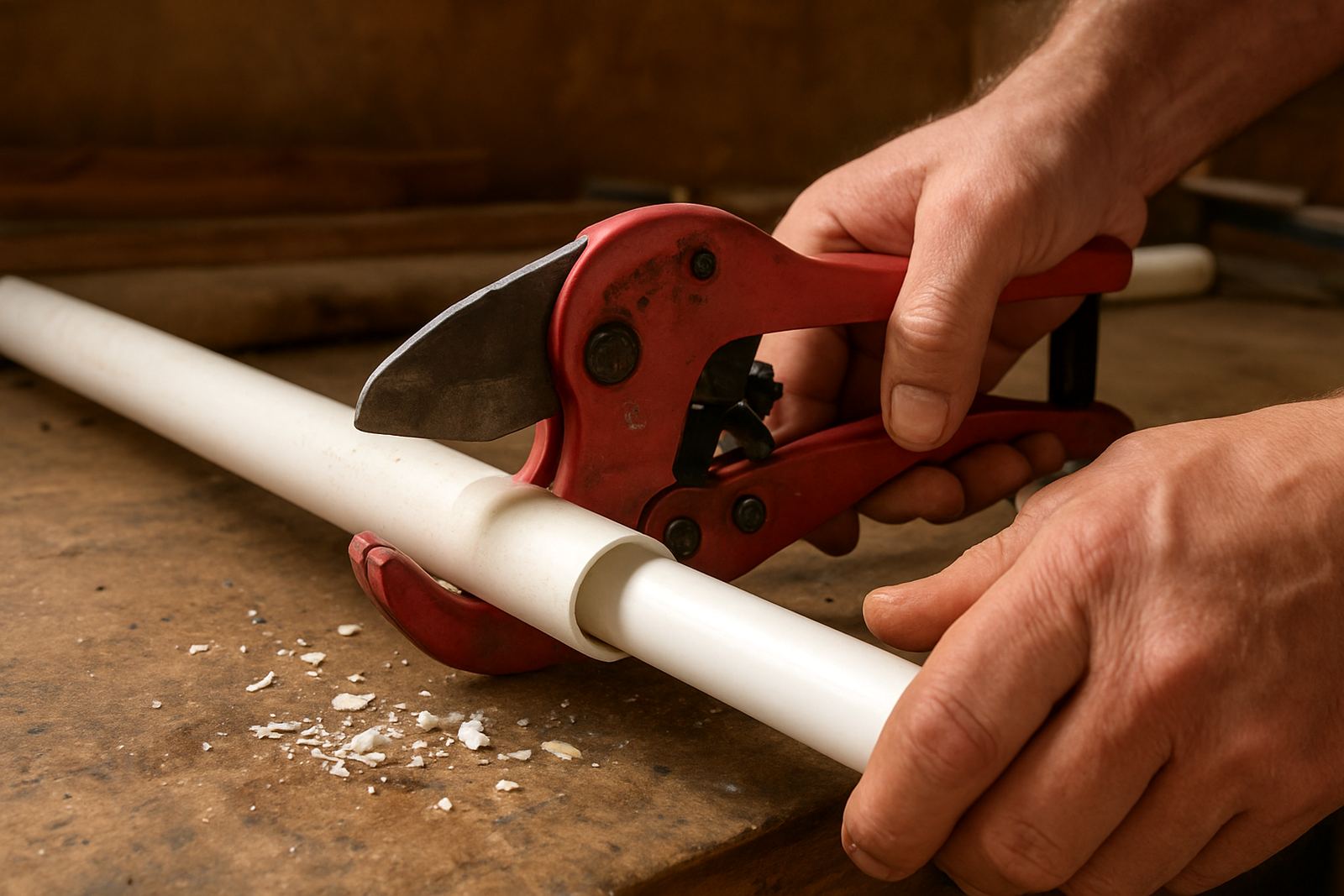
A pipe cutter is used to cut PVC pipe to a straight, square end, which matters when you are joining pipe with solvent cement. A square cut gives the fitting full contact around the joint, so the pipe seats properly and the glue line stays even. That helps on mainlines, sub mains and short repair sections where a rough cut can cause leaks or make the joint pull out under pressure.
For irrigation work, the main job is consistency. A cutter gives cleaner edges than a hacksaw and leaves less burr inside the pipe. That means water flow is not interrupted by ragged plastic, and the installer spends less time cleaning up the cut before making the joint.
Sizes And Cutting Options For Site Work
Different irrigation jobs call for different pipe diameters, so the right cutter depends on the sizes you work with most often. Smaller hand cutters are handy for quick repairs, while larger ratchet or heavy duty cutters suit thicker wall pipe and repeated use on busy sites.
- Light hand cutters for smaller PVC pipe on drip and garden lines
- Ratchet cutters for cleaner cuts with less hand strain
- Heavy duty cutters for larger diameter irrigation pipe
- Replacement blades for ongoing site use
- Portable tools for field repairs where there is no workshop nearby
On farms around Polokwane, Mokopane and Tzaneen, one cutter may be used for a mix of repairs, extensions and new runs. It helps to choose a model that matches the biggest pipe you install often, not only the smallest line in the system.
Where This Tool Fits Best On South African Sites
Pipe cutters suit irrigation installers, farm maintenance teams, landscapers and contractors who need repeatable cuts with less waste. They are useful for new installs, valve chamber adjustments, pump house plumbing and emergency repairs after accidental line damage.
They are also practical in conditions that are common across Limpopo, including dust, heat and fieldwork away from power. Because the tool is manual, it is not affected by load-shedding and does not need fuel or charging. That makes it a good choice for remote work where a tidy cut still has to be done quickly, even when the weather changes or the truck is already loaded.
- Farm irrigation installation and repair
- Landscape watering systems
- Contractor maintenance callouts
- Pump house and tank line adjustments
- Quick cut backs during stock take upsizing or rerouting
Installation, Power Needs And Safe Use
A pipe cutter does not need electricity, batteries or gas, so it can be used anywhere the pipe can be reached. That makes it ideal for field work, irrigation trenches and on site adjustments where there may be no practical power supply. The main requirement is a stable grip on the pipe and enough clearance to complete the cut without twisting the line.
For safe use, place the blade on the marked cut line and work steadily, rather than forcing the cut. Keep hands clear of the blade path and check that the pipe is supported so it does not collapse while cutting. On larger pipe, a second person can hold the line steady, especially where the pipe is already laid in a trench or clipped to a frame. A clean cut now saves time when you prime and cement the joint later, and it helps the fitting sit square the first time.
Care, Blade Condition And Servicing
Good care keeps the cutter cutting straight and reduces drag on the blade. After use, wipe off dust, mud and adhesive residue, especially if the tool has been used near wet ground or in coastal humidity. Store it dry in a toolbox or service kit, not loose on a trailer where the edge can chip or the spring can weaken.
Check the blade for nicks, dull spots or uneven wear. A blade that is not sharp can crush the pipe edge instead of slicing it, which makes the joint harder to prepare. If the cutter has a ratchet action or moving parts, keep them clean and lightly serviced so the handle closes smoothly. On busy contractor work, it is worth keeping a spare blade or a backup cutter in the truck.
- Clean after every job
- Inspect the blade before use
- Keep the moving parts dry and free of grit
- Store separately from loose metal tools
- Replace worn blades before they start crushing pipe
What To Check Before You Order
Before placing an order, confirm the pipe sizes you cut most often, the type of PVC you use, and whether you need a general purpose tool or a heavier model for repeated site work. It also helps to know if the cutter will be used by one person or shared across a crew, because comfort and handle effort matter over a long day.
When ordering from us in Ladanna, Polokwane, clients often ask for help matching the cutter to the pipe and fittings on their irrigation layout. That is especially useful when the job includes repair work, stock reserve needs or a mix of contractor and farm orders. If you are not sure, send through the pipe size and the sort of work you are doing, and we can help narrow it down without wasting time on the wrong tool.
- Pipe diameter and wall thickness
- Expected daily use on site
- Need for spare blades
- Whether the job is new installation or repair work
- Storage conditions in a truck, workshop or field kit
Why Clean Cuts Matter For Solvent Weld Fittings
Solvent weld joints depend on pipe ends that fit properly and bond evenly. If the cut is crooked, burred or crushed, the fitting may not seat fully and the cement can pool in the wrong place. That can weaken the joint or create a future leak, which is a bigger problem when the line is buried or already running under pressure.
Using a pipe cutter is a small step that supports the whole system. It helps the installer work faster, reduces the need for trimming after cutting, and keeps the finish neat. For irrigation work across Limpopo and nationwide courier orders, that kind of consistency matters because the pipe has to be ready for fitting the moment it leaves the cut. It keeps the job moving, and it saves a lot of fuss later on.
Key facts
| Type | Manual pipe cutter for PVC irrigation pipe |
|---|---|
| Cut finish | Clean, square cut with reduced burrs |
| Typical use | Irrigation installation, repair and maintenance |
| Power requirement | None |
| Suitable pipe | PVC pipe used in solvent-weld irrigation systems |
| Supply | Available from Ladanna, Polokwane with courier dispatch nationwide |