What an end cap does on an irrigation line
An end cap is a simple solvent-weld fitting that seals the end of a PVC irrigation pipe. It stops water from escaping, keeps pressure where it should be, and lets you isolate a section of line while you test, flush or rework the rest of the system. For new installs, an end cap also gives you a neat termination until the next phase is ready. That makes it useful on farms, gardens, estates and contractor jobs where the layout may change later.
In practice, end caps save time on site because you do not need to cut and remake the line every time you want to section off a branch. They are also handy when a run must end at a boundary wall, valve point or block end on a maize, citrus or landscaping line. If you are planning a future extension, a properly fitted cap keeps the pipe end protected from dust and knocks, which is important in dry inland areas and on dusty farm roads.
Sizes, pressure classes and fitting types available
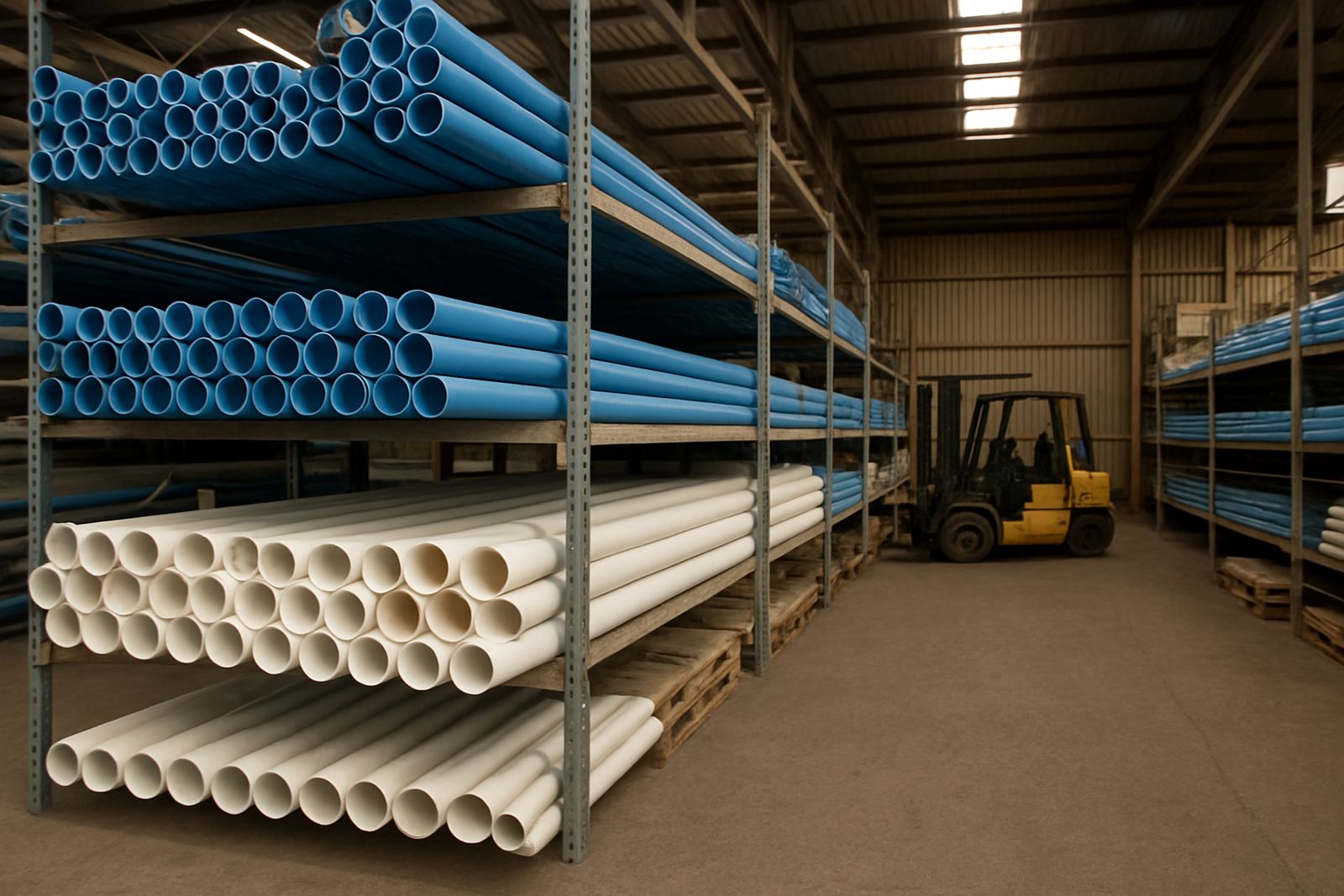
End caps for irrigation are supplied in common PVC diameters to match standard pipework. The right size depends on the pipe outside diameter and the pressure class of the line. Matching the cap correctly is important because a loose fit can leak and an oversized cap will not bond properly during solvent welding. For contractors working with mixed stock, it is always worth checking the pipe markings before ordering.
- Typical sizes: 20 mm, 25 mm, 32 mm, 40 mm, 50 mm, 63 mm and larger where specified
- Pressure matching: must suit the pipe class and system pressure
- Fitment style: solvent-weld socket for permanent closure
- Use on: mainlines, submains and lateral ends depending on the design
- Colour and finish: usually plain PVC, easy to identify on site
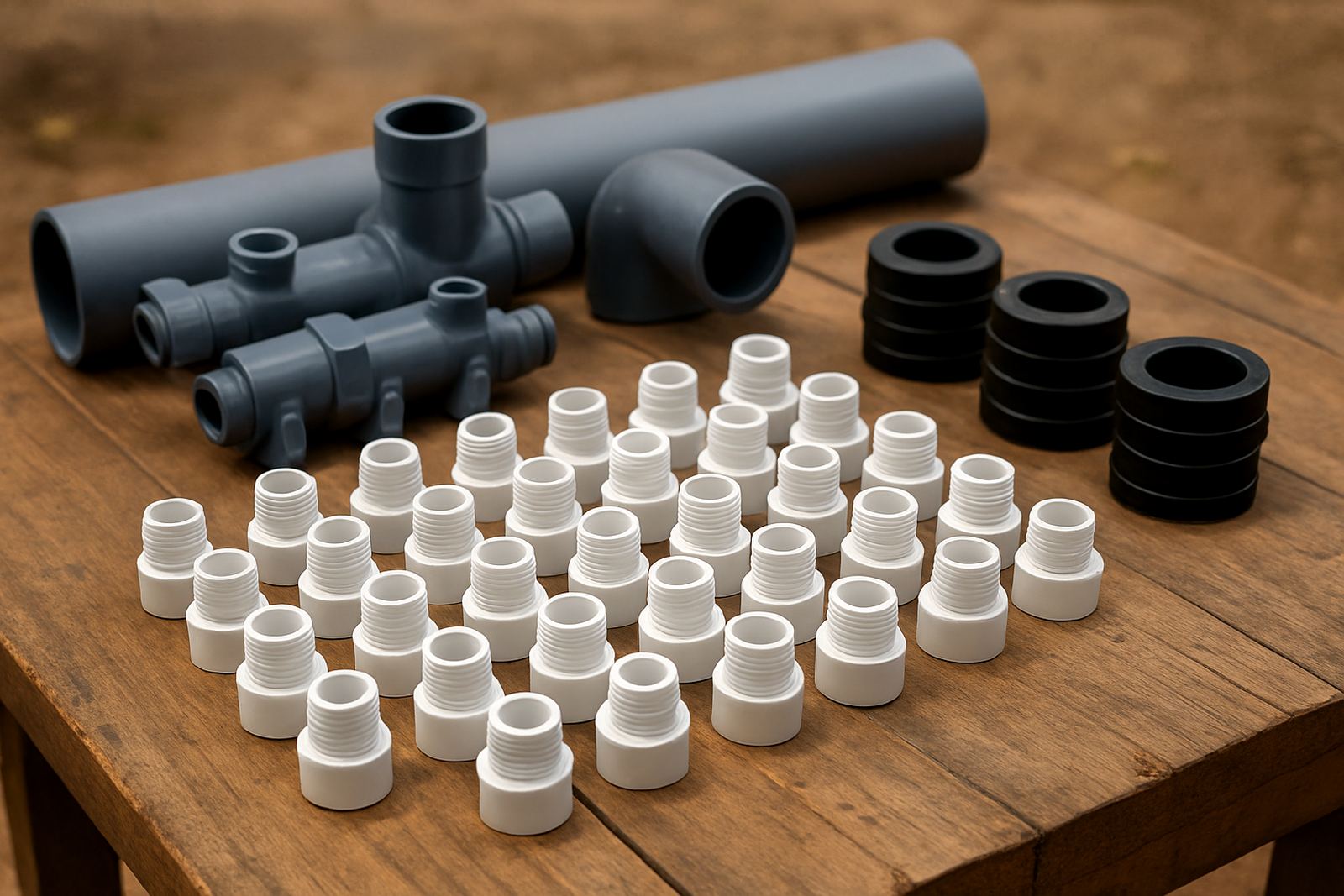
On bigger agricultural systems, a cap may be used temporarily while a block is being extended, then replaced with a tee, valve or coupling later. On smaller garden systems, it can stay in place for the life of the line. If you are unsure which size to order, measure the pipe and check the line pressure rating before you commit.
Where end caps suit best on South African systems
End caps suit almost any irrigation system where a pipe needs to finish cleanly. They are used on farms, nurseries, municipal green spaces, sports fields, estates and residential gardens. In Limpopo especially, they are useful where lines run long distances through hot sun, rocky ground and changing soil conditions. A well fitted cap helps keep the system tidy even when equipment is exposed to wind, dust and regular maintenance.
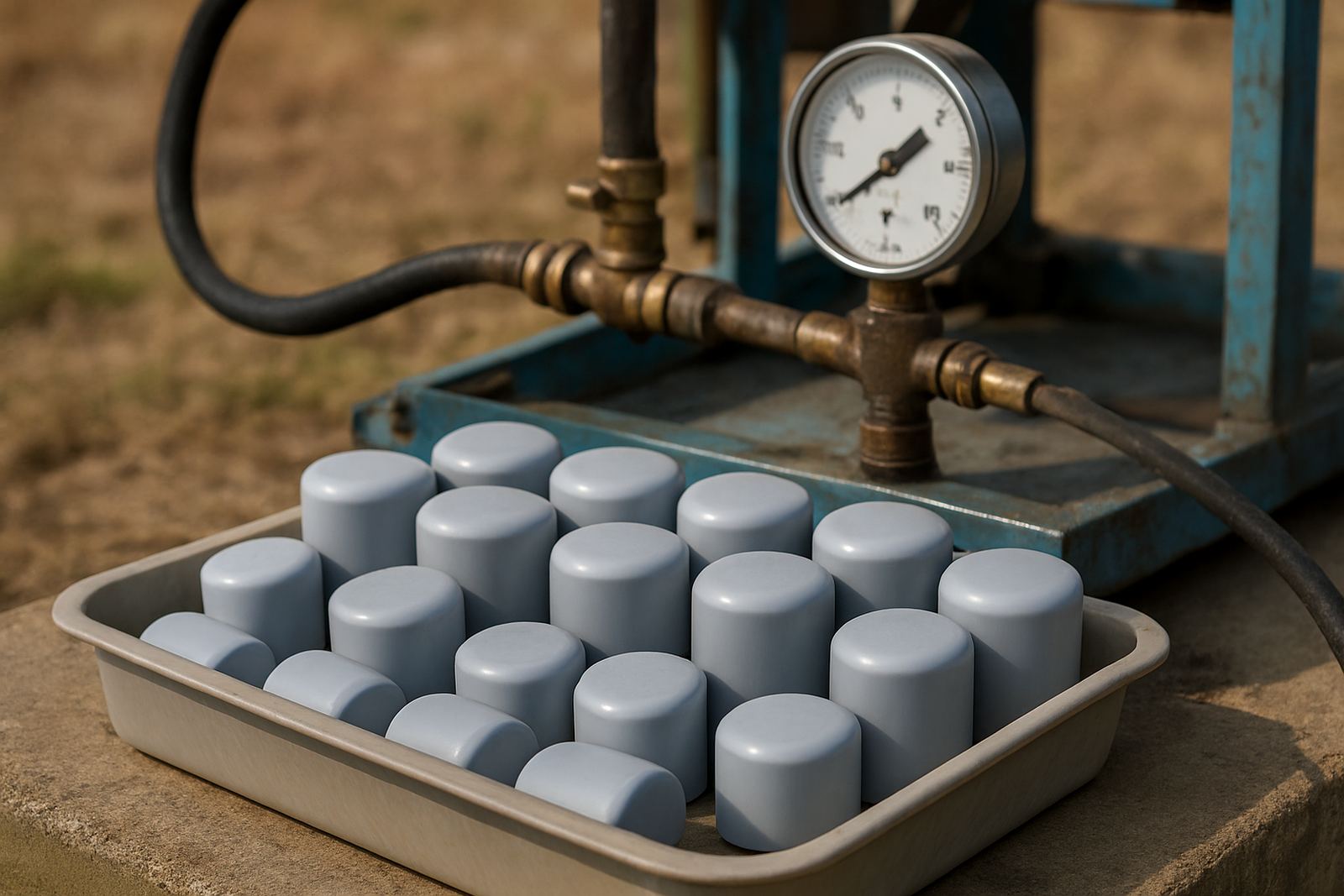
They are also useful for temporary shut-offs during repairs or pressure testing. If one section is being checked for leaks, the cap helps separate that section from the rest of the network. That matters when you are trying to avoid wasted water, especially in areas where supply can be limited or pumping windows are short. It also helps during load-shedding planning, because a sealed section is easier to isolate before pumps come back on.
- Suitable for farm irrigation blocks and sectioned watering zones
- Useful for permanent line ends at the edge of a plot or field
- Handy for future expansion points left in the system
- Common on nursery beds, orchards and landscape irrigation runs
Installation with solvent weld and site checks
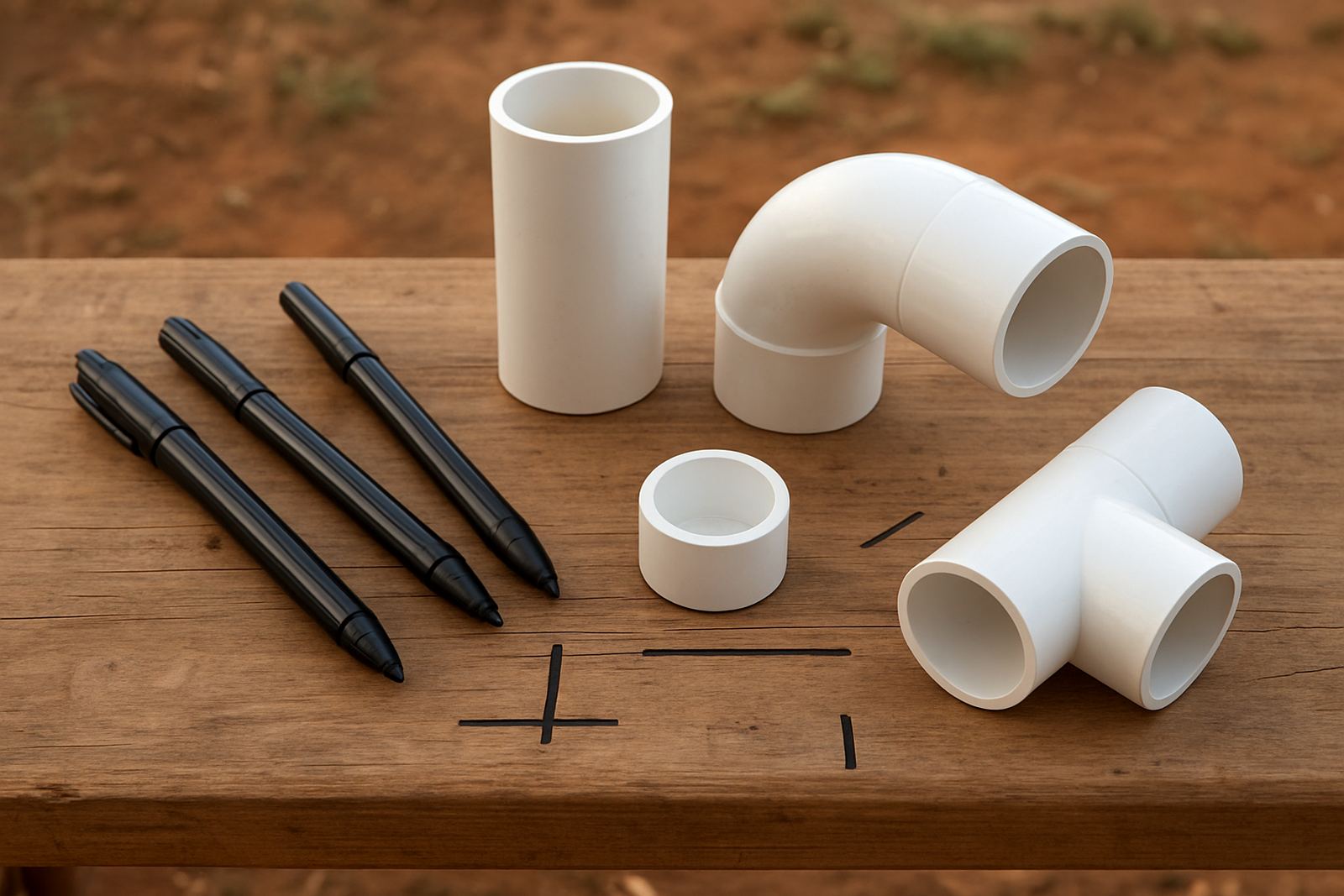
These caps are installed with solvent weld, so the pipe end and the inside of the cap are cleaned, primed where required, then joined with the correct solvent cement. The joint must be held steady until it grabs, especially on warmer days when the solvent flashes off faster. On site, the pipe should be cut square and deburred before fitting. A rough cut can stop the cap seating properly and may create a leak later on.
No power or gas is needed for the fitting itself. You only need the correct hand tools, cutting tool and solvent welding materials. That makes end caps practical on remote farms, roadside installations and jobs where power may be limited. It also means they can be installed quickly during maintenance work, even when you are working around water tanks, pump stations or irrigation trenches. For best results, allow the joint to cure before putting the line under full pressure.
- Cut pipe square and clean the joint surfaces
- Dry fit first to confirm depth and alignment
- Use the right solvent cement for PVC irrigation work
- Allow curing time before pressure testing
- Avoid twisting the joint after insertion
Care, servicing and replacement over time
End caps do not need much servicing, but they should be checked whenever the line is inspected. Look for cracks, whitening around the joint, movement in the cap or signs of seepage after a pressure cycle. In coastal humidity the fitting can stay wet for long periods, so any fault may show up as a slow damp patch rather than an obvious spray. Inland, UV exposure and heat can also shorten the life of exposed fittings if the line is not buried or shaded.
If the cap was fitted for a temporary closure, keep a note of where it is placed and whether it must be removed later for expansion. On larger sites it helps to mark capped ends on the plan so the next team knows which points are live, sealed or reserved. If a cap has been damaged by digging, animal activity or machinery, replace it rather than trying to patch it. A fresh fitting is cheaper than losing water over a full irrigation cycle, and it saves repeat call outs.
What to check before you place an order
Before ordering, check the pipe diameter, the pressure class and whether the cap is for permanent closure or a temporary end point. If the line is part of a broader system, make sure the cap matches the rest of the fittings already on site. Contractors should also confirm whether the job needs a straight cap, a threaded end point elsewhere in the system, or a fitting that will later be cut out and converted. Getting this right avoids wasted stock and delays on site.
It also helps to count quantities carefully. A small under-order on a large farm line can stop a whole section from being completed, while over-ordering ties up cash and storage space. For repeat orders, keep a simple record of what was fitted on the last run so the next round matches properly. Our team can assist with product selection, stock reserving, quantity checks and jointing advice through the enquiry form on our contact page.
- Confirm the exact pipe size and class
- Check if the cap is permanent or temporary
- Match the cap to existing solvent-weld fittings
- Order enough units for spares and site changes
- Keep records for repeat farm or contractor work
Polokwane supply with Limpopo delivery support
From our Ladanna base in Polokwane, we support irrigation stock movement across Limpopo and courier orders nationwide. That suits farmers, landscapers and contractors who need end caps along with the rest of the pipework for a job. We handle product selection, regional delivery, courier dispatch and after sales support, so you can plan the line and get the right pieces to site without unnecessary delays.
Whether you are working in Mokopane, Tzaneen, Hoedspruit, Lephalale or Thohoyandou, we can help match the cap to the pipe and the application. For longer supply runs, it is better to reserve stock early, especially during busy planting periods or when a project is being phased. If you need help with a termination detail or a future expansion point, our team can talk it through before the order is finalised.
Key facts
| Product type | PVC irrigation end cap, solvent-weld fitting |
|---|---|
| Common sizes | 20 mm to 63 mm, with larger sizes available where specified |
| Use | Permanent line closure, temporary isolation, testing and future expansion points |
| Installation method | Solvent weld with PVC pipe, cleaner cut and curing time required |
| Power or gas requirement | None for fitting; hand tools and solvent cement only |
| Supply area | Ladanna, Polokwane, Limpopo deliveries and nationwide courier dispatch |