What PVC pressure pipe does on an irrigation line
PVC pressure pipe carries water under pressure from the pump, tank or main feed to the rest of the irrigation system. It is used where you need straight runs, clean alignment and a pipe wall made for pressurised water rather than light drainage work. On farms and landscaped sites it is often installed for main lines, submains, manifolds and longer distribution runs that must hold pressure through daily use.
It suits above ground or buried installations, depending on the layout and site conditions. In Limpopo, where heat, dust and strong sun are part of daily working conditions, rigid PVC gives a tidy finish and handles regular flow changes well when it is sized correctly and joined properly.
Sizes, pressure ratings and fitting choices
The pipe is available in common irrigation sizes to suit small residential jobs right through to larger farm systems. The exact pressure class should match your pump output, line length and the type of irrigation equipment on the end of the line. Choosing the wrong class can cause failure at joints or unnecessary strain on the system.
- Common diameters: 20 mm, 25 mm, 32 mm, 40 mm, 50 mm and larger sizes for main runs
- Pressure classes available for low to higher working pressure applications
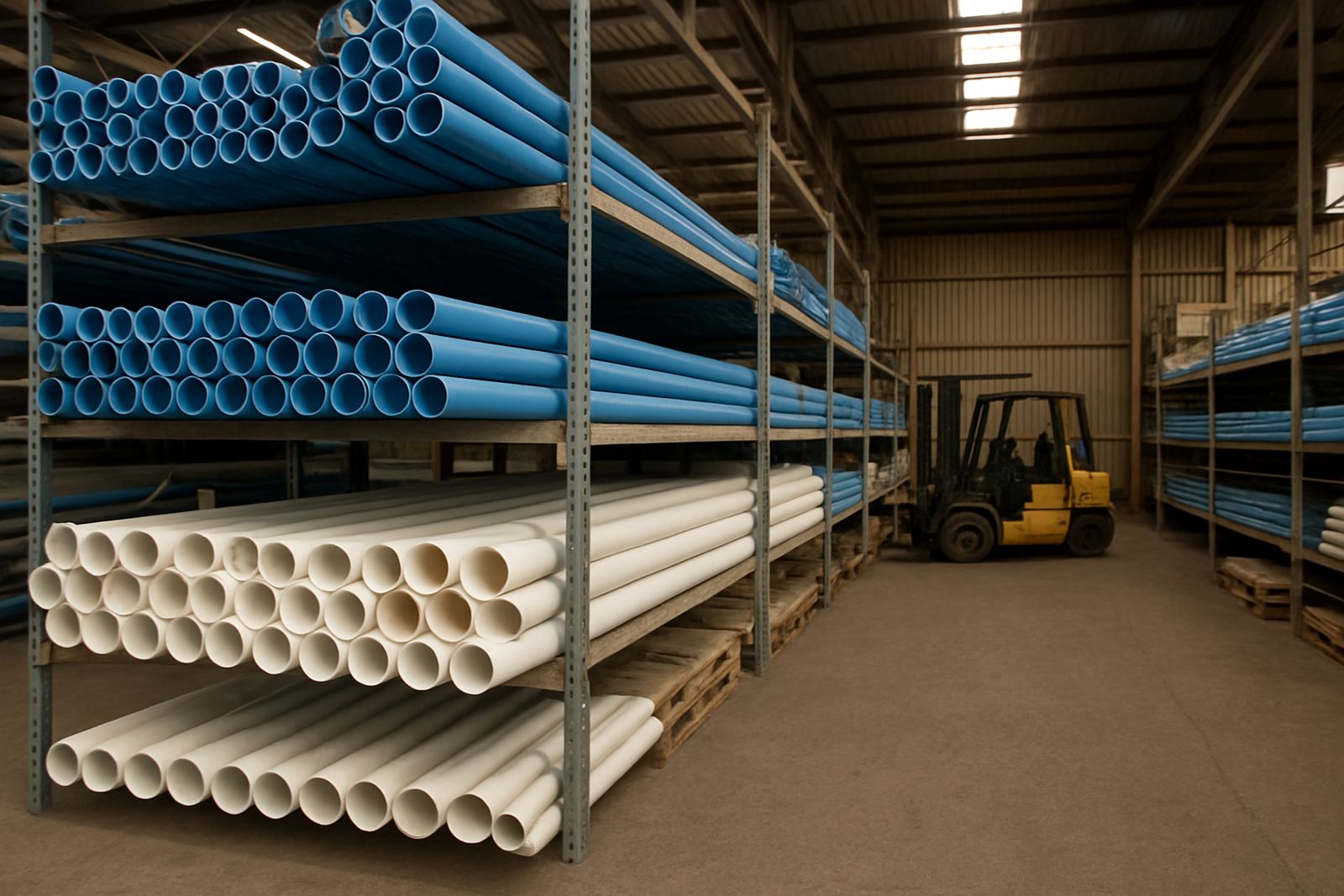
- Supplied in standard lengths for site cutting and installation
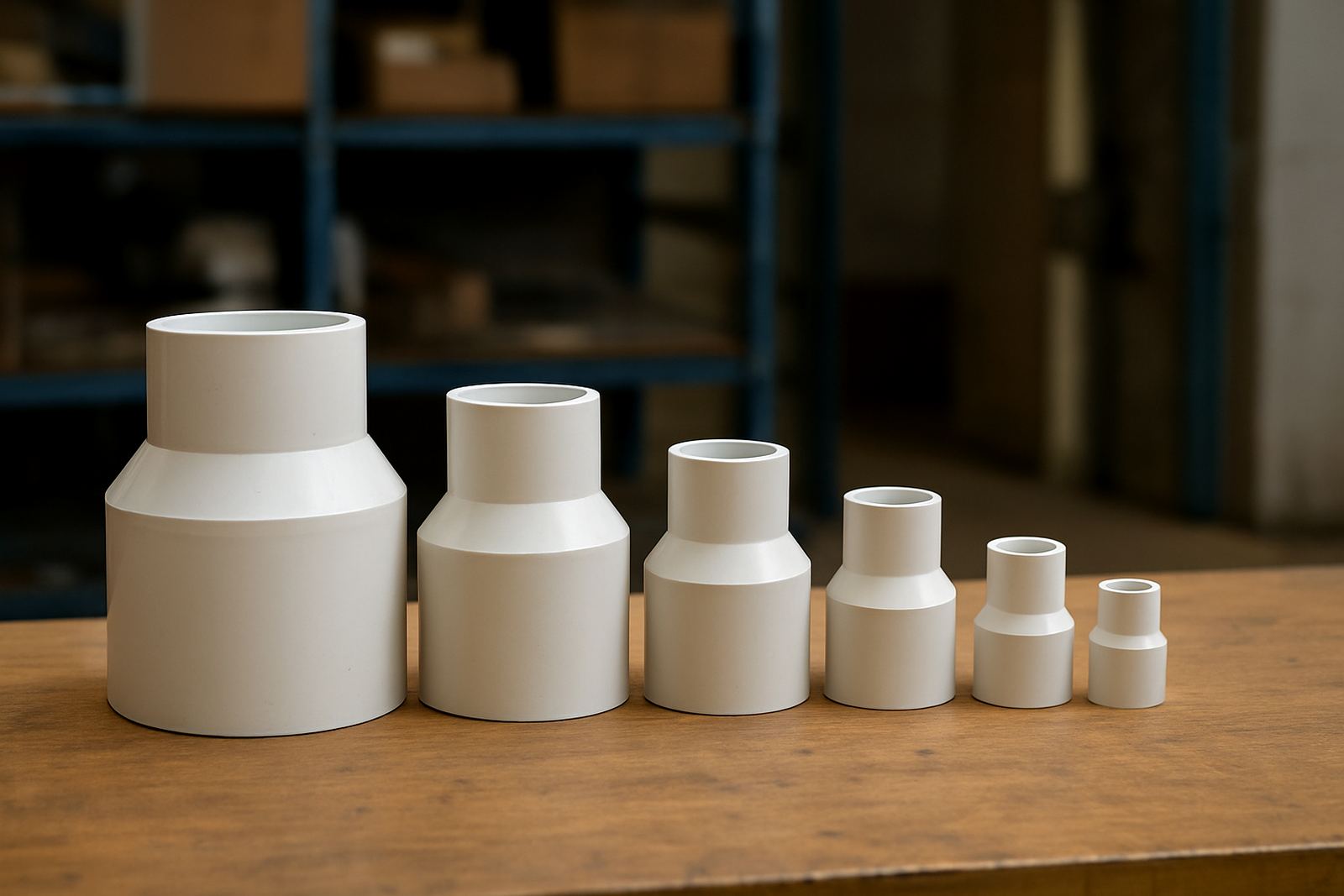
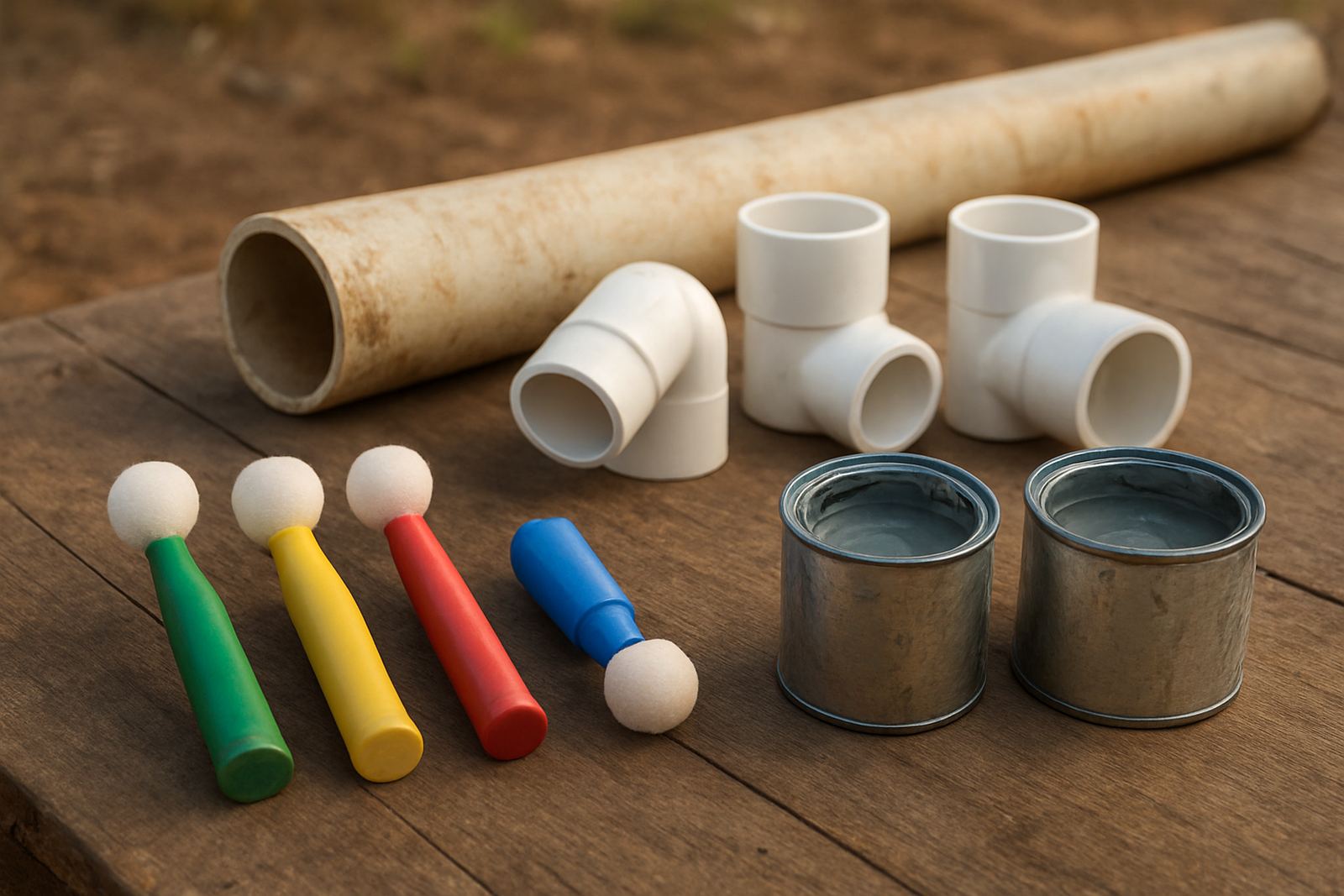
- Compatible with solvent-weld fittings for elbows, tees, couplers, reducers and end caps
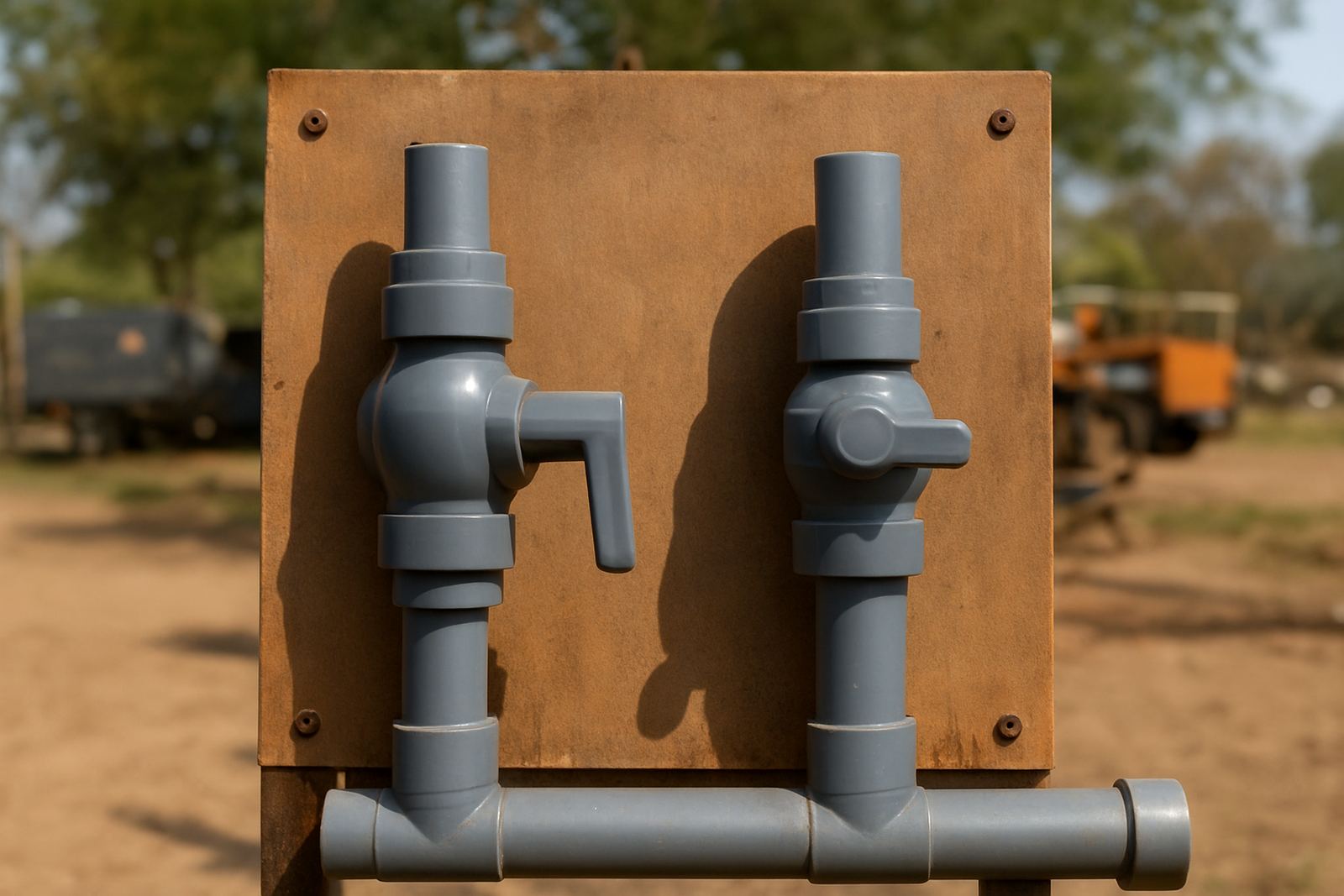
- Suitable for manifolds, valve lines and fixed distribution work
For more demanding installations, we help match the pipe to the fittings and valves so the full line works together. That matters on contractor jobs where one section may feed sprinklers, another drip zones and another a pump house manifold, all from the same water source.
Where this pipe works best on local projects
PVC pressure pipe is a good fit for orchards, nurseries, gardens, municipal irrigation and farm distribution lines. It is also commonly used for borehole transfer lines and for moving water from storage tanks to different irrigation zones. On sloped ground, the right pipe size helps reduce pressure loss and keeps delivery more even across the system.
It is especially useful where a permanent installation is preferred over temporary hose work. Contractors often choose it for clean site presentation and easier maintenance, while farmers use it for dependable fixed runs between pump points, valve chambers and field lines. In coastal areas with higher humidity, good jointing and correct storage before installation help keep the material in sound condition.
- Farm mainlines and submains
- Irrigation manifolds and zone feeds
- Orchard and vineyard water distribution
- Nursery bench and bed supply lines
- Garden and landscape irrigation systems
Installation, solvent welding and site power needs
This pipe is joined with solvent-weld fittings and the pipe ends must be cut clean, squared and dry before assembly. A proper dry fit helps confirm alignment before solvent is applied. Once joined, the pipe should be held steady until the joint starts to set, then left to cure before the system is pressurised. Rushing this stage can cause leaks, especially on larger diameters or where the line will see regular pressure changes.
Installation does not require electrical power or gas at the pipe itself, which makes it practical for field work and remote sites. The main needs are clean tools, correct cutting equipment and the right solvent-weld products for the pipe size. In load-shedding conditions, this matters because installation can still continue where the layout has already been planned and the material is on site. For any system with pumps, however, make sure power supply, earthing and pump protection are handled properly by the relevant installer.
Care, servicing and long term use
PVC pressure pipe needs very little day to day care once installed, but the system around it should still be checked. Look for loose supports, line sagging, exposed joints, UV wear on above ground sections and signs of pressure stress near valves or bends. If a line is buried, keep the route marked so later digging does not damage it.
Where pipe runs are exposed to direct sun, support spacing matters and so does protection from accidental impact. Keep heavy equipment, animal traffic and sharp tools away from the line where possible. A simple visual check after first pressurising the system can save a lot of trouble later, especially on long irrigation runs where one weak joint can affect the whole section. If a line is blown out by excess pressure, replace the affected section rather than patching over poor installation.
What to check before you place an order
Before ordering, confirm the pipe diameter, pressure class, total length and whether you need matching solvent-weld fittings. It also helps to know what the pipe will connect to: pump outlet, tank line, valve chamber, manifold, filter set or distribution header. If you are planning several zones, count each branch carefully so the order covers the full layout and there is spare material for site adjustments.
Have the site conditions ready as well. Tell us if the line will run in direct sun, underground, over rough ground or through a coastal area with higher corrosion exposure on nearby metal parts. If the job is for a farm, contractor site or a landscaped estate, we can help with quantity checks and stock reserving so you do not lose time waiting for missing items.
- Pipe diameter and pressure class
- Total metres required with allowance for offcuts
- Type of connection, solvent-weld or mixed layout
- Working pressure from the pump or main supply
- Exposure to sun, buried sections or rough handling
- Any matching fittings, valves or adapters needed
For repeat orders, it helps to keep the original specification on file so replacement stock matches the existing system. That is useful for contractors managing several sites and for farmers who need the same pipe again later in the season.
Key facts
| Product type | Rigid PVC pressure pipe for irrigation use |
|---|---|
| Typical sizes | 20 mm, 25 mm, 32 mm, 40 mm, 50 mm and larger sizes |
| Connection method | Solvent-weld with matching PVC fittings |
| Main uses | Irrigation lines, manifolds, submains and distribution runs |
| Installation requirement | Clean cutting, dry fit, solvent welding and curing time |
| Supply area | Ladanna, Polokwane, Limpopo deliveries and nationwide courier dispatch |