
What a PVC Ball Valve Does in an Irrigation Line
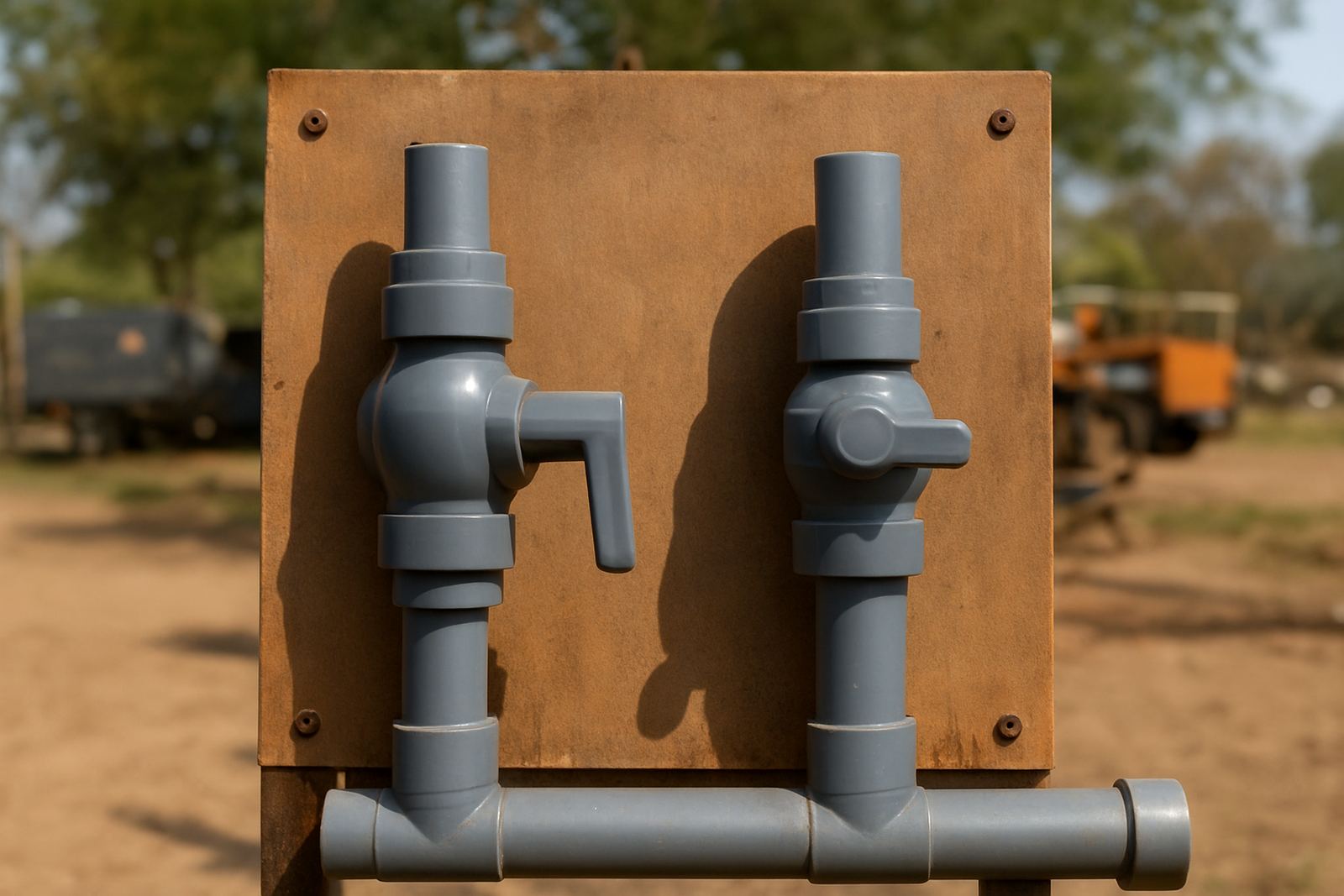
A PVC ball valve is a quarter turn shut-off valve used to stop or allow water flow in a pipe run. Inside the body is a ball with a bore through the centre. When the handle lines up with the pipe, water passes through. Turn the handle 90 degrees and the flow stops. That simple action makes these valves useful wherever a section needs to be isolated for maintenance, crop changes or pressure checks.
In irrigation work, that means faster response when a line bursts, a filter blocks or a zone needs to be taken out of service. Ball valves are also useful at tank outlets, pump rooms, manifold points and branch lines where quick manual control is needed. Because the handle gives instant open or shut action, they are easier to use than valves that need many turns, especially when you are moving between several points on a farm.
PVC ball valves are made for non corrosive water systems and are widely used where light weight, clean handling and good chemical resistance matter. They suit overhead irrigation, micro irrigation, water transfer and general farm plumbing, provided the pressure rating and pipe size are matched correctly.
Sizes, End Connections and Pressure Ratings
We supply PVC ball valves in the sizes most often used on irrigation lines, from smaller service connections through to larger main line fittings. Common sizes include 20 mm, 25 mm, 32 mm, 40 mm, 50 mm and larger where specified for the job. The right size depends on your pipe diameter, flow requirement and the section you want to isolate. A valve that is too small can restrict flow, while one that is too large may not suit the line layout or budget.
End connections are usually selected to match the installation method on site. Some systems need solvent weld ends for a permanent glue joint. Others call for threaded ends so the valve can be removed or replaced later. Before ordering, check whether the pipe is plain ended, threaded or joined into a fitting set, because the valve must match the rest of the line. On mixed installations, the thread direction and seal method matter as much as the size.
Pressure ratings vary by valve type and size. For irrigation use, always confirm the working pressure against your pump output and the highest pressure point in the system. If the line is near the pump, pressure surges can be higher than expected, especially on systems that start and stop often. If you are not sure, send us the pipe size, operating pressure and where the valve will sit in the line and we can help match the right option.
- Common sizes: 20 mm to 50 mm and selected larger sizes
- End types: solvent weld or threaded, depending on the fitting set
- Use with: irrigation mains, sub mains, tank outlets, filter stations and service points
- Check pressure: match the valve rating to pump and line pressure
Where PVC Ball Valves Fit Best on Farms and Landscapes
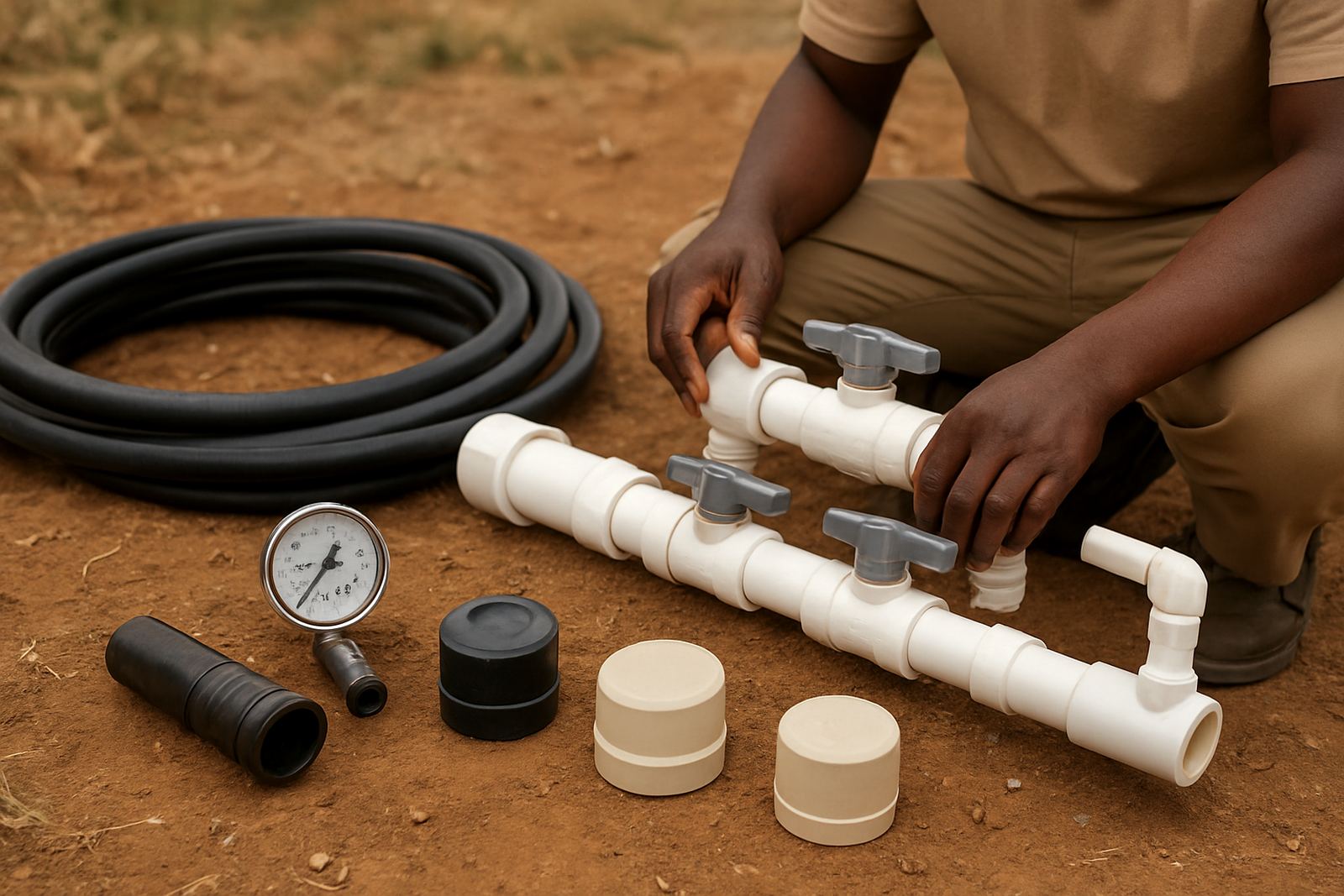
These valves suit places where you need a clean shut-off point and do not want to waste time opening and closing a gate valve over and over. On farms, they are common at pump discharge lines, fertiliser injection points, filter banks, drip irrigation branches and washdown outlets. In landscaping work, they are often used for sectional control on garden irrigation, municipal water points, plant nursery lines and maintenance isolation.
They also work well in areas where the system is split into zones. If one line needs repair while the rest must keep running, a ball valve lets the operator isolate that part quickly. That can save water and reduce downtime, which is important during hot months when plants are under pressure and supply interruptions are not ideal. In Limpopo, where long runs and dusty conditions are common, practical shut-off points make routine work a lot easier.
For coastal or humid conditions, PVC is often preferred because it does not rust like metal parts can. That said, the surrounding fittings still need proper support and the valve must be installed in a straight line so the body is not strained. If the pipe run is hanging or moving, add proper clips, saddles or support blocks. A valve should not carry the weight of the line.
- Pump discharge and tank outlet points
- Filter stations and fertiliser injection lines
- Irrigation zone isolation for repair or seasonal changes
- Nurseries, gardens, estates and municipal watering points
Installation Notes for Clean, Reliable Operation
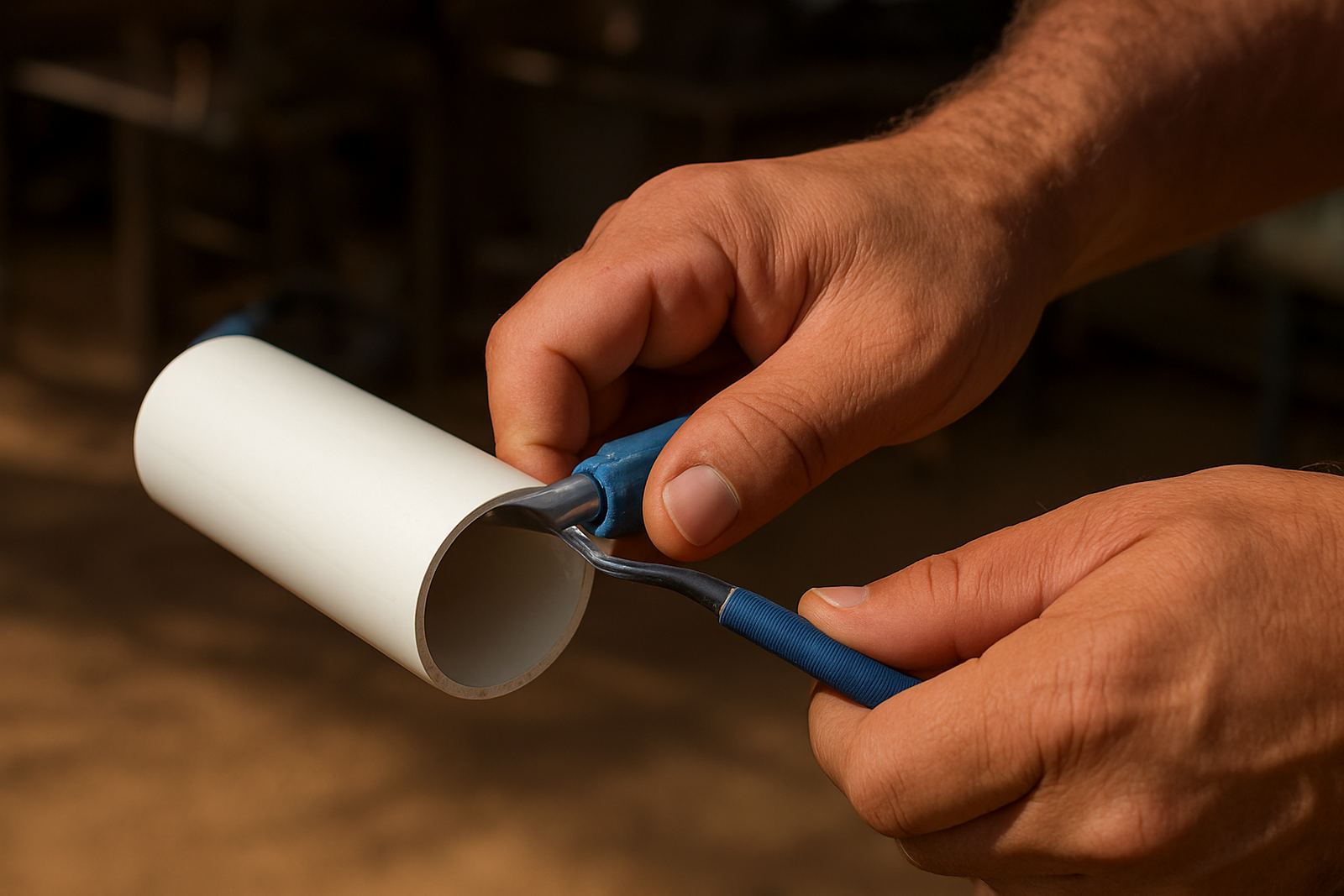
Installation is straightforward, but it must be done carefully. For solvent weld versions, cut the pipe square, dry fit the parts first and make sure the valve is seated fully before applying solvent cement. Clean the pipe ends and fitting sockets properly. If the joint is rushed or dirty, it can cause leaks or weak bonding later. Keep the handle and body free from cement spills so the valve moves properly after curing.
For threaded valves, use the correct thread seal method and do not over tighten. PVC threads can crack if excessive force is used. Hand tight plus the right sealing tape or compound is usually enough, depending on the fitting type. Never use the valve body as a lever when tightening adjacent fittings. Grip the correct section with suitable tools so the body is not twisted.
Allow the jointing material to cure before pressurising the line. In warm weather this may take less time, but in cooler or damp conditions it can take longer. If the system is installed near a pump on a load shedding affected site, make sure start up is controlled. A sudden pressure jump on a fresh joint is not helpful. If you are fitting valves on a main line, it is worth planning the sequence so the isolation points make future maintenance easier.
- Cut pipe square and clean the ends before jointing
- Do not overtighten threaded ends
- Support the pipe so the valve is not carrying line weight
- Allow full curing before pressure testing
Care, Servicing and Signs the Valve Needs Attention
PVC ball valves need very little day to day servicing, which is one reason they are popular on irrigation systems. Still, regular checks help avoid losses. Open and close each critical valve now and then so it does not seize from long periods in one position. Inspect the handle, seals and body for cracking, leaks or stiffness. If sand or grit gets into the system, the valve may feel rough when turning and the sealing seats can wear faster.
If a valve starts dripping when shut, first check whether debris is trapped inside the line or whether the handle has not fully reached the closed position. If the leak continues, the internal seats or seals may need replacement or the complete valve may need changing, depending on the design. On systems with fertiliser dosing, residues can build up and should be flushed out from time to time. That is especially important on farms with borehole water or high mineral content.
Store spare valves out of direct sun and away from sharp objects. PVC handles and seals last longer when they are kept clean and not exposed to unnecessary impact. For contractors handling repeat jobs, keeping a small stock of the most used sizes makes callouts faster and can reduce return trips. We can help with repeat order support and stock reserving when you are planning for busy periods.
What to Check Before You Place an Order
Before ordering, make sure you have the exact pipe size, the connection type and the working pressure of the line. If the valve is for a new install, note whether the run is solvent weld or threaded from end to end. If it is for a replacement, bring the old valve or send a clear description so the fit can be matched properly. One small mismatch in thread or size can hold up the whole job.
It also helps to know where the valve will be used. A valve for a main line near the pump may need a different pressure allowance than one on a low pressure garden zone. Tell us if the water is for irrigation, tank transfer or a wash line, and whether the site is farm, nursery, estate or domestic. We can then advise on the most suitable option and check the quantity against the job list.
For contractors and farmers planning larger orders, we can help with quantity checks, farm order planning, jointing advice and regional delivery from Ladanna, Polokwane across Limpopo or by courier nationwide. If you are sending fittings to remote sites around Mokopane, Tzaneen, Hoedspruit, Lephalale or Thohoyandou, it is worth confirming the full list first so the right stock leaves in one go. That saves time, fuel and the hassle of missing a single fitting on site.
- Pipe size and connection type
- Working pressure and location in the line
- Quantity needed for the full job
- Whether the valve is for new work or replacement
Key facts
| Product type | PVC ball valve for irrigation shut-off control |
|---|---|
| Common sizes | 20 mm, 25 mm, 32 mm, 40 mm, 50 mm and selected larger sizes |
| Connection options | Solvent weld or threaded, depending on the installation |
| Typical use | Irrigation mains, sub mains, tank outlets, filter banks and service points |
| Installation method | Manual fitting with proper pipe support and correct jointing practice |
| Care requirement | Low maintenance, with periodic opening, inspection and flushing |