What a test plug does on an irrigation line
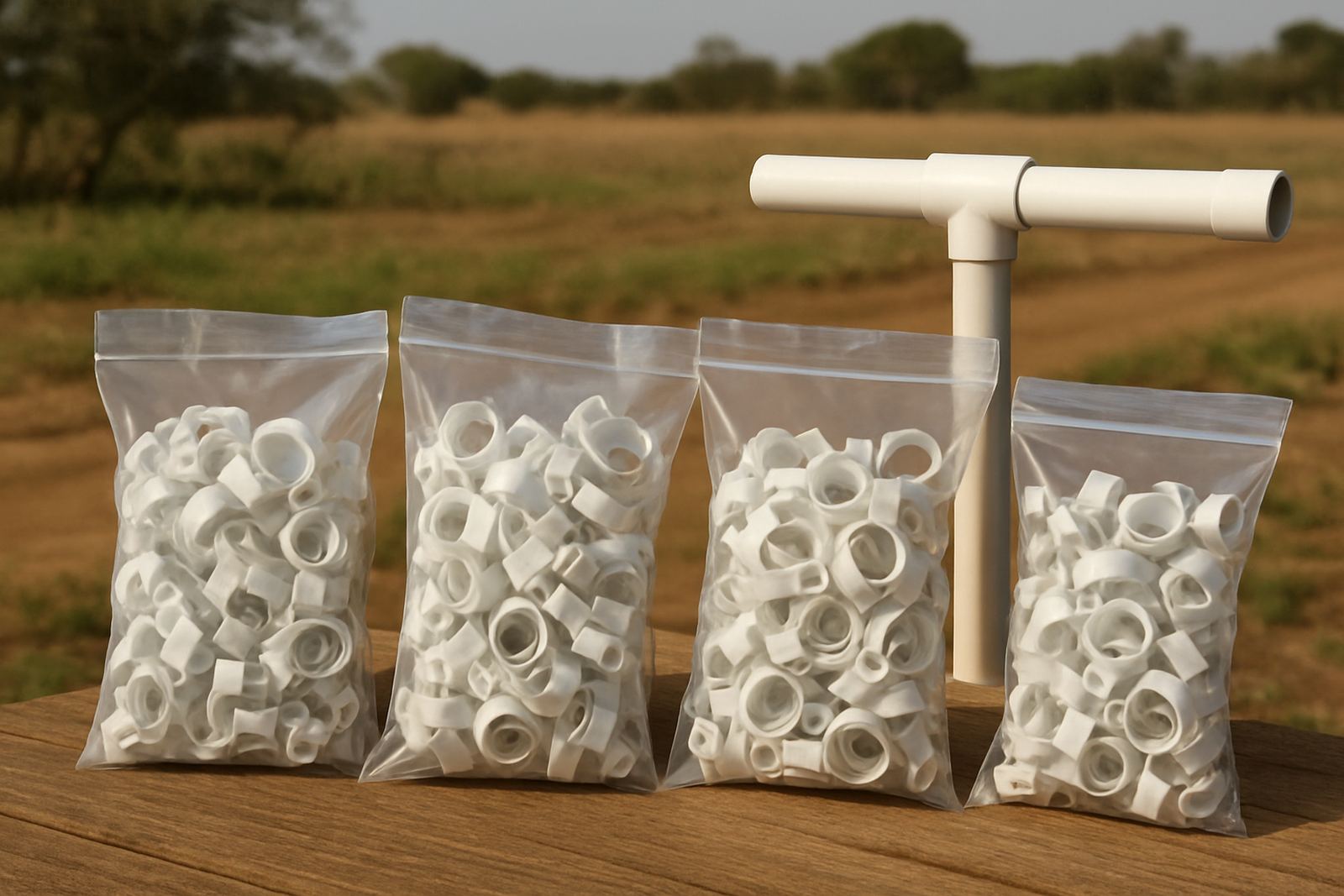
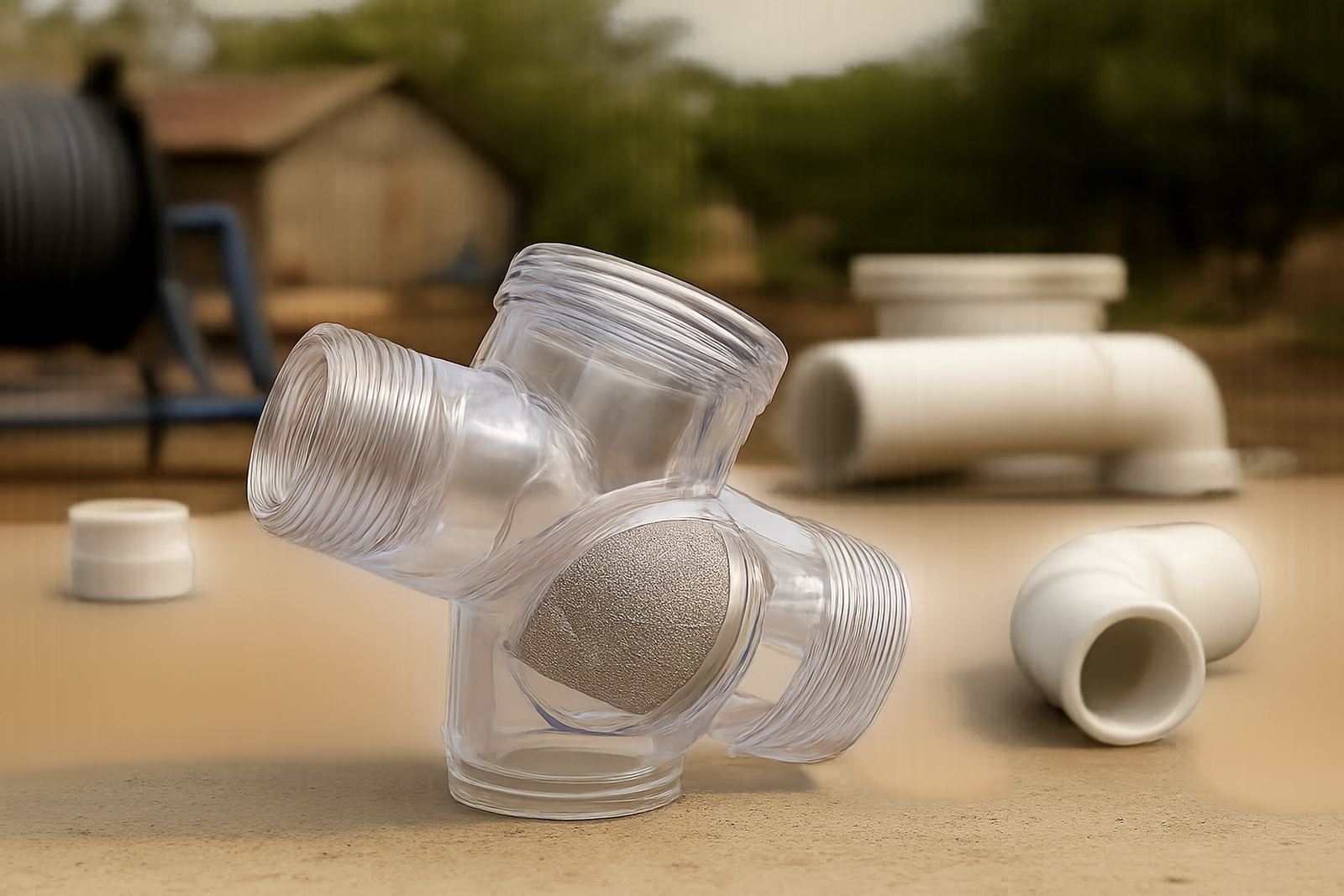
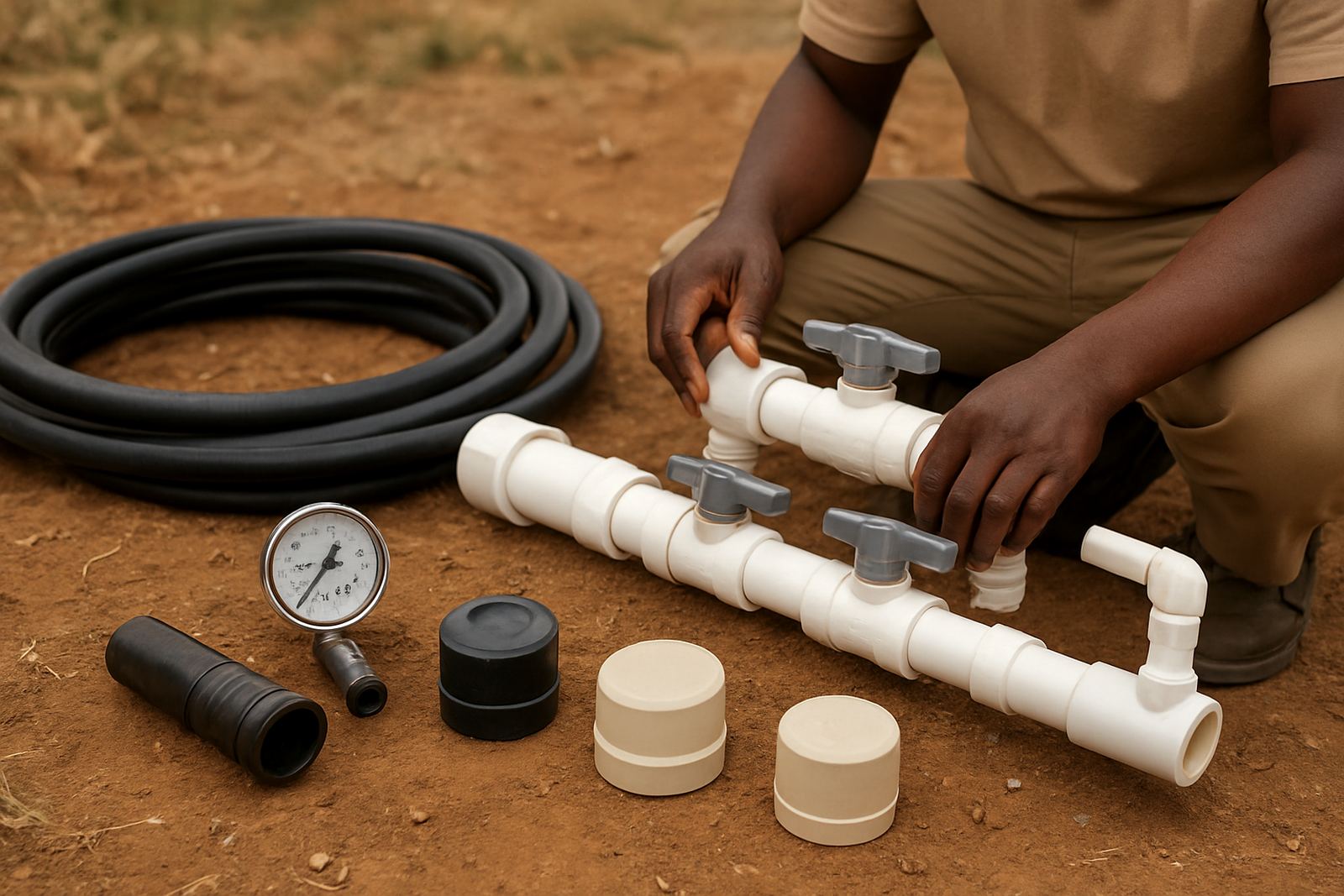
A test plug gives you a temporary seal at the open end of a pipe so the line can be filled with water and held under pressure for testing. It is a practical fitting for new installs, repairs, and section-by-section checks on drip, micro and mainline irrigation work. On long runs across fields, the plug helps you isolate a section and find weak joints before backfilling or putting pumps into regular use.
In Polokwane and the wider Limpopo area, pressure testing matters because hot days, dusty sites and fast turnaround jobs can hide a poor joint until much later. A proper plug keeps the test controlled and gives you a clean way to confirm the line is holding. It also saves time when you need to recheck a section after a repair or expansion.
Sizes and fitting options available
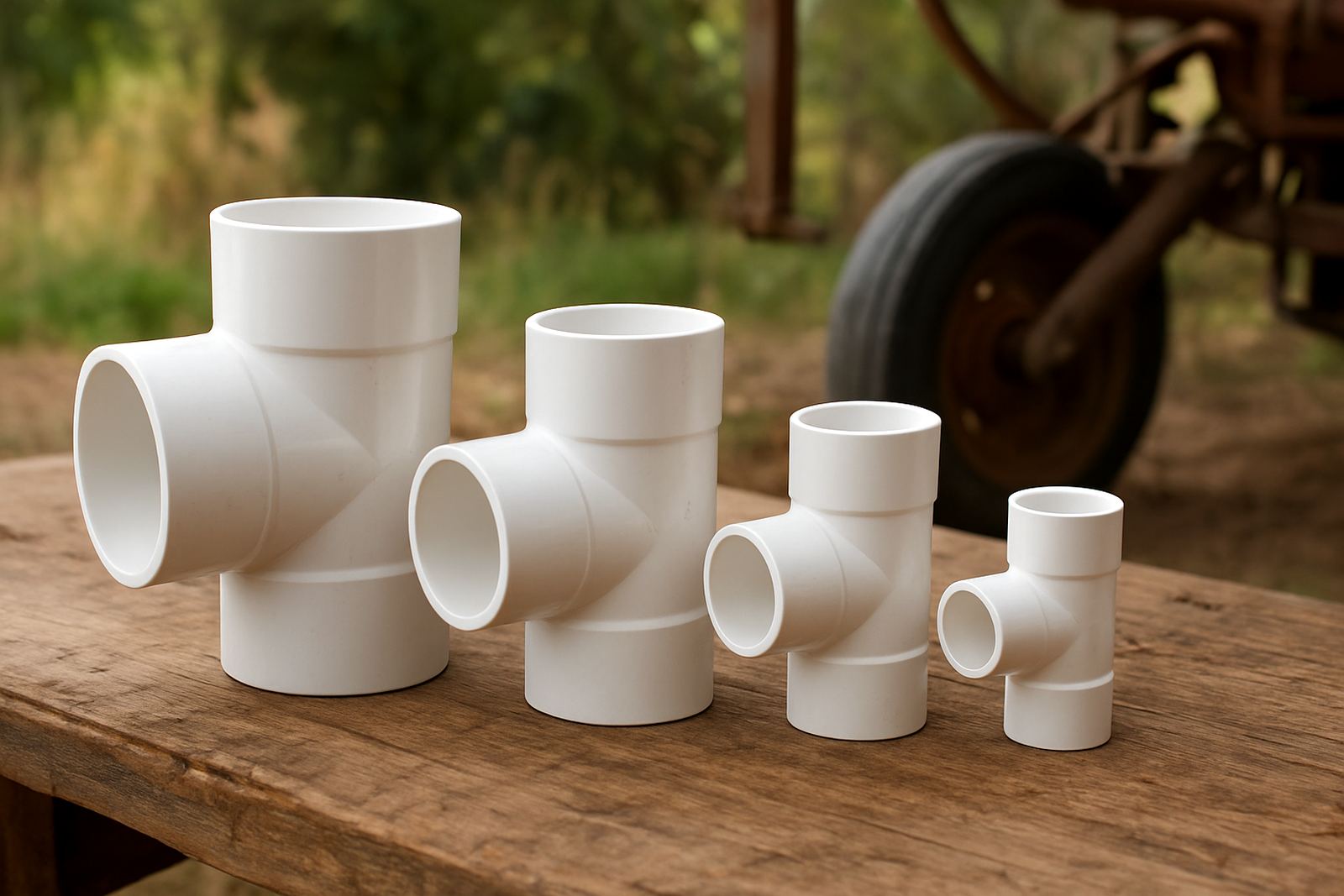
Test plugs are usually selected to match the pipe size you are working with. The correct size gives a firm fit and a proper seal, so always check the nominal pipe size before ordering. For irrigation systems, plugs are commonly used on smaller service lines as well as larger main runs, depending on the job and the pressure test method being used.
When ordering, it helps to know whether you need a plug for a plain pipe end or for a line that already has a socket or fitting in place. Some jobs need a simple plug, while others need a matching arrangement that works with the test point, cap or adaptor already in the system. If you are not sure, it is worth checking the pipe outside diameter and the solvent weld fitting type before you place the order.
- Match the plug to the pipe size, not only the valve or fitting size
- Check whether the line is plain-ended, socketed, or already capped
- Confirm the test pressure you intend to use on the line
- For contractor jobs, ask for quantity checks before collection or dispatch
Where test plugs suit best in Limpopo irrigation work
Test plugs suit farms, nurseries, landscaped properties, estates and municipal-type irrigation projects where line integrity must be checked before regular operation. They are used on new installations, during fault finding, and after alterations to pipe runs. Around Ladanna, Polokwane, Mokopane, Tzaneen and Hoedspruit, contractors often use them when working across large sites with multiple zones.
Because irrigation systems in Limpopo are exposed to sun, dust and seasonal heat, pressure testing is a sensible step before final commissioning. It helps confirm that solvent-weld joints have cured properly and that the line is ready for water service. On coastal or humid applications further afield, testing is still important because moisture and movement can affect fittings over time.
For pump-fed lines and gravity-fed sections alike, the plug makes it easier to close off a pipe end without a permanent cap. That means less rework and fewer interruptions when the system needs to be adjusted later.
How to install a test plug safely
Installation is usually straightforward, but it must be done with care so the seal is reliable and the test is meaningful. First clean the pipe end and make sure there is no sand, oil or glue residue on the sealing surface. Fit the plug fully and confirm it sits square. If the fitting is part of a solvent-weld system, allow the joint to cure properly before pressurising the line.
Test pressure should be set according to the design of the system and the parts being used. Do not rush the test by over-pressurising the line. A controlled fill and a steady hold are better than a sudden spike. If you are testing a long mainline, check all joints, end points and tees before leaving the line under pressure. One small leak can become a bigger issue once the line is buried.
No power or gas is needed for the plug itself. You will only need the normal test equipment used on the job, such as water supply, pressure gauge and any pump or valve arrangement required for the line. In some cases a hand pump or small pressure setup is used for confirmation before full system start-up.
Care, reuse and on-site handling
Test plugs should be kept clean and stored out of direct sun when not in use. Dust, grit and hard handling can reduce the quality of the seal on the next job. After use, rinse the plug if it has been exposed to dirty water, and check for wear on the sealing face or body. If it has been forced too many times into a damaged pipe end it may no longer seal properly.
On active sites, it is wise to keep plugs together with your other testing tools so they do not get lost in the truck or left behind on the farm. For teams working across Limpopo, labelled stock and quantity control help with repeat orders and faster dispatch. If your crew tests several lines in one day, rotate the plugs and inspect them before the next use. A worn plug can cause false readings and wasted time.
Stored properly, a good plug is a practical item to keep in the job kit. It is not complicated, but it does a small job that matters.
What to check before you order
Before placing an order, confirm the pipe size, the type of line you are testing and how many plugs you need per site. If you are working across a farm with several zones, it helps to list each line size and the number of test points. This avoids delays on collection or delivery, especially when stock needs to be reserved for a contractor run.
Also check the pressure level you expect to use, whether the line is a solvent-weld PVC system, and whether you need any related items such as joints, caps or tools. If the order is for a repeat site, keep the previous sizes on record so replacements are simpler. For delivery into Polokwane, Mokopane, Tzaneen, Hoedspruit, Lephalale or Thohoyandou, having clear quantities makes dispatch easier and helps us match the right stock to the job.
Clients can send their requirements through the enquiry form on our contact page for product selection, stock reserving, quantity checks and courier dispatch. We assist farmers, landscapers and contractors with jointing advice, system matching and after sales support, so the order fits the work and the line is ready for testing.
Key facts
| Product type | Temporary test plug for PVC irrigation pipe ends |
|---|---|
| Use | Pressure testing and leak checking before commissioning |
| Material | PVC compatible body with sealing face for irrigation work |
| Typical sizes | Common irrigation pipe sizes matched to nominal pipe diameter |
| Power or gas needs | None required for the plug itself |
| Supply area | Ladanna, Polokwane, Limpopo and nationwide courier dispatch |