What a line strainer does in an irrigation line
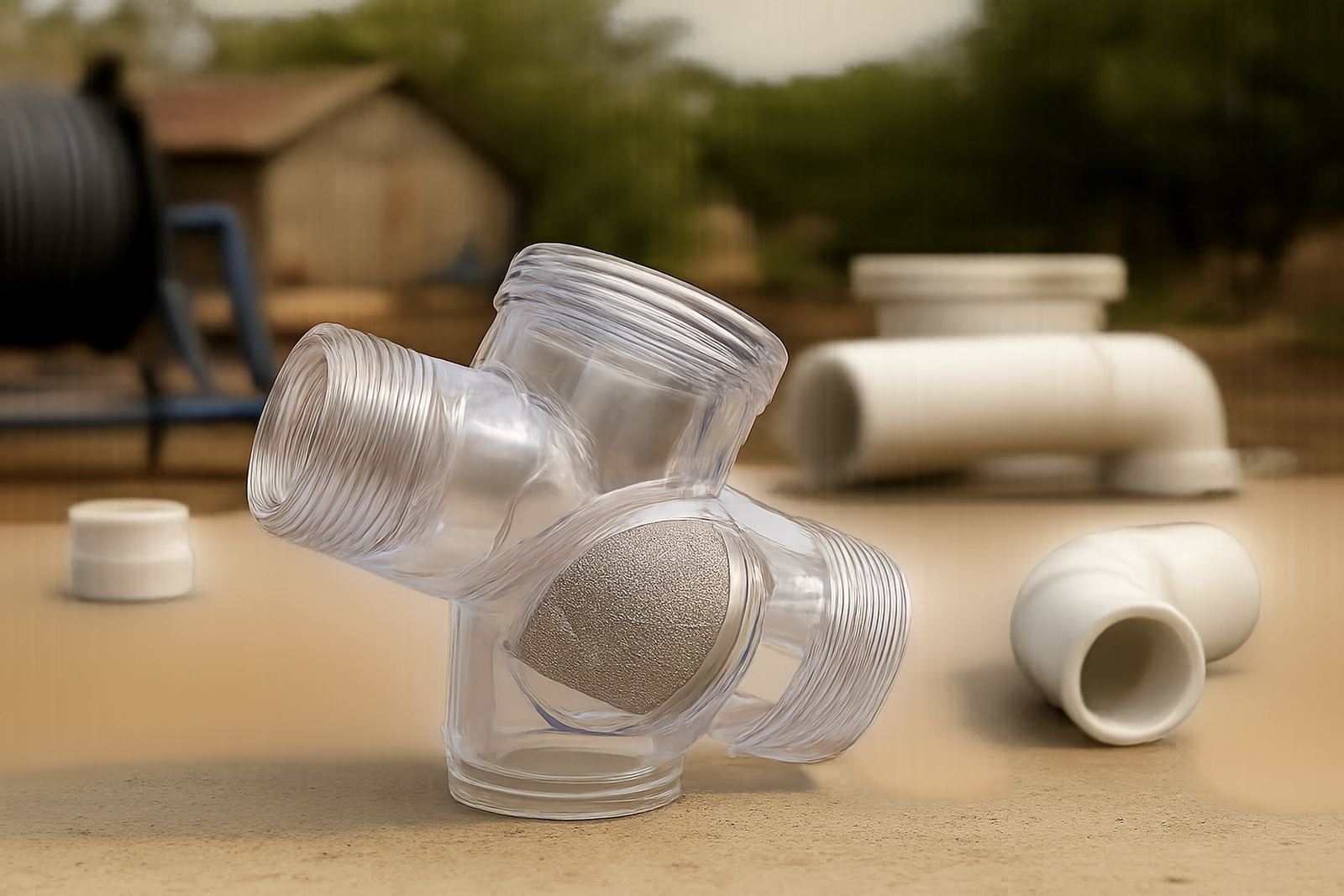
A line strainer sits in the pipe run and catches coarse particles before they reach the rest of the system. In simple terms, it helps protect downstream fittings from clogging and reduces the chance of blocked emitters, uneven watering, and premature wear on small irrigation parts. That matters on borehole water, dam water, and supply lines where grit can move through after pump start-up or after the line has been opened for maintenance.
For irrigation systems in Limpopo, the main benefit is consistency. When a line is carrying silt or small bits of pipe cuttings, the strainer helps stop those materials from moving deeper into the line. It is not a replacement for proper filtration where that is needed, but it is a useful support component especially on farms and larger reticulation layouts. On many jobs it is fitted near the point where water enters a zone or before a section that needs cleaner flow.
- Helps reduce debris reaching emitters and small fittings
- Useful on borehole, dam, and tank-fed systems
- Supports cleaner flow in field, garden, and nursery lines
- Can reduce maintenance time on blocked outlets
Sizes and options for different pipe runs
Line strainers are chosen to match the pipe diameter and the working pressure of the system. Common options are used on smaller garden and nursery lines as well as larger agricultural runs. The right size depends on the internal flow you need to maintain and how much debris you expect in the water. A line that is too small can restrict flow, while one that is too large may not give the level of protection the system needs.
Typical options include inline fittings for smaller diameters and larger housings for higher flow applications. Some installations need a simple quick-fit arrangement, while others call for threaded ends so the strainer can be removed and cleaned without disturbing the full line. In hot sun and outdoor exposure, a UV-stable body is important, and in coastal or high-humidity conditions, the fitting should tolerate long-term exposure without becoming brittle or warped.
- Available in sizes to suit common irrigation pipe diameters
- Inline and removable styles depending on access needs
- Suitable for low to medium pressure irrigation systems
- Chosen according to flow rate, debris load, and service access
Where line strainers suit best on site
These strainers suit a wide range of irrigation set-ups. On farms, they are often placed before distribution lines feeding blocks, rows, or sections with small outlets. In landscaping, they work well where water is pulled through longer pipe runs that may collect dirt during installation or maintenance. They are also useful on nursery irrigation, planted verge work, estate gardens, and municipal-style green areas where a blockage can quickly affect a large section.
In Polokwane and surrounding areas, dry conditions and dusty work sites can mean more fine material in the pipe after trenching or repairs. In Tzaneen, Hoedspruit, and other warmer areas, systems often run for long periods and any blockage can show up as poor coverage at the end of the line. For contractors, adding a line strainer is a straightforward way to support the rest of the system and reduce repeat visits for preventable clogs.
- Farm irrigation blocks and field lines
- Landscape and garden reticulation
- Nurseries and planted production areas
- Tank-fed and borehole-fed systems
Installation points and system planning
Installation should be planned with access in mind. A line strainer needs to be fitted in a position where it can be reached for cleaning, inspection, and replacement if required. On many systems that means placing it near the start of the branch line or at a point where the operator can isolate the section without draining the whole system. The flow direction must be followed, and the pipe ends should be cut cleanly so the joints seal properly.
No power or gas is needed for the product itself, but the installer should still consider the full irrigation system. If the pump is running on a generator or through load-shedding backup, pressure can vary and that makes correct fitting even more important. As with any solvent-weld or threaded work, joints should be prepared properly, then left to cure or tightened as required before the line is brought under pressure. A rushed install can lead to leaks or a strainer that is difficult to service later.
- Fit where it can be reached for cleaning
- Keep flow direction correct
- Allow room to remove the body if servicing is needed
- Check pressure and jointing before putting the line into service
Care, cleaning, and servicing on dusty or hard water sites
Line strainers need simple routine care. The body should be inspected after the first few days of operation, then checked regularly depending on the water source. If pressure drops, flow weakens, or the end outlets start showing uneven delivery, the strainer may need to be opened and cleaned. On borehole or dam-fed systems that carry more grit, cleaning may be needed more often than on well-settled tank water.
Servicing is usually straightforward. Shut the section off, relieve pressure, remove the strainer element or housing as designed, rinse out collected debris, and inspect the seals before refitting. If a screen or internal part shows wear, replace it before it causes trouble downstream. In harsh sun or where UV exposure is constant, the outer body should also be checked for cracking or stiffness. Around coastal deliveries and humid zones, keep an eye on metal components and thread condition so the fitting can still be opened easily when needed.
- Check after initial operation and then at regular intervals
- Clean out sand, leaves, and pipe offcuts before they build up
- Inspect seals and screens for wear
- Replace damaged parts before they affect the line
What to check when ordering the right strainer
Before placing an order, it helps to confirm the pipe size, the water source, and the pressure range on the line. The user should also know whether the fitting must be removable for cleaning, whether the layout needs threaded ends, and whether the system is in a dusty farm area, a landscaped site, or a more sheltered installation. If the line carries water with visible sand or heavier debris, that should be mentioned so the right option can be matched to the job.
Contractors often ask for stock to be reserved against a planned install, and farmers may need quantities checked against several blocks or zones. For repeat orders, it is best to keep the previous size and orientation noted so replacements match without rework. If the system is being expanded, the new flow demand should be checked too. A line strainer that is undersized for the job can limit performance, while one that is overspecified may not give the practical protection required at the point of use.
- Pipe diameter and connection type
- Operating pressure and expected flow rate
- Water source and debris level
- Need for removable service access
Key facts
| Product type | Inline irrigation line strainer |
|---|---|
| Use case | Debris control for downstream fittings and emitters |
| Common connections | Sizes to suit standard irrigation pipe runs |
| Pressure range | Suitable for low to medium pressure irrigation systems |
| Power or gas needed | None |
| Service requirement | Periodic cleaning and seal checks |
| Typical environments | Farms, gardens, nurseries, estates, and contractor installs |