
What an applicator brush does on site
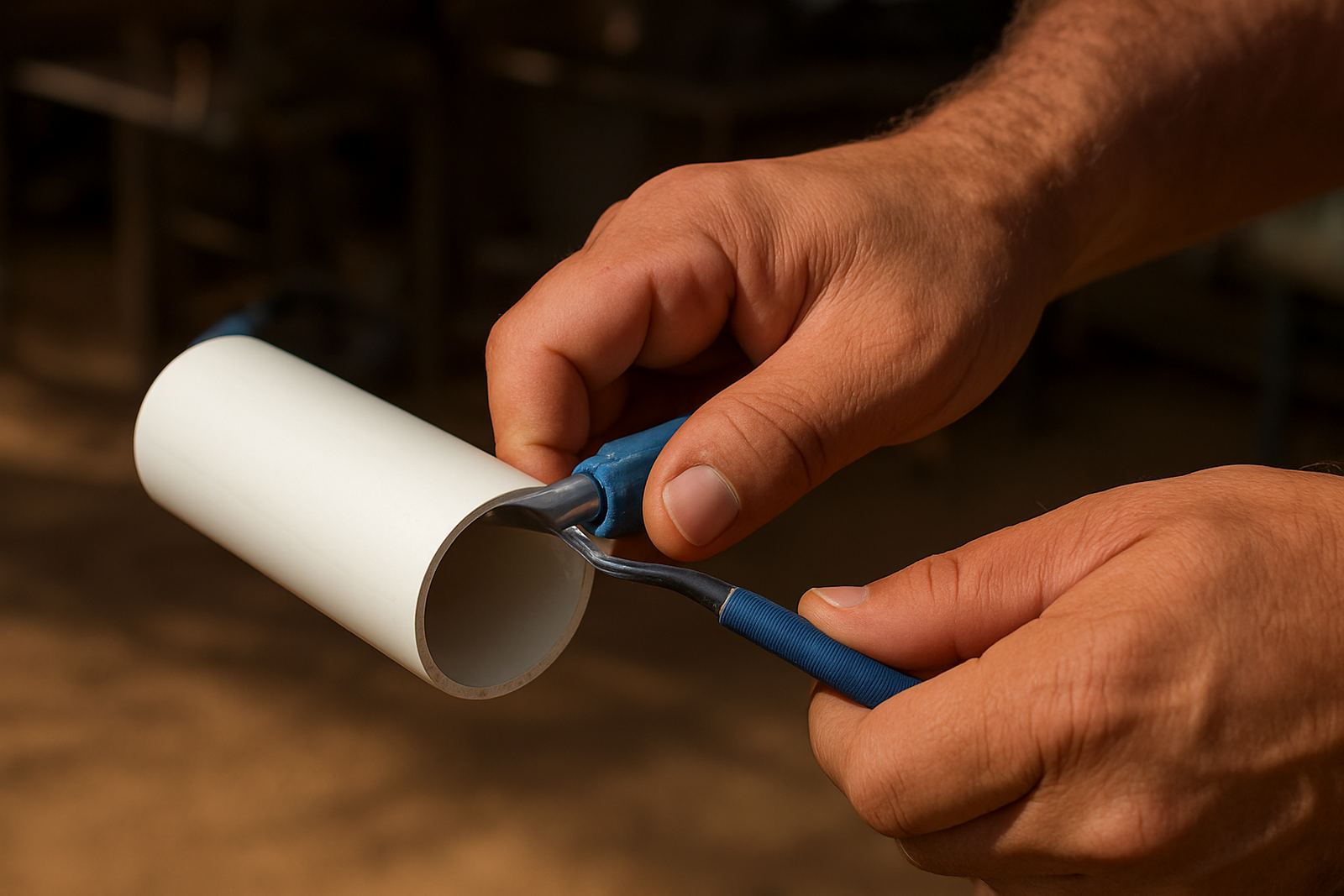
An applicator brush is used to carry solvent products into the joint area before assembly. For irrigation work, that means coating the inside of the fitting socket and the outside of the pipe end with an even layer so the joint can bond properly. It is a simple tool, but on farms, landscaping jobs and contractor installs it makes a big difference to how neat and consistent the work turns out.
In Polokwane and across Limpopo, where irrigation lines often face dust, heat and long runs in open ground, a proper brush helps avoid patchy application and waste. It also keeps the solvent where it should be instead of dripping off the pipe or running into the fitting in uneven amounts. For any team doing repeat installations, that extra control saves time and reduces rework.
The brush is used by hand and needs no power, gas or special equipment. That makes it useful on remote farm blocks, in load-shedding conditions, and on sites where access to electricity is limited. It is a low-cost tool, but it still needs to be chosen to match the pipe size and the type of solvent product being applied.
Sizes and brush options for different pipe work
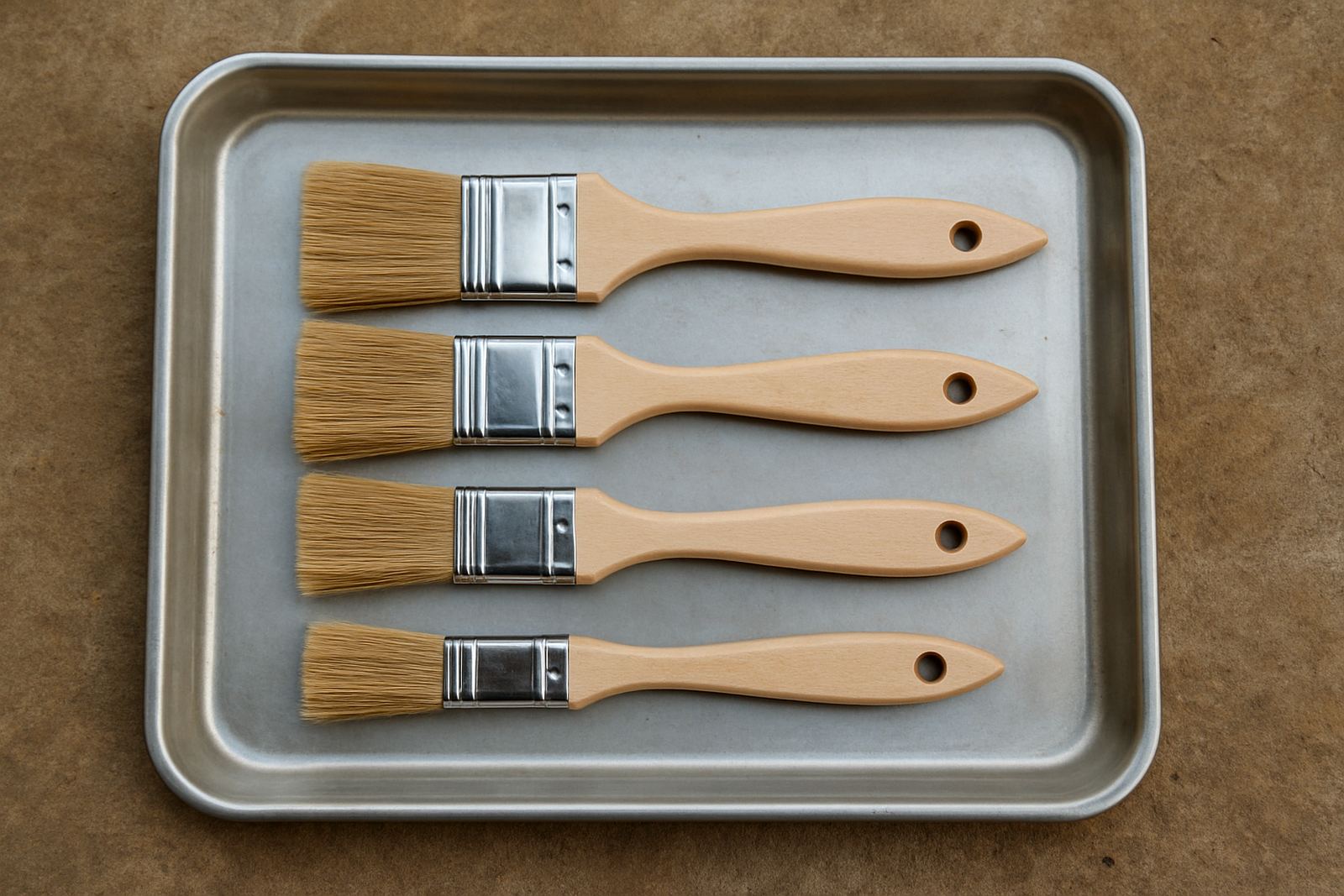
Applicator brushes are usually selected by the pipe size you are working on and the type of container or applicator system you use. Smaller brushes are better for light irrigation repairs and tighter socket work, while wider brushes suit larger diameters and faster application on bigger runs. Some brushes are fitted to caps or dauber style lids, while others are supplied as plain brush heads for direct use.
For irrigation stock, it is worth matching the brush to the most common pipe sizes on your project list. That helps keep solvent coverage even and reduces the chance of using a brush that is too small, which can leave dry spots inside the socket, or too large, which can cause messy over-application. The right fit also makes the work easier for crews doing multiple joints in a day.
- Small brushes for repairs, drip lines and light socket work
- Medium brushes for common irrigation pipe sizes
- Wider brushes for larger diameter fittings and faster application
- Brushes supplied loose or with compatible caps, depending on the container type
- Options suited to solvent primer and solvent cement application
Where applicator brushes suit best
These brushes are well suited to farm irrigation installs, garden watering systems, landscape projects and contractor maintenance work. They are used wherever PVC pipe and solvent-weld fittings need clean joint preparation. That includes pump lines, supply mains, branch lines, valve manifolds and small repair jobs on existing systems.
They are especially useful on sites where crews need to move quickly between joints and still keep control over the amount of solvent applied. On hot days in Limpopo, solvent can flash off quickly, so a good brush helps the applicator work faster and more consistently. On coastal or humid jobs elsewhere in South Africa, the same brush helps keep the process tidy even when surface conditions vary a bit.
For contractors, applicator brushes are also practical for stock planning. A few extra brushes in the truck can avoid delays when a site needs several different pipe sizes, or when a brush gets worn after heavy use. For farmers, they are an easy add-on item to keep with fitting stock and repair kits.
- Irrigation system installation
- Pipe and fitting repairs
- Landscape watering projects
- Pump room and valve work
- Farm maintenance crews and contractor teams
Installation use and what it needs on site
An applicator brush needs no electricity, no battery and no gas supply. It is a hand tool, so it can be used anywhere solvent-weld work is being done. The main requirement is a clean working area and the correct solvent product for the pipe and fittings being joined. Good surface preparation still matters most, so the brush should be used after the pipe has been cut square, deburred and wiped clean.
When using the brush, the operator should apply solvent evenly around the full joint area and avoid flooding the socket. The aim is full coverage, not excess. Too much solvent can soften the joint more than needed and waste material. A controlled hand helps keep every joint uniform, which matters on long irrigation runs where many fittings must behave the same way.
For teams working under pressure, the brush also helps keep the job moving during short power cuts or on remote sections of a farm. There is no warm-up time and no setup. Just open the container, use the brush, close it properly and carry on. Simple tools often save the most time.
Care, cleaning and servicing between jobs
Brush care is straightforward but important. After use, the brush should be wiped clean if the solvent product allows it, then stored so the bristles stay straight and do not harden in the cap or on the container. If the brush is left full of solvent too long, it can lose shape and stop spreading evenly. Once the bristles are damaged, the joint application is never quite the same.
On busy farm and contractor jobs, it helps to keep brushes in a sealed container or closed kit box between sessions. That keeps dust out and reduces evaporation in the heat. If a brush starts to fray, split or stiffen, replace it. It is a small item and not worth trying to stretch too far. A worn brush can leave thin patches inside the socket and that can affect the join.
For stock rotation, keep the brush with the matching solvent products and fittings so crews do not have to search for the right tool on site. That saves time, and it also supports cleaner work habits across the team. A quick check before leaving the yard often prevents problems later on. It is one of those small habits that pays back every week.
What to check before you order
When ordering an applicator brush, check the pipe sizes you are using most often, the type of solvent product in your system, and whether you need a loose brush or a brush that fits a specific lid or container. If you are ordering for a mixed site, it may be worth taking more than one size so the team can cover small repairs and larger installs without changing tools too often.
It also helps to check how the brushes will be stored and transported. For teams moving stock across Limpopo or sending parcels nationwide, the brush should be packed so the bristles are protected. If you are building a contractor kit, add enough units for the number of joints you expect to complete in a day. For farm order planning, it is worth matching the brush quantity to the length of the irrigation run and the number of fittings in the job. That makes the pack more practical and reduces last minute gaps.
- Pipe diameter and fitting size
- Compatible solvent product type
- Loose brush or cap fitted option
- Quantity needed for the job or stock pack
- Storage and transport needs
- Replacement planning for ongoing maintenance work
Key product details for irrigation users
Applicator brushes are a basic but necessary part of solvent-weld irrigation work. They are used on PVC pipe joints to spread product evenly, support clean assembly and help crews work at a steady pace. For farmers, landscapers and contractors, the right brush should be easy to handle, suited to the pipe size, and durable enough for repeated outdoor use.
If you are choosing stock for a new install or a repair run, focus on the joint size, the solvent being used and the way the brush will be handled on site. A good brush will not need power, will not slow the job down, and will fit neatly into a standard irrigation kit. Small detail, but it matters when the day is hot and the fittings keep coming.
Our team can assist with product selection, quantity checks and repeat orders through the enquiry form on the contact page. If you are planning a farm order, contractor account or regional delivery across Limpopo, it helps to have your pipe sizes and fitting list ready before you order.
Key facts
| Product type | PVC solvent-weld applicator brush for irrigation work |
|---|---|
| Use | Even application inside fitting sockets and onto pipe ends |
| Power or gas requirement | None, hand tool only |
| Typical options | Small, medium and wider brush sizes, loose or cap fitted |
| Suitability | PVC irrigation systems, repairs, farm installs and contractor work |
| Care | Clean after use, store closed and replace when bristles fray or harden |