What a reducing coupler does in a pipe run
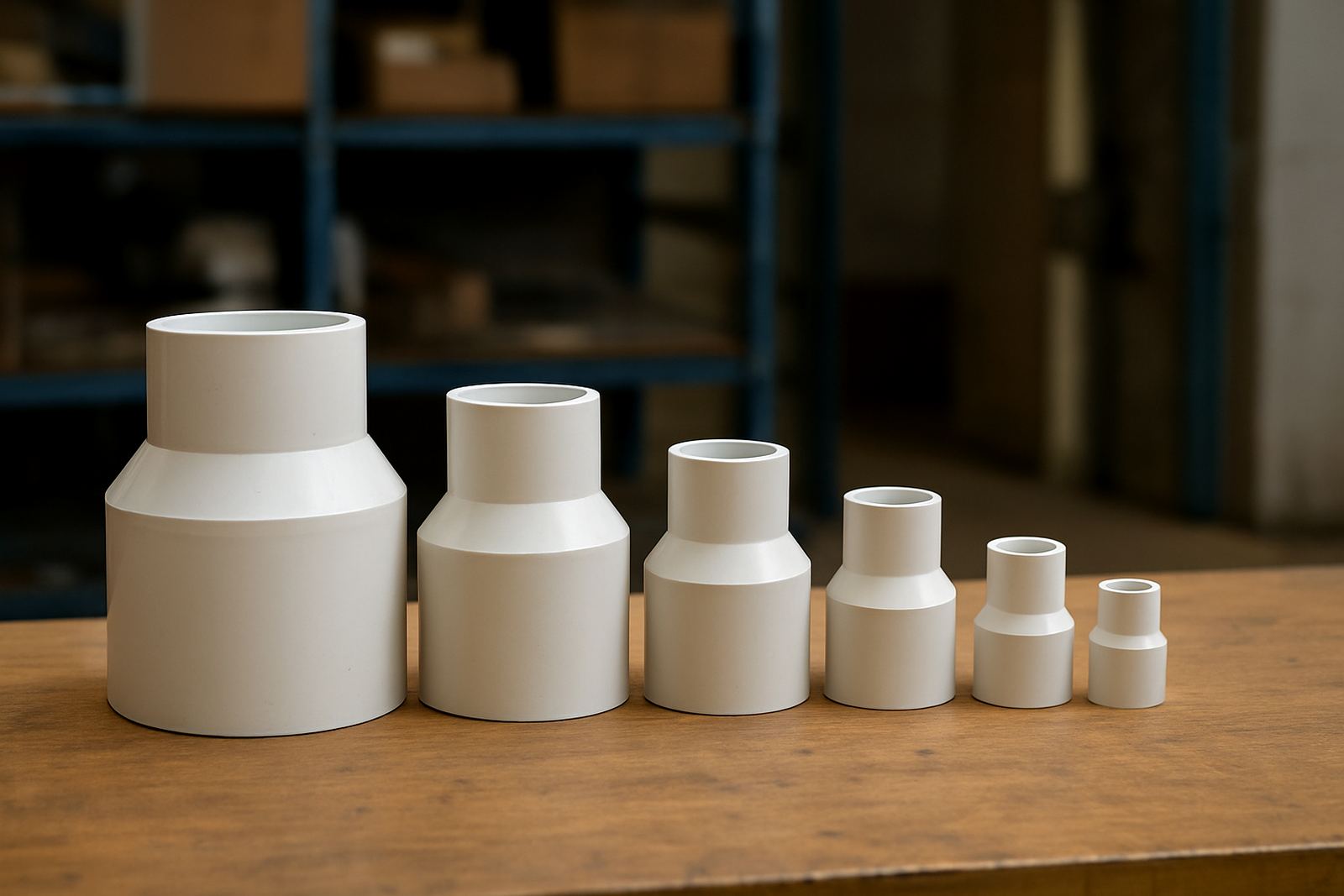
A reducing coupler is a straight solvent-weld fitting with two different internal sizes. It lets you connect a larger pipe to a smaller pipe in one line, which is useful when a main feed branches into a smaller zone line, or when an old line needs to tie into a newer size. In irrigation work, that simple change saves space and keeps the line neat.
These couplers are used where the pipe size changes but the direction stays straight. They are common on farm reticulation, landscape watering lines, borehole reticulation and pressure distribution lines. Because the joint is solvent welded, the pipe and fitting form a permanent connection once cured properly. The fit must be clean and square or the joint can leak under pressure.
For irrigation teams, the main benefit is consistency. You do not have to improvise with extra adapters when the line reduces from one size to another. That helps on new installations and on repair jobs where the original layout may have changed over time.
Available sizes and fitting options
Reducing couplers are supplied in common irrigation pipe sizes to suit most South African site work. Typical stock includes reductions such as 20 mm to 15 mm, 25 mm to 20 mm, 32 mm to 25 mm, 40 mm to 32 mm, 50 mm to 40 mm, 63 mm to 50 mm, 75 mm to 63 mm and 110 mm to 90 mm, subject to stock and order mix. We also assist with matching the fitting to the pipe class and the wall thickness already on site.
When ordering, it helps to check whether the pipe is metric solvent-weld pressure pipe and whether the outside diameters line up with the fitting you want. Some jobs need one end in a heavier pipe class, especially where pump pressure is higher or the line is longer. If the reduction is large, it is worth checking the full line plan before the order is placed.
- Metric solvent-weld connections for irrigation pipe systems
- Step-down and step-up options for straight-line changes
- Suitable for pressure lines, not loose push-in type joints
- Matched to common farm and landscape pipe sizes
Where a reducing coupler suits best
This fitting suits any job where a pipe size change must happen in line and the line must stay straight. On farms around Polokwane, Tzaneen and Hoedspruit, that often means feed lines from tanks, pump lines into zone mains, or branch lines to sprinklers and drippers. In municipal or estate work, it may be used where a service line changes size to suit the design pressure and flow.
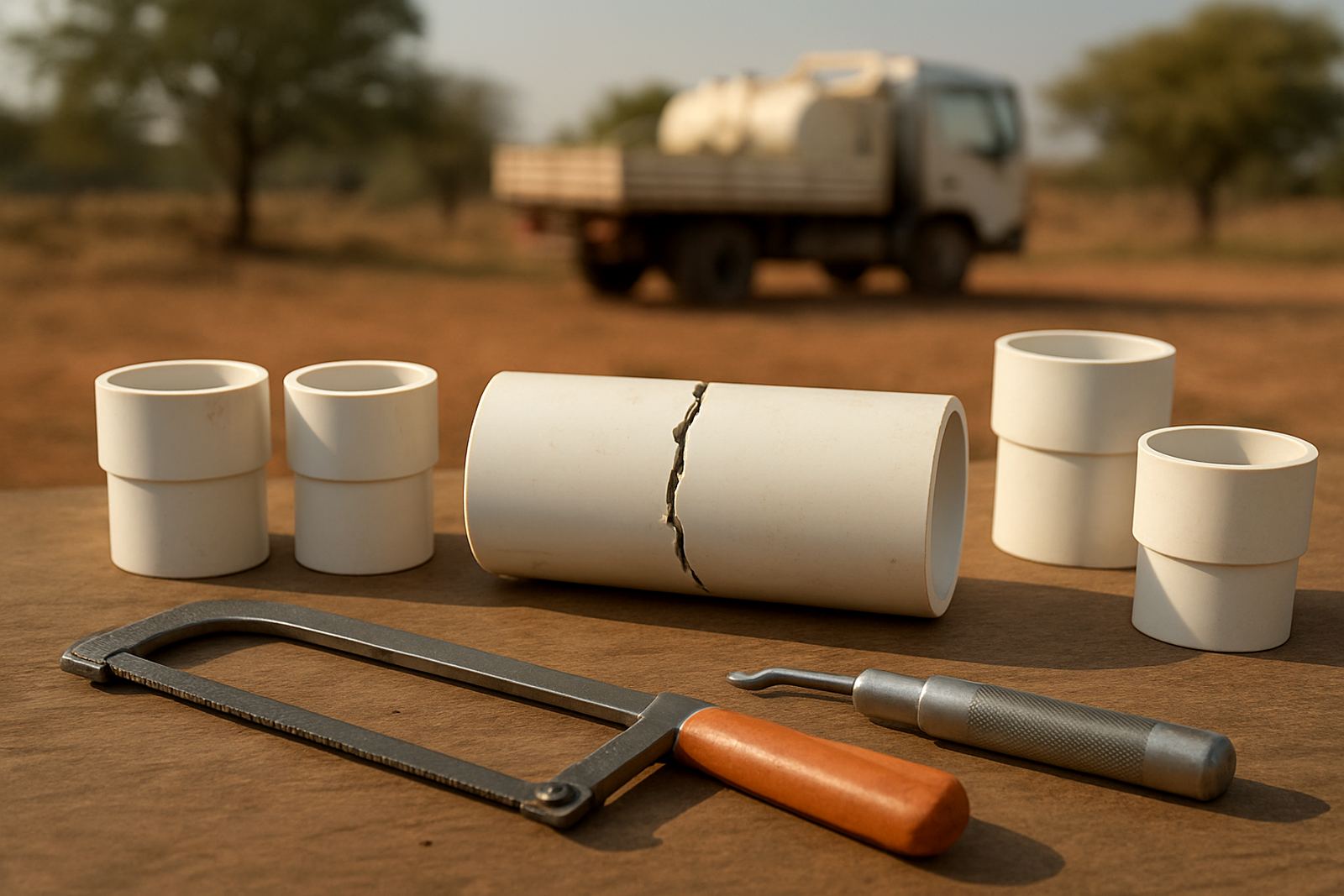
Reducing couplers are also useful on repairs. If a broken section is replaced with a different size pipe because the original length is not available, the coupler can bring the line back into service without reworking the entire run. That is handy when stock is limited, or when the job is being done during load-shedding windows and time on site is short.
For contractors, the fitting is a good option when planning order quantities. Instead of carrying several adapters and conversion pieces, you can often keep a compact set of reducing couplers in the truck and cover more callouts with less waste.
Installation notes for a clean solvent-weld joint
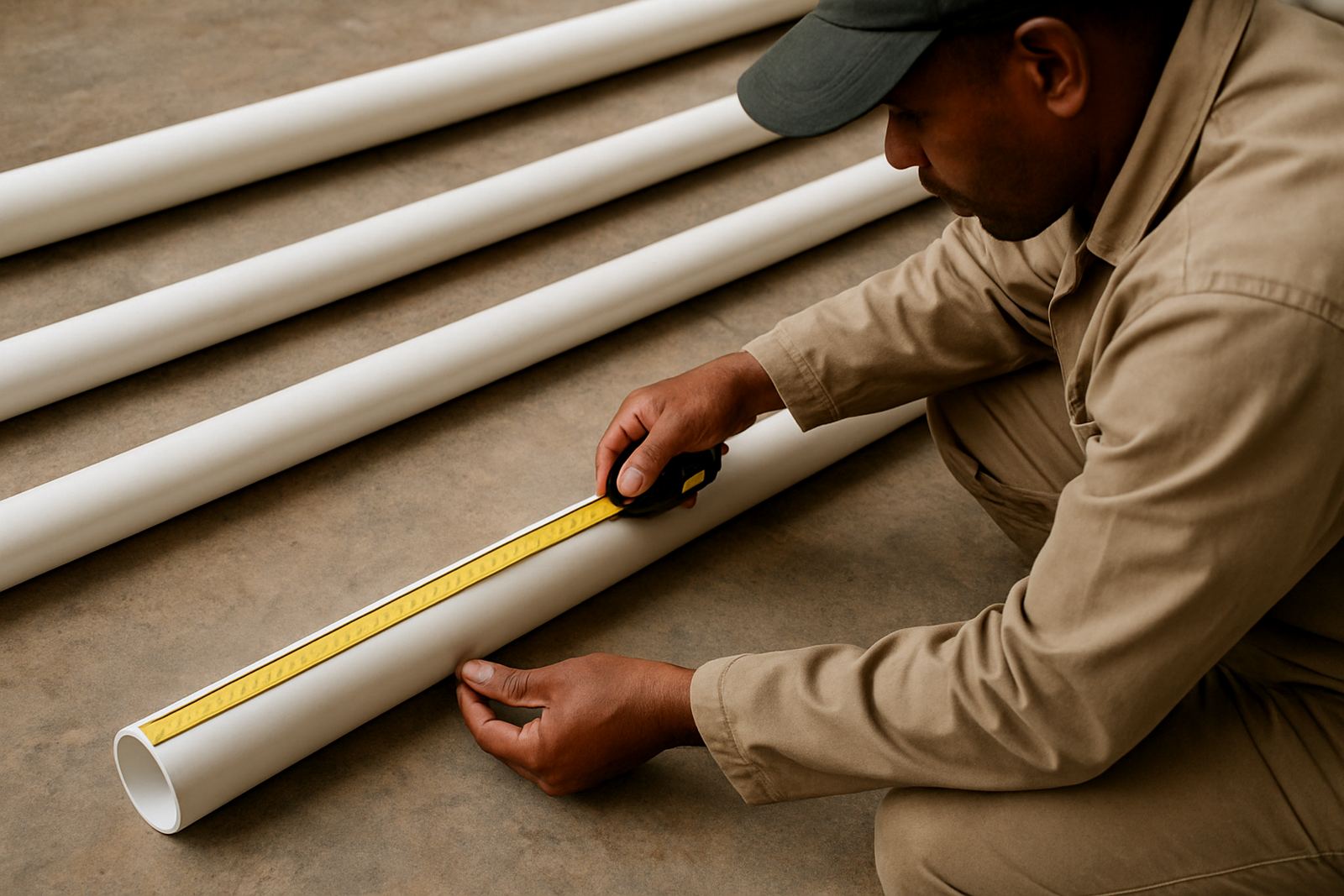
Installation starts with proper preparation. Cut the pipe square, dry-fit the parts first, then clean the pipe ends and the inside of the fitting. Apply the correct solvent cement evenly, insert the pipe fully and hold it still for the initial set time. Do not twist the joint after insertion, because that can disturb the bond and lead to leaks later.
Allow enough curing time before putting the line under pressure. Warm weather can speed things up, while cool mornings in Limpopo may slow curing a bit. Where the pipe will carry water soon after fitting, plan the work so the joints have time to cure before the pump comes on. For larger sizes, or where the line will run at higher pressure, give the joint extra care and do not rush testing.
- Cut square and remove burrs before jointing
- Use the right solvent cement for the pipe material
- Keep the pipe still during initial set time
- Pressure test only after full cure has been reached
Pressure, pump and power planning on site
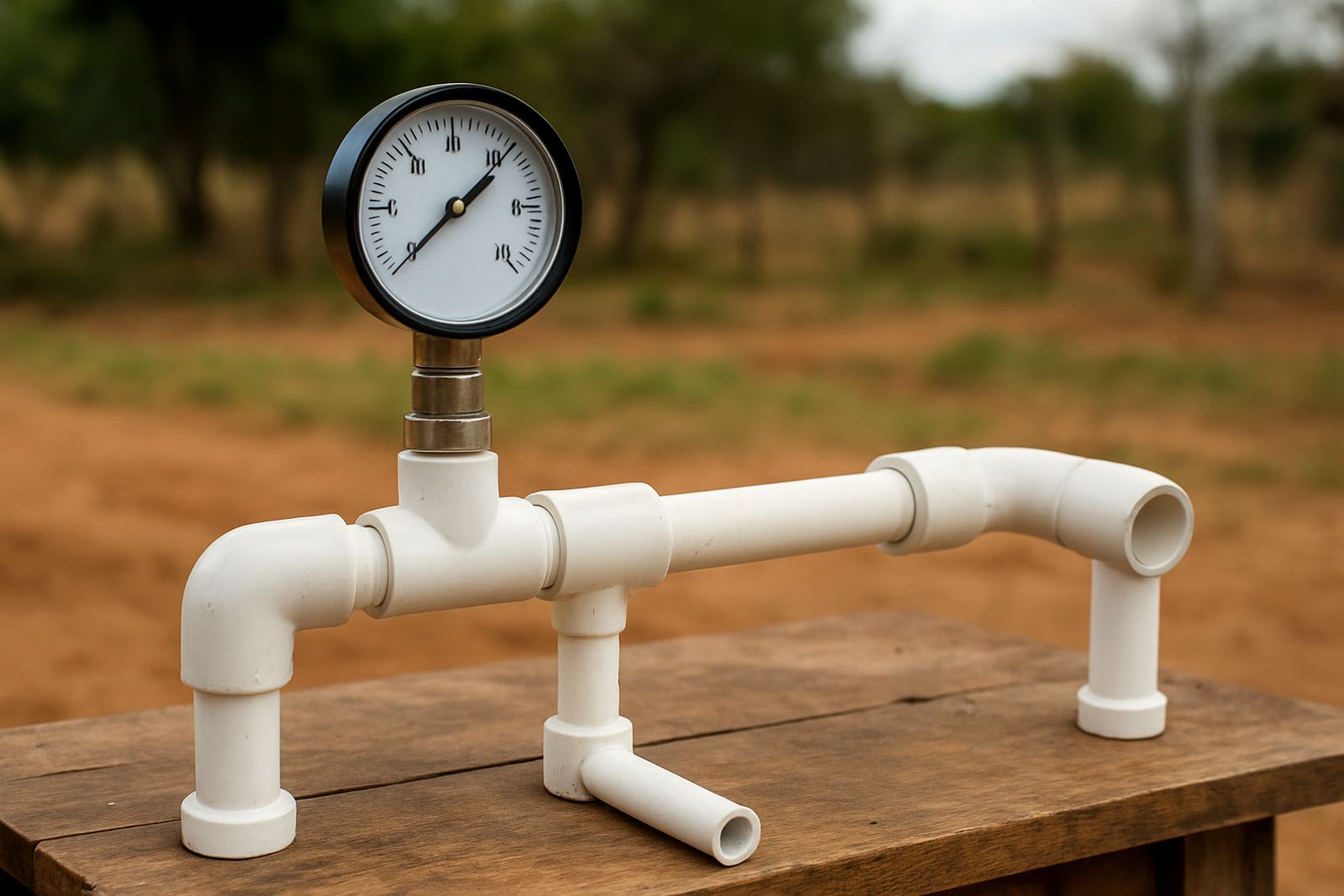
The coupler itself does not need power or gas, but the system it sits in must match the pump and pressure conditions on site. A reducing coupler should be chosen with the same attention you would give to valves, filters and pipe class. If the line is running from a pump station, check the working pressure, the length of the run and the pressure loss across the reduced section.
On irrigation systems with boreholes, tank-fed gravity lines or booster pumps, the size change can influence flow. A smaller downstream pipe may be correct for the zone, but it should not be so small that it creates unnecessary restriction. That is why system matching matters. If there are frequent power interruptions, make sure the line size and jointing plan support reliable start-up and stop-start conditions without overstressing the fittings.
For larger farm lines, it is also worth checking whether the reduction point will sit near a pump, a filter station or a manifold. Those locations carry more movement and vibration, so the pipe must be properly supported. A neat line with good clips and correct spacing helps the joint last longer and reduces strain on the fitting.
Care, servicing and what to inspect later
Solvent-weld reducing couplers need little servicing once installed, but the surrounding line should be checked from time to time. Look for weeping at the joint, signs of pipe movement, sun damage on exposed sections and damage from tools or traffic. On exposed lines in coastal or high-heat areas, make sure the pipe is still properly supported and not sagging under its own weight.
If the system is drained for winter or a long shutdown, inspect the joint area again when the line is brought back into use. Dirt build-up, UV exposure and physical knocks from mowing, spraying or stock can all shorten the life of the full line if they are ignored. A small leak at the reduction can waste a lot of water over a season, so early checks pay off.
- Check for leaks after the first pressure test and again after a few days
- Inspect for UV wear on exposed pipe sections
- Keep fittings clear of loose soil, stones and crop residue
- Replace damaged pipe before the joint is stressed
What to confirm when placing an order
Before you order, confirm the pipe sizes on both sides of the reduction, the pipe material, the pressure class and the number of fittings needed. It also helps to note whether the job is a new installation, a repair or a phased expansion. If the order is for a farm or contractor run, include the destination area so stock can be packed for collection, trucked across Limpopo or sent by courier nationwide.
It is also useful to check if you need extra solvent cement, primer where required, pipe cutters or support clips. For repeat work, quantity checks and stock reserving make a big difference, especially when several sites are being fitted at once. If you are unsure about the size change, send the pipe details through the enquiry form and ask for matching advice before the order is finalised.
Reducing couplers are simple pieces, but the right match saves time, water and labour. A small sizing mistake can hold up the whole line, so it is best to verify everything before collection or dispatch. That is especially true on jobs outside Polokwane where return trips cost fuel and time.
Key facts
| Product type | Solvent-weld reducing coupler for irrigation pipe systems |
|---|---|
| Common sizes | 20 x 15 mm, 25 x 20 mm, 32 x 25 mm, 40 x 32 mm, 50 x 40 mm, 63 x 50 mm, 75 x 63 mm, 110 x 90 mm |
| Material use | Designed for PVC irrigation pipe applications |
| Joint type | Permanent solvent-weld connection |
| Typical use | Straight-line size reduction or increase in irrigation runs |
| Supply areas | Ladanna Base, Polokwane Supply Area, Mokopane, Tzaneen, Hoedspruit, Lephalale, Thohoyandou and nationwide courier dispatch |